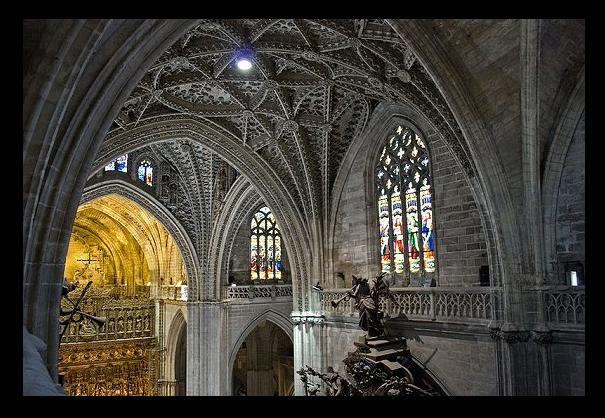
Easter

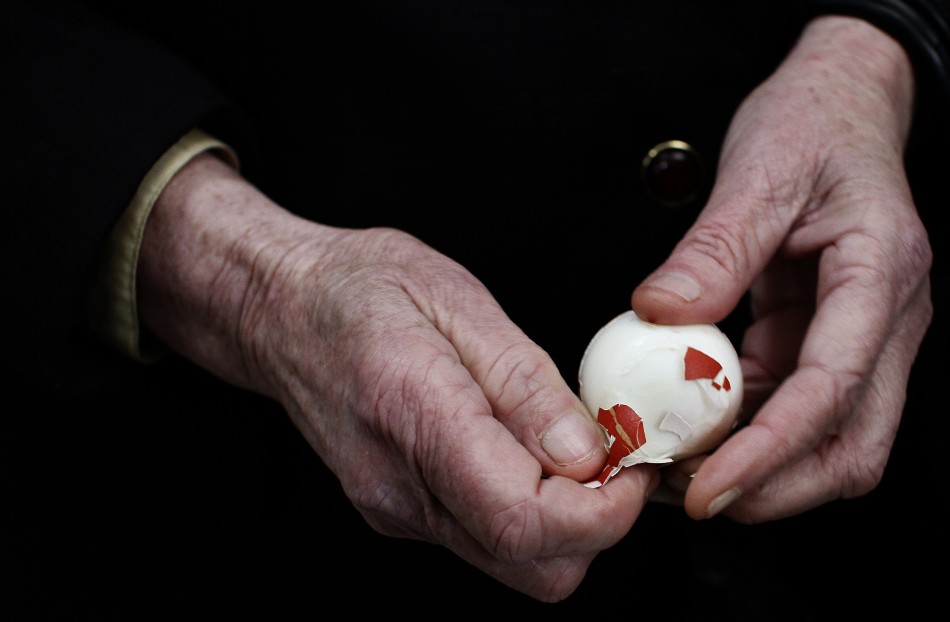
A Kosovo Serb peels an Easter egg during an Orthodox Easter service in a fire-gutted Serbian church, burned in 2004 by ethnic Albanians, in Mitrovica, 40 kilometres (30 miles) north of the Kosovo capital Pristina, April 5, 2010.
[More great images, including this one, from here. The history of the Easter Egg may be found here.]

“And, behold, the veil of the temple was rent in twain from the top to the bottom; and the earth did quake, and the rocks rent; / And the graves were opened; and many bodies of the saints which slept arose, / And came out of the graves after his resurrection, and went into the holy city, and appeared unto many.”
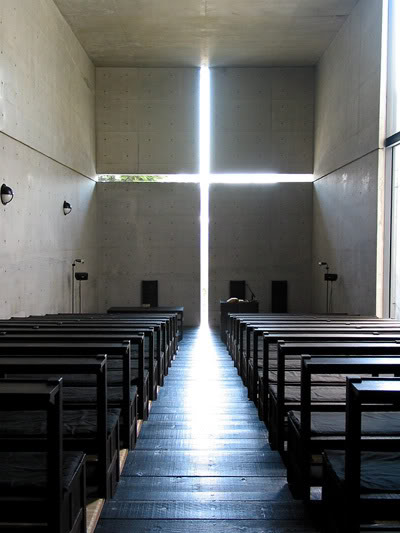
[Interior view of the tower of Le Corbusier’s Notre Dame du Haut chapel here.]
[Update– Sorry about the earthquake today. I’ll choose my biblical passages more carefully from now on. We felt it at about 3:45PM PST as a long roller that lasted for over a minute, kinda like being on a boat on a calm sea. No damage here. –Bunk]
I like caption contests, and when I happened across this one, the caption seemed obvious to me:

Reforming Geek liked it enough to send me an egg. Not just any egg, a decorated cardboard egg. In a checkbook box. (I might as well take the rest of the week off as the “glow” hasn’t worn off yet.)
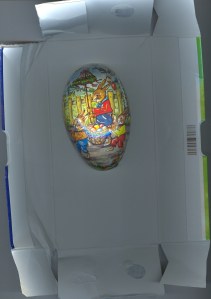
Here it is, without the plastic bubble wrap that protected this coveted treasure.

The secret of the egg didn’t appear until a scan revealed the hidden “laser rabbits” thing going on. Thanks, RG.

History of the Easter Egg:
To keep a Christian perspective of Easter in your home, please note the following research that can help you explain the history of the Easter egg to your children.
The earliest Christian history of the Easter egg tradition is found approximately 50 years after Jesus’ resurrection. Bright red-colored eggs were simply exchanged as gifts as a symbol of continuing life and Christ’s resurrection. The red color was an intentional Christian tradition commemorating the blood of Christ. The red Easter eggs in Christian history were originally used when two friends met on Easter day. The two friends would know to tap their eggs together and one would greet the other with the words, “Christ is Risen!” and the other would respond, “Christ is Risen Indeed!” Then the eggs were eaten in fellowship.
In the Reformation years, the church instituted the custom of breaking the Lenten fast with hard-boiled eggs. The eggs were brought to the Easter morning service, and the priest blessed them saying, “Lord, bless these eggs as a wholesome substance, eaten in thankfulness on account of the resurrection of our Lord.”
Our main focus must always be that our children meet Jesus in a personal way. If an Easter egg will bring Jesus alive to a child as a symbolic illustration, we should rejoice in the revelation of Jesus and his Resurrection to our children!

 Tacky Raccoons
