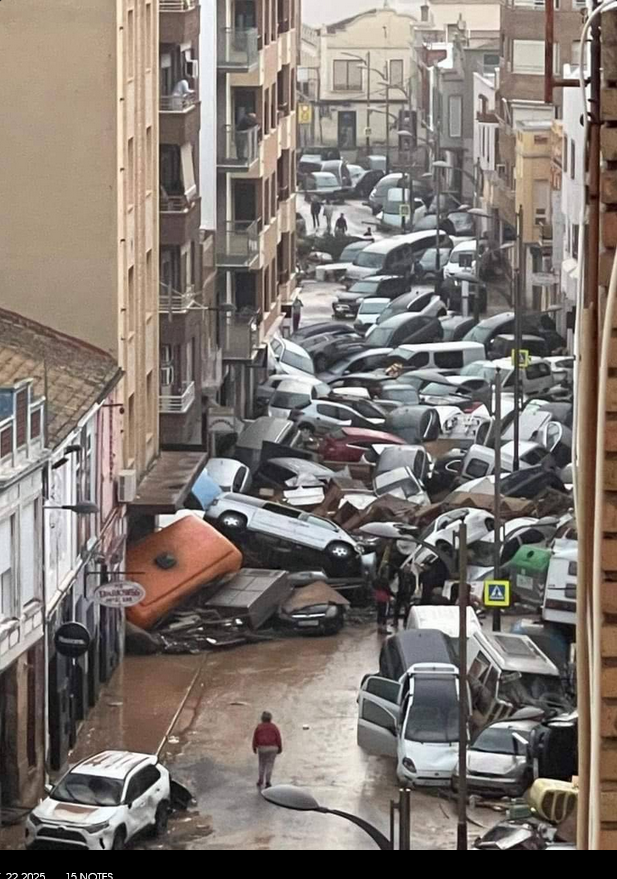
Damage from torrential rain and subsequent flooding, Valencia, Spain, November 2024. [Image found here, story here. Google Maps street view of Avinguda Gómez Ferrer, Alfafar, València here.]

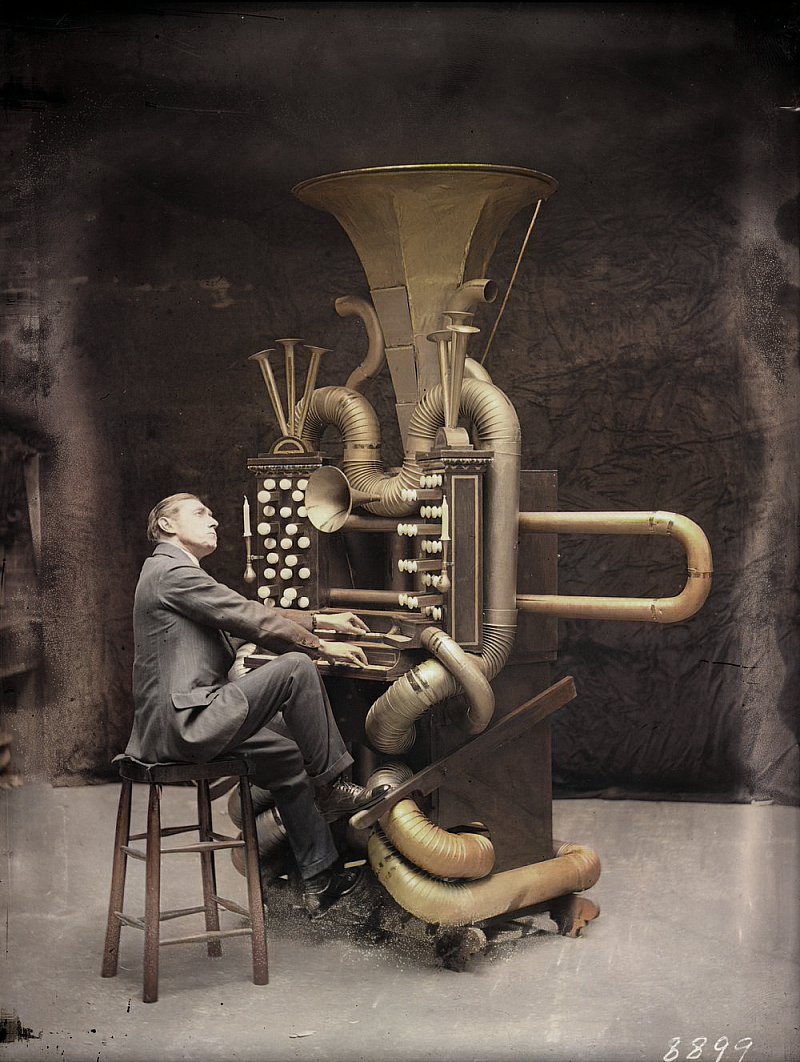
The Follyphone appeared on stage in London during the fall of 1912 during orchestral concerts conducted by H.G. Pelissier. And all of the newspaper accounts from the time make it sound like an interesting prop to deliver a message about anticipation, elaborate planning, and ultimately disappointment.
[Image and more about the Follyphone found here.]
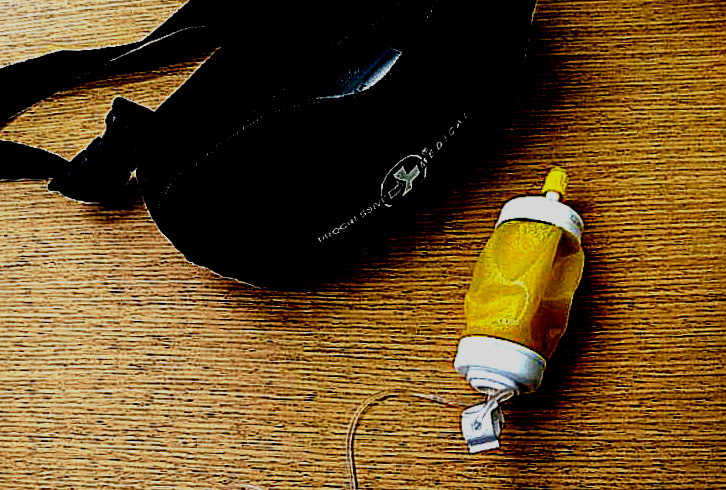
On 5 February 2020 I was diagnosed with Stage 4 colon cancer. I made the mistake of looking up survival rates on the internet. Scared the crap out of me.
The following month I had surgery, but they couldn’t get at a couple of malignant lymph nodes, and on 16 March I began chemotherapy infusions every two weeks. My oncologist said that something would happen by my third year of treatment, but he didn’t know what.
In 2023 I passed the three year mark. Nothing happened in my fourth year either, and the onkydoc said I was an unusual case, an outlier within the top fifth percentile of patients. He reduced my chemo dosage for a second time in October 2024.
I still get to visit the pretty nurses in the clinic every three months for a blood draw and Signatera test, and have a CT scan every four.
I’ve been fortunate that my side effects have been tolerable. The most bothersome was chemobrain – the mental fog that never quite dissipates. I’m hoping that as the toxins flush out things will improve, but then I won’t have chemo to blame for when I get a case of the stoopidz.

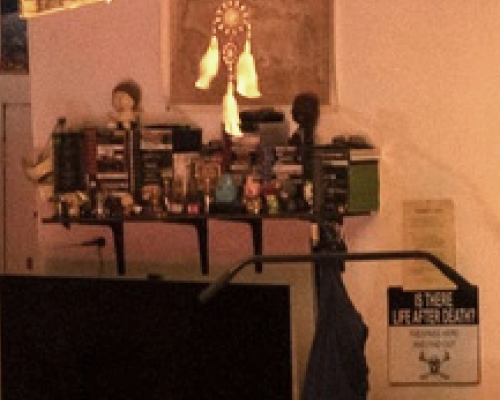
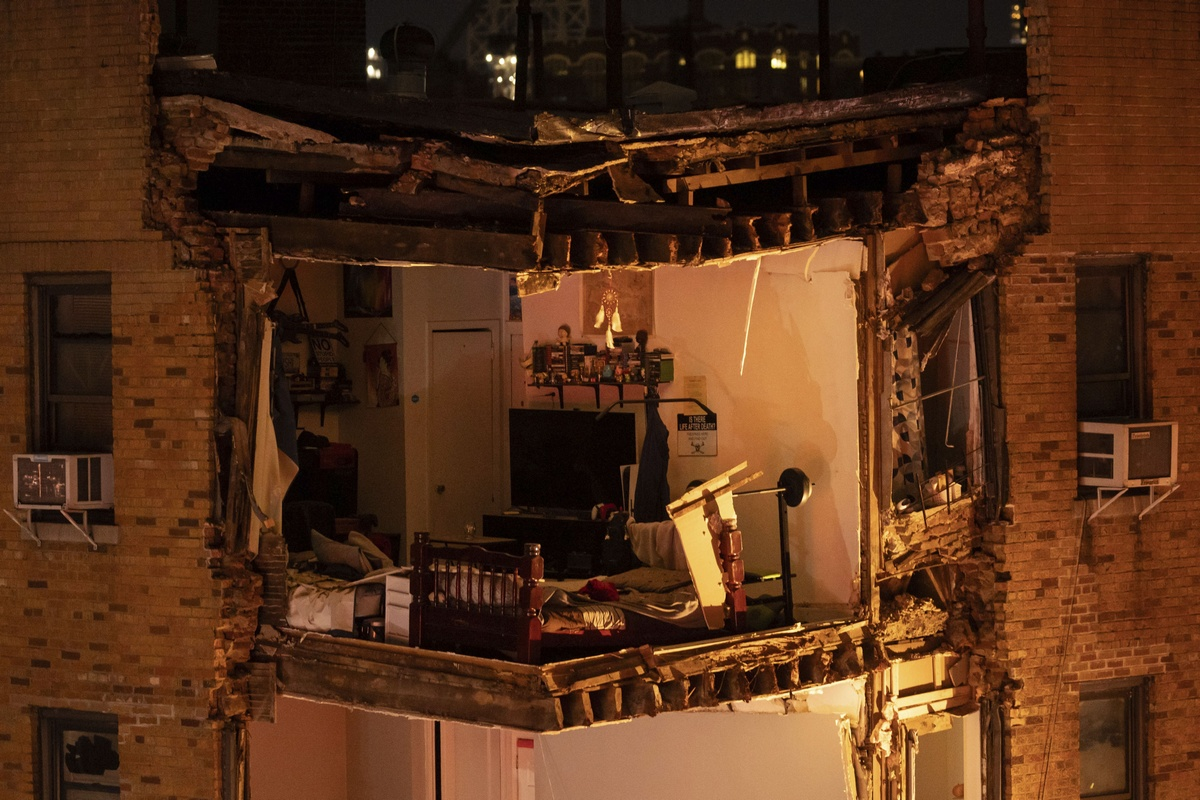 An apartment is left exposed where a corner of the residential building collapsed in the Bronx borough of New York, on Dec. 11, 2023. Yuki Iwamura/Associated Press.
Built in 1927, an inspection in 2020 found cracked brick and loose, damaged mortar on the seven story building’s facade; repairs were underway prior to the collapse. All residents survived.
[Image with story found here. The photo also appears in a Russian website photo collection titled “Everyday Life In The USA“.
Right-click the top image and open in a new tab to view full size.]
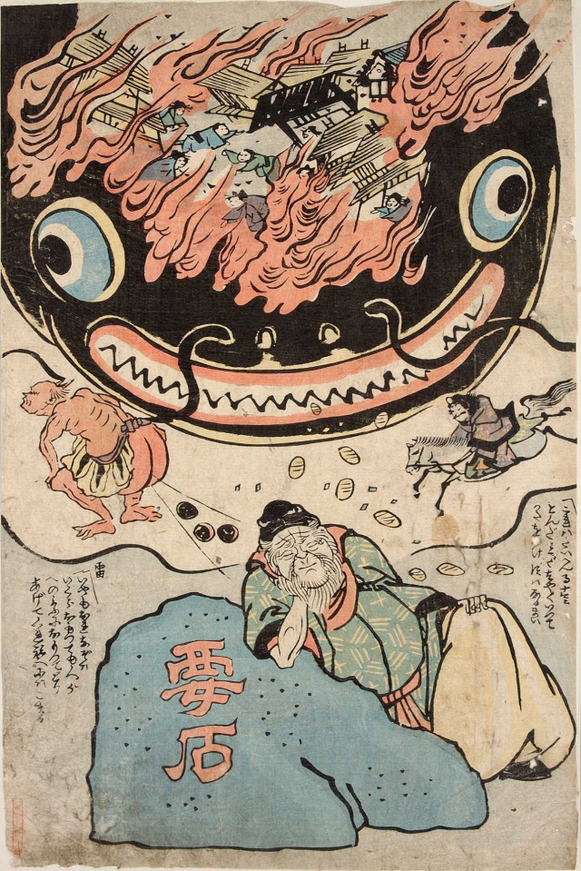
In November 1855, the Great Ansei Earthquake struck the city of Edo (now Tokyo), claiming 7,000 lives and inflicting widespread damage. Within days, a new type of color woodblock print known as namazu-e (lit. “catfish pictures”) became popular among the residents of the shaken city. These prints featured depictions of mythical giant catfish (namazu) who, according to popular legend, caused earthquakes by thrashing about in their underground lairs. In addition to providing humor and social commentary, many prints claimed to offer protection from future earthquakes.
Namazu are normally kept under control by the god Kashima using a large rock known as kaname-ishi. The Great Ansei Earthquake of 1855 is said to have occurred when Kashima went out of town and left Ebisu (god of fishing and commerce) in charge. In this print, the giant subterranean catfish unleashes destruction on the city while Ebisu sleeps on the job. Kashima rushes home on horseback while the city burns, and Raijin the thunder god defecates drums. Large gold coins fall from the sky, symbolizing the redistribution of wealth during the rebuilding phase.
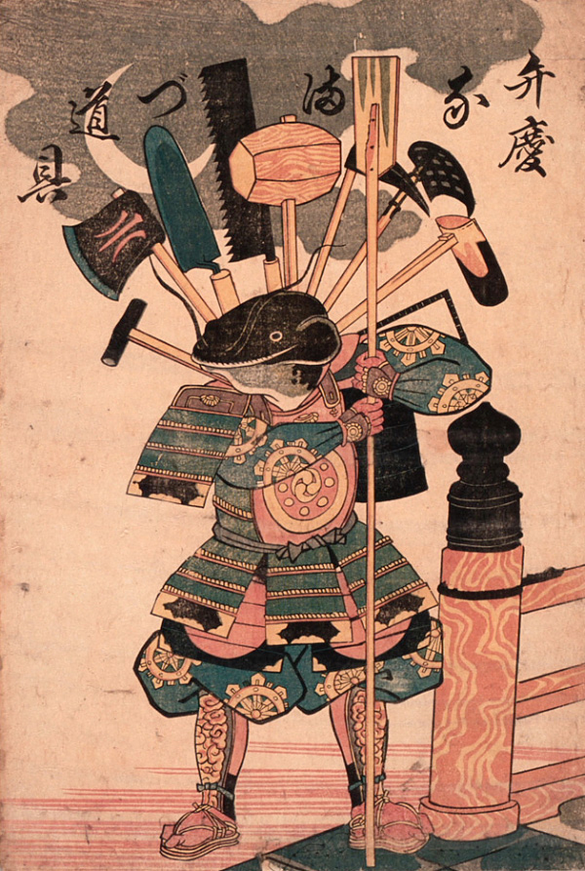
[Full story and more images found here.]
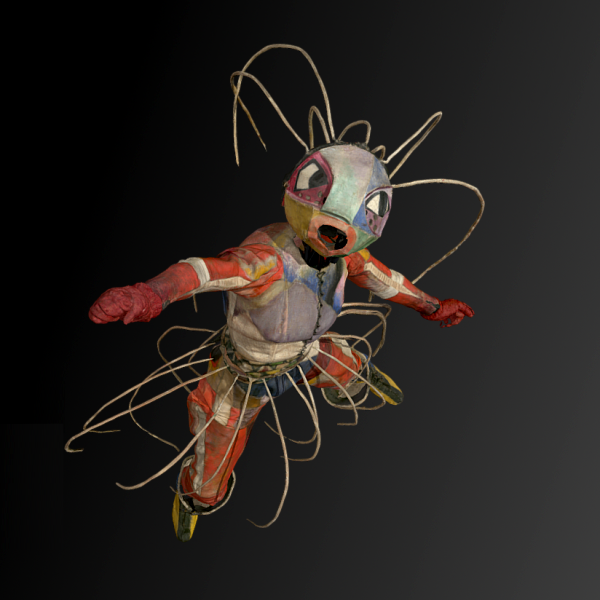
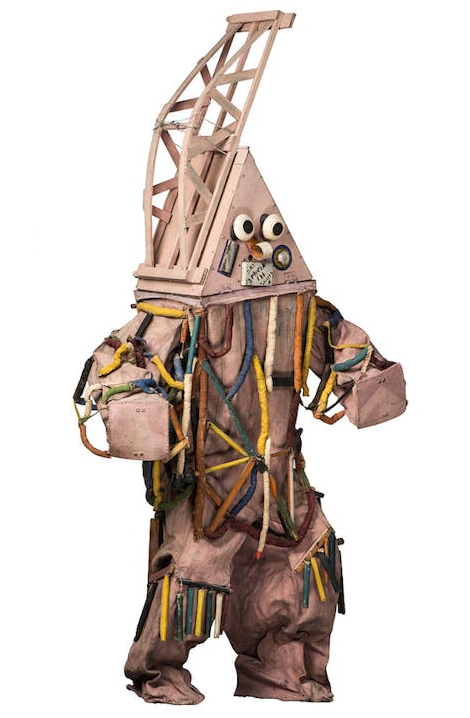
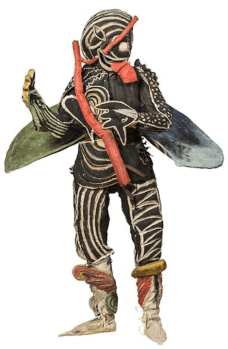
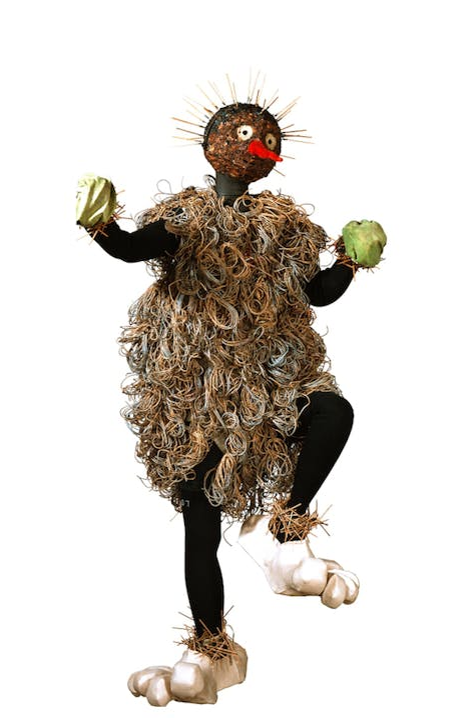
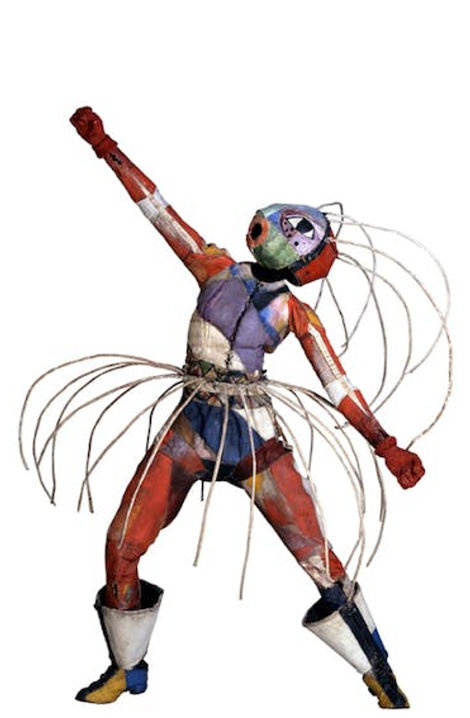
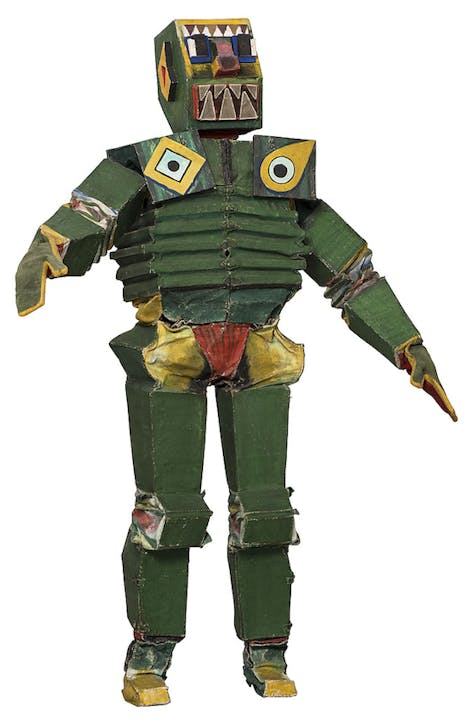
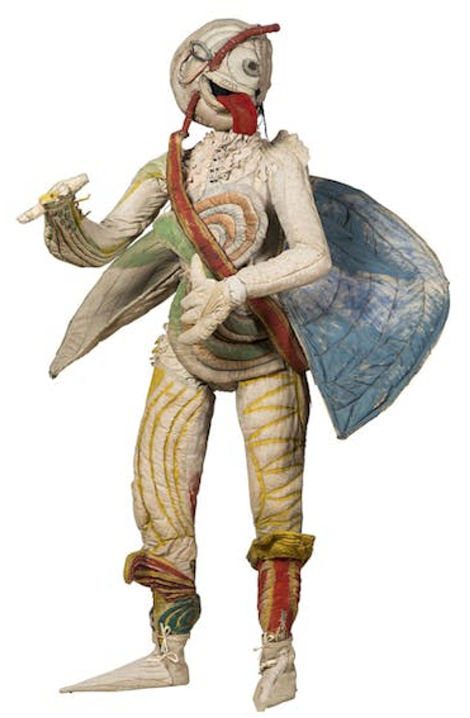
Schulz and Holdt made these costumes for dancing; they performed under the name Die Maskentänzer (The Mask Dancers). The outfits are more sculpture than clothing, and they entirely swallow up the wearer. Some suggest a mongrel collision of characters — a buggy-eyed insect meets a jester meets a bearded tomato — and others allude to zippy motion, with eyeballs cartoonishly pulling off the face. Wires poke out and wooden blocks dangle, a bridge seesaws from shoulder to shoulder. Many of the geometric silhouettes defy anatomy; hands, feet, and heads are all boxed in, with no apparent exit.
The story doesn’t stop there. Schulz and Holdt were insane.
https://publicdomainreview.org/collection/tanzmasken/
Bonus: Interactive 3D images of Maskentänzer
Toboggan Mann
Toboggan Frau

I saw her standing by the side of the road four weeks ago as I rode past. I thought I was imagining it. But even for me, that would have been imagining things on a super-overdrive. She did actually have a framed picture of David Lynch. Usually I have seen women carrying a small statue or framed picture of one of the numerous gods to ask money for.
I roamed around and asked for her whereabouts. After four weeks, we finally met. She, and a few other women from the same village, does this for work. When they need a framed picture of a god, they go to a local framing shop and ask if there is one that the customer never came back to collect. For some reason, she chose this one of a white god this time, she said.
“Which god is he?” she asks me at the end of our meeting and chat as I walked her back to her bus stop.
“The one that has made some of the most beautiful things in the recent years, unlike the others,” I said.
[Photo and caption by Tanmay Saxena, found here via here. The photo was taken three weeks prior to Lynch’s death.]
[More photos here.]