A Well Without Water – Poço Iniciàtico

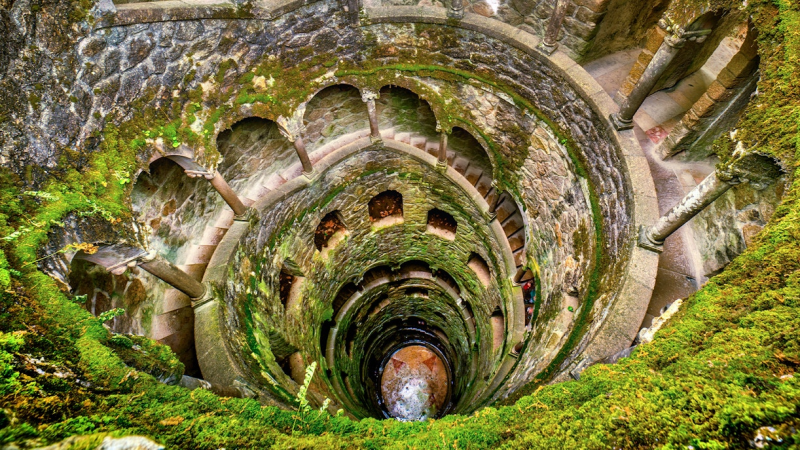
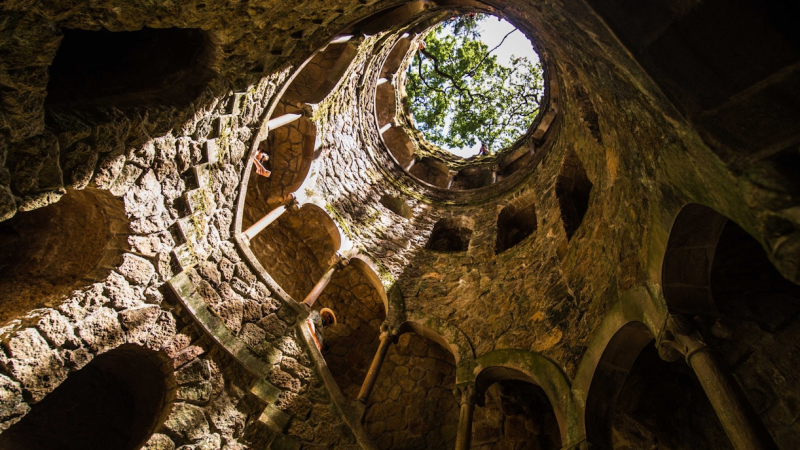
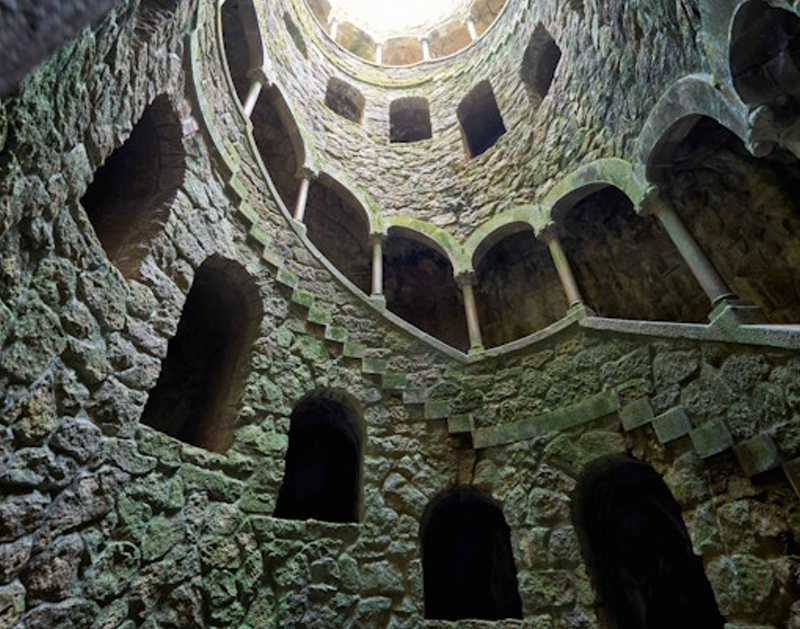
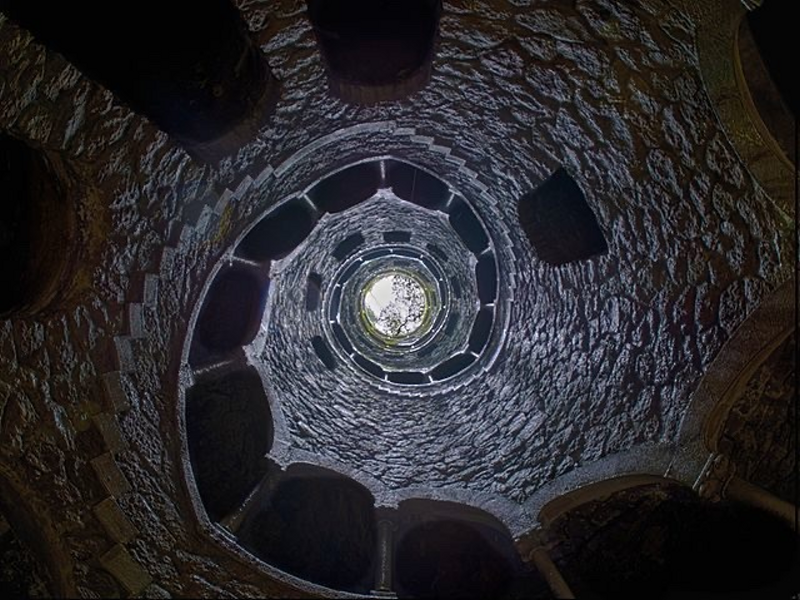
Poço Iniciàtico (Initiatic Well)
Quinta da Regaleira, Rua Barbosa du Bocage, Sintra, Portugal
Designer: Italian Architect Luigi Pietro Manini
Constructed by António Augusto Carvalho Monteiro
Date of construction: 1904 – 1911
Depth:  88 feet (27 meters)

The Initiation Well at the Quinta da Regaleira was designed under the direction of Carvalho Monteiro, a  wealthy Brazilian-Portuguese businessman and alleged Freemason, who purchased the property in 1892.

The Quinta da Regaleira Initiation Well was allegedly constructed for clandestine ritualistic purposes and there are various theories regarding its use. Many believe it was used as the location of the Templar Knight initiation ceremonies. They would descend the spiral staircase, and emerge into a pitch-black labyrinth where they would literally and figuratively navigate their way up to the light. Some believe that there is a connection between Tarot mysticism and the distance between these landings and the number of stairs, and theorize that it could have been used for Tarot initiation rites. Other allusions refer to rites in Freemasonry or Rosicrucianism.

[Photos, description (and more) found here, via  here.]

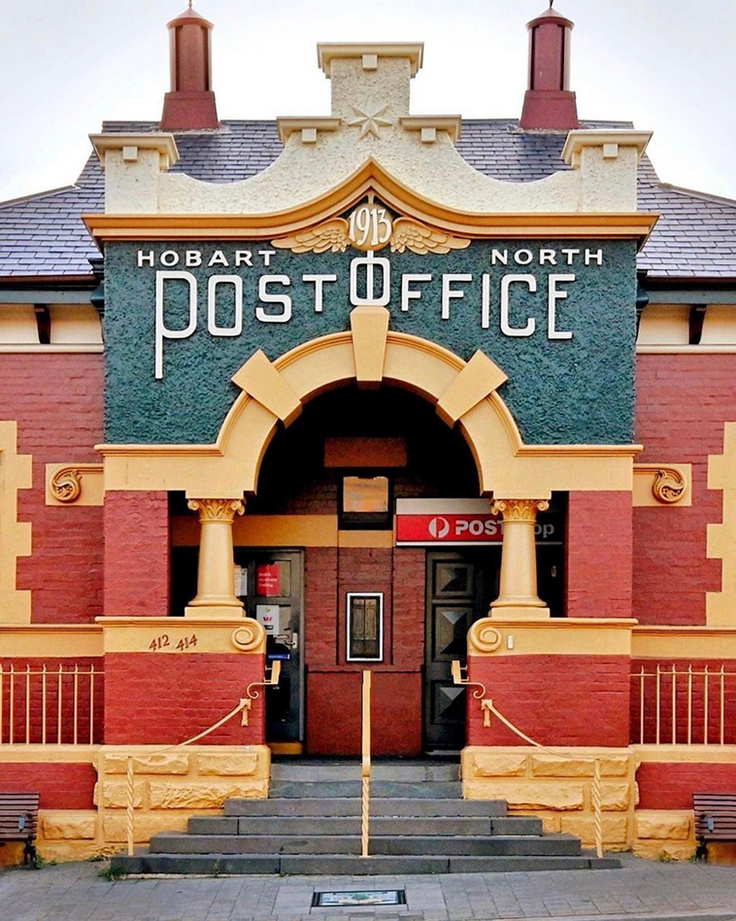
Hobart North Post Office

North Hobart Post Office, Tasmania, Australia, built 1913.

North Hobart Post Office was built on part of a seven-acre (nearly 3 hectares) allotment originally granted to John Swan who was considered by many of colonial Hobart’s social elite to be a man with a shady past – he had been acquitted of ‘receiving’ at the Old Bailey in London.  By the late 1820s, Swan had a successful haberdashery business and his family acquired several properties in North Hobart including this allotment.  By the 1840s a cottage and extensive garden had been built, but by the 1890s, the allotment was subdivided and Swan Street created.  In 1903, the Commonwealth acquired the site for the new post office (refer to http://www.hobartcity.com.au).

Surveyed in 1912 and built in 1913, the North Hobart Post Office was constructed to a design by the Commonwealth Department of Works and Railways under the aegis of architect, J S Murdoch although Warmington cites the Department of Works’ Office (Warmington, 1987).  The scope of this citation has precluded further research to clarify architectural attribution.  An early (undated) postcard of the building depicts it as freestanding on a large corner site, flanked either side by picturesque picket fencing and landscaped areas.

[Image found here, more history and details here.]

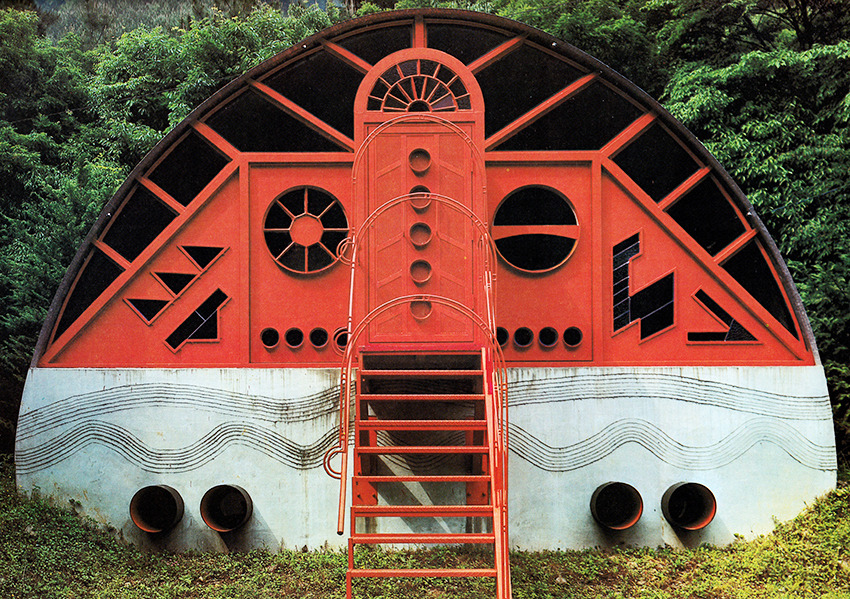
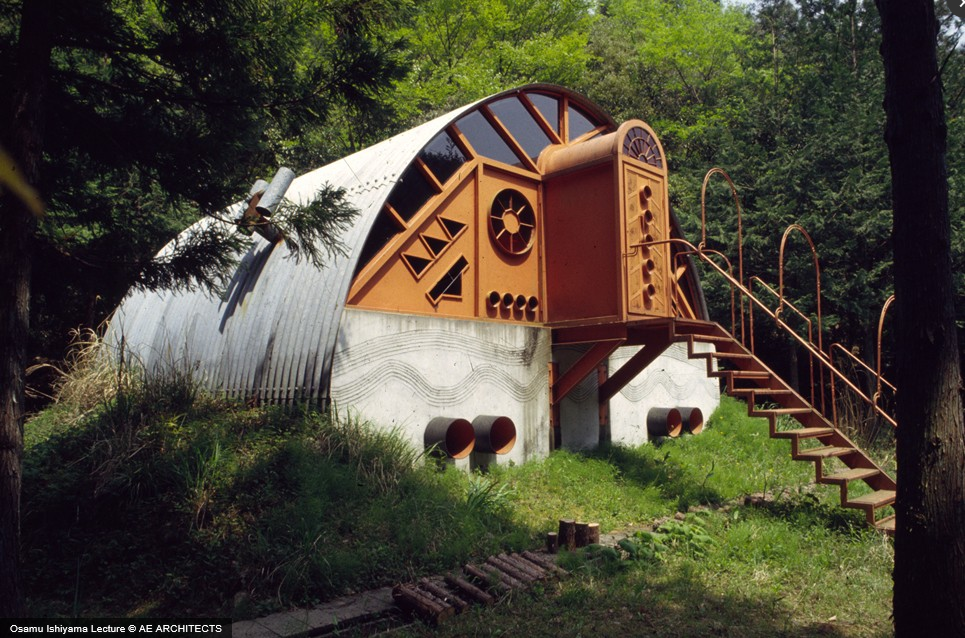
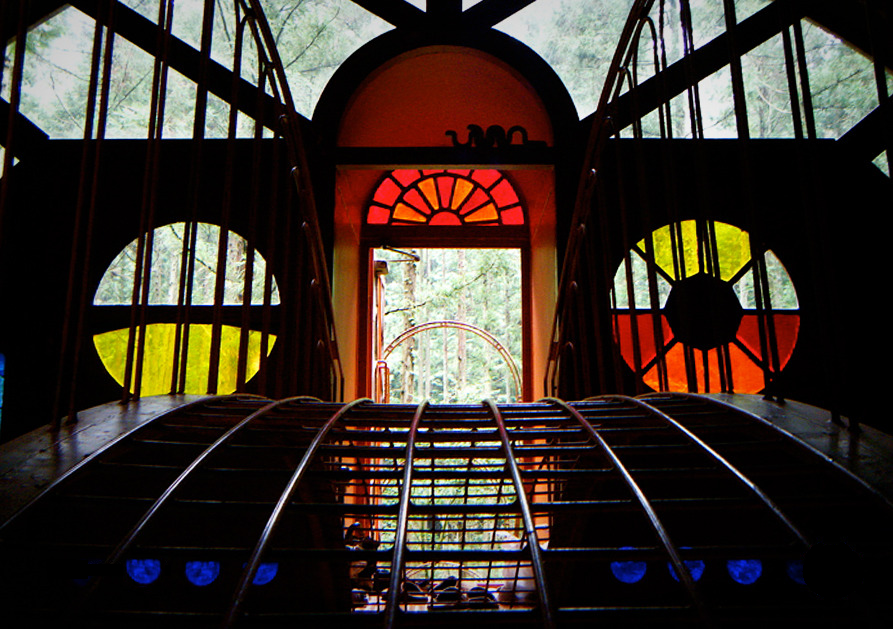
Gen-an House

Gen-an (Fantasy Villa) house, Shinshiro, Aichi Prefecture, Japan, designed by Japanese architect Osamu Ishiyama in 1975.

Ishiyama used unconventional and industrial materials for its construction, such as giant corrugated steel tubing typically used for civil engineering projects. The house was inspired by a monk’s minimal dwelling cell.

[Images found here, here and here; description from Google AI Overview.]

Tumbletown

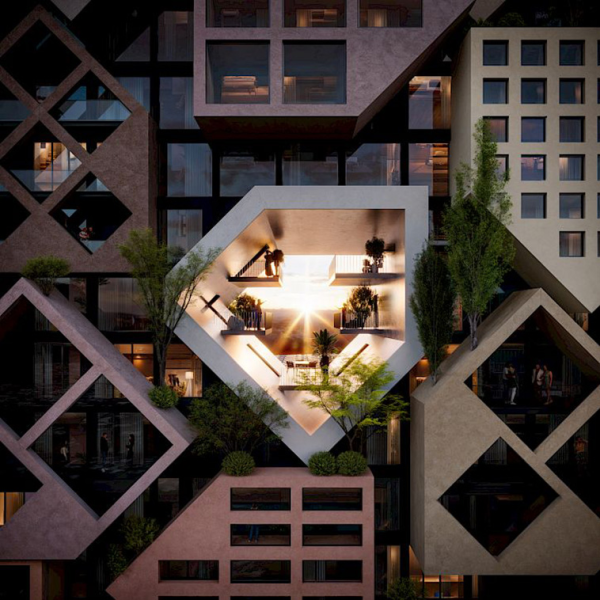
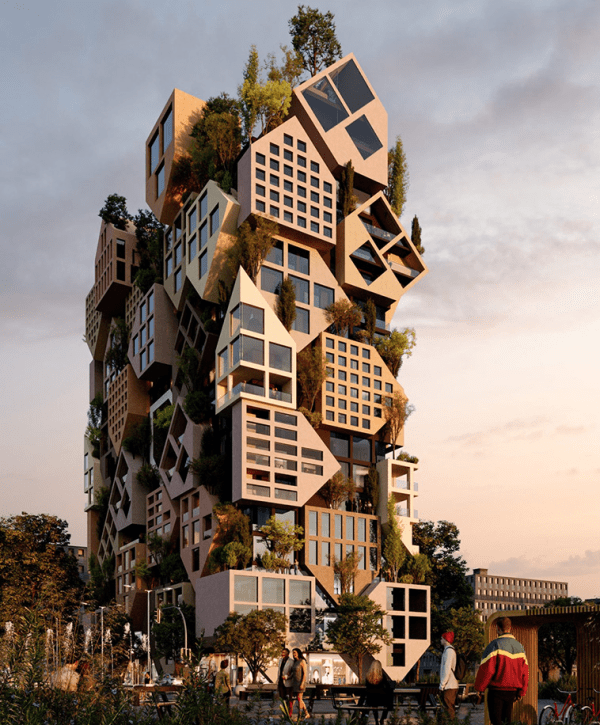
Puzzle Tirana, Albania
If built, the high-rise will be composed of stacked volumes that are intended to resemble the shape of the archetypal village house with a gabled roof.”

Located on Rruga Medar Shtylla, near Tirana’s city lake, Puzzle Tirana sits on a 75 x 25-meter lot in a densely built urban area. The design reflects Albania’s transition from rural homes to modern apartments, embodying the city’s rapid growth. The tower will replace an existing structure and introduce:

    • 160 apartments ranging from 70 to 130 m²
    • A hotel integrated within the lower levels
    • A commercial area on the first two floors

Designed by Network of Architecture (NOA) and Atelier4.
[Photos and more found here.]

Centennial Hall, Wrocław

Centennial Hall, Wrosław, Poland. Max Berg architect, Günther Trauer structural engineer, 1911-13. © А. Barhin

[ Image found here, more here.].

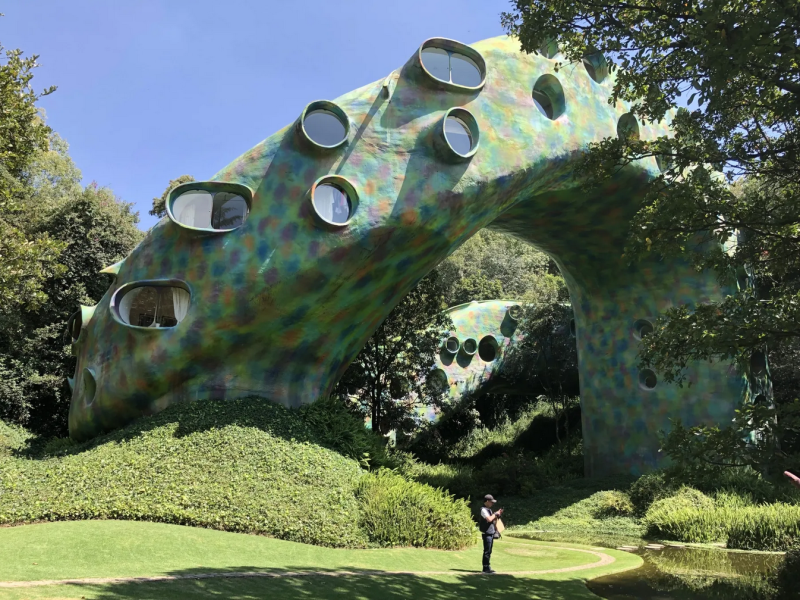
Fungal in the Jungle

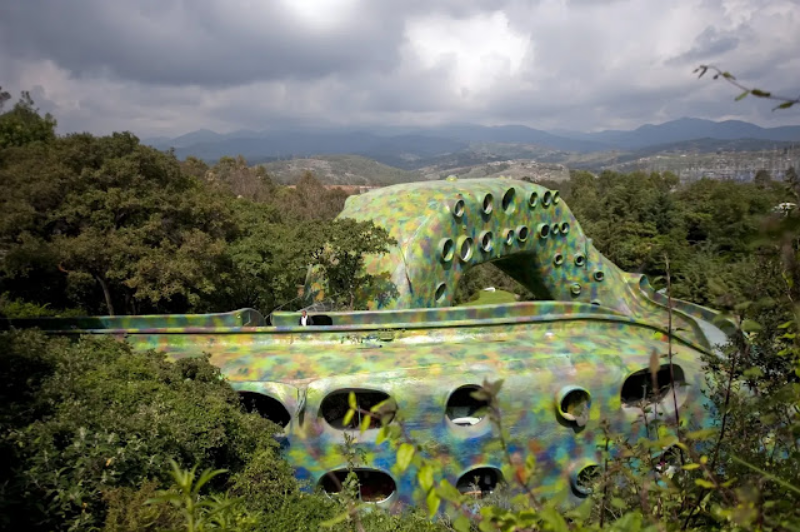
The Nido de Quetzalcóatl, Naucalpan, Mexico. Javier Senosiain, Architect.
The main body of the Quetzalcoatl’s Nest offers ten apartment units in a structure that coils around a manicured park. Javier Senosiain, Architect.

[Found here, story here.]

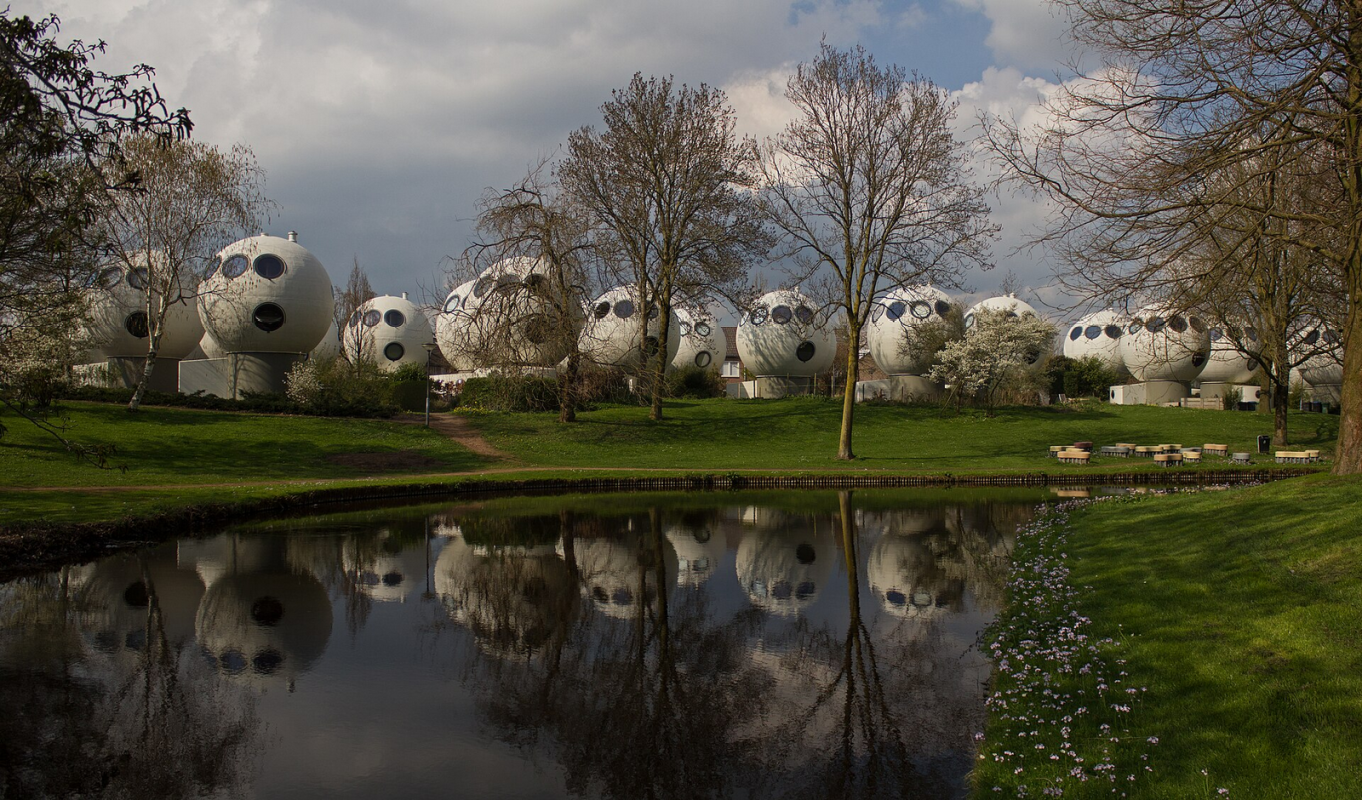
Bolwoningen

In 1968 the Dutch government allocated funding for an experimental housing project in the city of Hertogenbosch. Responding to a call for submissions, artist/designer Dries Kreijkamp proposed Bolwoningen (Ball Houses), and his unusual concept was chosen. The design sat on the shelf until 1980 when construction of fifty of the small homes began.

Each 18-foot diameter sphere consists of prefabricated panels made of fiberglass-reinforced concrete mounted on a cylindrical base. Weighing only 2.8 tons, it can be disassembled and relocated.

The experimental neighborhood of Bolwoningen remains as a tourist curiosity, and holiday rentals are available.

[Images and story found here.]

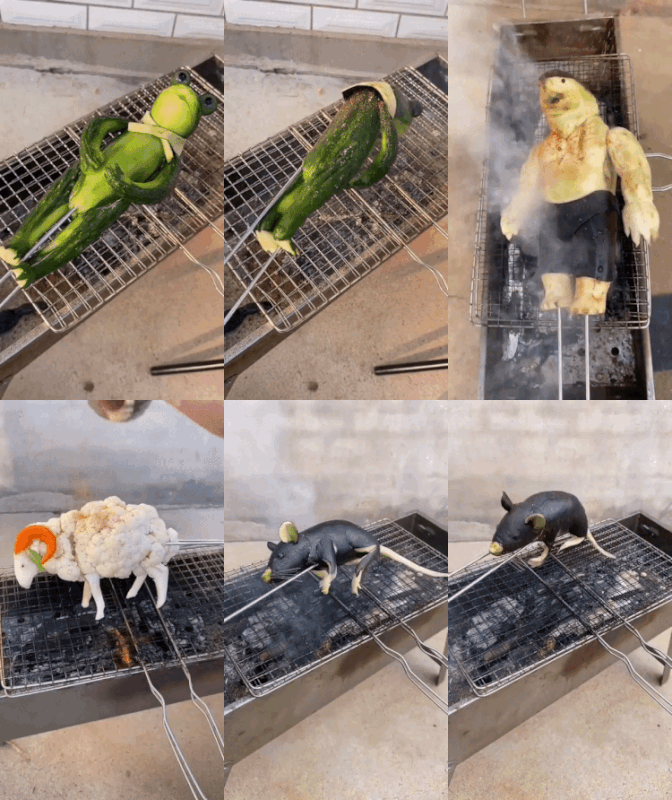
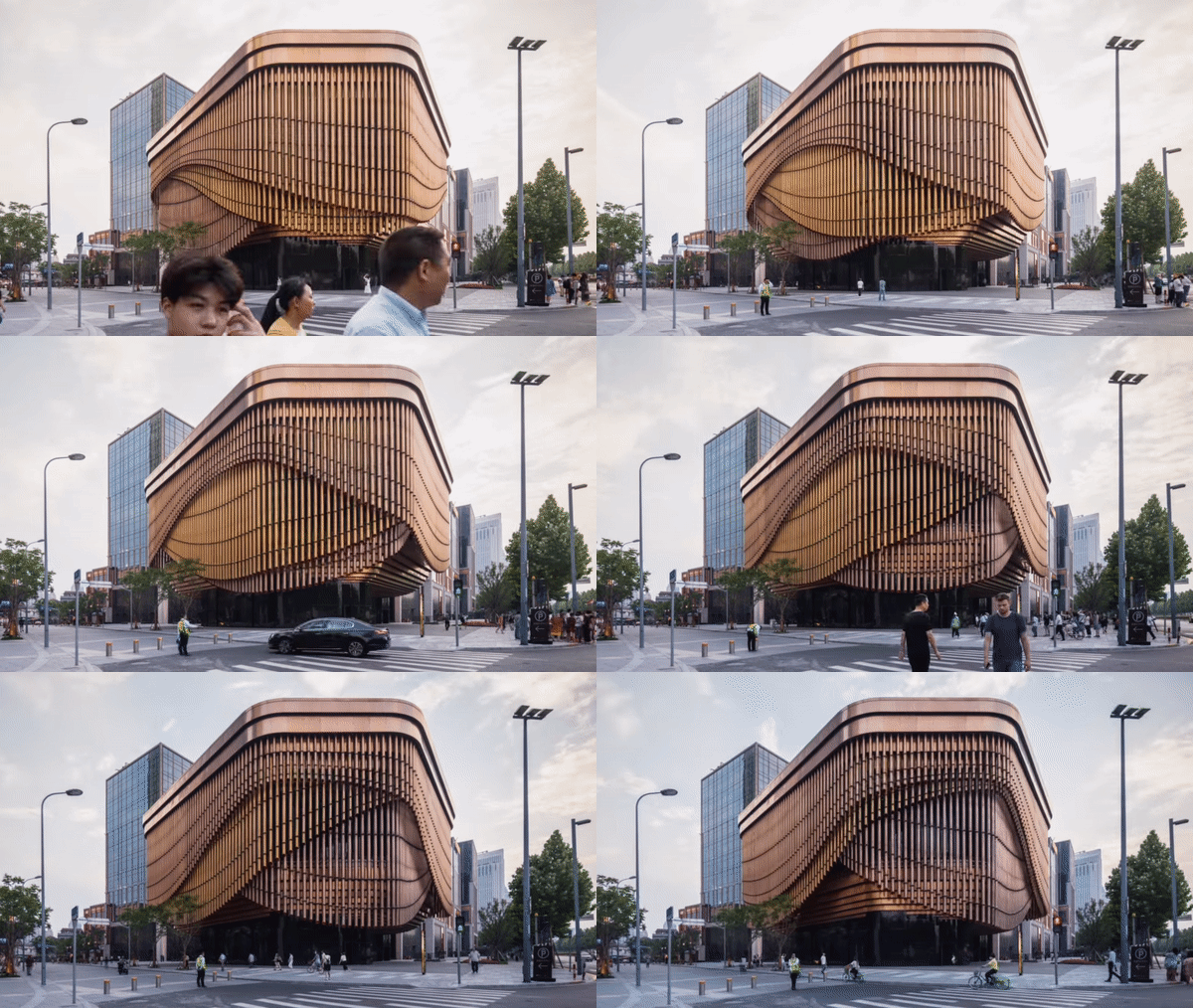
The .Gif Post No. 785 – Grillin’ the Veggies, Rockin’ the Ballers & The Bamboo Curtain

[Found here and here. The 2nd was sliced and diced from here.]

Soviet Era Mass-Produced Housing

[Found in here.]

*blooorp*

Ark Nova, Japan

Ark Nova was created as a result of joint efforts of British sculptor Anish Kapoor and Japanese architect Arata Isozaki and it is the only inflatable concert hall currently in the world.

[Found here, h/t Gorehound.]