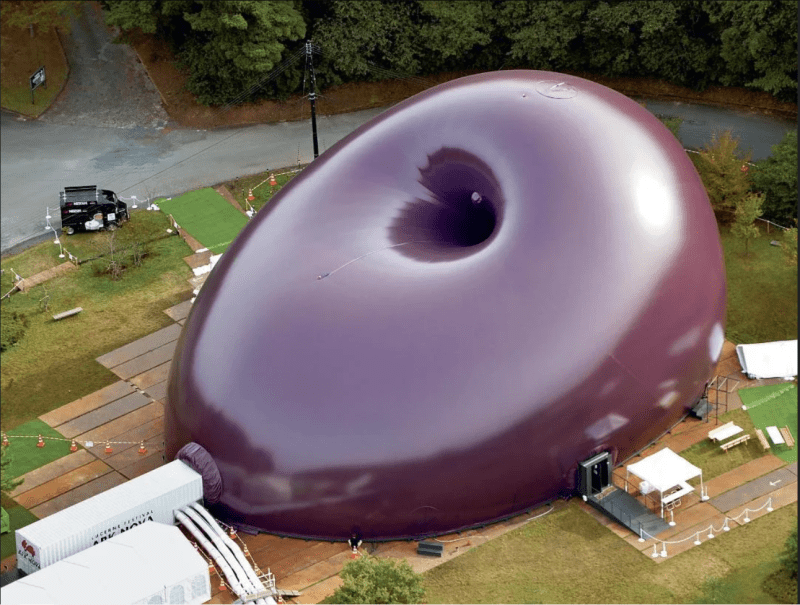
Ark Nova was created as a result of joint efforts of British sculptor Anish Kapoor and Japanese architect Arata Isozaki and it is the only inflatable concert hall currently in the world.
[Found here, h/t Gorehound.]

Ark Nova was created as a result of joint efforts of British sculptor Anish Kapoor and Japanese architect Arata Isozaki and it is the only inflatable concert hall currently in the world.
[Found here, h/t Gorehound.]
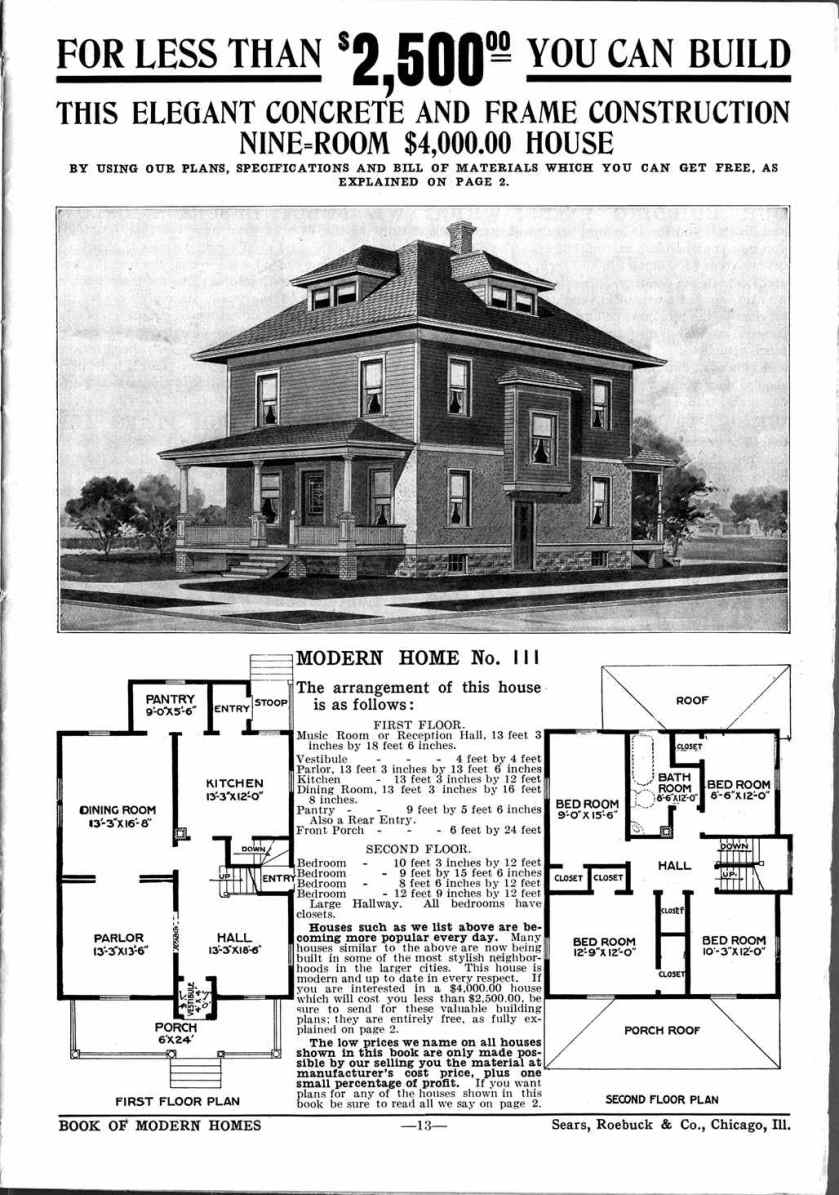
Very nice house design from 1908 with a 1908 price of under $2,500. That’s about $70,000 in 2022 dollars. Click on images to enlarge.












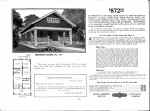
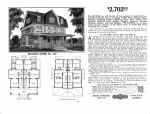


Materials only. You provide property, labor, utilities, permits, fees and beer. All advertisements found in here:
http://www.searsarchives.com/homes/1908-1914.htm
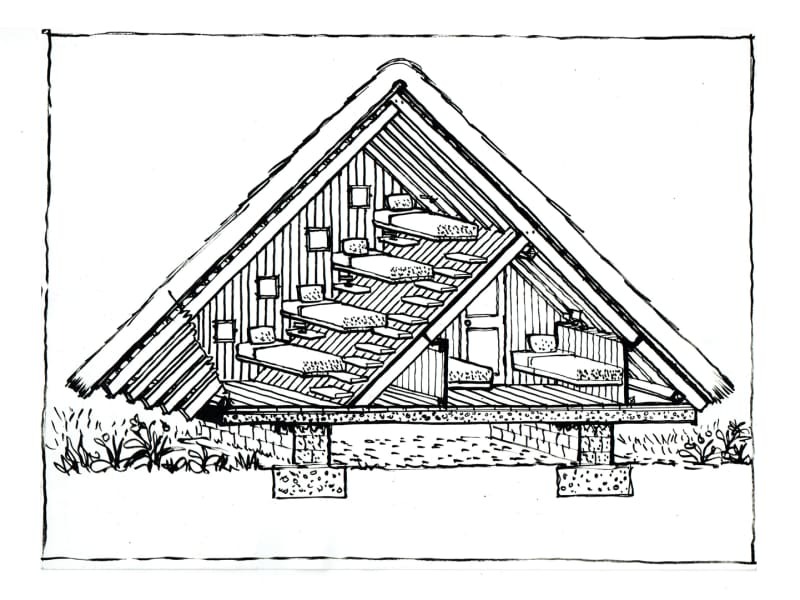
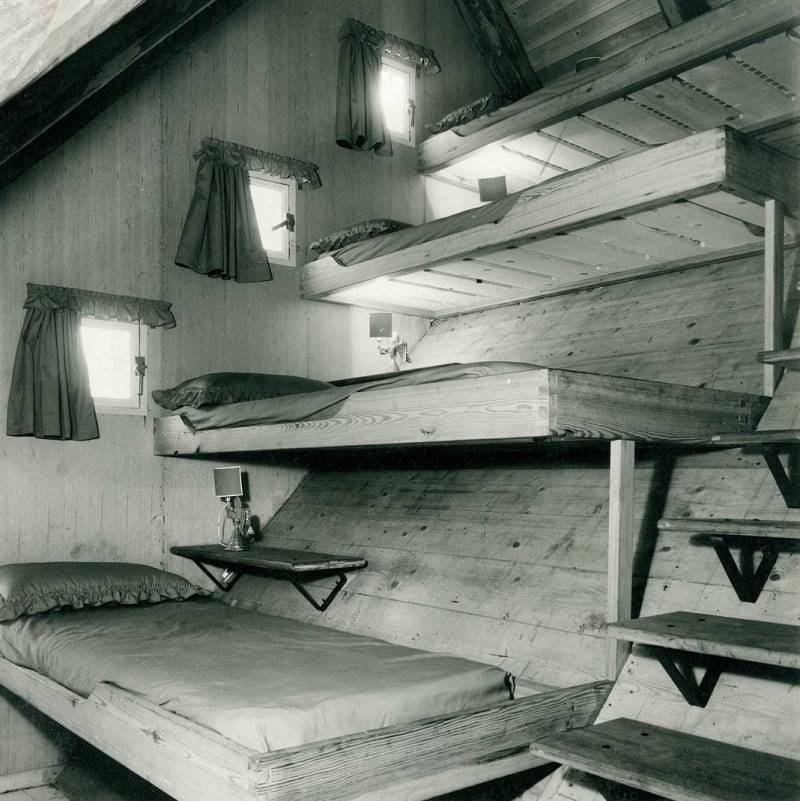
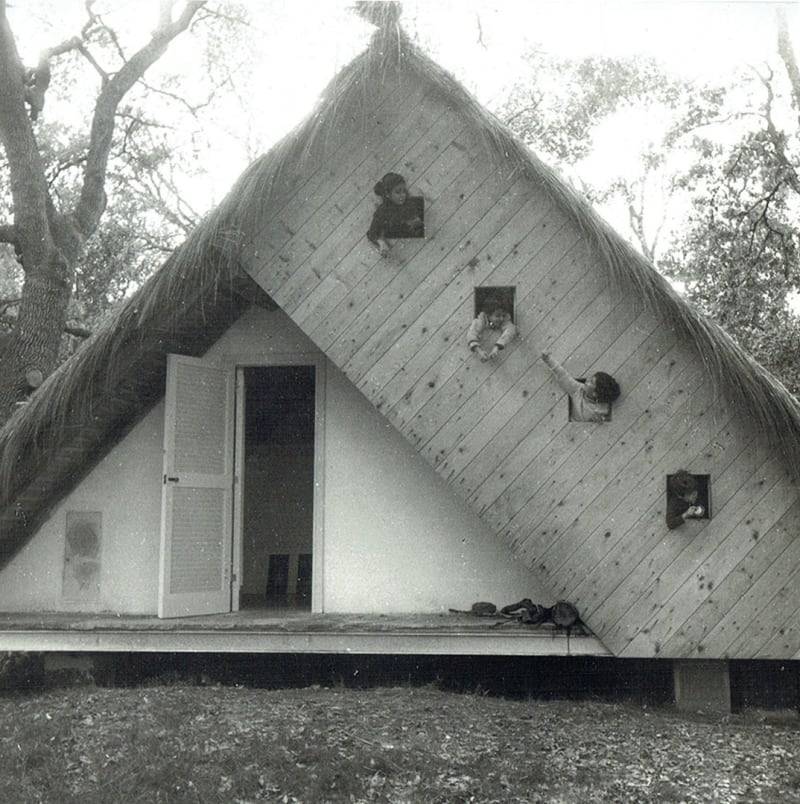
Julio Lafuente was a Spanish architect who worked mainly in Italy. This is a summer cabin he built with structural engineer Gaetano Rebecchini on Capocotta Beach near Rome in 1965.

“In 1930 the Indiana Bell Building was rotated 90°. Over a month, the 22-million-pound structure was moved 15 inches/hour, all while 600 employees still worked there. There was no interruption to gas, heat, electricity, water, sewage, or the telephone service they provided. No one inside felt it move.”
Built in 1907, the 8-story, 11,000-ton building was moved to provide room for a larger facility, all while providing uninterrupted telephone service to the State of Indiana. It was relocated 52 feet (16 m) to the south and 100 feet (30 m) west of its original location. The move began 14 October and was complete on 12 November 1930.
Most of the power needed to move the building was provided by hand-operated jacks assisted by a steam engine. Each time the jacks were pumped, the house moved 3/8ths of an inch.
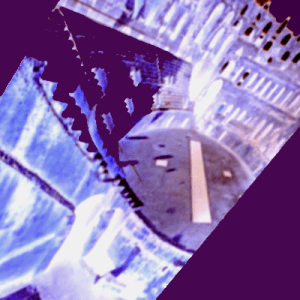
Rotated, stretched, cropped, inverted & adjusted colors, all because I saw a face. Undoctored image found here.
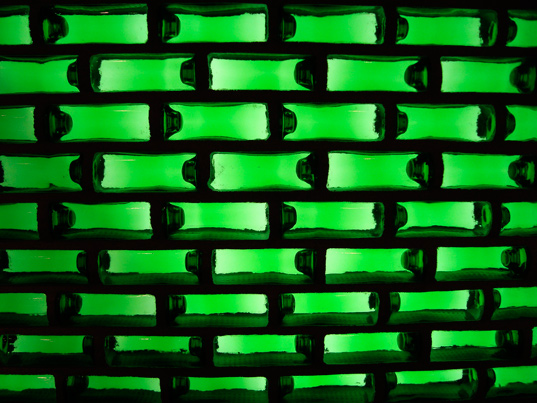
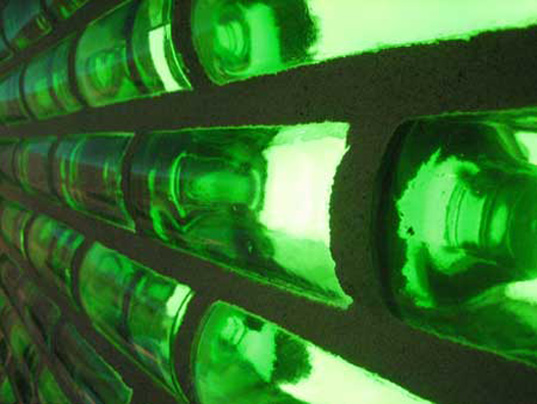
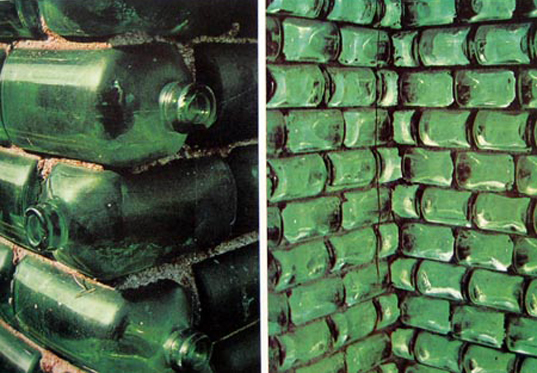
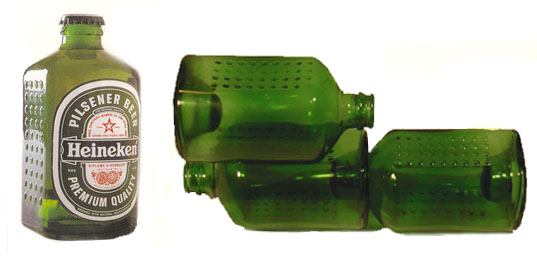
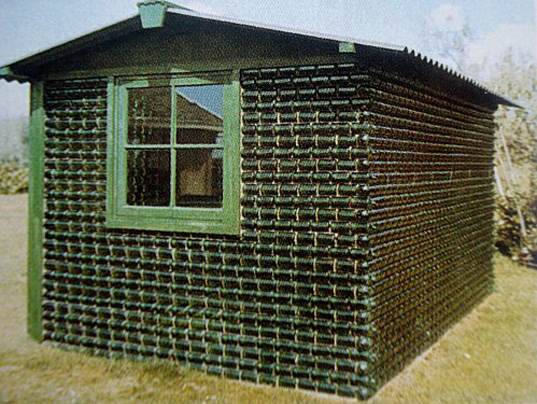
…The idea of turning waste into useful products came to life brilliantly in 1963 with the Heineken WOBO (world bottle). Envisioned by beer brewer Alfred Heineken and designed by Dutch architect John Habraken, the “brick that holds beer” was ahead of its ecodesign time, letting beer lovers and builders alike drink and design all in one sitting.
This is masonry. Each course is restrained by the male/female neck/punt connection, but the glass frogs (the bumps on the tops and bottom sides of the bottle) don’t provide a lot of friction, so some method of vertical reinforcement is required. Can’t tell how they anchored it to the foundation, or how they attached the roof framing.
I suppose it works in regions with few earthquakes, no serious windloads, and for people who really like green beer bottle natural lighting.
[Found here.]
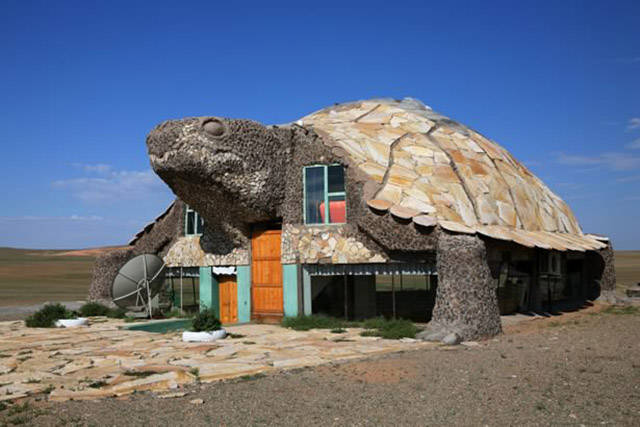
I searched for the location, and it turns out to be in the Gobi Desert in Monglolia. A Reddit commenter added this:
“Its not a house, but a restaurant by the Flaming Cliffs/Dinosaur fossil site in the Gobi Desert in Mongolia. It’s not as big as it looks, and this pic is quite old. It’s a bit dilapidated now. 44°10’31.54″N 103°41’49.39″E“
No GoogleMaps Street View – there ain’t no streets.
[Image found here.]
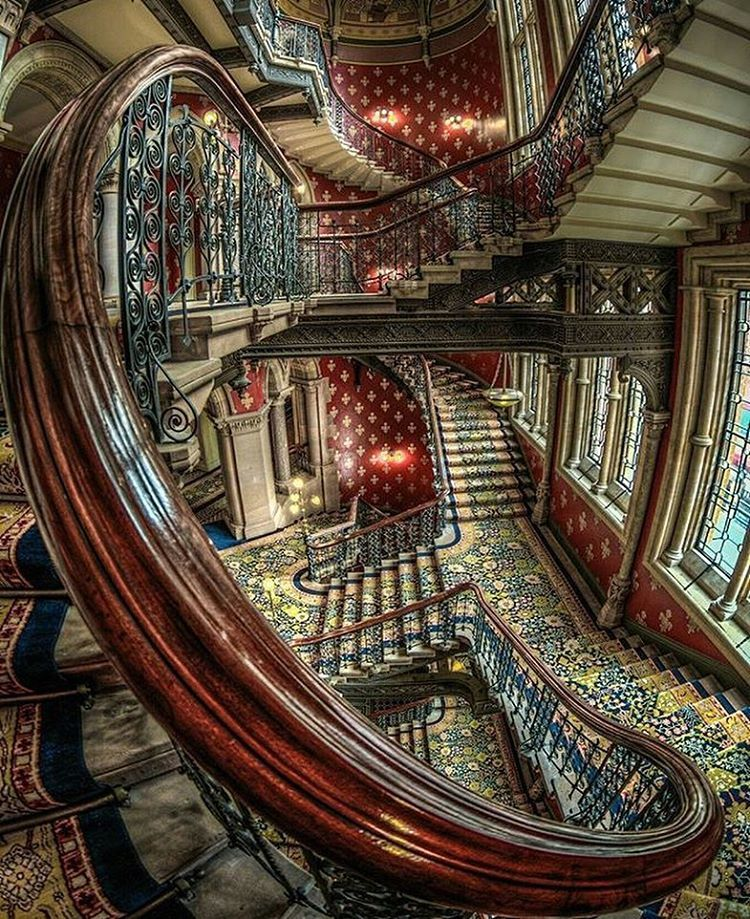
St. Pancras Renaissance Hotel, London. St. Pancras is the Patron Saint of Teenagers:
We have no reliable historical information about this martyr. Legend tells us he was born at the end of the third century and brought up by an uncle in Rome after the death of his parents. Both he and his uncle became Christians. Pancras was beheaded in 304 during Diocletian’s persecution. He was only 14 years old [via].
[Photo by Dan Hamilton, image found here.]
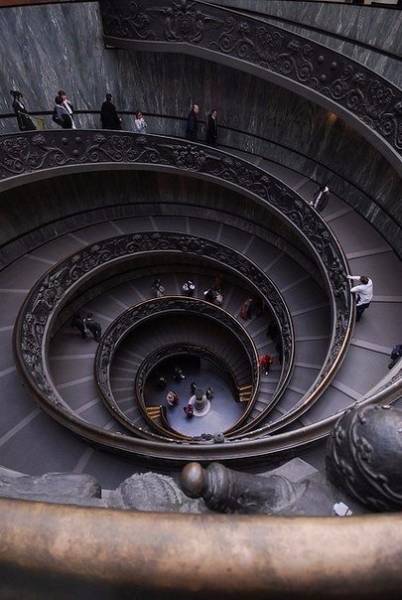
[Found in here.]

