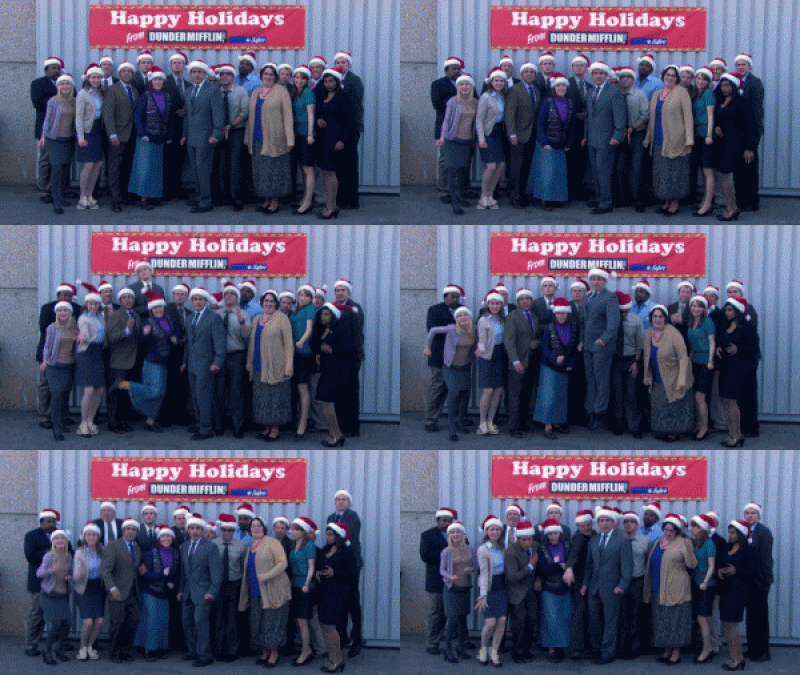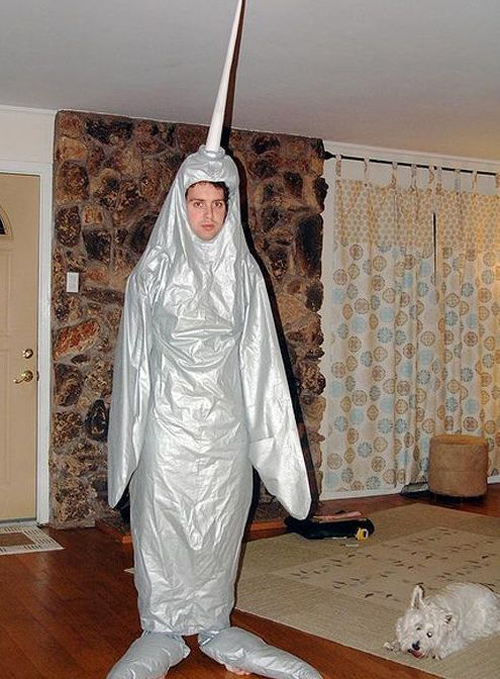
Goo Goo Goo Joob.
Note that the background decor is pure awesome and negates everything bad in the world.
[Found here.]

Goo Goo Goo Joob.
Note that the background decor is pure awesome and negates everything bad in the world.
[Found here.]
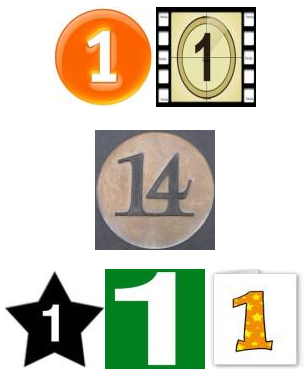
Day/Month
Year
Hour : Minute : Second
Numerical palindrome
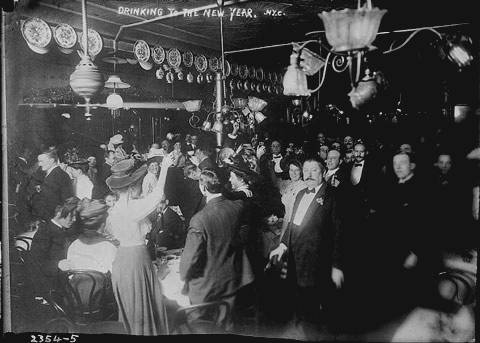 HAPPY NEW YEAR’S DAY
Another year has passed and we’d like to thank those who took precious minutes out of their lives to visit Tacky Raccoons. We don’t know who you are, but we know where you live. You’re good peeps.
We’re never sure how much traffic we get is real or from Russian bots attempting to break the spam blockade to sell cheap knockoff handbags and embiggification pills. Muchisimas grassyass to those of you who clicked the “like” button and/or who linked to this site – it reminds us that we’re not alone with the Russian bots.
As for those who took time to leave comments, donkey shane:
Amy Oops, Arnie, Audrey, berdi726, bill126, breakroomstories, Brian, Bunkarina, Calo, charlottecarrendar, Cindy, clementinegoesusa, complicatedpov, Dale Weeks, Dana, Dan Johanson, da_truth36, Dorcas, Duane Helton, ed, Emma, Ezekiel Fish, Feng, fluffstravels, Fritz, Gabriel, George Weaver, GP, IzaakMak, Jacky Torres, Jane, Jason B. Ladd, JMKhapra, Joe, John M., josephfromspain, kdub, kirk, laurendarcybruce, LC Aggie Sith, Lindy Jordan, Macker, Malik, mopowerdon, My father too served in England in WW2, NoNamePlease, oddboxcomics, Opinionated Man, otterhavver, planetross, Richard Huggins, RiverUnderWater, Sad Man’s Tongue: Rockabilly Bar & Bistro – Prague, Scout Paget, smartygal, Soylent Green, studentmissalexis, susank456, theliteraryhorse, The Necromancer, The Watcher, thomasnwafor , Tiki Man, Tony McGurk, VE, wheels, Xraypics, yourothermotherhere and zachandclem.
Happy New Year, folks. Wish you the best. — Bunk
The WordPress.com stats helper monkeys prepared a 2013 annual report for this blog.

Here’s an excerpt:
The Louvre Museum has 8.5 million visitors per year. This blog was viewed about 170,000 times in 2013. If it were an exhibit at the Louvre Museum, it would take about 7 days for that many people to see it.
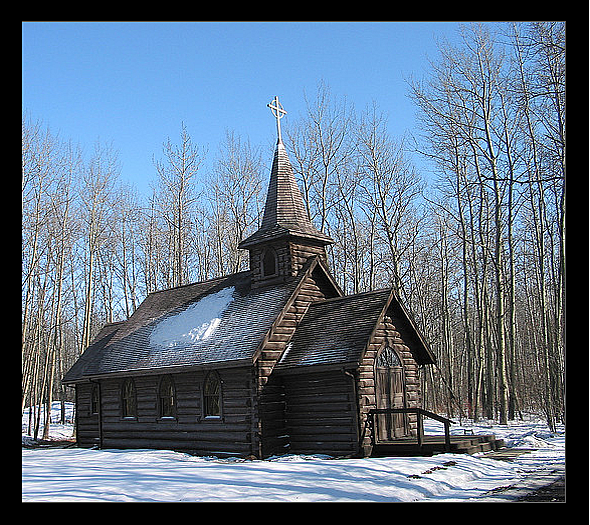
[Image from here.]
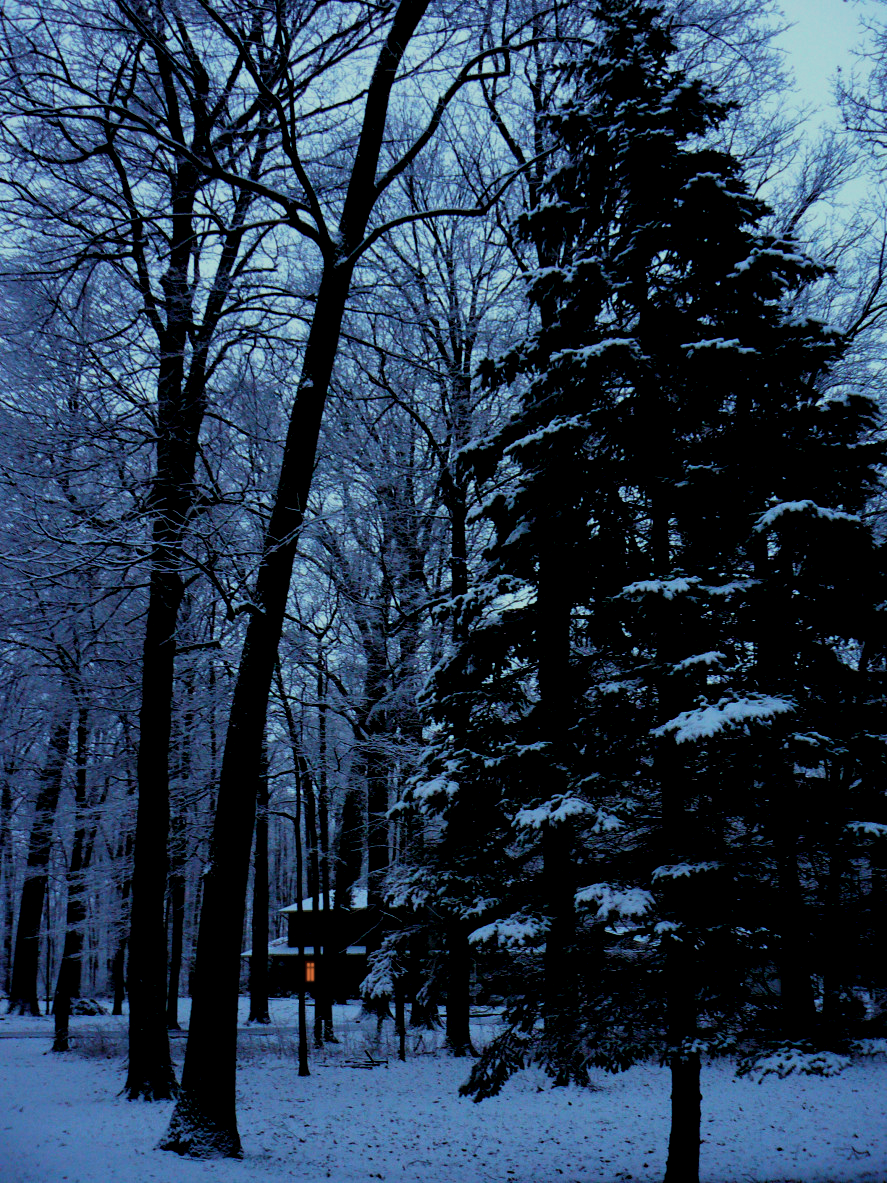
A ha! Christmas! By T. H. London, 1647.
Any man or woman . . . that can give any knowledge, or tell any tidings, of an old, old, very old gray-bearded gentleman, called Christmas, who was wont to be a verie familiar ghest, and visite all sorts of people both pore and rich, and used to appeare in glittering gold, silk, and silver, in the Court, and in all shapes in the Theater in Whitehall, and had ringing, feasts, and jollitie in all places, both in the citie and countrie, for his comming: . . . whosoever can tel what is become of him, or where he may be found, let them bring him back againe into England.
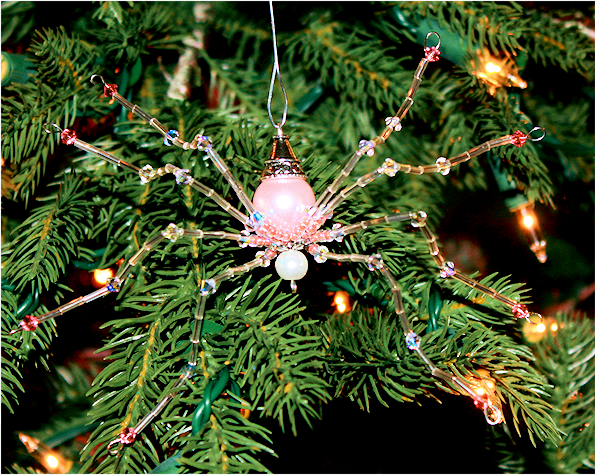
“An old European Christmas legend tells of a poor woman unable to provide the traditional decorations for the special holiday. A spider made his home in her tree and began to spin beautiful webs. On Christmas morning, the first light of sun struck the cobwebs, turning them to silver. When the woman awoke, she found the tree was covered with silver treasure. The spider had brought good fortune!”
[via]
Other versions claim it’s a German or Ukrainian tradition, and that either the Christ Child or Santa transformed the webs. Although I grew up in an area with a large German population, I never heard the story and can’t find an original source.
Yet, there IS such a creature called a Christmas Spider.
[Image found here.]
It’s not quite rockabilly, nor is it The Frankies (it’s apparently by someone named Fran Martin) but it’s awesome.
Scott Bradlee & Ben Golder-Novick.
The Bug Tussel Bluegrass Band‘s version is pretty good.
“Jingle Bells” […] was written by James Lord Pierpont (1822–1893) and published under the title “One Horse Open Sleigh” in the autumn of 1857. Even though it is now associated with the Christmas and holiday season, it was actually originally written to be sung for American Thanksgiving.b[Via Wiki]
Bells on horses were a wintertime safety measure to prevent collisions at crossroads – snow muffled the sound of horses’ hooves, and sleighs made little noise. The subsequent title is not about jingle bells, but is a command for the bells to jingle.
“Christmas Time In New Orleans” performed by The Dukes of Dixieland.
Now THAT is brilliant [via].
Have a great weekend, folks, and we’ll be back tomorrow for more festivities, frivolities y ¡Felicidades!