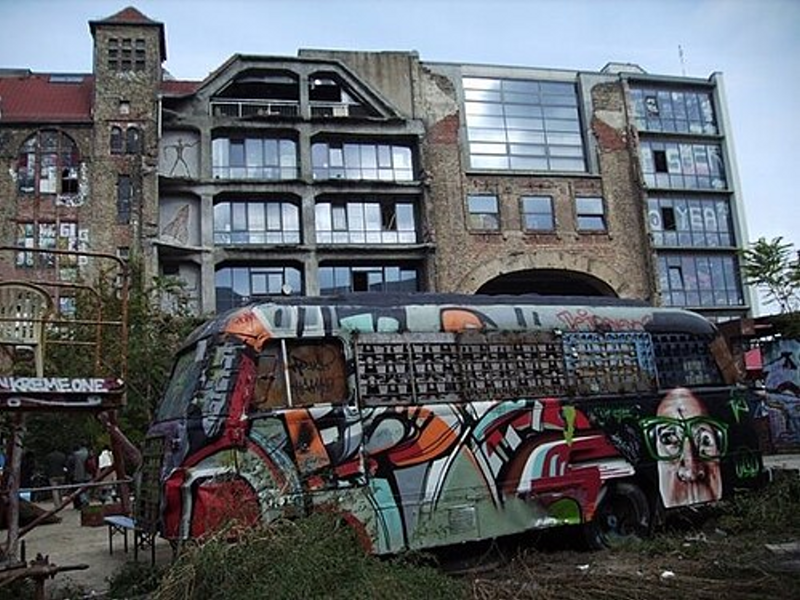
Kunsthaus Tacheles Graffiti

The former Kunsthaus Tacheles (Art House Tacheles) in Berlin, Germany, was a large art center and squatters’ building located in the Mitte district. The building sat in a “no man’s land” near the Berlin Wall during the communist era and was taken over by artists after the wall fell in November 1989. It served as a hub for studios, workshops, a nightclub, and a cinema, with its walls covered in extensive graffiti and street art. The art center was eventually evicted and closed in 2013, though the building itself remains a landmark of Berlin’s post-Wall art scene.

The Story of Kunsthaus Tacheles is an homage of sorts, with a documentary trailer that includes brief interviews with some of the artistic squatters.

[Images found in here; click for full-size. Caption from Google AI.]
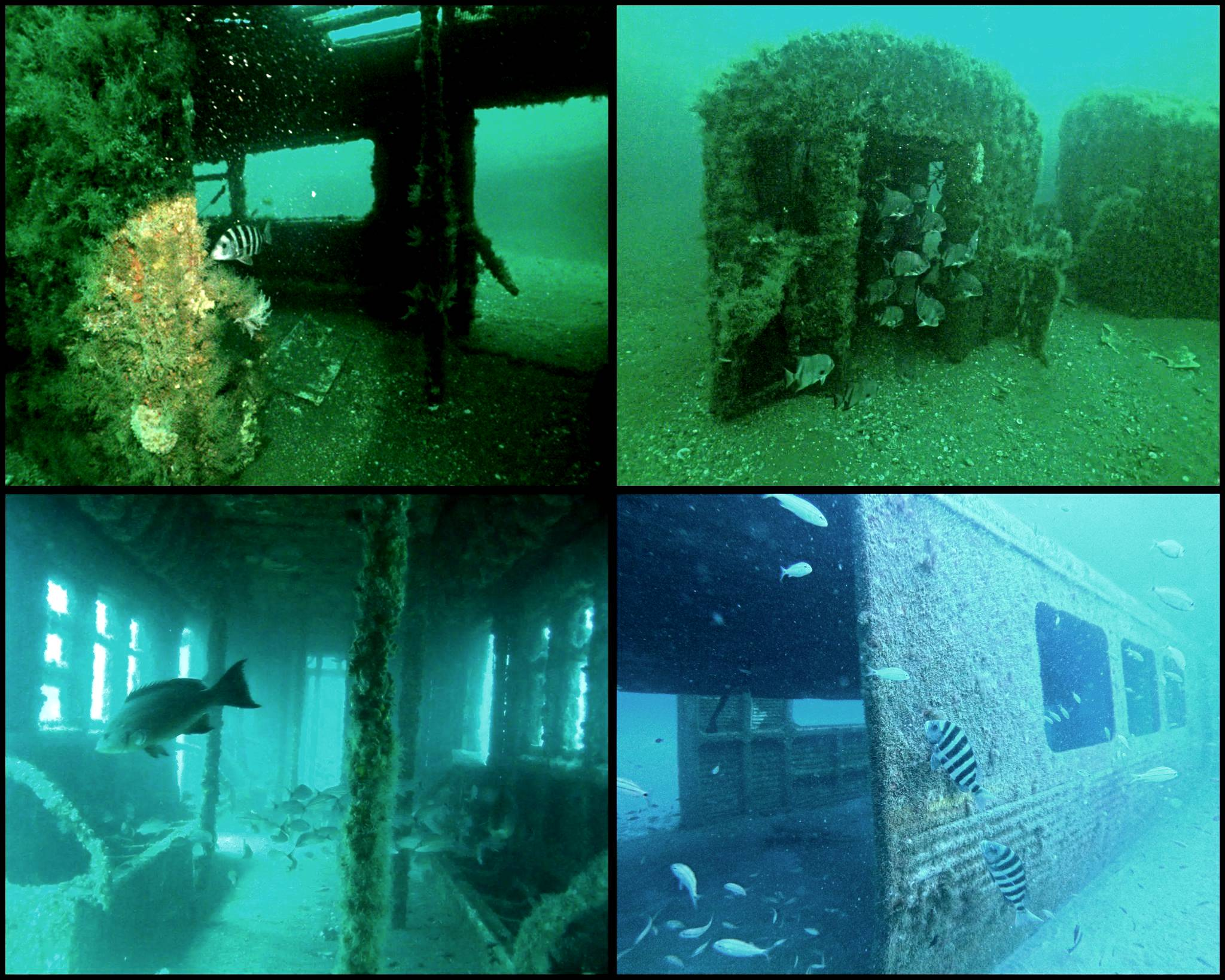
Subway Reefs

The New York City Metropolitan Transit Authority (MTA) deposited thousands of retired subway cars into the Atlantic, and used them to create artificial reefs off the coasts of New Jersey, Delaware, Maryland, Virginia, South Carolina, and Georgia.

The reefing program began with the mass decommissioning of “Redbird” cars in 2000, followed by the “B-Division/Brightliner” cars. From 2001 to 2003, 1,269 carbon steel Redbird cars were cleaned, stripped to the shells, and sunk. From 2008 to 2010, 1,311 of the stainless steel “B-Division/Brightliner” cars settled on the ocean floor. The program came to a close on Earth Day in 2010.

No passengers were harmed during the process (yet some complained.)

[Images found here in response to RBON on FB. More info here.]

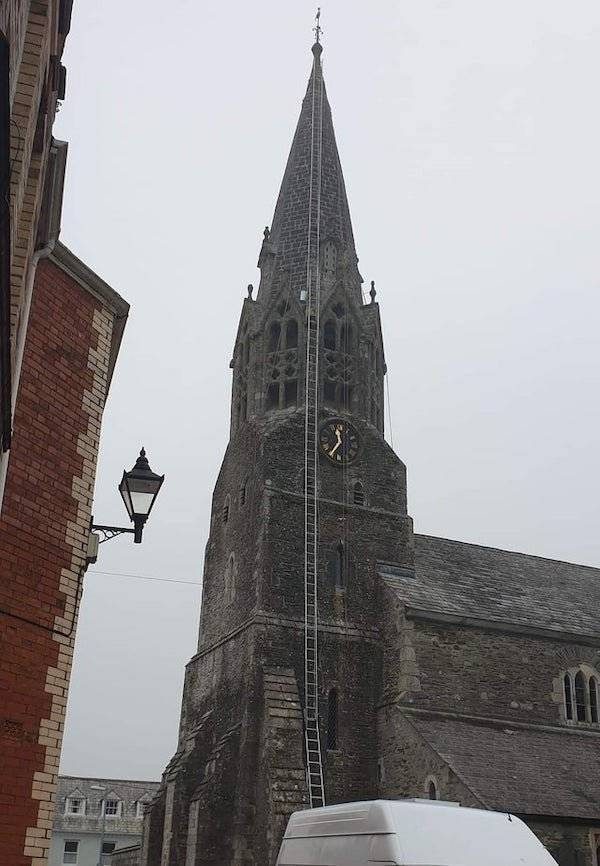
“The vane squeaks,” said Reverend Paul. “Fix it.”

Church of St. Bartholomew (aka Saint Bart’s) is in the town of Lostwithiel, Cornwall, England. The church’s origins date back to the medieval period.

    • The first mention of the church appeared around 1220AD.
    • The earliest surviving part is the tower, which dates from the 13th century.
    • The main body of the present church was largely built around 1300AD (early 14th century in Early English Gothic style), with the spire added in the early 14th century, and other parts (like aisles) from the later 14th century.

[Image found here.]

Living on the Edge

No one ever came home drunk.
Atule’er Cliff Village in Sichuan Province, China, where wooden homes cling to sheer cliffs accessed by 800-meter bamboo ladders, highlighting the daily risks for over 80 resident families

The ladders have since been replaced with stairs.
[Photo found here, description via GROK.]

Authentic Saloon Decor

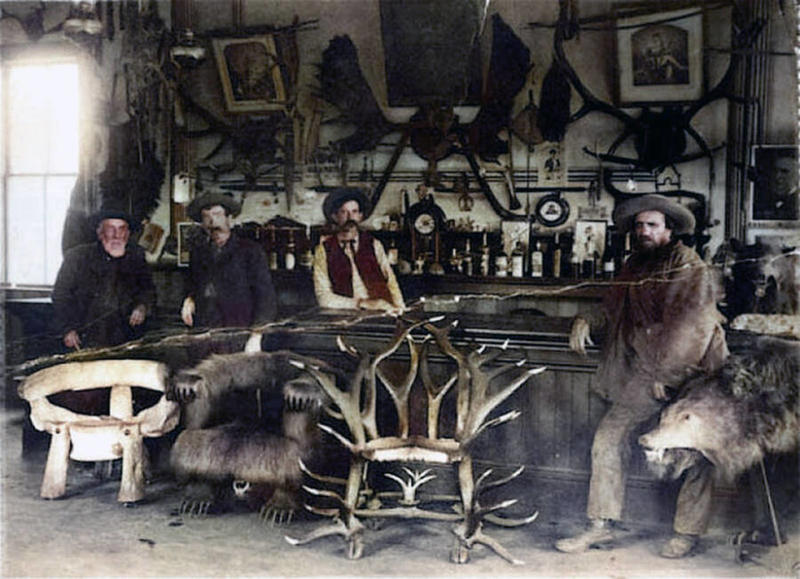
The Table Bluff Hotel and Saloon, Humboldt County, California. 1889

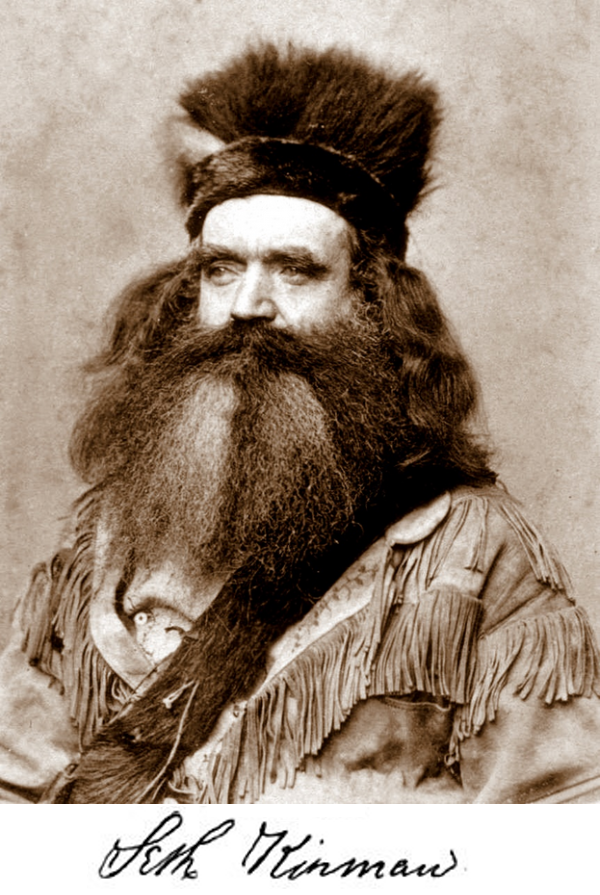
Seth Kinman (September 29, 1815 – February 24, 1888) was an early settler of Humboldt County, California, a hunter based in Fort Humboldt, a famous chair maker, and a nationally recognized entertainer. He stood over 6 ft (1.83 m) tall and was known for his hunting prowess and his brutality toward bears and Indian warriors. Kinman claimed to have shot a total of over 800 grizzly bears, and, in a single month, over 50 elk. He was also a hotel keeper, saloon keeper, and a musician who performed for President Lincoln on a fiddle made from the skull of a mule.

[Interior of Seth Kinman’s Table Bluff Hotel and Saloon in Table Bluff, California, 1889, found here.]

TRENDING OHIO

[Full story w/ update and video found here.]

Tumbletown

Puzzle Tirana, Albania
If built, the high-rise will be composed of stacked volumes that are intended to resemble the shape of the archetypal village house with a gabled roof.”

Located on Rruga Medar Shtylla, near Tirana’s city lake, Puzzle Tirana sits on a 75 x 25-meter lot in a densely built urban area. The design reflects Albania’s transition from rural homes to modern apartments, embodying the city’s rapid growth. The tower will replace an existing structure and introduce:

    • 160 apartments ranging from 70 to 130 m²
    • A hotel integrated within the lower levels
    • A commercial area on the first two floors

Designed by Network of Architecture (NOA) and Atelier4.
[Photos and more found here.]

What a Low Blow

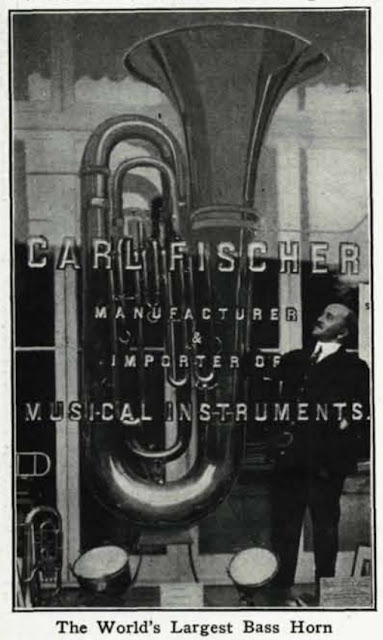
Built by Bohland & Fuchs in 1912, the sub bass uber tuba was nicknamed “Big Carl” and was housed at the offices of Carl Fischer, Inc., New York, NY.

[Top photo from 2014 found here via here; bottom photo and history here.]


UPDATE: Video h/t Corrine L.

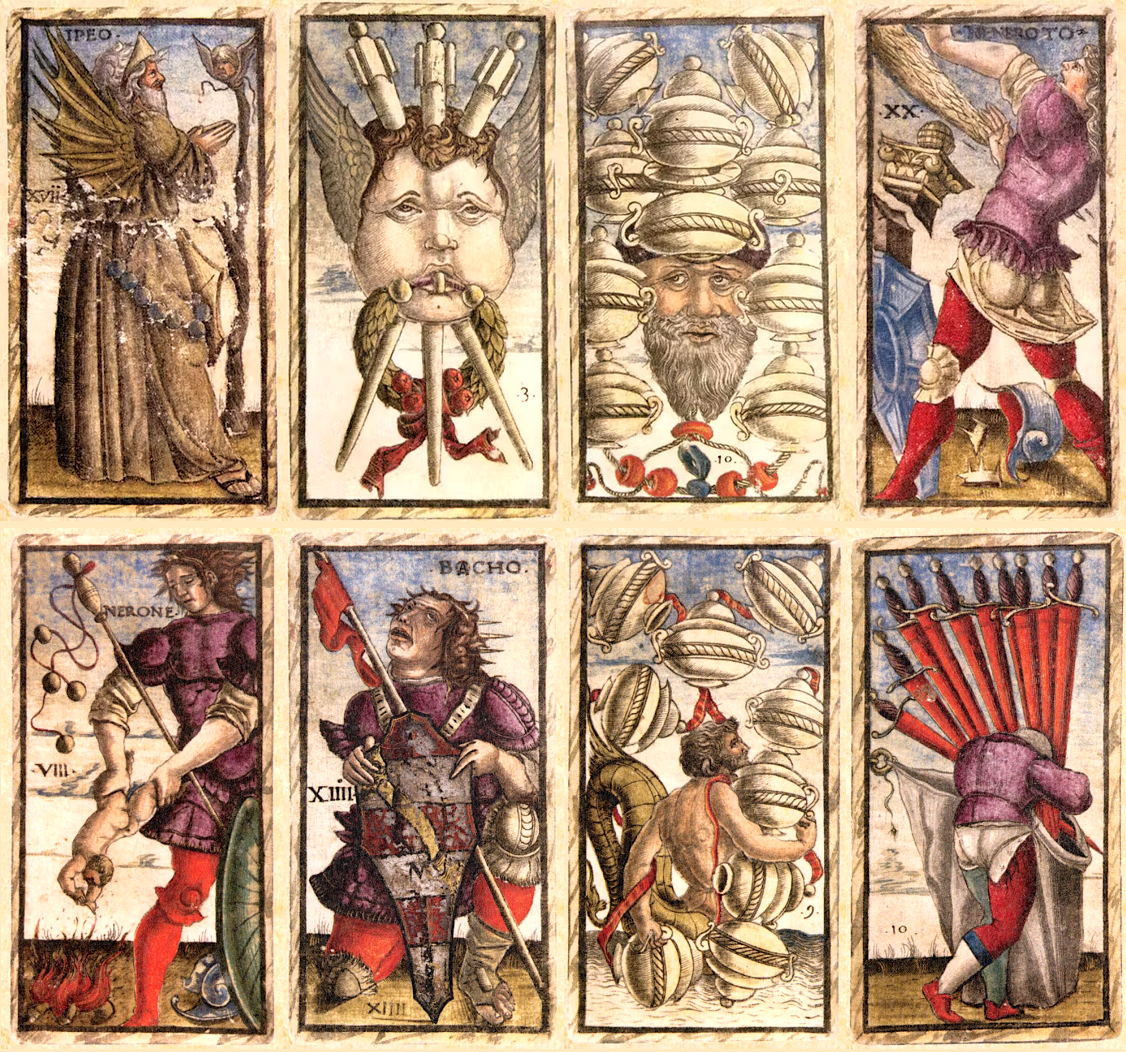
Sola Busca Tarot (1491)

Considered the oldest complete seventy-eight card tarot deck in existence, the Sola Busca — named for the family of Milanese nobles who owned it for some five generations — was the first to be produced using copperplate engraving. It is also the earliest known tarot deck that illustrates the Major and Minor Trumps in the way that has become the standard, with characters and objects depicting allegorical scenes. In the Renaissance era this would have been revolutionary, while, today, some of these cards may seem familiar.

[Full size images and the history of the deck found here.]

Horn Cupping

“In traditional African medicine, a form of cupping therapy was practiced long before modern glass or silicone cups were introduced. Instead of using cups, healers used hollowed-out buffalo horns. These horns were heated and then placed on the skin to create suction, drawing out what was believed to be toxins or bad energy from the body. This method not only reflects the deep medicinal knowledge of ancient African cultures but also highlights how natural materials were skillfully adapted for healing purposes.”

[Uncolorized image with story found here.]