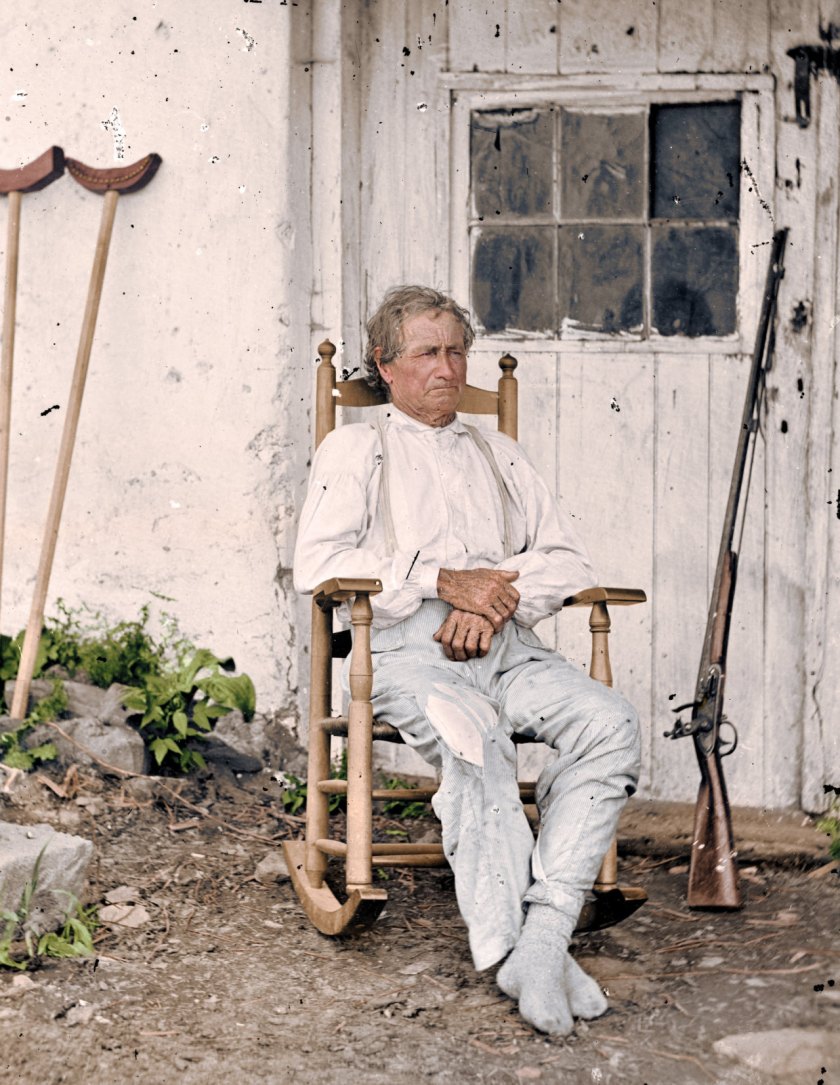
John L. Burns

“On the afternoon of July 1, 1863, as the tide of gray soldiers pushed forward towards town, a 69 year old defender confidently strode towards the expanding struggle. A veteran of the War of 1812, John Burns could not simply stand idly by as his home became a hotly contested battle ground. Moving in with the somewhat incredulous men of the Iron Brigade, the near 70 year old Burns fought along side men 50 years his junior. With them he would remain until wounded. Although the Southerners would capture the ground of the McPherson farm that he helped to defend, with assistance from his Union Army comrades, Burns found his way home where he recovered from several wounds received that day. A few months later, John Burns would have the honor of meeting and walking with President Abraham Lincoln when, in November of that year, Lincoln offered his few appropriate remarks to the dedication of the soldiers national cemetery.

Union Lieutenant Frank Haskell, also present for the battle, wrote of his brief contact with Burns. “I saw “John Burns,” the only citizen of Gettysburg who fought in the battle, and I asked him what troops he fought with. He said: “O, I pitched in with them Wisconsin fellers.” I asked what sort of men they were, and he answered: “They fit terribly. The Rebs couldn’t make anything of them fellers.”

And so the brave compliment the brave. This man was touched by three bullets from the enemy, but not seriously wounded.”


According to Burns’s biography in Appleton’s Cyclopedia, during the last two years of his life his mind failed, and his friends were unable to prevent his wandering about the country. He was found in New York City on a cold winter’s night in December 1871, in a state of destitution, and was cared for and sent home, but died of pneumonia in 1872.


[More about John L. Burns here. Colorized image found here, story here. Not sure why the farmhouse photo is distorted.]
Hey, Mr. Spaceman.

Rotated, stretched, cropped, inverted & adjusted colors, all because I saw a face. Undoctored image found here.

Continue reading “Hey, Mr. Spaceman.”

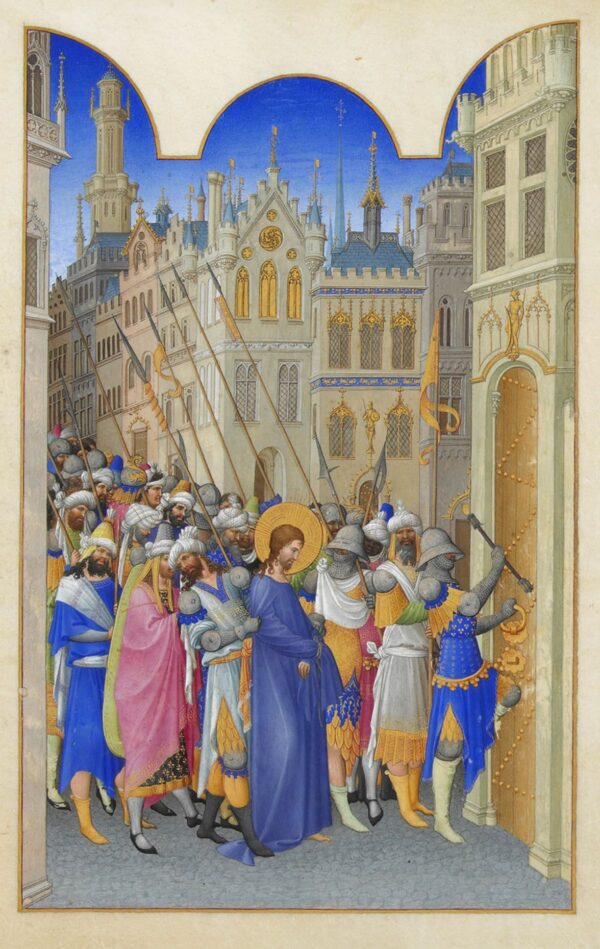
Christ Being Led to the Praetorium

“Christ Being Led to the Praetorium,” from “The Very Rich Hours of the Duke of Berry,” Folio 143, back; between 1412 and 1416, by the Limbourg brothers. Tempera on vellum. Condé Museum, France.

[Found here.]

What a great run.

“We are—and must always be—a land of hope, of light, and of glory to all the world. This week we inaugurate a new administration and pray for its success in keeping America safe and prosperous. We did what we came here to do—and so much more. Above all, we have reasserted the sacred idea that in America, the government answers to the people.

We restored the idea that in America, no one is forgotten—because everyone matters and everyone has a voice. I took on the tough battles, the hardest fights, the most difficult choices—because that’s what you elected me to do. Our agenda was not about right or left, it wasn’t about Republican or Democrat, but about the good of a nation, and that means the whole nation.” – President Donald J. Trump

https://www.whitehouse.gov/trump-administration-accomplishments/

https://www.frcaction.org/accomplishments


Update: The White House list of President Trump’s accomplishments has been scrubbed as of the morning of 20 January 2021. Here it is, unedited and in its entirety.

Continue reading “What a great run.”

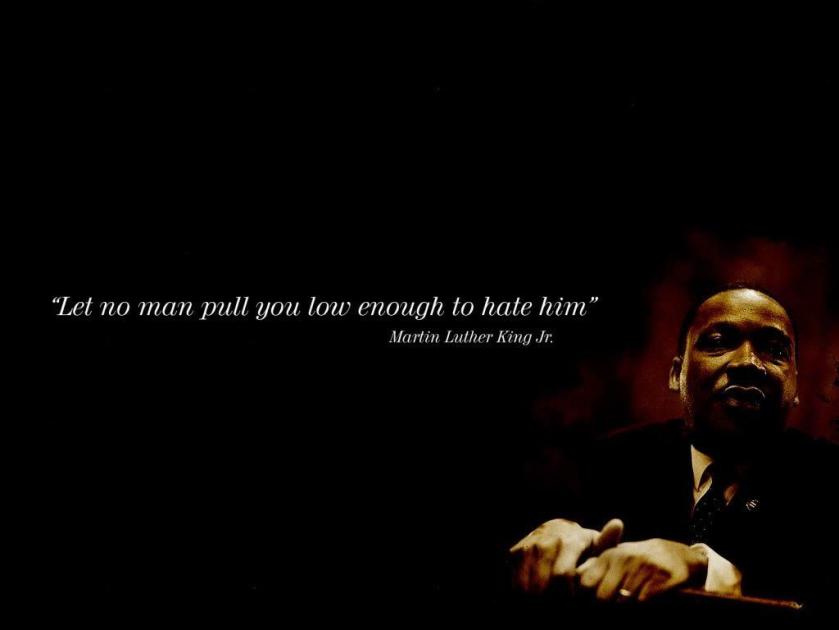
15 January 1929 – 4 April 1968

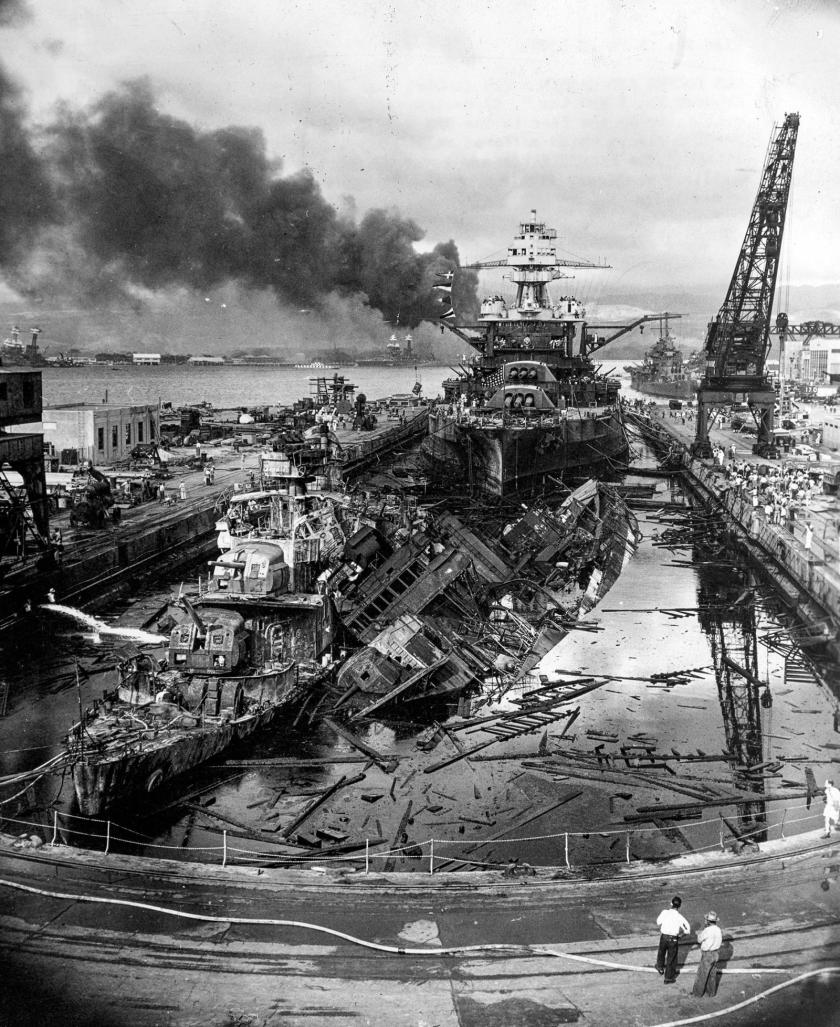
Remember Always – 7 December 1941

In a flooded drydock, the destroyer USS Cassin lies partly submerged and leaning against another destroyer, the USS Downes, with the battleship USS Pennsylvania relatively undamaged in the rear, following surprise Japanese attack. (Photo by Time Life Pictures/US Navy)

[Image from USNI Proceedings January 1961. Related posts here.]

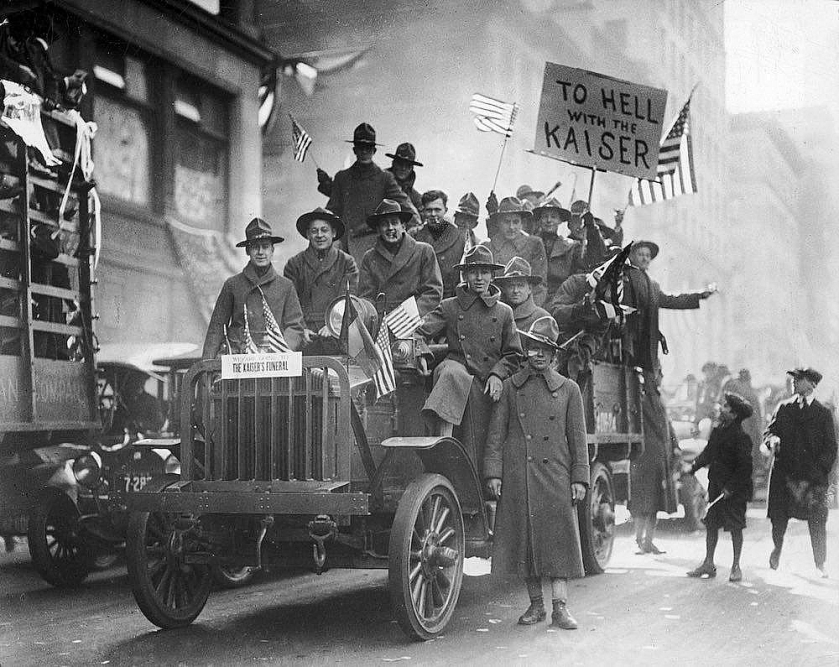
Armistice Day: The 11th Hour of the 11th Day of the 11th Month of 1918

[Previously posted here. Related posts here.]


The sign on the front of the truck reads, “The Kaiser’s Funeral.”

26 September 1918

“We are in a camp near Auzeville and the big drive is to start. In fact the one that finished the ‘Boches’. Then the morning of the 26th dawned but dawn was preceded by a terrific barrage which was as loud as thunder and lighted up the whole skyline for miles. We were not flying ours but were held in reserve. Hundreds of “planes” were now flying over head. One bunch had over 150 in it.

Along about 8 a.m., along comes a boche plane and he burned three of the balloons all observers landed safe but one and his parachute burned and he fell to his death.

A fellow by the name of Barnett and I started out to see the fun. Put our guns on and started for the front line trenches which were about 5 miles north. After a short while we hit the trenches but of course our boys had advanced and were chasing the boche for a fare you well. We hit several mine craters where the boche had mined the roads but already our engineers had started to budge them. After another hour’s walk and dodging a few pieces of shrapnel we hit the town of Varennes and were keen for souvenirs. The boche were still in one side of the Varennes and we were in the other.

Machine guns were crackling with a steady roar and long streams of ambulances carrying away the wounded. Dead Boche were laying every where. The roads were filled with them. Long about then a Boche 77 took my ….. but never touched us. Then we started going through the dugouts and it was there that I got the general’s helmet. Also was almost lucky enough to capture a Jerry but a doughboy beat me to it. He was hiding in a dug out. Looked like he wasn’t as old as “Bugs” and he was scared almost to death.

After monkeying around a while we hopped an ambulance and rode back toward Auzeville. So that finished the day’s fun. But you ought to have seen the dead Huns. Some had legs blown off. Some had their heads and shoulders off and some were in pieces only. A great many had been burned by mustard gas and were burned to a crisp.”

PFC Walter Myers, age 19, US Army Signal Corps

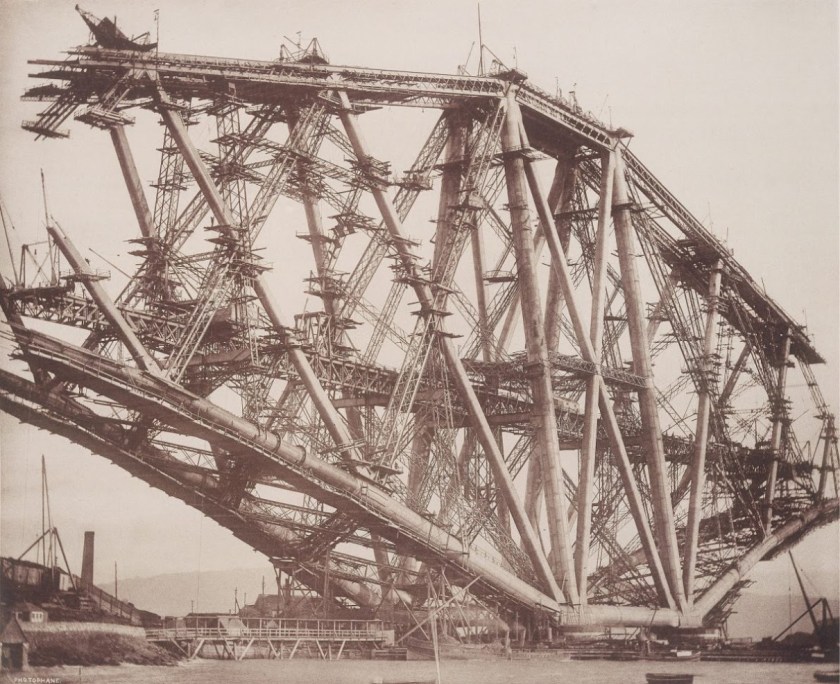
The Fife Cantilever

‘The Fife cantilever’, c 1880s.

Photograph of the construction of the Forth Railway Bridge in Scotland. Undoubtedly Britain’s most famous railway landmark, The Forth Bridge was opened by HRH The Prince of Wales in March 1890 following eight years of building, and completed the east coast railway route between London and Aberdeen. It spans the Firth of Forth, joining the city of Edinburgh and Fife in Scotland. The bridge was designed by Sir John Fowler and Sir Benjamin Baker, and built by engineer Sir William Arrol. It contains almost 54,000 tons of steel and when completed, the 1.5 mile long bridge was the biggest in the world. It is the world’s oldest cantilever railway bridge and remains in use to this day.

[Image from Feral Irishman‘s awesome rotating banner. Description from here.]

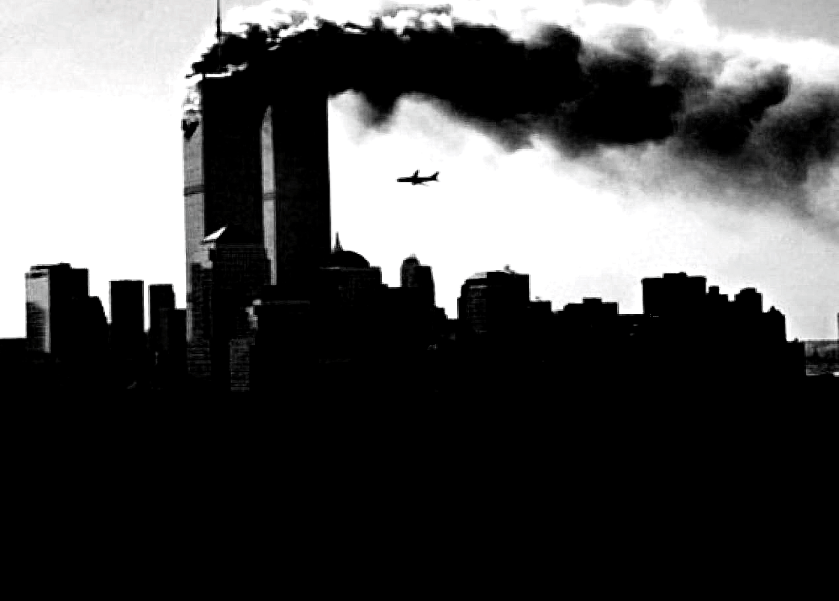
11 September 2001 – REMEMBER ALWAYS

LISTEN.


[More HERE.]

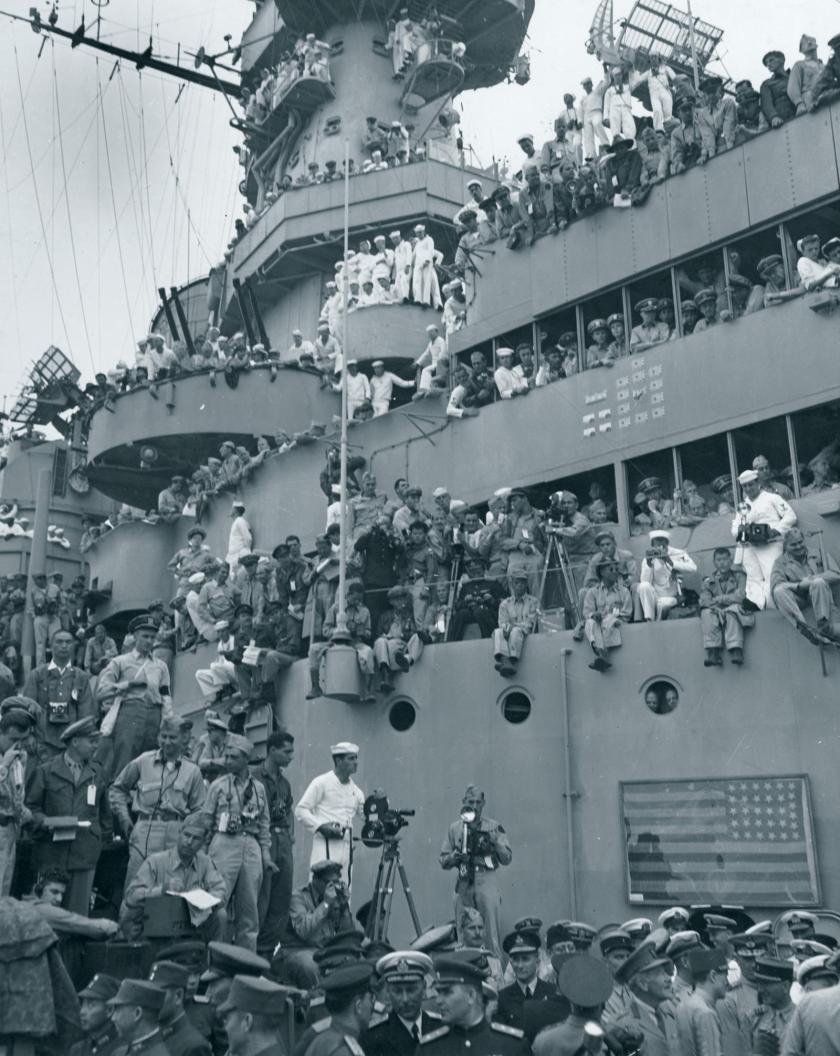
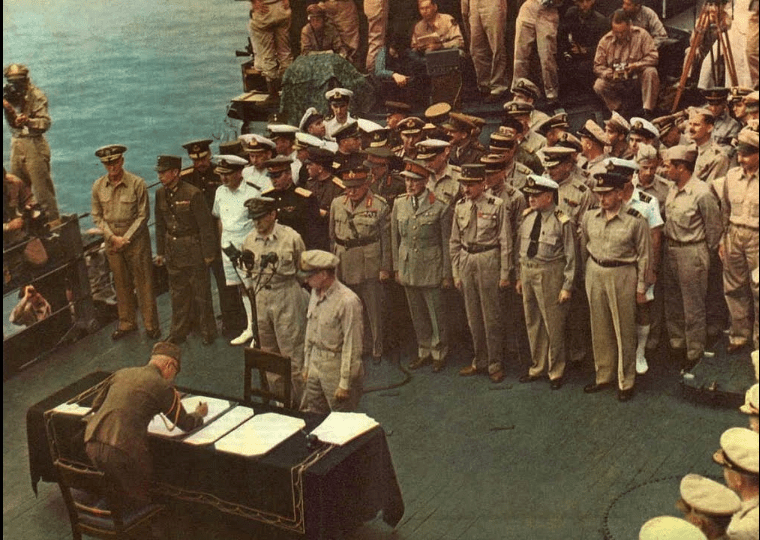
75 Years Ago Today

Video begins at about 01:50. Top image found here.