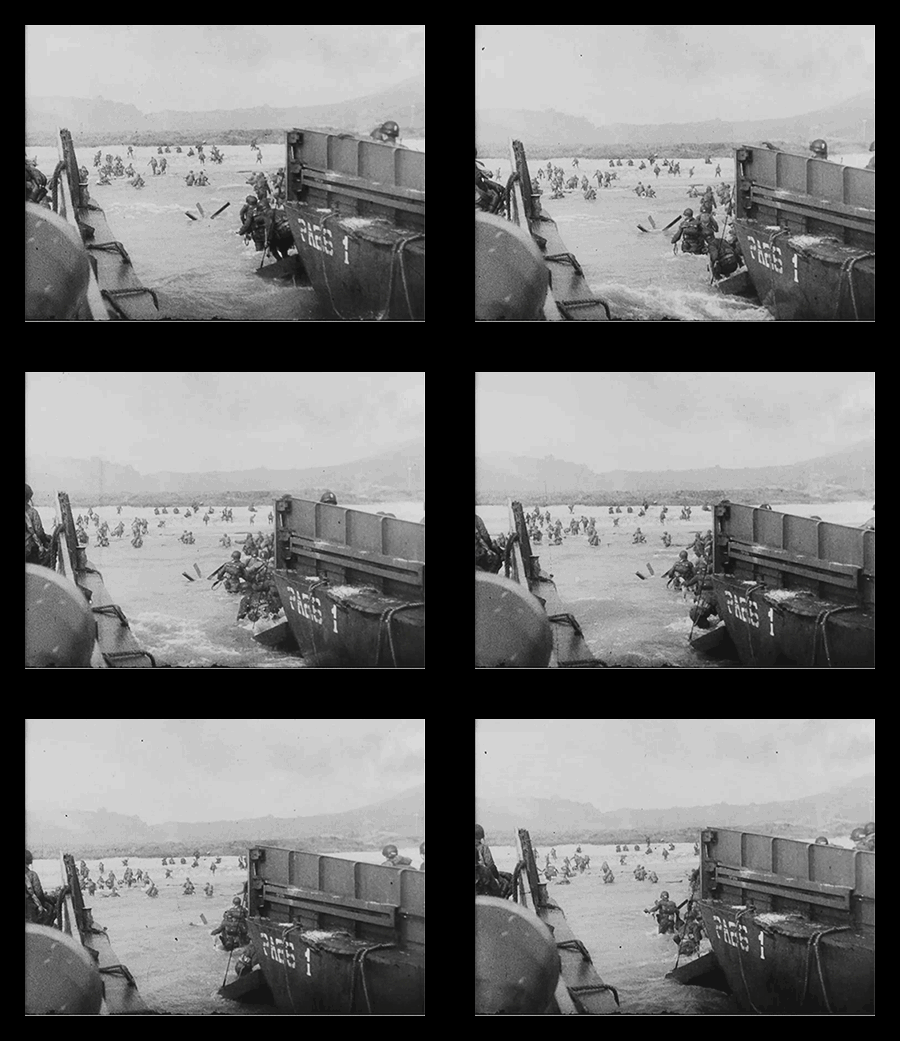
Many lives were lost
to save the lives of many more.

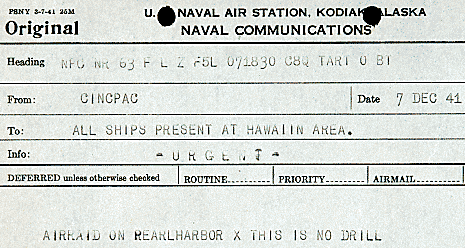
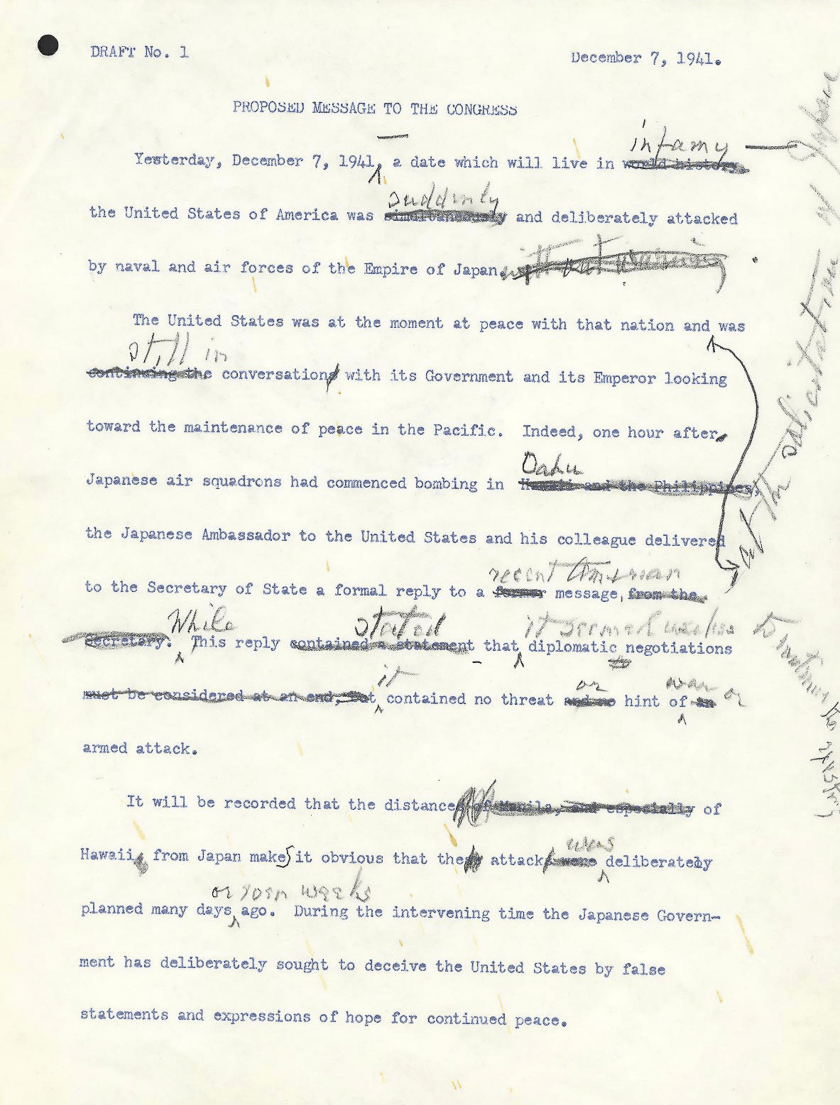
Annotated Draft of “Day of Infamy” Speech: Joint Address to Congress Leading to a Declaration of War Against Japan by Franklin D. Roosevelt, December 8, 1941.
The USS Macon was an aircraft carrier that sank stern-down off the coast of Point Sur California during a violent storm in 1935. There were surprisingly few casualties, and those she sustained were due to human error. One jumped to his death, another returned to the sinking wreck to retrieve his personal belongings. All other crew members survived.
The Macon was not an attack vessel. Its purpose was to provide long-range surveillance of the Pre-WWII Japanese navy, and it sunk because this aircraft carrier was not designed to float on water. Some of her aircraft had no landing gear either, because the ship had no landing deck.
TRUE.
Puzzle this one out for yourselves before you click.
[Explanation, images and source links below the break.]
Continue reading “The Wreck of the Aircraft Carrier USS Macon”
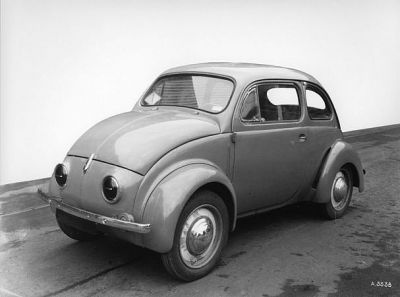
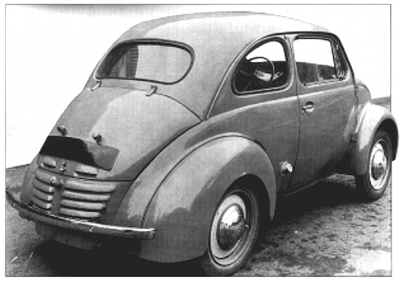
Take a guess as to what it was – the answer’s below the break. Continue reading “The Bug That Wasn’t A Bug But Was.”
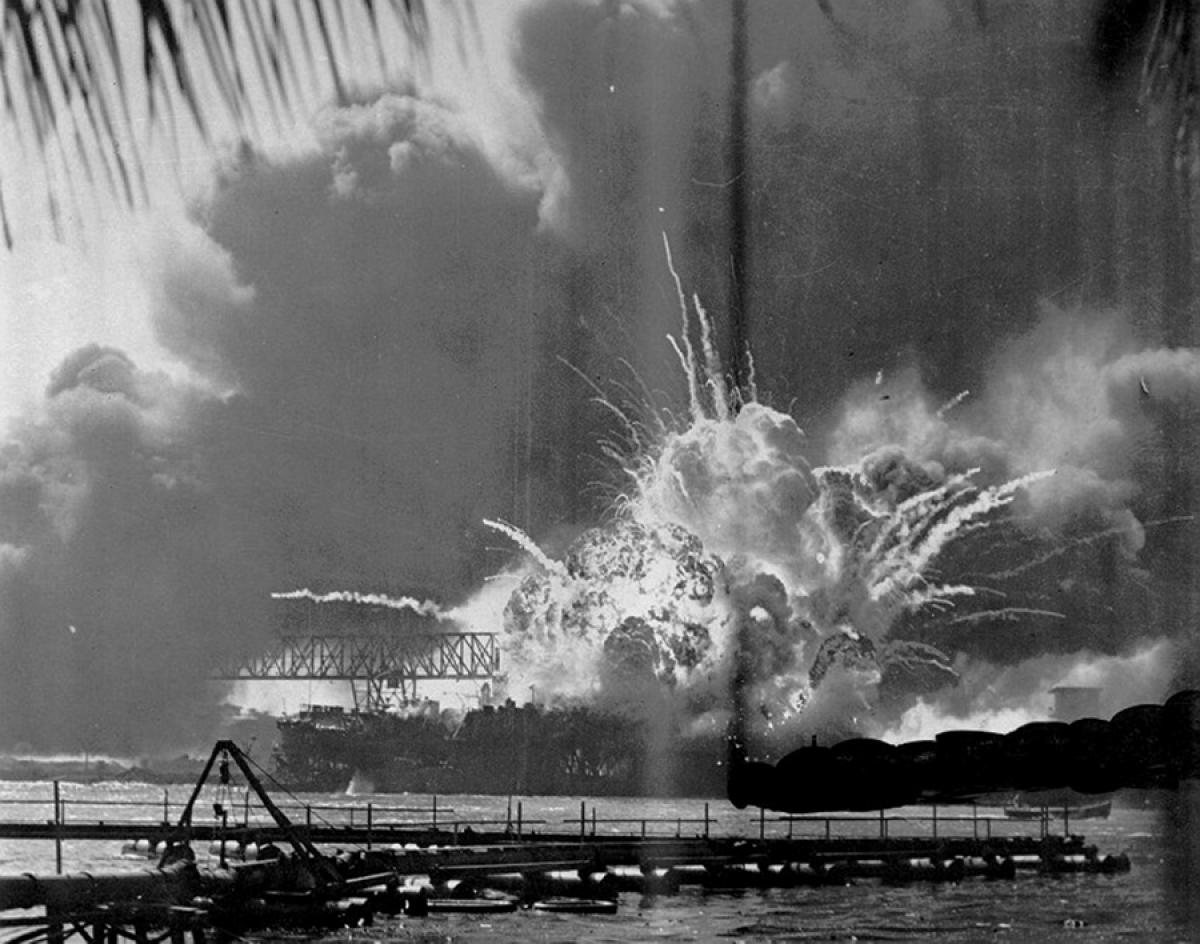
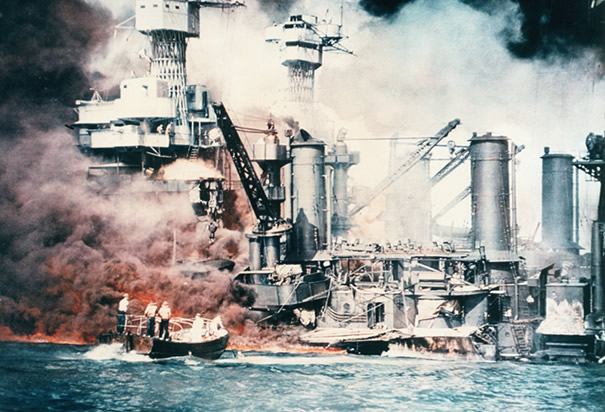
There was no Declaration of War until after the attack.
The United States of America was cold-cocked and sucker-punched on this date 73 years ago mostly due to the ignorance and ineptitude of C students in Washington D.C.
May God Bless the souls who gave their lives in voluntary sacrifice; and May God Bless the living who selflessly protect our Country from those who wish us dead.
[7 December 1941 archives here.]
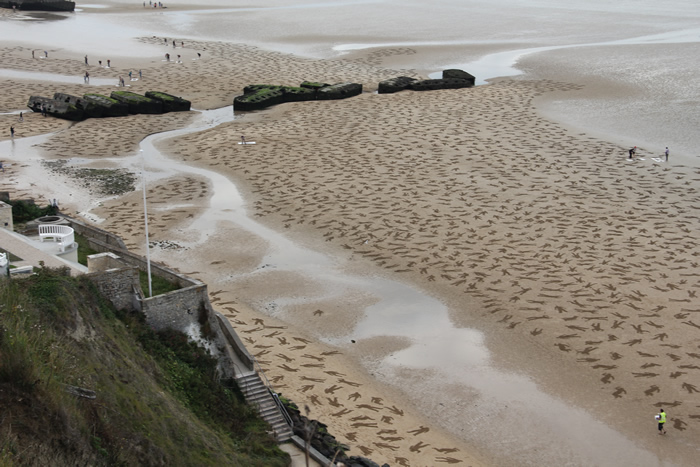
“The objective was to make a visual representation of 9000 people drawn in the sand which equates the number of Civilians, Germans Forces and Allies that died during the D-day landings, 6th June during WWII as an example of what happens in the absence of peace.
“There will be no distinction between nationalities, they will be known only as ‘The Fallen’. It does not propose to be a celebration or condemnation, simply a statement of fact and tribute to life and its premature loss.” [via]
The creators’ motives appear to be honorable. Although the work was temporary, it’s stunning – a visual example of the thousands of lives sacrificed in the name of Freedom. As bloody and violent as it was, this particular D-Day and H-Hour was the beginning of the end to violent warfare in Europe.
Was there fear on 6 June 1944? With out a doubt, yet the men who selflessly stormed the beaches and cliffs of Normandy had amazing courage and unimaginable fortitude to fight for what they believed in against incredible odds.
And they won.
[Archive for our D-Day tributes here.]
 Tacky Raccoons