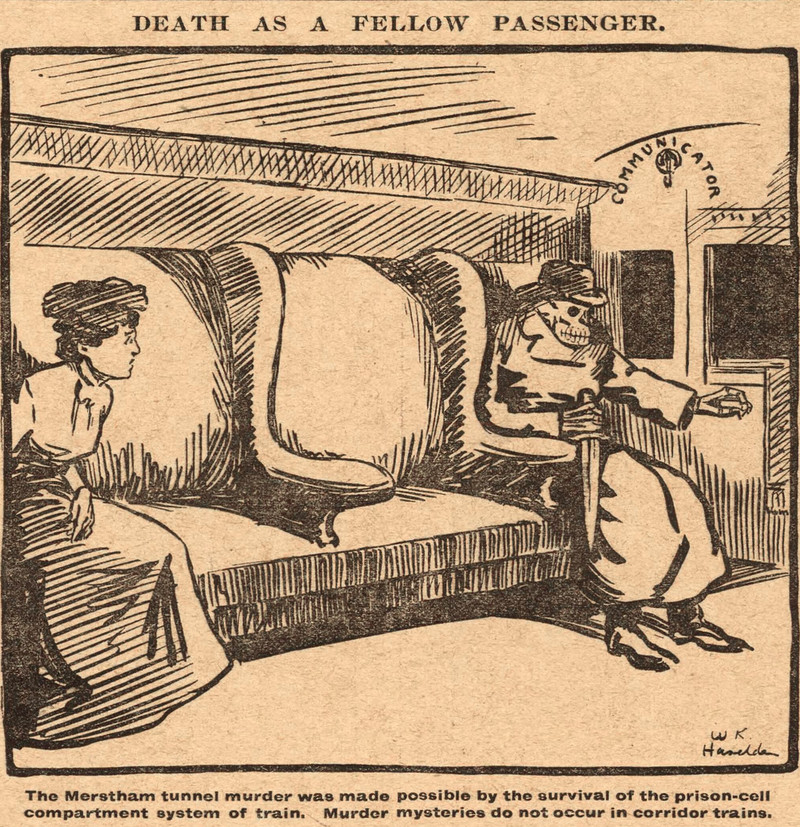
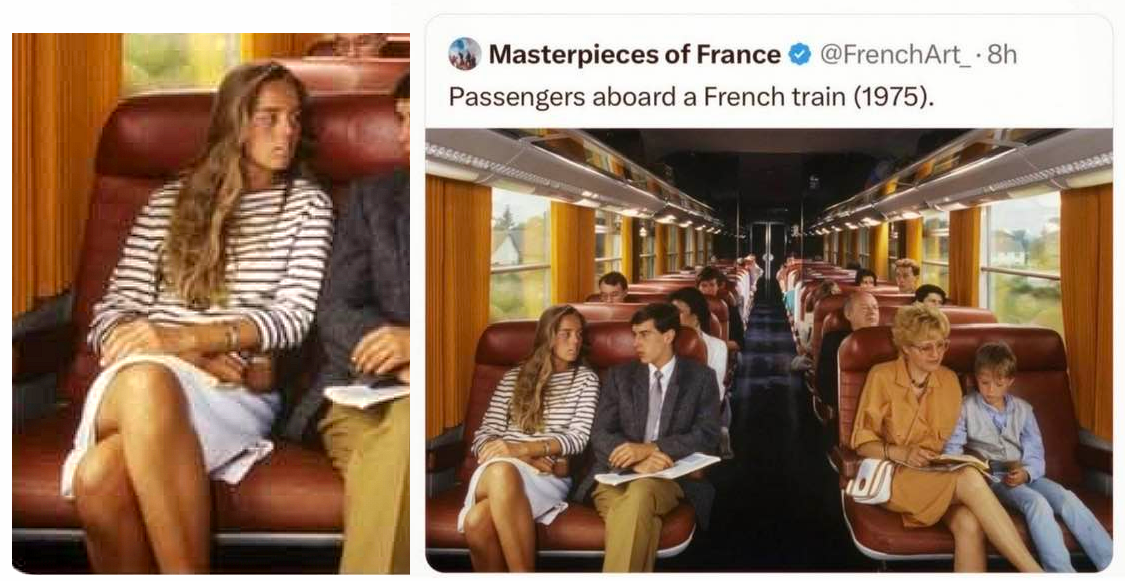
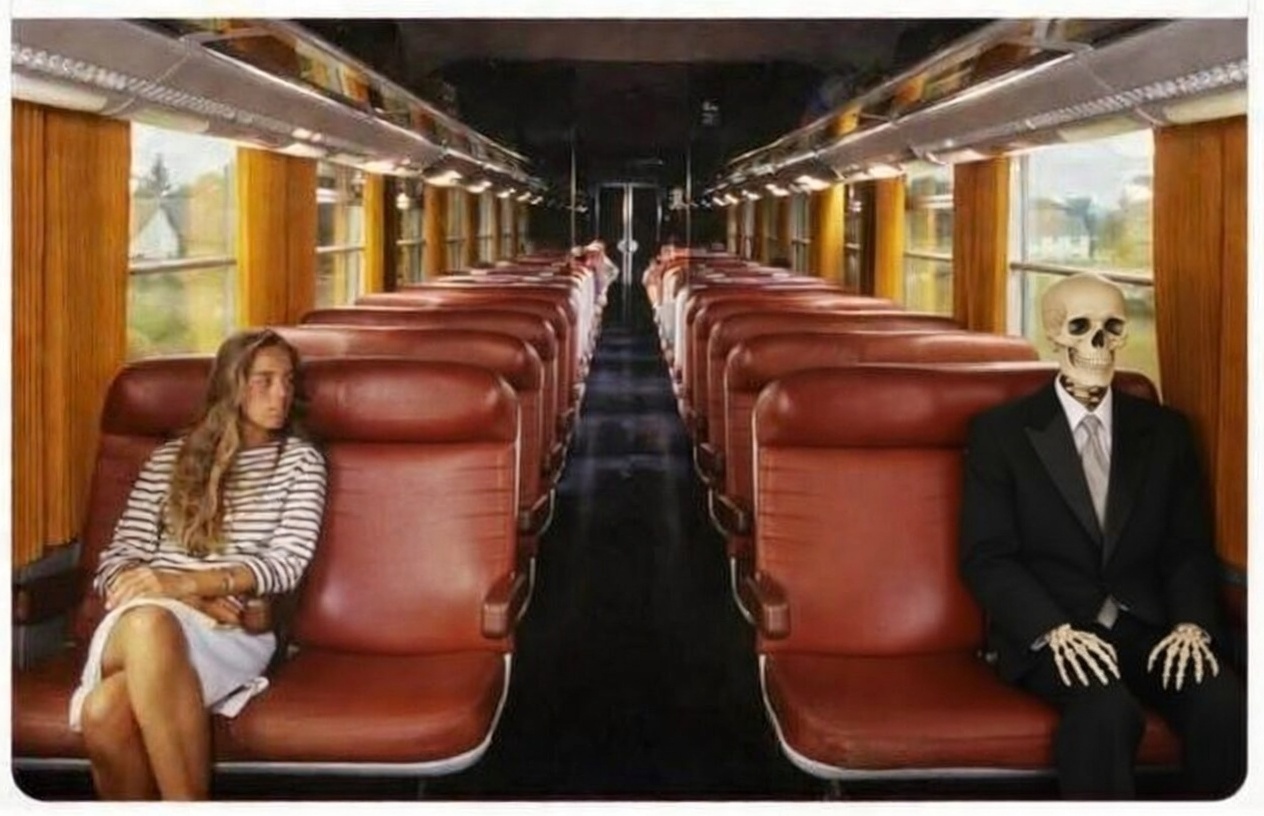
[Found here; unmodified Xweet from here. The story of the unsolved 1905 Merstham Tunnel Murder is here.]

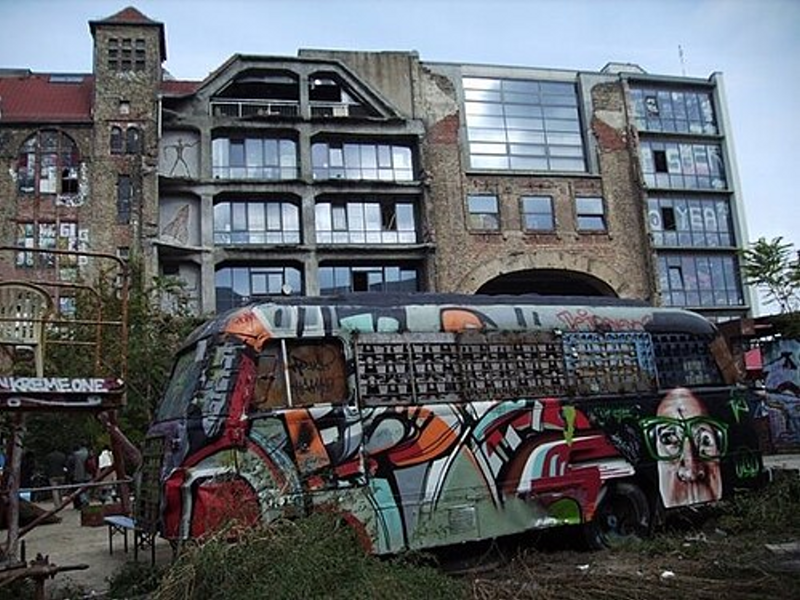


The former Kunsthaus Tacheles (Art House Tacheles) in Berlin, Germany, was a large art center and squatters’ building located in the Mitte district. The building sat in a “no man’s land” near the Berlin Wall during the communist era and was taken over by artists after the wall fell in November 1989. It served as a hub for studios, workshops, a nightclub, and a cinema, with its walls covered in extensive graffiti and street art. The art center was eventually evicted and closed in 2013, though the building itself remains a landmark of Berlin’s post-Wall art scene.
The Story of Kunsthaus Tacheles is an homage of sorts, with a documentary trailer that includes brief interviews with some of the artistic squatters.
[Images found in here; click for full-size. Caption from Google AI.]
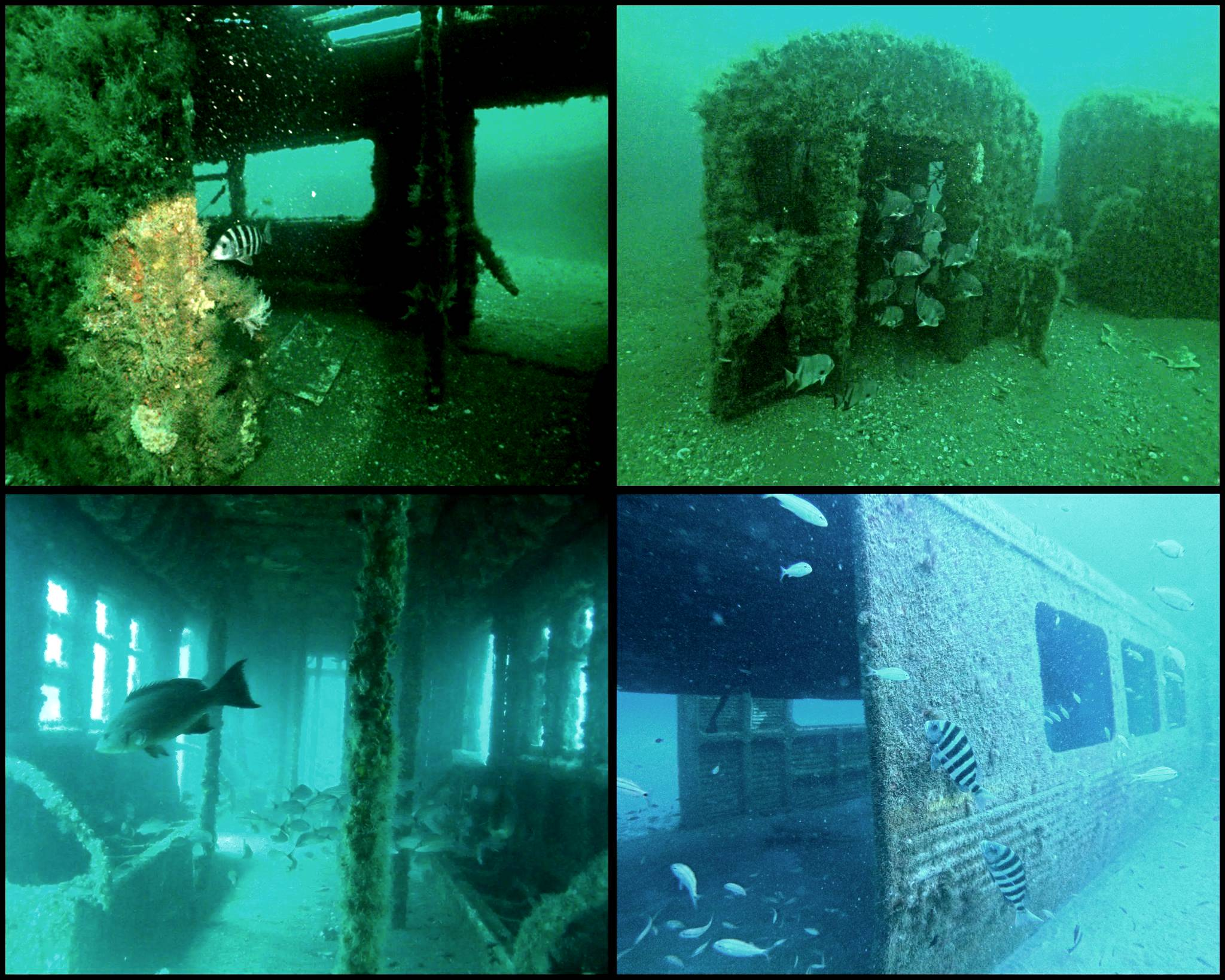
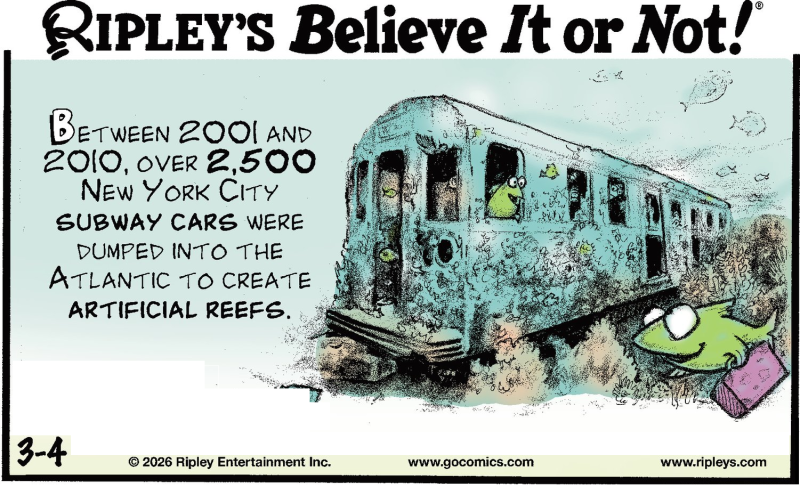
The New York City Metropolitan Transit Authority (MTA) deposited thousands of retired subway cars into the Atlantic, and used them to create artificial reefs off the coasts of New Jersey, Delaware, Maryland, Virginia, South Carolina, and Georgia.
The reefing program began with the mass decommissioning of “Redbird” cars in 2000, followed by the “B-Division/Brightliner” cars. From 2001 to 2003, 1,269 carbon steel Redbird cars were cleaned, stripped to the shells, and sunk. From 2008 to 2010, 1,311 of the stainless steel “B-Division/Brightliner” cars settled on the ocean floor. The program came to a close on Earth Day in 2010.
No passengers were harmed during the process (yet some complained.)
[Images found here in response to RBON on FB. More info here.]
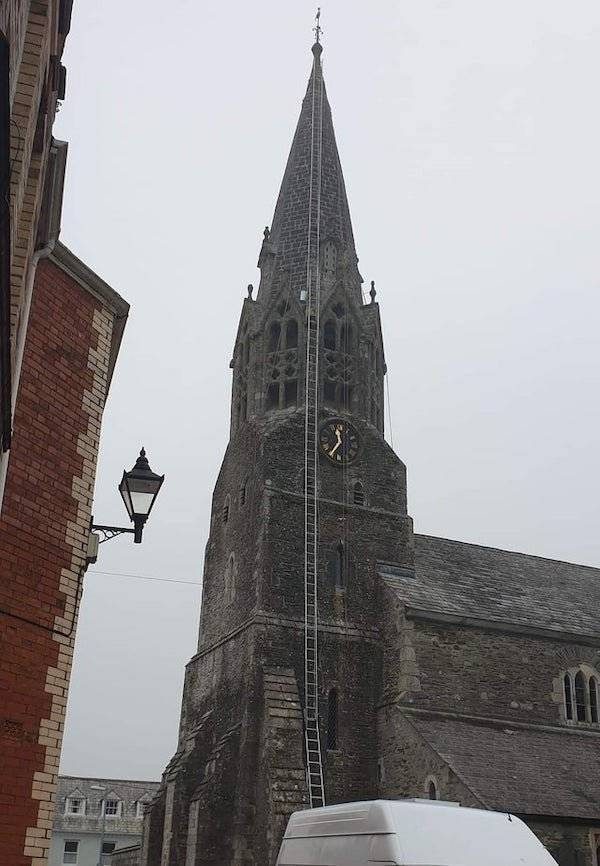
Church of St. Bartholomew (aka Saint Bart’s) is in the town of Lostwithiel, Cornwall, England. The church’s origins date back to the medieval period.
[Image found here.]
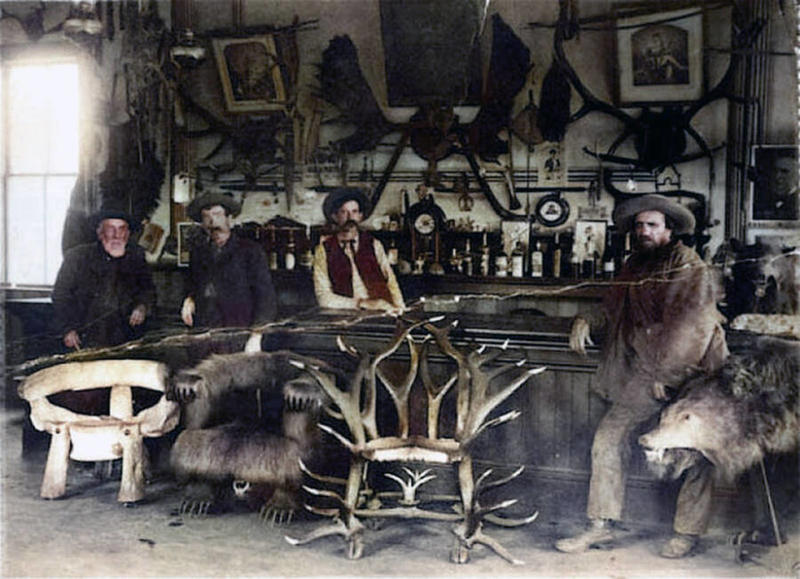
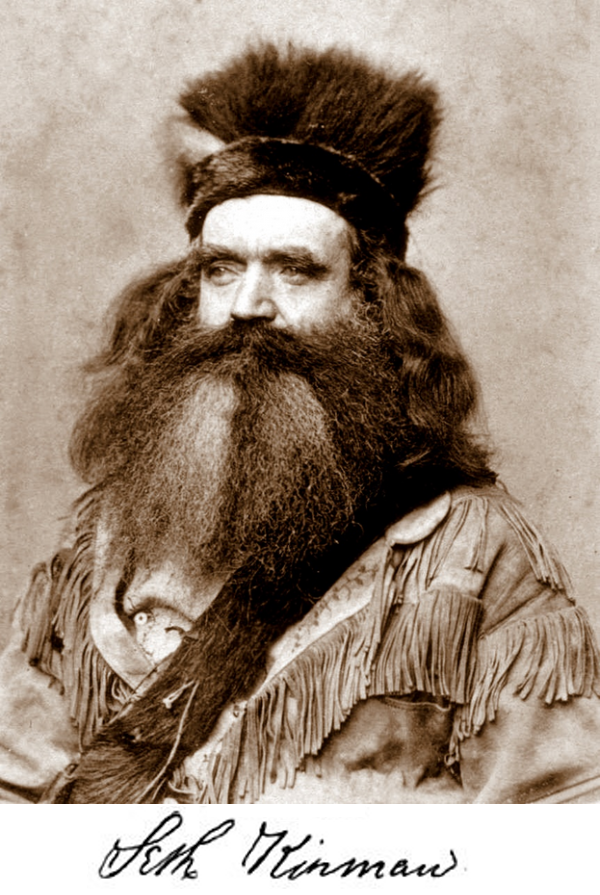
Seth Kinman (September 29, 1815 – February 24, 1888) was an early settler of Humboldt County, California, a hunter based in Fort Humboldt, a famous chair maker, and a nationally recognized entertainer. He stood over 6 ft (1.83 m) tall and was known for his hunting prowess and his brutality toward bears and Indian warriors. Kinman claimed to have shot a total of over 800 grizzly bears, and, in a single month, over 50 elk. He was also a hotel keeper, saloon keeper, and a musician who performed for President Lincoln on a fiddle made from the skull of a mule.
[Interior of Seth Kinman’s Table Bluff Hotel and Saloon in Table Bluff, California, 1889, found here.]
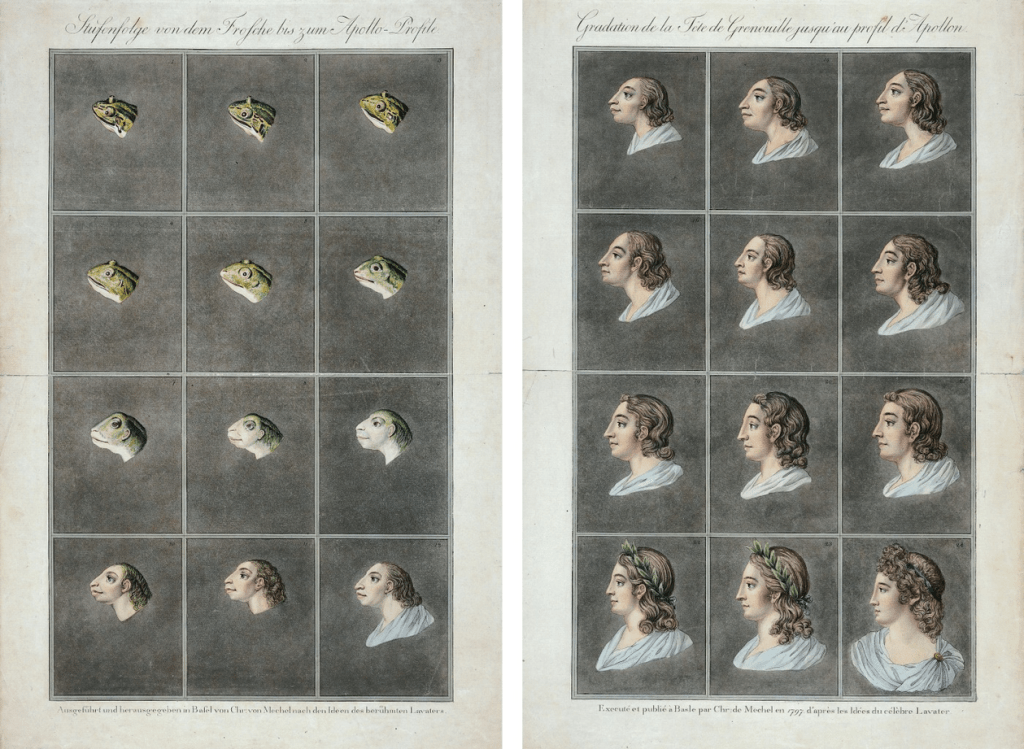
“The etchings above, commissioned by Lavater from the Swiss printmaker Christian von Mechel (1737–1817), put the physiognomist’s ideas into color and motion. Across twenty-four frames, the profile of an unassuming amphibian slowly metamorphs into that of Apollo (considered the epitome of masculine beauty). At its core, Lavater’s physiognomy relies on the belief that a creature’s true character and morality can be discerned from their “lines of countenance”, often revealed by analyzing silhouettes. In many ways, he spent his career trying to offer scientific proof of the ancient Greek concept known as kalokagathia — that goodness manifests as beauty, evil as ugliness — the focus of his greatest-known work, the four-volume Physiognomische Fragmente (1775–1778).”
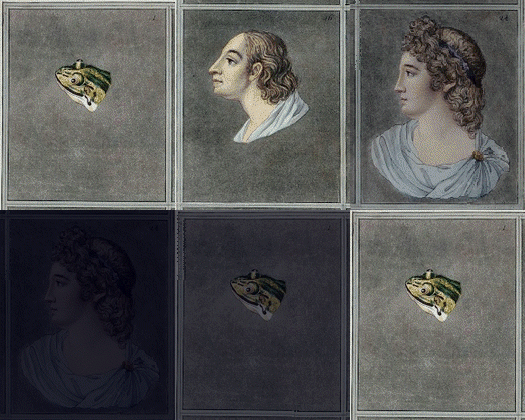
[Etchings and description found here. The .gif was created in my kitchen of wonder.]
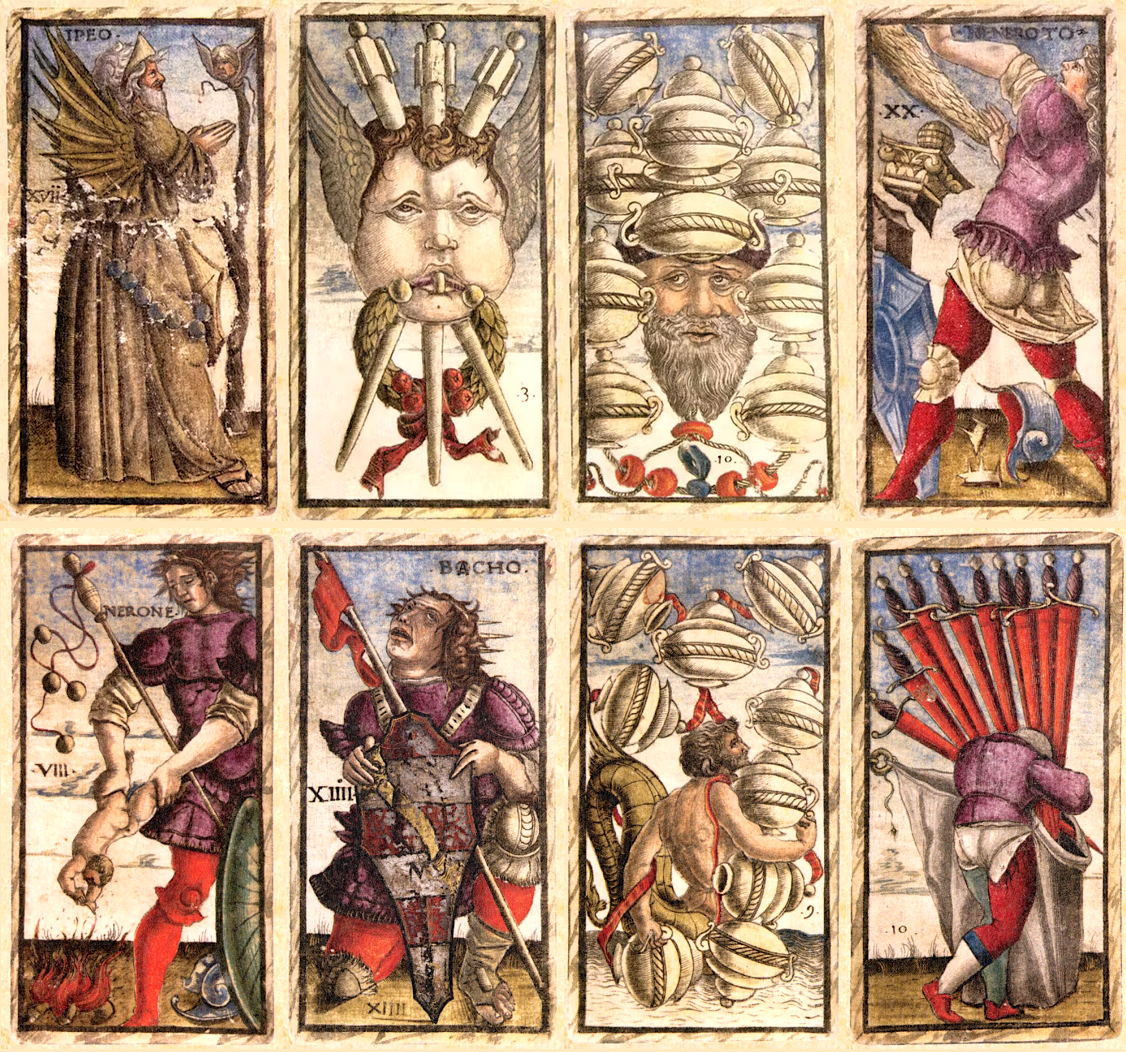
Considered the oldest complete seventy-eight card tarot deck in existence, the Sola Busca — named for the family of Milanese nobles who owned it for some five generations — was the first to be produced using copperplate engraving. It is also the earliest known tarot deck that illustrates the Major and Minor Trumps in the way that has become the standard, with characters and objects depicting allegorical scenes. In the Renaissance era this would have been revolutionary, while, today, some of these cards may seem familiar.
[Full size images and the history of the deck found here.]
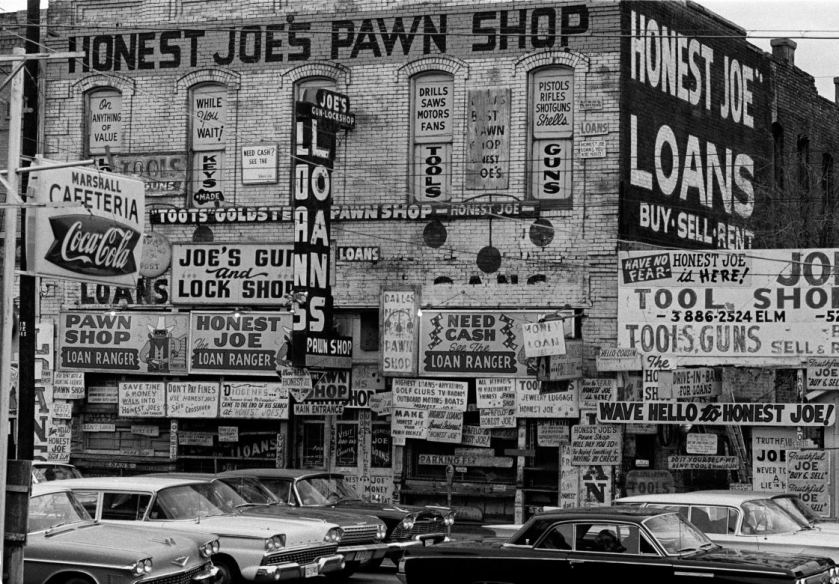
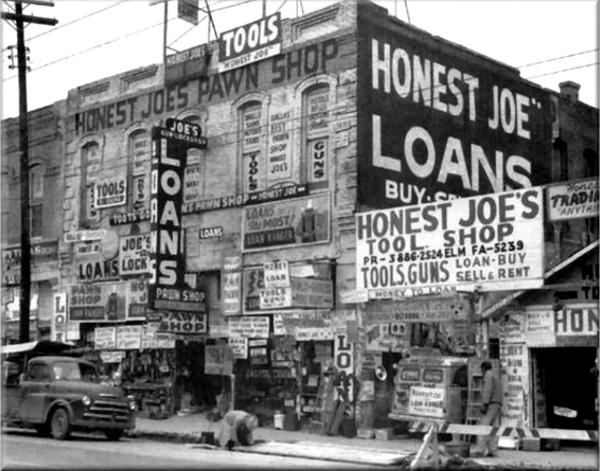
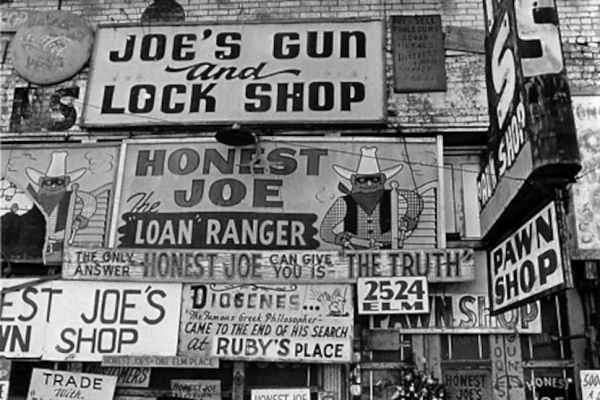
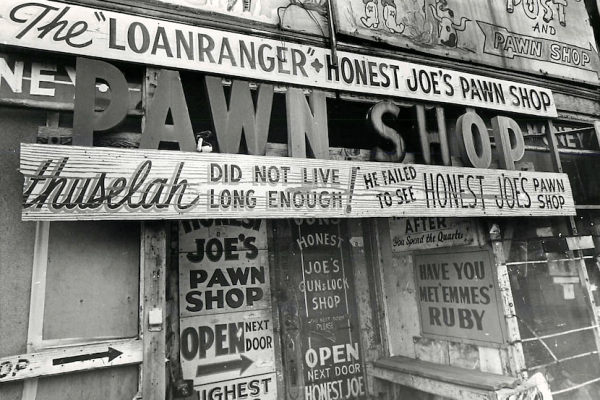
“Nobody outside his family knew his real name. Dallas knew him as Honest Joe. For nearly three decades Honest Joe’s pawn shop was one of the central hubs of activity in Deep Ellum. He sold everything from gold watches to prosthetic limbs to automatic weapons. His two-story building was covered in hand-painted signs and hubcaps – or was it? It was covered in signage and hubcaps, but as for the two-story part . . . well, that’s another story . . .”
[Top photo by Thomas Hoepker (1963) found here. Second photo found here (with a must-read history); third here; fourth here.]
 Tacky Raccoons