The Namazu-e of 1855

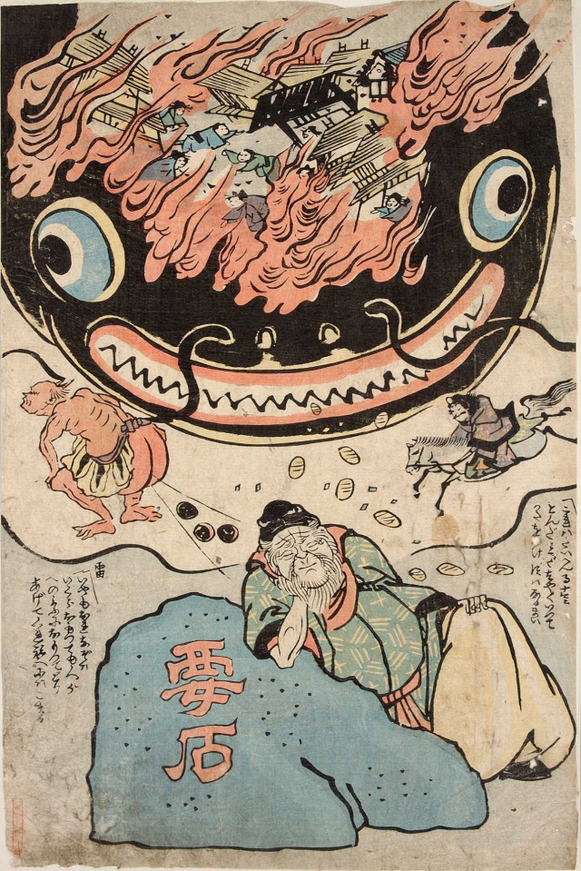
Namazu and the kaname-ishi rock. Japan, 1855

In November 1855, the Great Ansei Earthquake struck the city of Edo (now Tokyo), claiming 7,000 lives and inflicting widespread damage. Within days, a new type of color woodblock print known as namazu-e (lit. “catfish pictures”) became popular among the residents of the shaken city. These prints featured depictions of mythical giant catfish (namazu) who, according to popular legend, caused earthquakes by thrashing about in their underground lairs. In addition to providing humor and social commentary, many prints claimed to offer protection from future earthquakes.

Namazu are normally kept under control by the god Kashima using a large rock known as kaname-ishi. The Great Ansei Earthquake of 1855 is said to have occurred when Kashima went out of town and left Ebisu (god of fishing and commerce) in charge. In this print, the giant subterranean catfish unleashes destruction on the city while Ebisu sleeps on the job. Kashima rushes home on horseback while the city burns, and Raijin the thunder god defecates drums. Large gold coins fall from the sky, symbolizing the redistribution of wealth during the rebuilding phase.
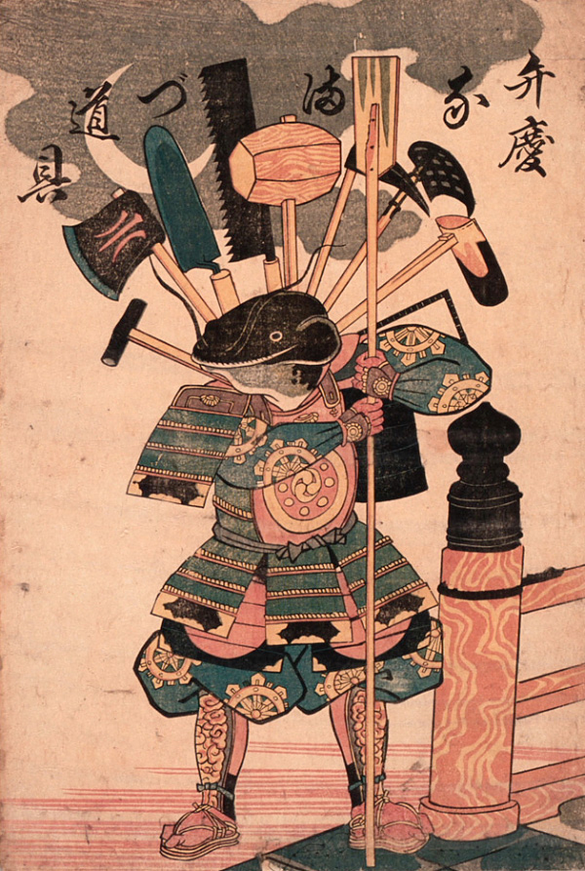
Namazu with construction tools, portrayed as the legendary warrior Benkei.

[Full story and more images found here.]
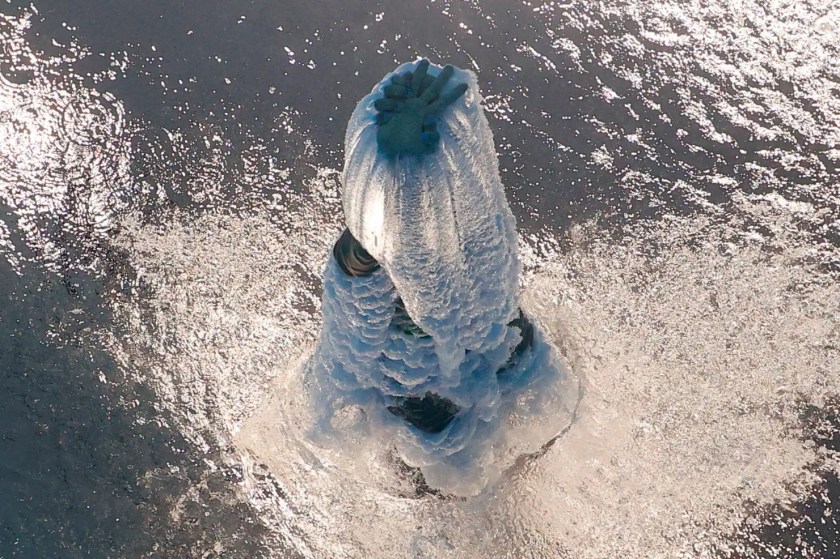
Olympic Diversion

Diver, training for 2021 Tokyo Olympics.

[Found here.]

Derelict Tokyo

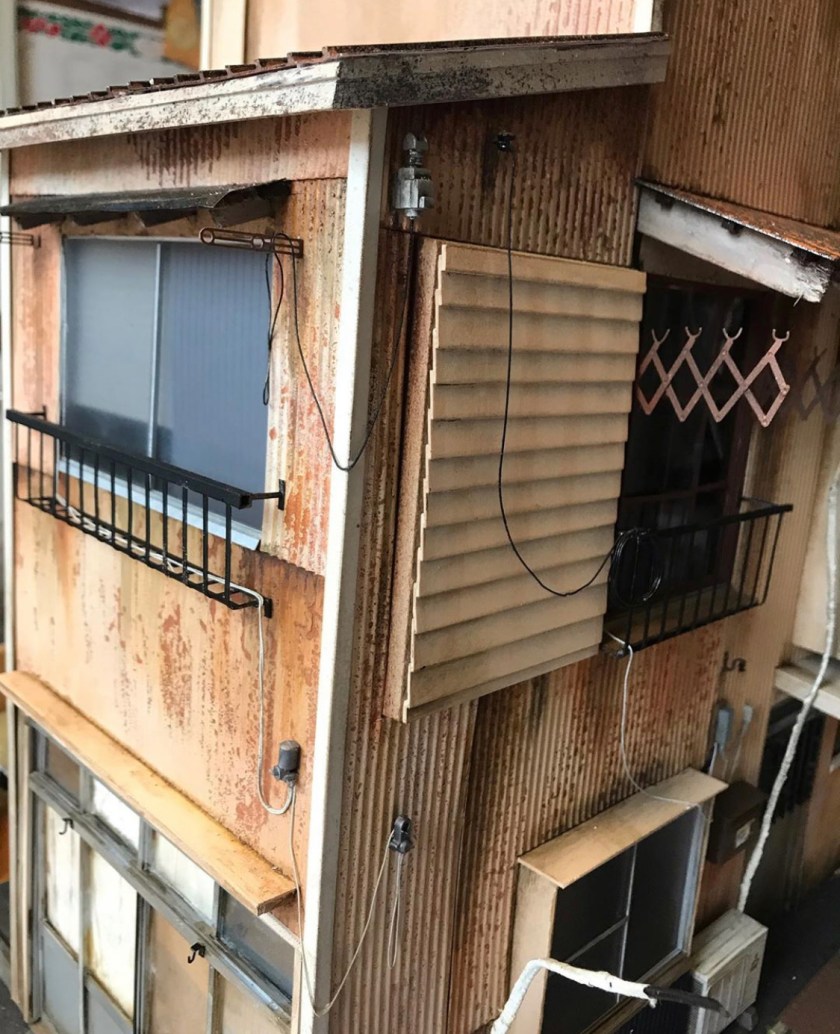
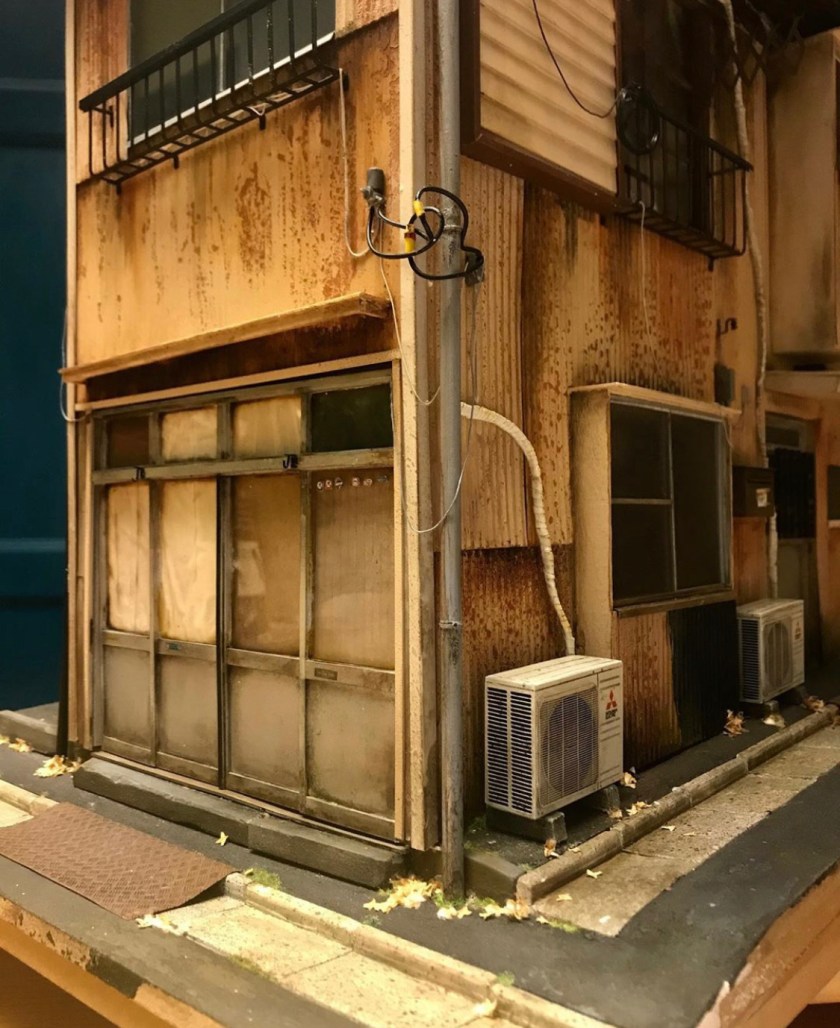
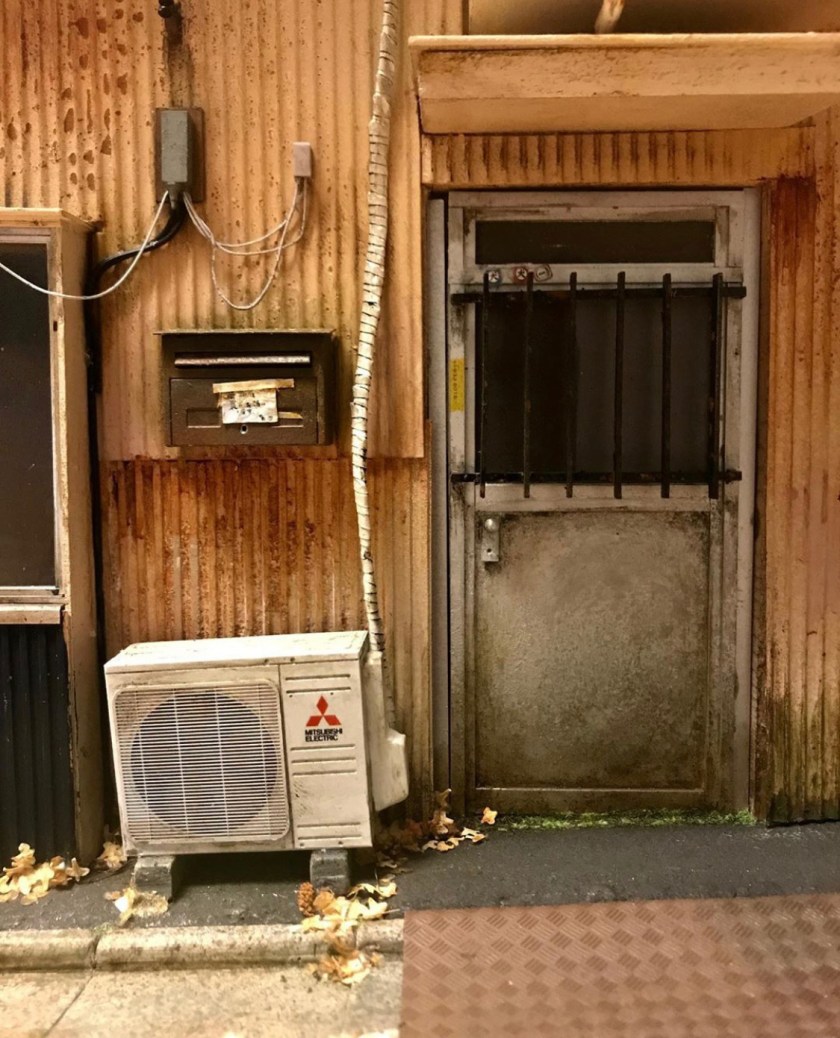
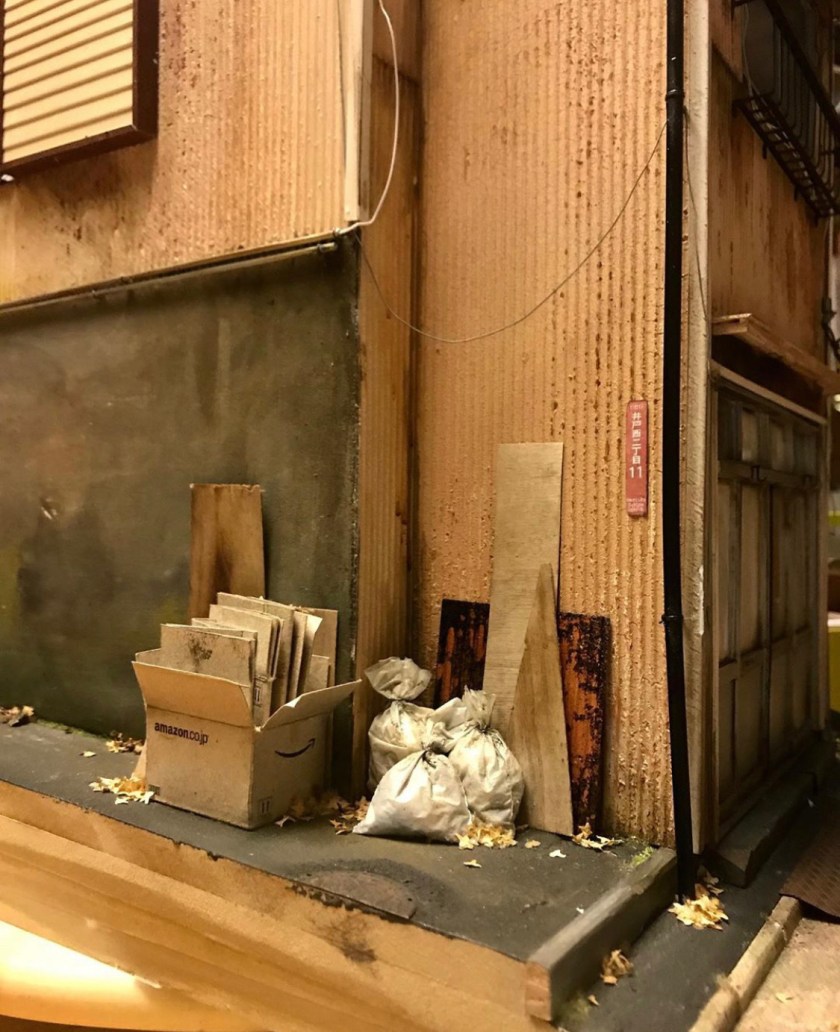
Something just doesn’t look quite right. Oh wait. Continue reading “Derelict Tokyo”

Tokyo’s Clothes Hangers Crows Nests

clothes hanger crows nest 1
clothes hanger crows nest 2
clothes hanger crows nest 3

Conceptual Art installations? Nope.

“When I lived in Tokyo, I used to watch the crows take hangers from my neighbors’ balconies. (Hangers were used to hang out washing to dry.) The crows would work in pairs to remove the clothing from the hangers and then one would fly off with the hanger. I’d never seen the nests though.”

[Images & reader comment found here, via here.]

18 April 1942 – The Doolittle Raid

December 31, 2009 — Jonna Doolittle Hoppes speaks about her Grandfather, General Jimmy Doolittle from her new book “Calculated Risk” and the importance of recording history for future generations at the Historic Flight Foundation’s “B-25 Grumpy Welcome Reception”. This clip includes original film footage of the crews on the historic “Doolittle Raid” of WWII, which proved to the US and the Japanese Empire that America could and would strike back.

There’s obviously more to the story than we’re able to present here. The anniversary of the Doolittle Raid deserves recognition, as it was not only unimaginably dangerous and ballsy, but very necessary to send a message to Japan, as well as to the American public. It was created, orchestrated and accomplished in a little over 4  months after the unwarranted attack on Pearl Harbor.

Military Magazine recently published a first person account of a pilot who volunteered for the mission without knowing what it was. The mission wasn’t revealed until the modified bombers had been loaded onto the U.S.S. Hornet and the Hornet was at sea. Of the pilots who volunteered, all were given opportunities to decide for themselves whether they wanted to go on, without reprimand or dishonor, and not one of them sat down.

http://www.milmag.com doesn’t have the story on line yet, but it’s a must read.

[Crossposted here.]