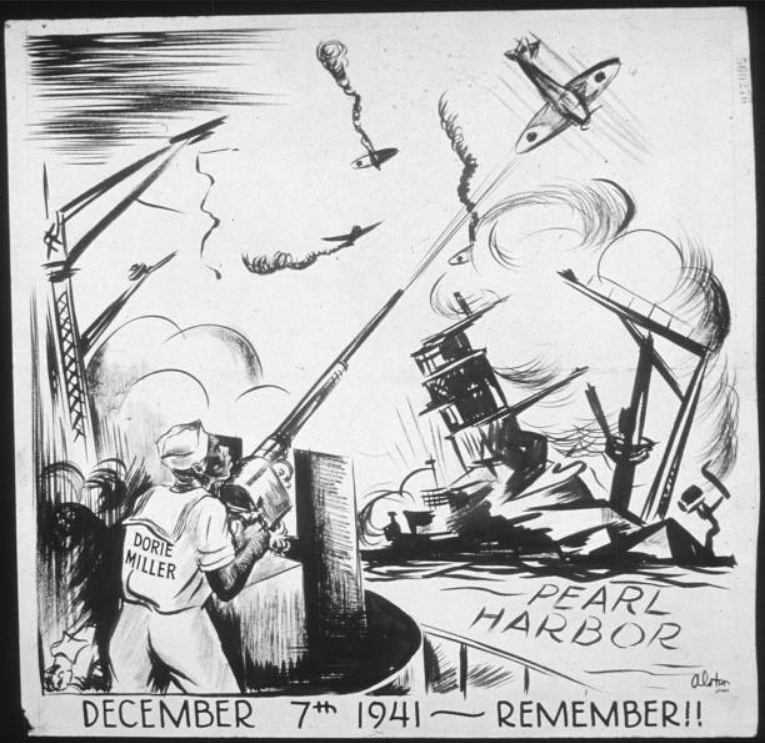
[Previously posted observances of the Day of Infamy here.]

[Previously posted observances of the Day of Infamy here.]
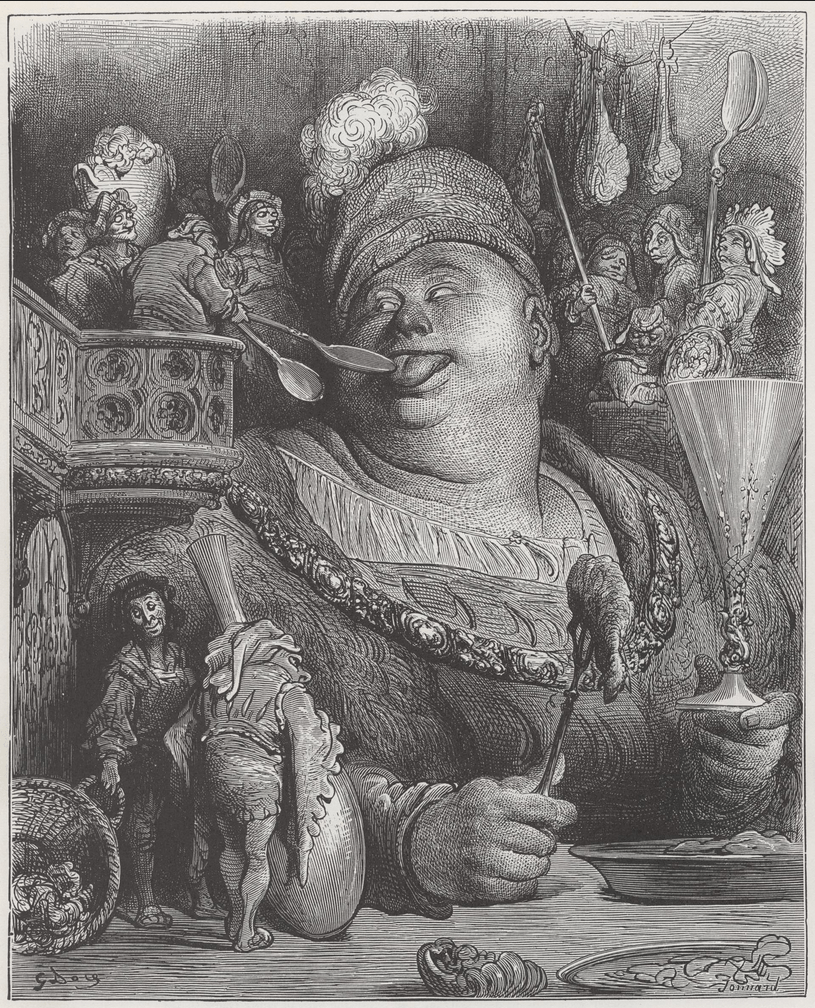
Tarrare, a historical figure from late 18th century France, gained notoriety for his unending appetite and peculiar eating habits. He grappled with a rare medical disorder called polyphagia, which compelled him to incessantly hunger for and consume copious amounts of food, including non-edible items. Tarrare garnered public attention by devouring objects like corks, stones, and even live animals, once astonishing onlookers by devouring an entire basket of apples in rapid succession. Despite his astounding consumption abilities, his health rapidly declined, plagued by numerous complications stemming from his condition. The life of Tarrare remains an intriguing medical enigma, leaving numerous questions unanswered regarding the underlying nature and causes of his singular condition.


From ATI:
And the strangest part of all this was that he always looked as though he were starving. The young man barely weighed 100 pounds and he seemed constantly tired and distracted. He was showing every possible sign of undernourishment – except, of course, that he was eating enough to feed a small barracks.
[Top image and first caption found here. Other images found around the internest and may or may not be Tarrare.]


[See Part 1 for more. Source: Allen & Ginter Cigarette Cards 1888-1889]


[Source: Allen & Ginter Cigarette Cards 1888-1889]
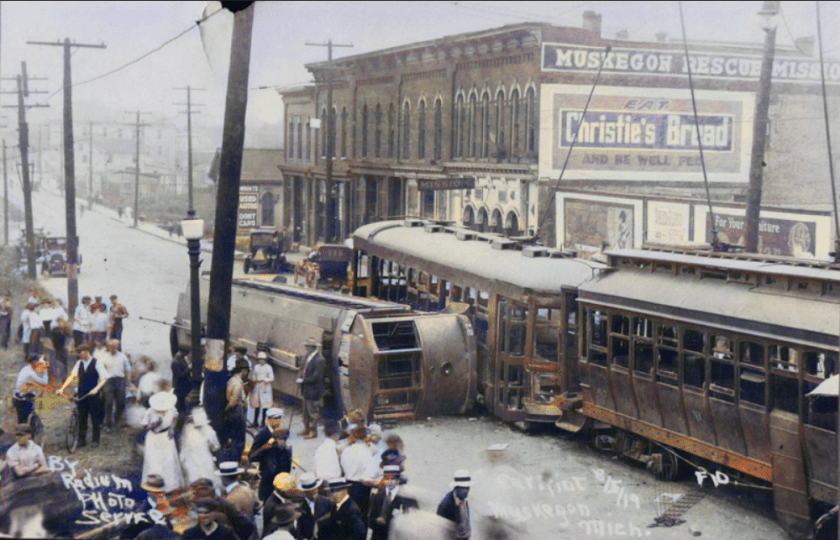
The Muskegon Traction Company raised the ride fare by 1 cent in August of 1919, it began a riot that lasted through the night, destroying streetcars and causing chaos in the city.
Workers refused to pay more than 6 cents per fare ($1.06 in 2023 dollars).
[More here. h/t Pam M.]
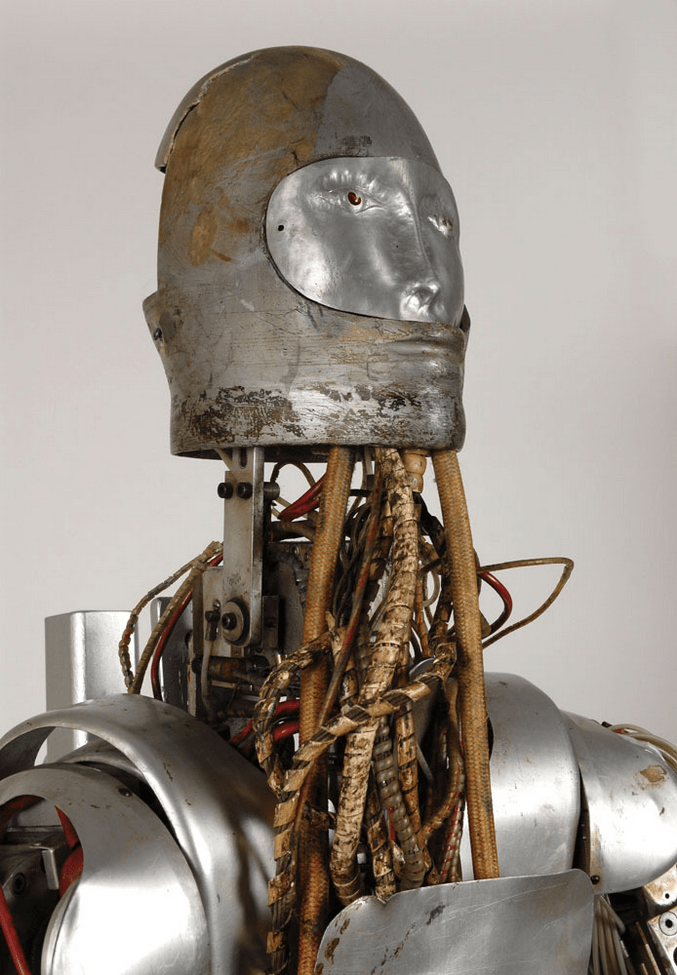


The ‘Power Driven Articulated Dummy’ project was under Contract No. NAS 9-1370 and ran from May 22, 1963 through July 31, 1965. It was originally built for Nasa’s Manned Spacecraft Center by the Illinois Institute of Technology.
The reason for a test dummy was officials hoped to use it during design and testing of a spacesuits, which might otherwise be painful, tedious or even dangerous for human beings.
The 1965 robot was able to simulate 35 basic human motions and used sensors to gather data on how the human body acted in a pressurized suit – but it never made it off the ground due to its tendency to leak oil.
Only two of these robots were created, the one selling for $80,000 and another that is owned by the Smithsonian’s National Air and Space Museum.

Original caption:
American-built tank “America”, designed by Professor E.F. Miller of the Massachusetts Institute of Technology. Photographed in July of 1918.
[Un-colorized image found in this collection.]



 Tacky Raccoons