[Caveat: No copyright infringement is intended; songs posted here are for entertainment purposes only.]


I presume the families are of Irish ancestry, dates and locations unknown.
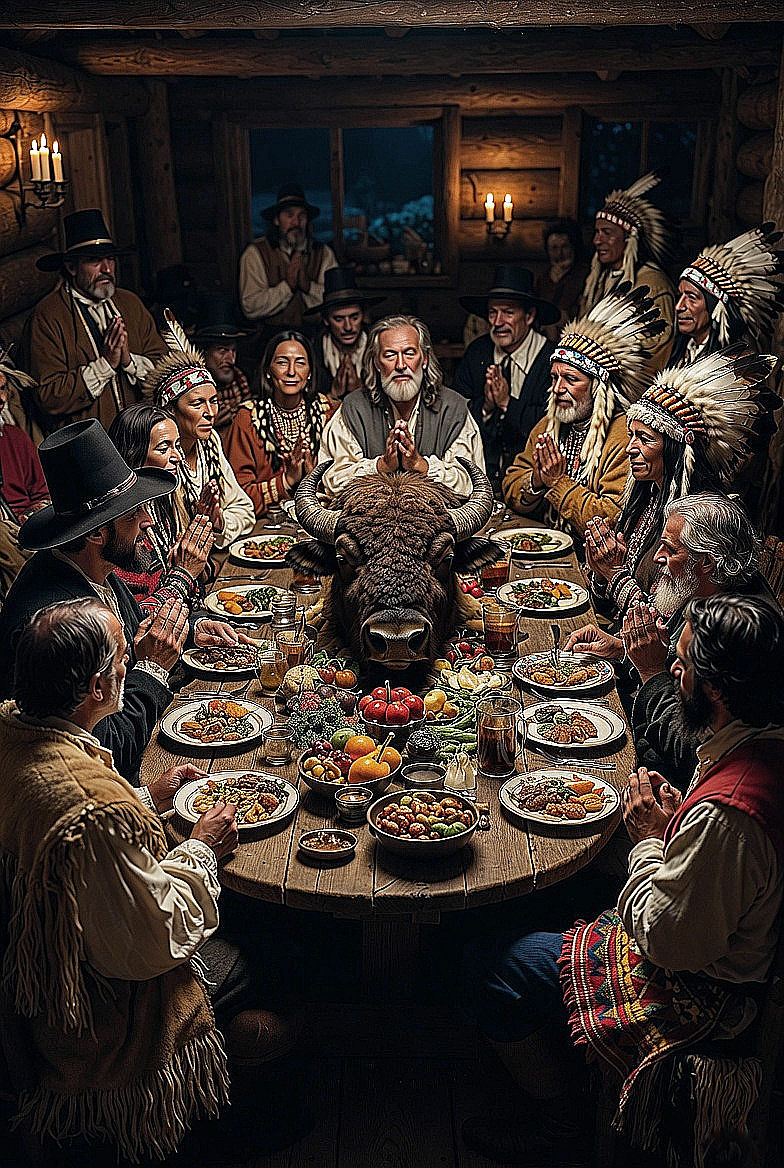
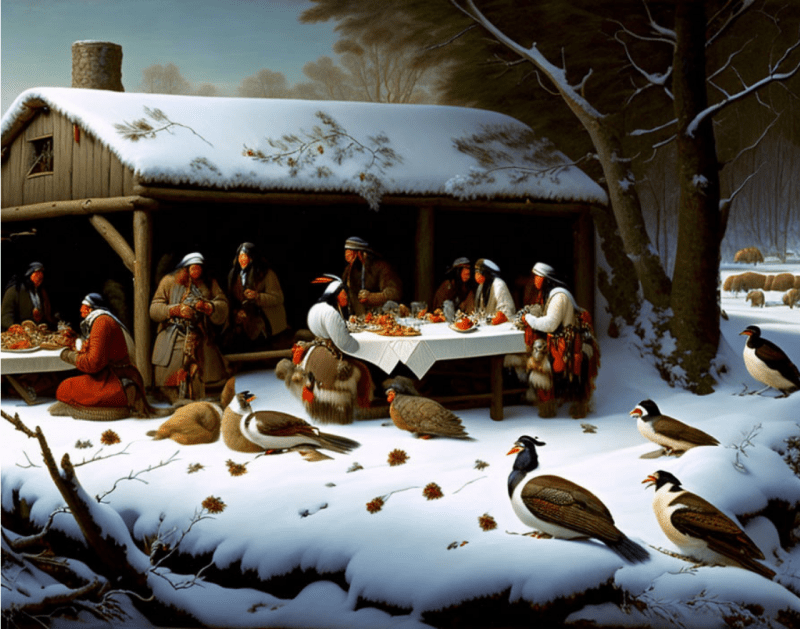
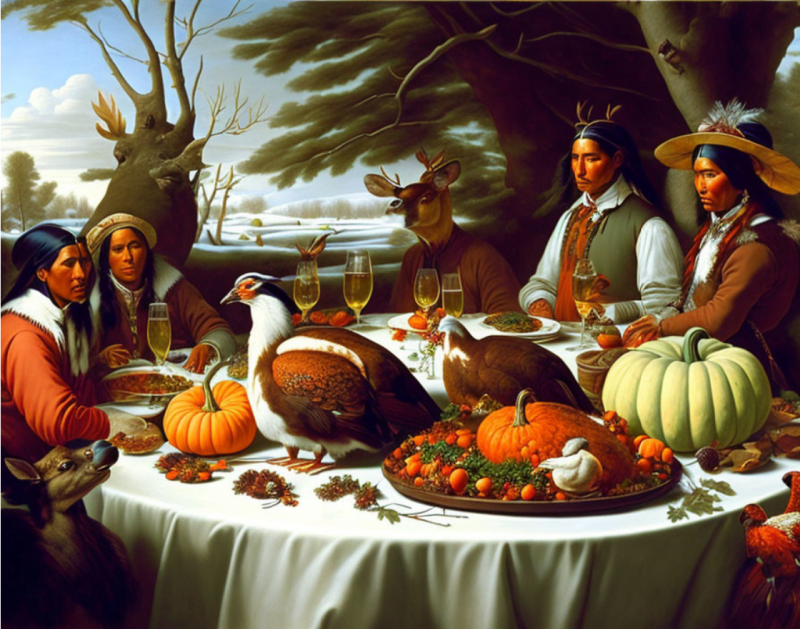
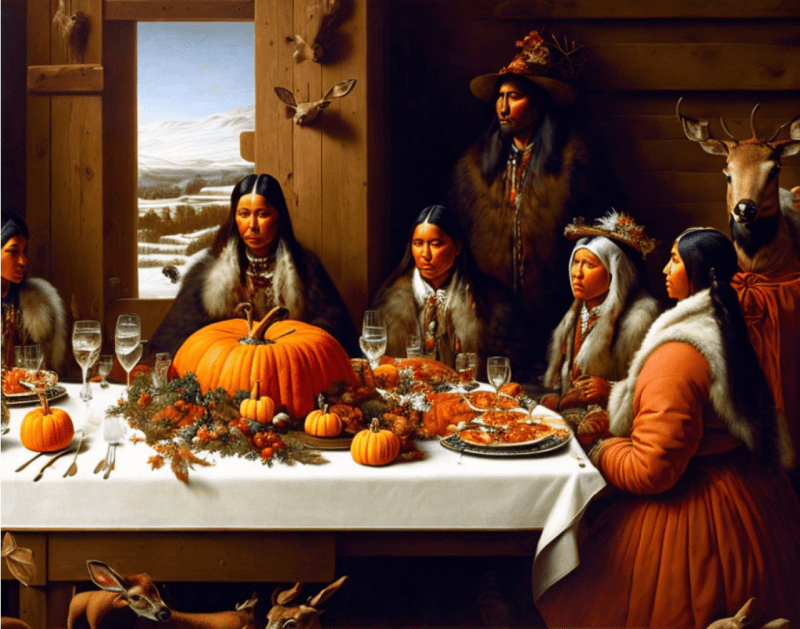
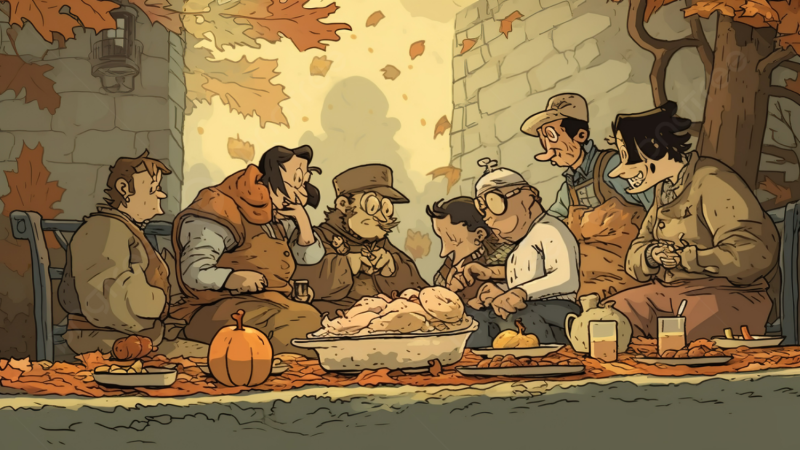
The images are leftovers from messing with Xwitter’s Grok AI generator (click to enlarge).


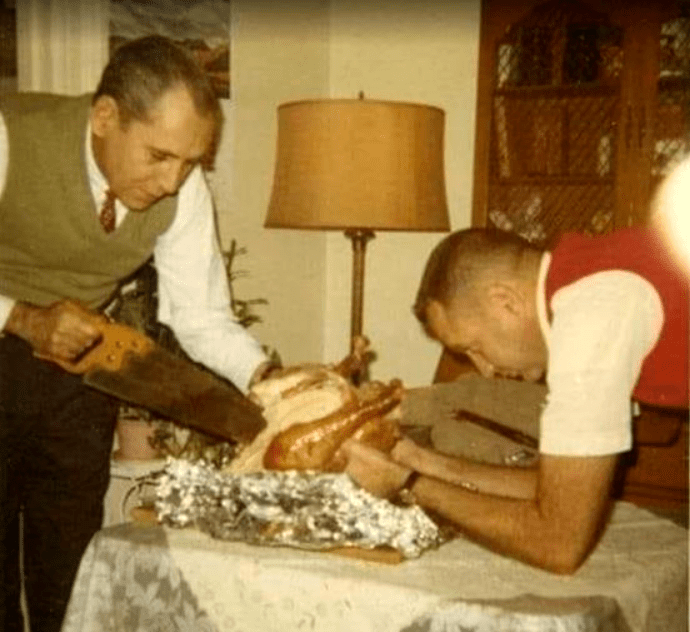
The crosscut saw is a pain to clean, so when the missus pulls the bird out of the oven and asks me to do the honors, this year I’m grabbing the bow saw.
[Photo source unknown, h/t Pam M.]
[More Thanksgiving stuff here.]
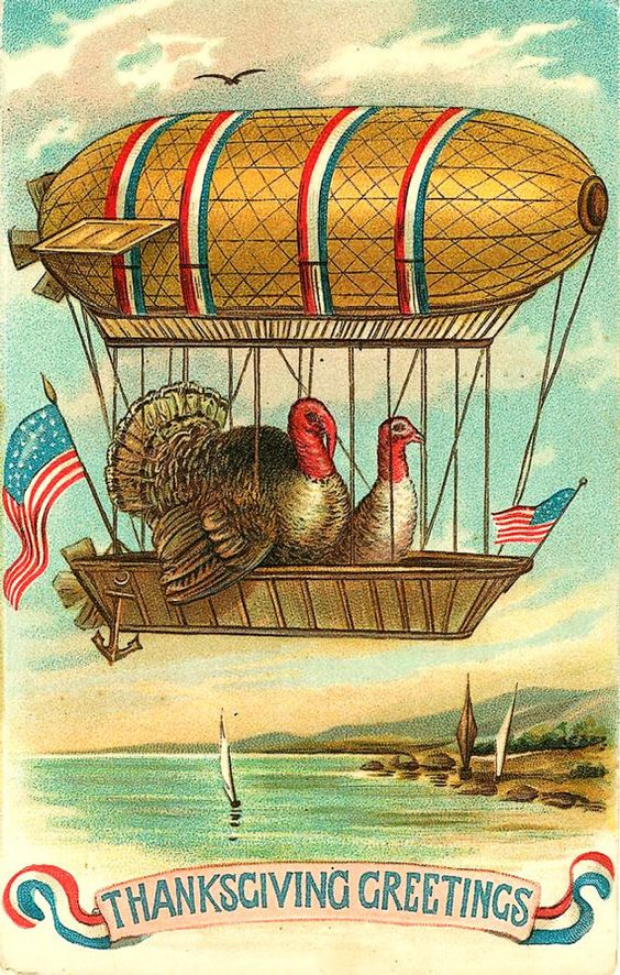
“The center of zeppelin production in the United States was Akron, Ohio. In 1916, the Goodyear Tire and Rubber Company purchased land near Akron to build a plant that could produce zeppelin aircraft. In 1917, the main Goodyear Company created a subsidiary known as the Goodyear Zeppelin Company to manufacture the zeppelins. That same year, the firm received a contract from the federal government to manufacture nine zeppelins for the United States military during World War I. Unfortunately for the company, its manufacturing facilities were not complete in 1917, so Goodyear completed the first airships inside of a large amusement park building in Chicago, Illinois. The military used these airships to bomb and to spy upon enemy positions.
At the conclusion of World War I, the Goodyear Tire and Rubber Company continued to manufacture zeppelins. The firm used most of these ships to advertise its products. By the late 1920s and the early 1930s, among the firm’s completed zeppelins were the Pony [1921-1923], Pilgrim [1925], Puritan, Volunteer, Mayflower, Vigilant, Defender, Reliance, Resolute, Enterprise, Ranger, and Columbia. [late 1920s – early 1930s].”
Those zeppelins were mostly used for shore patrol. The biggest hazard was that some yahoos liked to take pot shots at them, but they proved that the airships could sustain the damage and stay afloat. [Source]
[Original image source and date unknown; story found here.
More Thanksgiving stuffing here.]
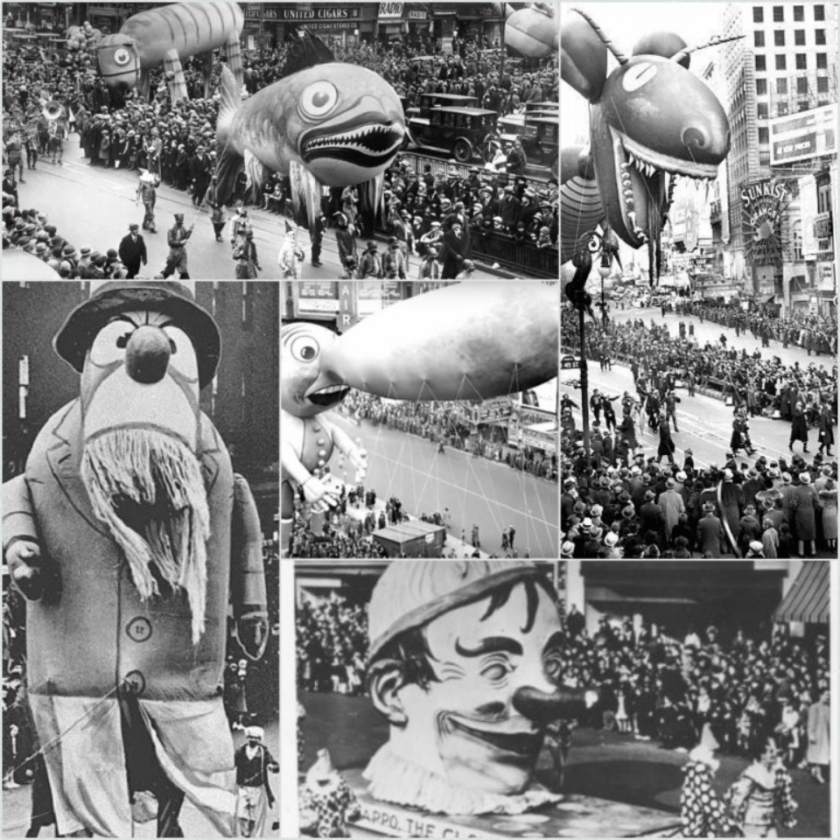
The early Thanksgiving Day parades often had a circus orientation, and hence the animal elements. Actual lions, tigers, and bears were trucked down city streets, traumatizing them and causing the elicitation of roars and growls that frightened observing children. Wisely, the use of living animals was abandoned after a few years, with animal balloons and floats substituted, together with some great vintage cartoonish stuff that was rather surreal.
[Image and text found here; previous Thanksgiving posts here.]
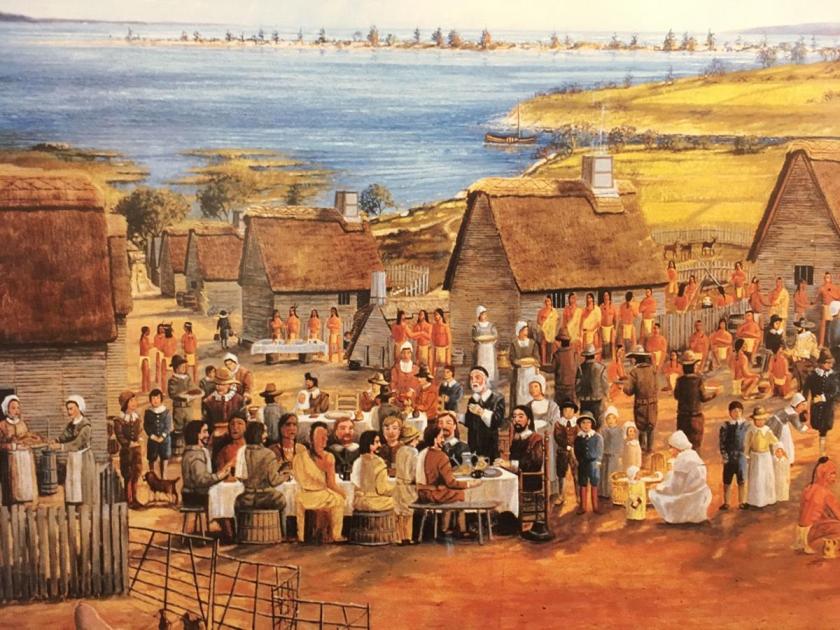
Nearly all of what historians have learned about the first Thanksgiving comes from a single eyewitness report: a letter written in December 1621 by Edward Winslow, one of the 100 or so people who sailed from England aboard the Mayflower in 1620 and founded Plymouth Colony in Massachusetts.
[…]
Just over 50 colonists are believed to have attended, including 22 men, four married women—including Edward Winslow’s wife—and more than 25 children and teenagers. These were the lucky ones who had made it through a rough entry into the New World, including a harsh winter during which an epidemic of disease swept through the colony, felling nearly half the original group. Some 78 percent of the women who had arrived on the Mayflower had died during the first winter, a far higher percentage than for men or children.
“For the English, [the first Thanksgiving] was also celebrating the fact that they had survived their first year here in New England,” Tom Begley [of Plymoth Plantation] points out.
The Plymouth colonists were likely outnumbered more than two-to-one at the event by their Native American guests. Winslow’s account records “many of the Indians coming amongst us, and amongst the rest their greatest king Massasoit, with some ninety men.” Massasoit (who was actually named Ousemequin) was the sachem (leader) of the Pokanoket Wampanoag, a local Native American society that had begun dealings with the colonists earlier in 1621.
[Image from here, historical commentary from here.
Related posts here.]
 Tacky Raccoons