
Godt Nytaar!


[Found here.]


La Noche de Rábanos (the Night of the Radishes) takes place every year on the 23rd of December in Oaxaca, Mexico, and is one of the most impressive vegetable festivals around the world.
The radish was brought to the Americas by the Spaniards in the 16th century, and vendors used to carve them and use them on their market stalls to attract customers. Although the origins of the festival cannot be traced to an exact period, it is considered that it all began in the year 1897, when the mayor of Oaxaca organized the first radish-art exposition. Ever since that first celebration, every year this humble vegetable is meticulously carved into animals, warriors, kings, dancers and pretty much any shape you can imagine. The artists sometimes make use of other vegetables, like onion and lettuce, to complete their work. There’s also a prize for the most beautiful piece displayed.
The carver’s work begins about three days in advance and on the 23rd of December, the day of the festival, the results of all their hard work is presented to the public. On that same day, especially in the morning, children have the chance to learn this incredible art of radish-carving, or at least some of its secrets.
The celebrations don’t end that day. They continue on Christmas Eve and Christmas Day with other joyful fiestas, parades of floats, fireworks, music and dancing.
[Images found scattered around the internest, description from here.]

[Found here.]

Truth in advertising, unfortunately it’s AI.
[Found here.]
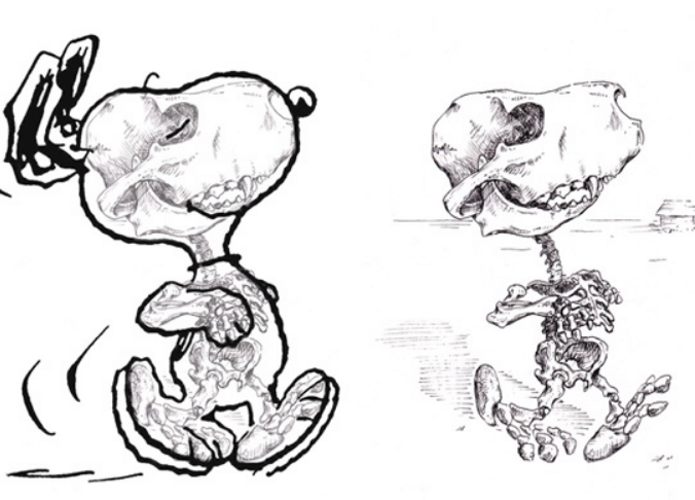
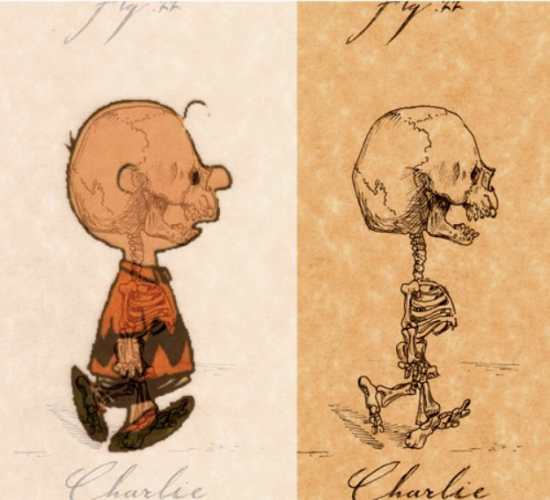
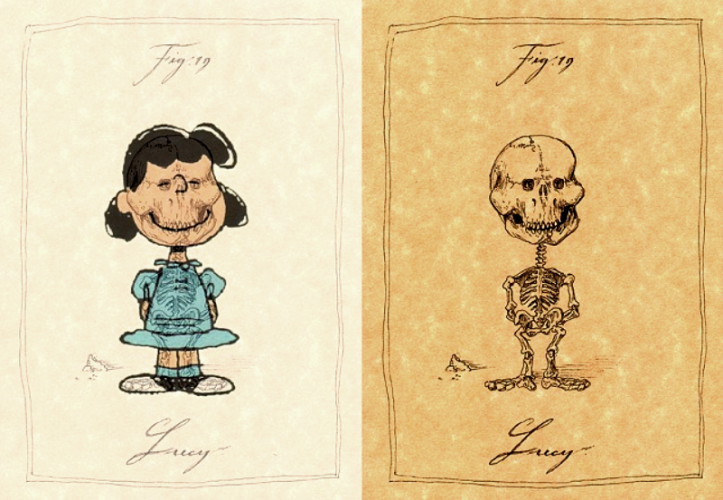
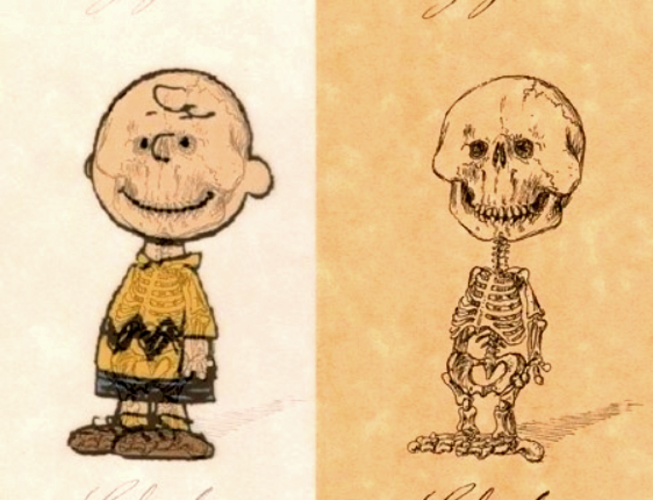
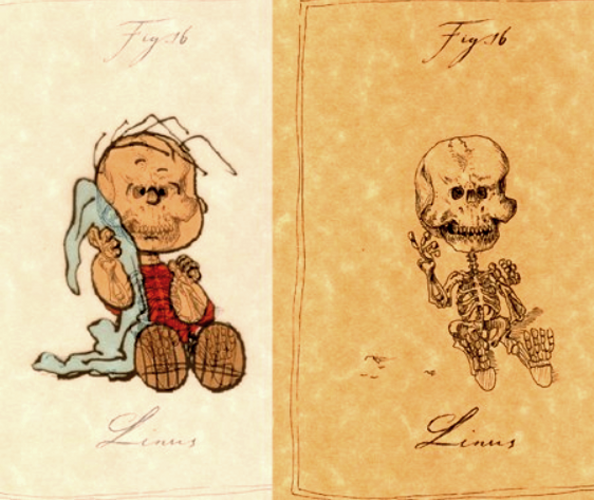
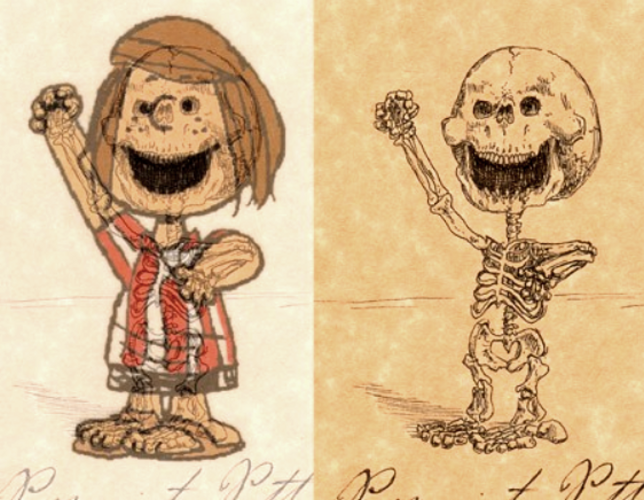
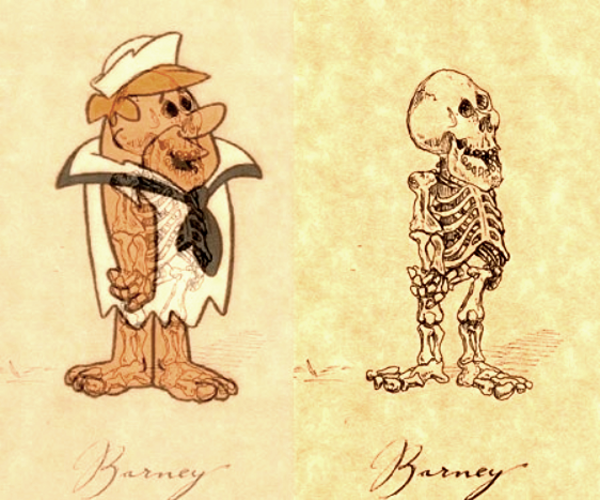
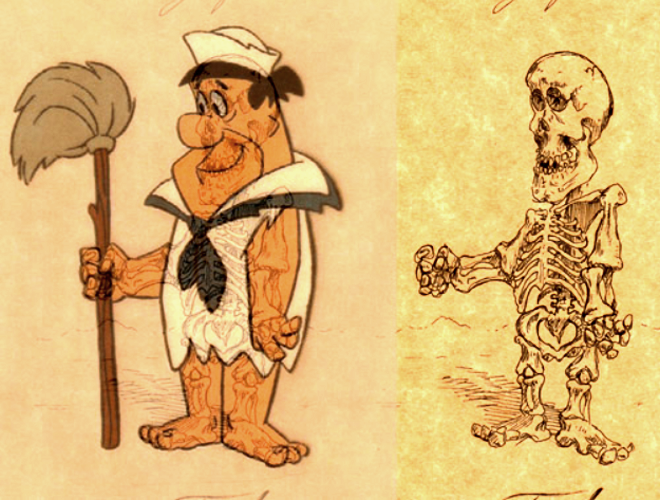
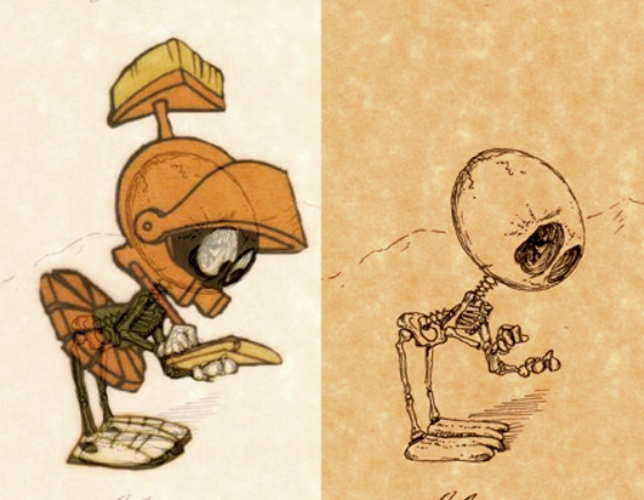
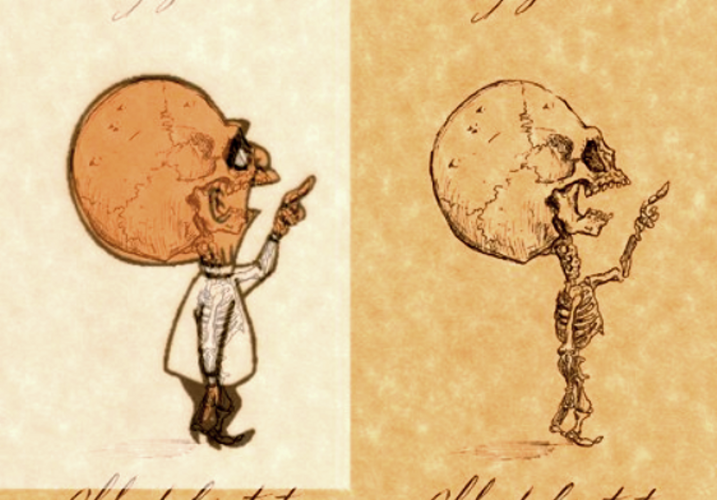
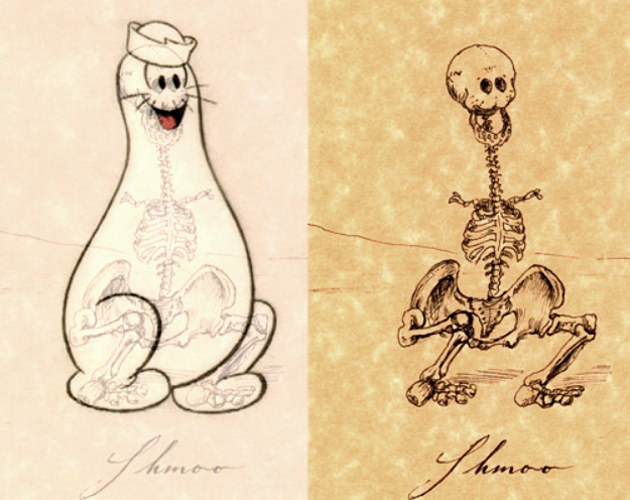

Click for larger, all are the work of Michael Paulus, more at the link.
Brown, Boop & Flintstone bones previously posted here.
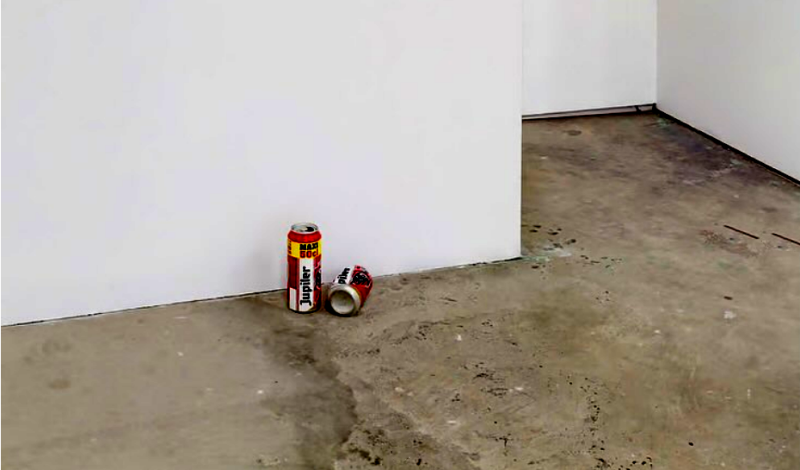
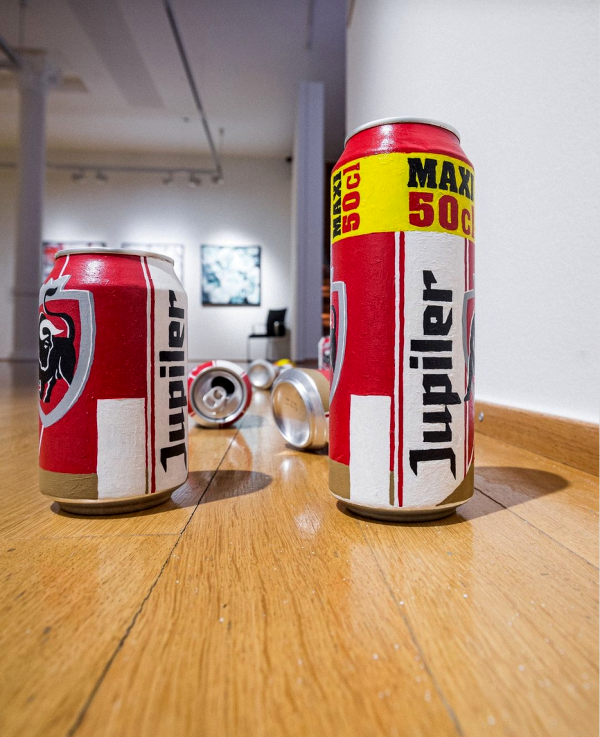
“The LAM museum in the Netherlands had artist Alexandre Lavet’s beer can sculptures on display on the floor, when it was accidentally thrown in the trash by a staff member.
The work, titled All The Good Times We Spent Together, was being exhibited at the LAM museum in the Netherlands. The piece looks like two empty and crushed beer cans that carelessly been left behind. However, upon closer inspection, they are actually tiny sculptures that have been meticulously hand-painted with acrylics.”
[Images and caption found here.]



 Tacky Raccoons