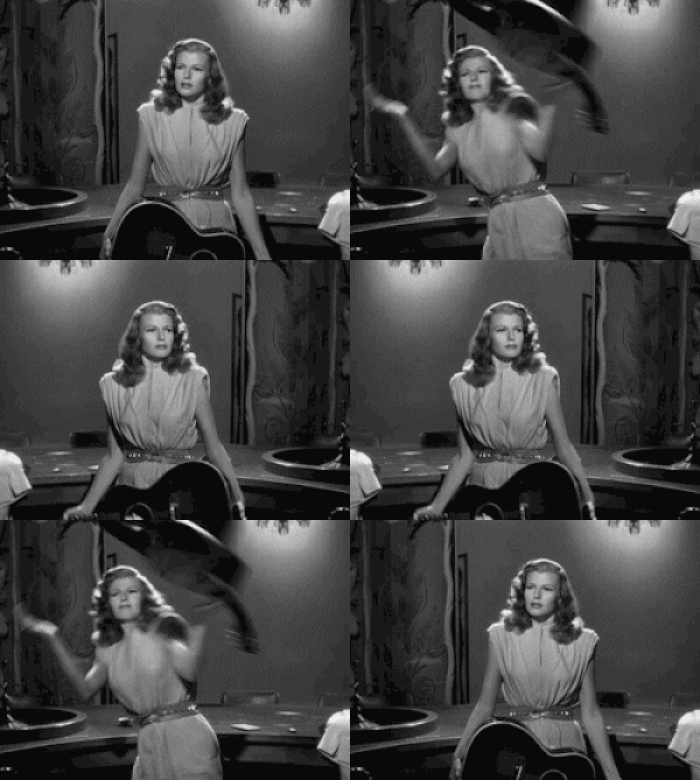
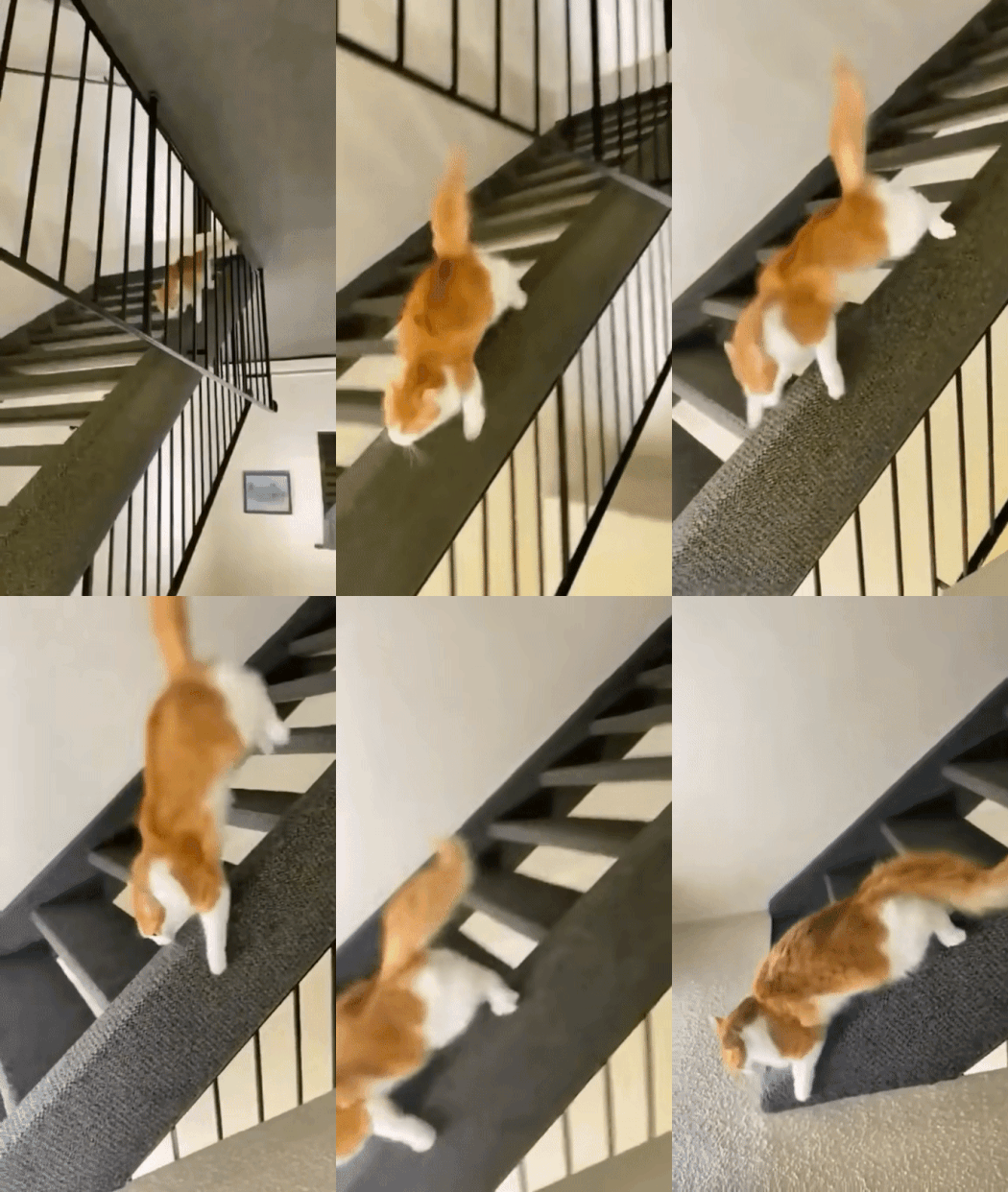
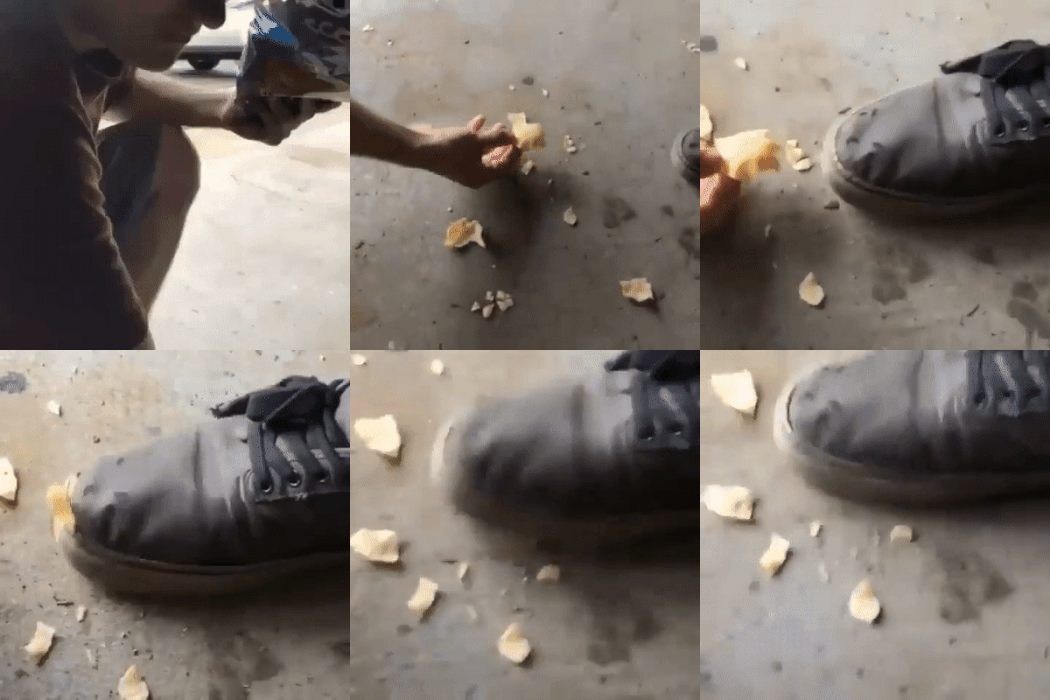
[Found here.]

[Found here.]


[All images found at Rat Rods Rule! More rat rods here.]
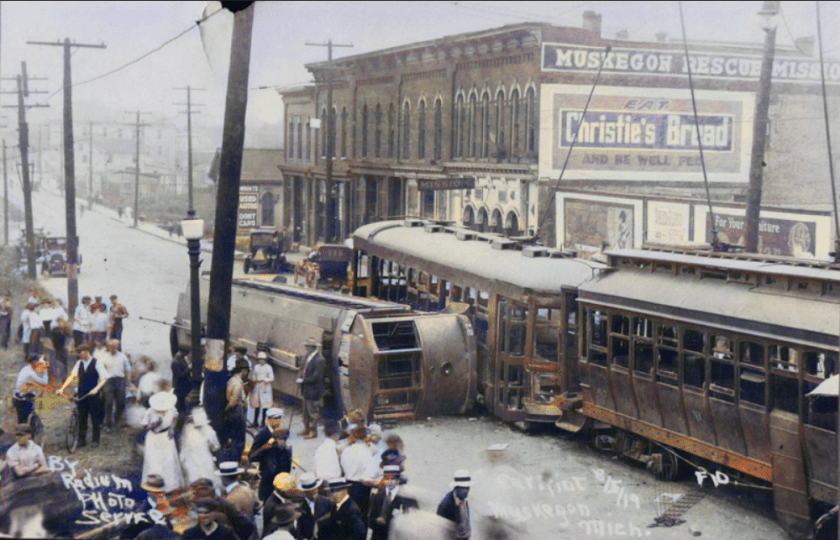
The Muskegon Traction Company raised the ride fare by 1 cent in August of 1919, it began a riot that lasted through the night, destroying streetcars and causing chaos in the city.
Workers refused to pay more than 6 cents per fare ($1.06 in 2023 dollars).
[More here. h/t Pam M.]


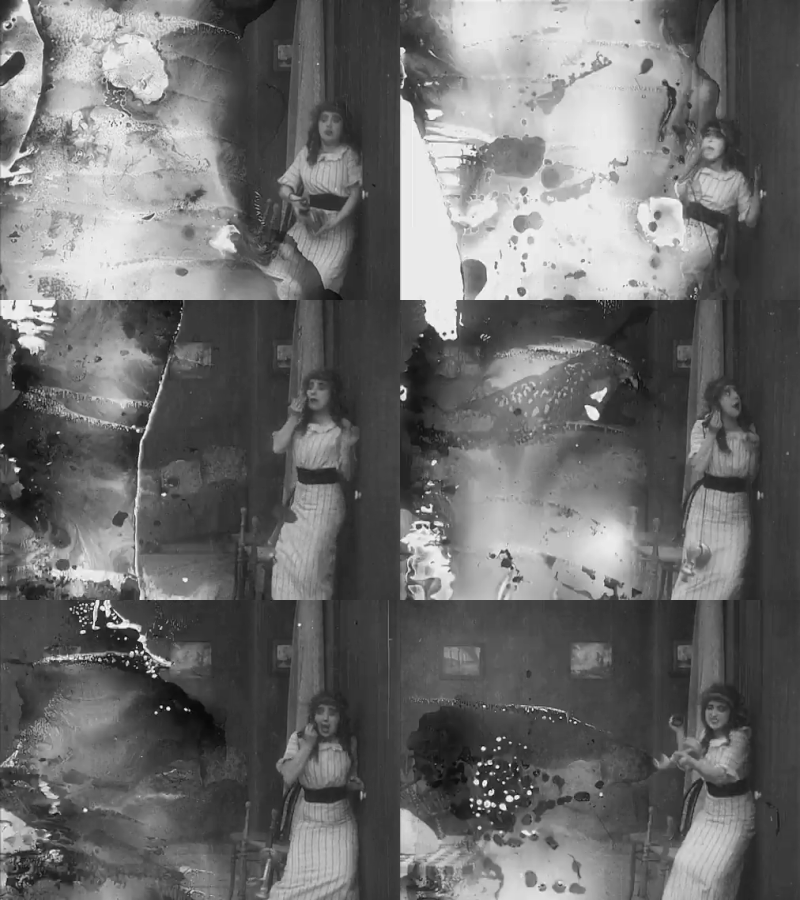
[Found here, here and here. The Mabel Normand clip was part of a damaged reel from the short film Won in a Cupboard (1914).]
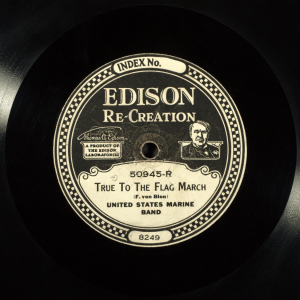 True To The Flag, United States Marine Band (1921)
Franz Von Blon composer The United States Marine Band is the premier band of the United States Marine Corps. Established by act of Congress on July 11, 1798, it is the oldest of the United States military bands and the oldest professional musical organization in the United States.
[80 rpm recording found here.]

Original caption:
American-built tank “America”, designed by Professor E.F. Miller of the Massachusetts Institute of Technology. Photographed in July of 1918.
[Un-colorized image found in this collection.]

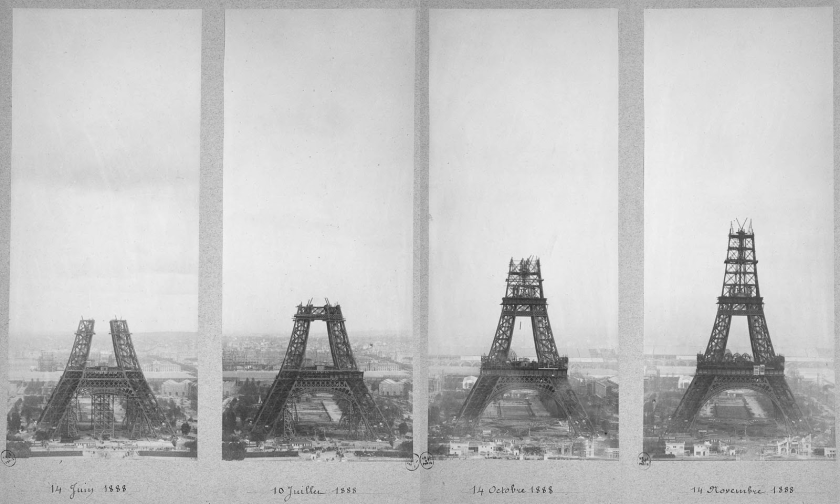
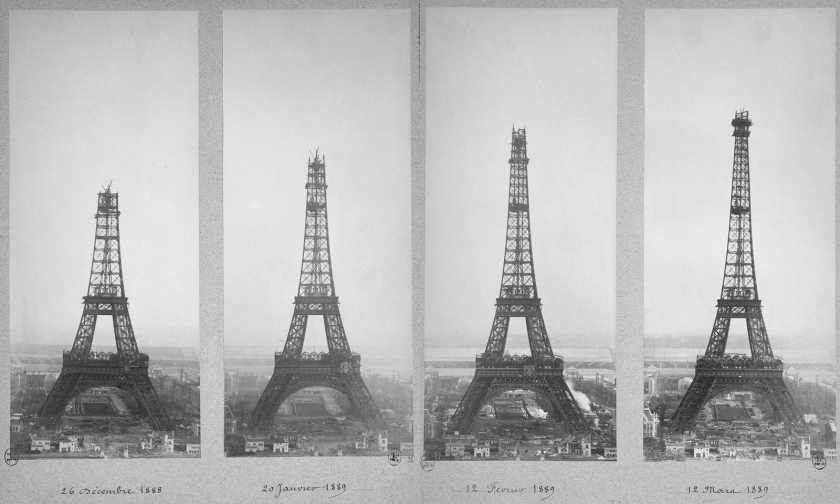
Fortunately, this never happened:
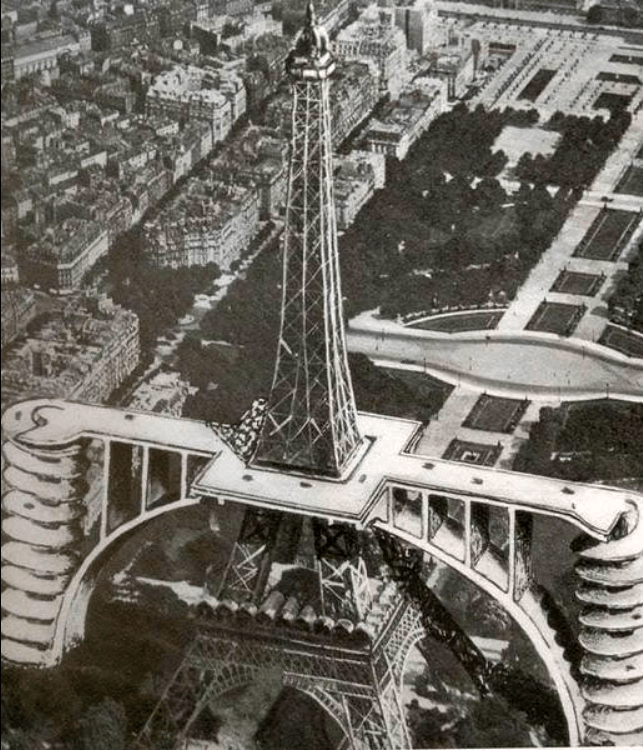
[Images – and more – found here.]
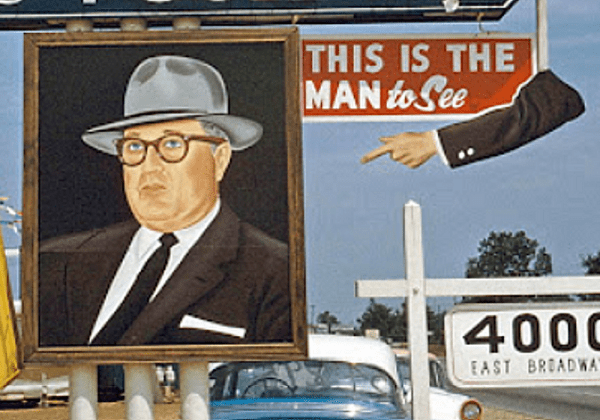
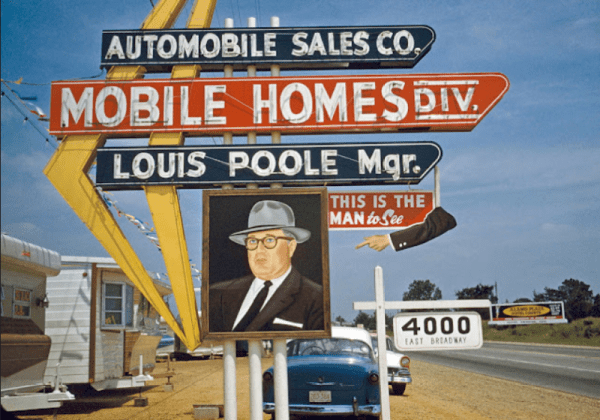
Photo credit: Inge Morath, 1960.
Outskirts of Memphis, Tennessee, during her 18-day road trip from New York to Reno, Nevada.
I hope she saw the man.
[Found here.]