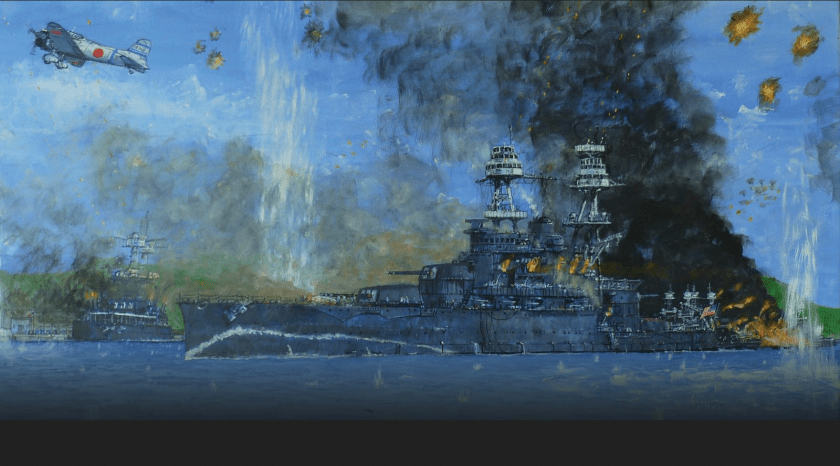
Dash For The Sea, Wayne Scarpaci
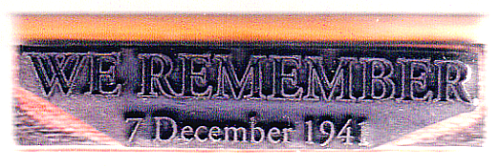
[Painting found here; the stamp was my late father’s.]

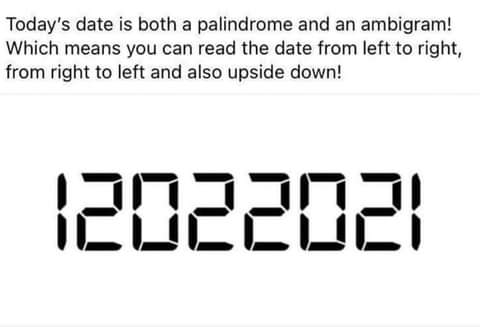
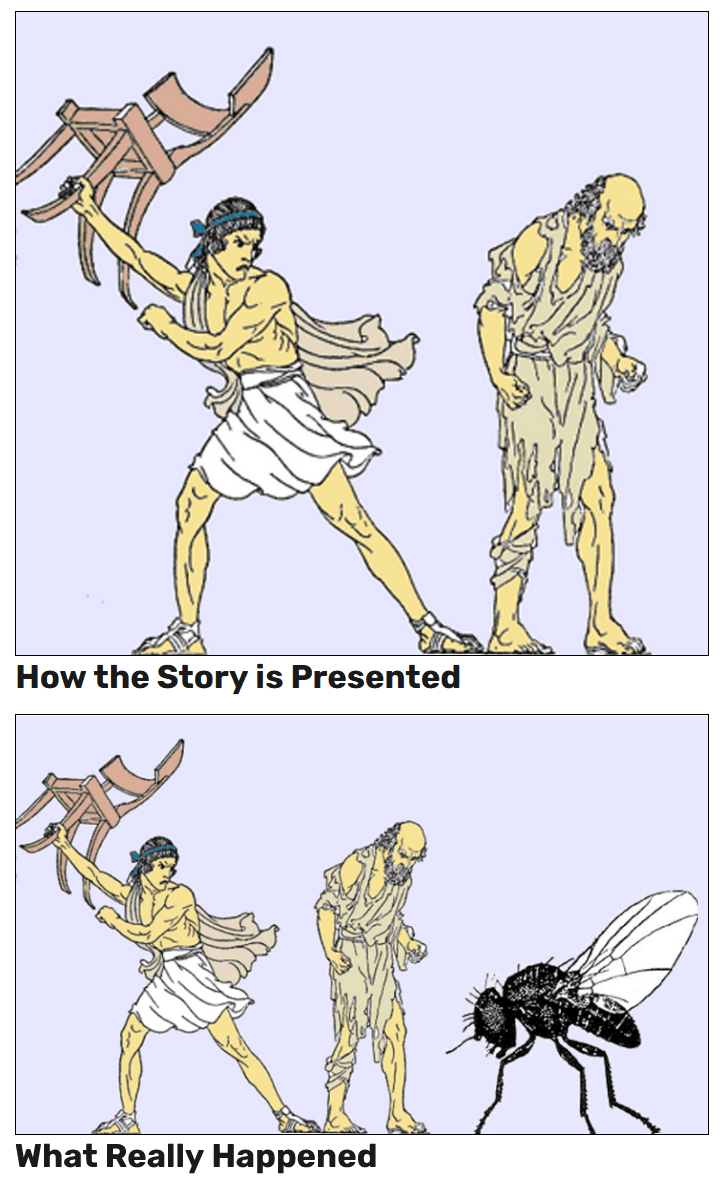
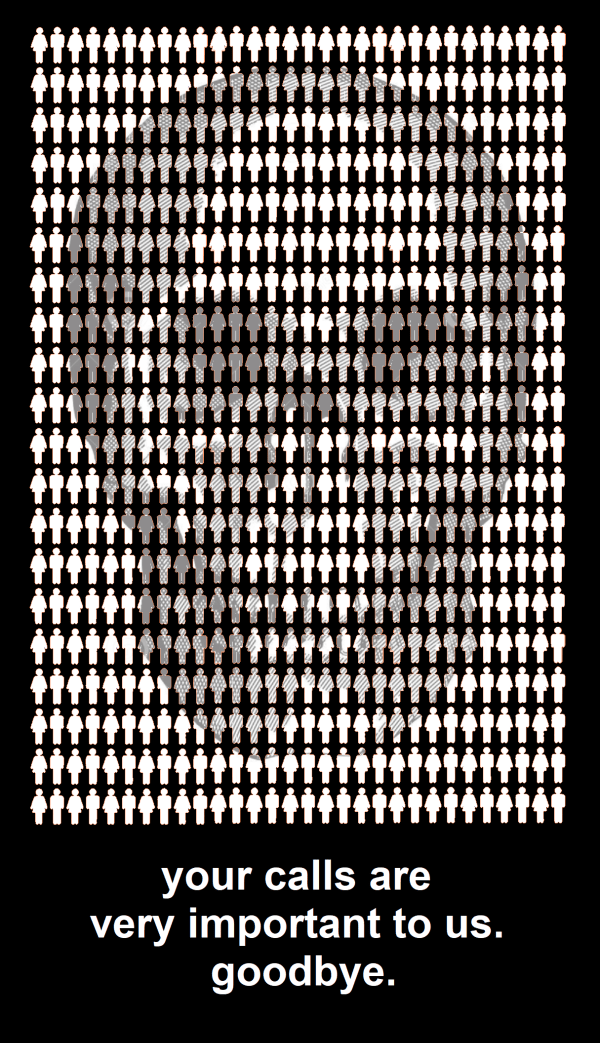
Images reposted from here and here for commentary on news media’s frequent use of Lying By Omission only, and has nothing to do with the conflict between Antinous and his attack on Odysseus.
Top image (uncolored) found here, with story: Continue reading “Media Bias”
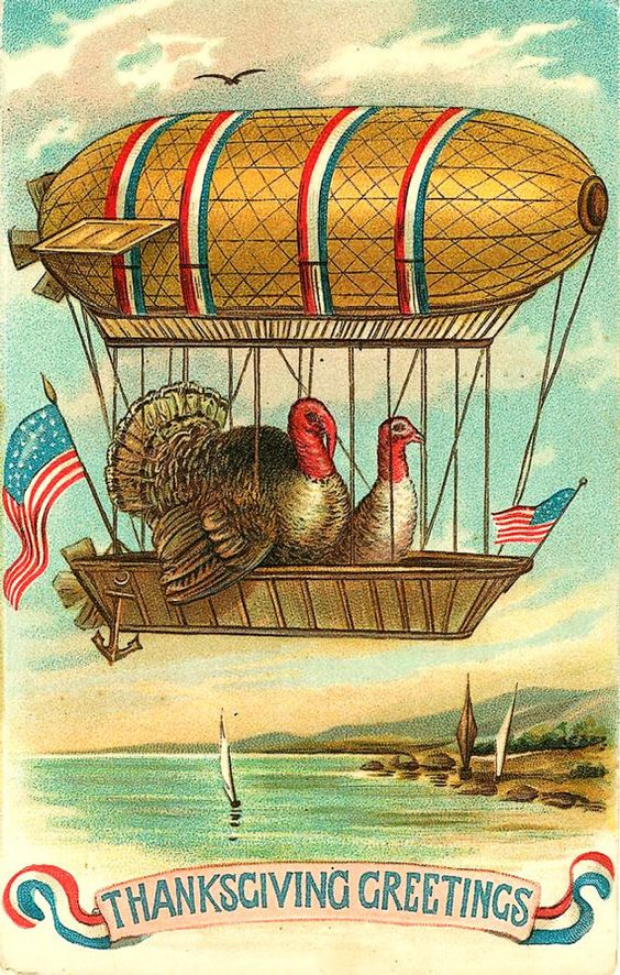
“The center of zeppelin production in the United States was Akron, Ohio. In 1916, the Goodyear Tire and Rubber Company purchased land near Akron to build a plant that could produce zeppelin aircraft. In 1917, the main Goodyear Company created a subsidiary known as the Goodyear Zeppelin Company to manufacture the zeppelins. That same year, the firm received a contract from the federal government to manufacture nine zeppelins for the United States military during World War I. Unfortunately for the company, its manufacturing facilities were not complete in 1917, so Goodyear completed the first airships inside of a large amusement park building in Chicago, Illinois. The military used these airships to bomb and to spy upon enemy positions.
At the conclusion of World War I, the Goodyear Tire and Rubber Company continued to manufacture zeppelins. The firm used most of these ships to advertise its products. By the late 1920s and the early 1930s, among the firm’s completed zeppelins were the Pony [1921-1923], Pilgrim [1925], Puritan, Volunteer, Mayflower, Vigilant, Defender, Reliance, Resolute, Enterprise, Ranger, and Columbia. [late 1920s – early 1930s].”
Those zeppelins were mostly used for shore patrol. The biggest hazard was that some yahoos liked to take pot shots at them, but they proved that the airships could sustain the damage and stay afloat. [Source]
[Original image source and date unknown; story found here.
More Thanksgiving stuffing here.]
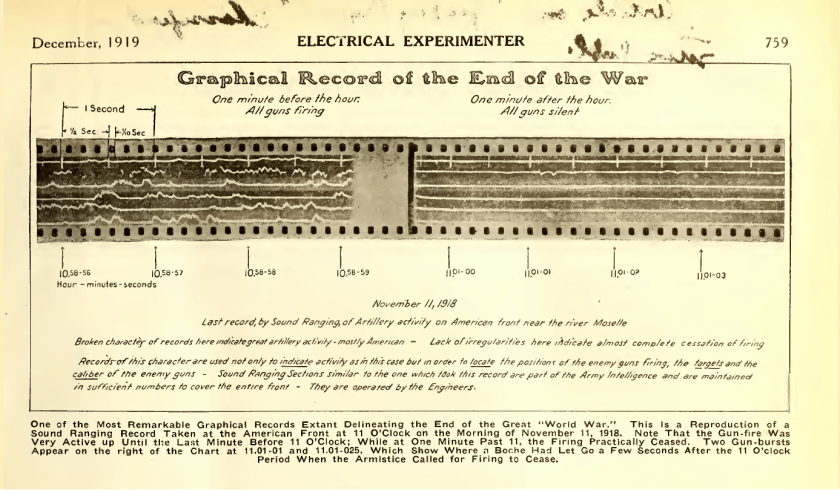
1 November 1918
On the Front
Mom and Dad:
Well a few lines. I received two letters from you last evening, and they made an excellent way for me to spend “Halloween.” Reading and rereading them.
A new drive started last night. The fellows called the start, “Holly even”, the Kaiser. Some noise. I suppose our kids tore off the usual stunts didn’t they.
You mentioned in one of you letters that you wanted to know the happenings for a while. Well, here is my diary for a day. And since almost every day is the same, you can get an idea from this: Continue reading “Armistice Day – The 11th Hour of the 11th Day of the 11th Month 1918”
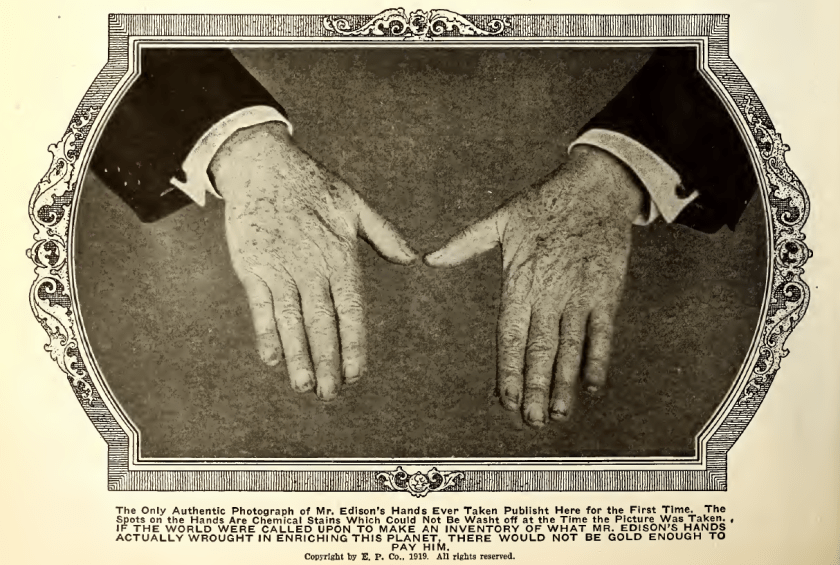
The Only Authentic Photograph of Mr. Edison’s Hands Ever Taken Publisht Here for the First Time. The Spots on the Hands Are Chemical Stains Which Could Not Be Washt off at the Time the Picture Was Taken.
IF THE WORLD WERE CALLED UPON TO MAKE AN INVENTORY OF WHAT MR. EDISON’S HANDS ACTUALLY WROUGHT IN ENRICHING THIS PLANET, THERE WOULD NOT BE GOLD ENOUGH TO PAY HIM.
Copyright by E. P. Co., 1919 All rights reserved.
[Image from Electrical Experimenter Magazine, December 1919, p. 20.]


 Tacky Raccoons