Night Fishing in Hawaii 1948

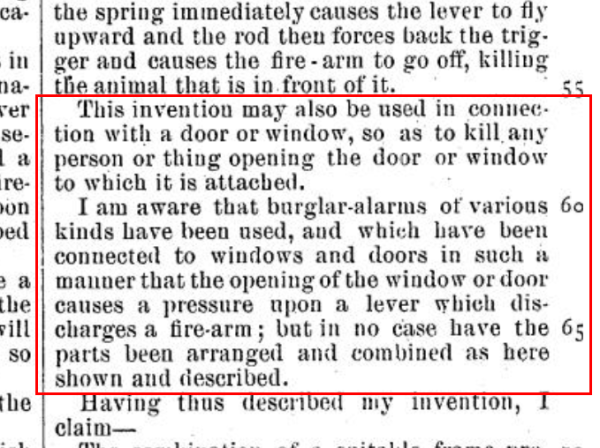
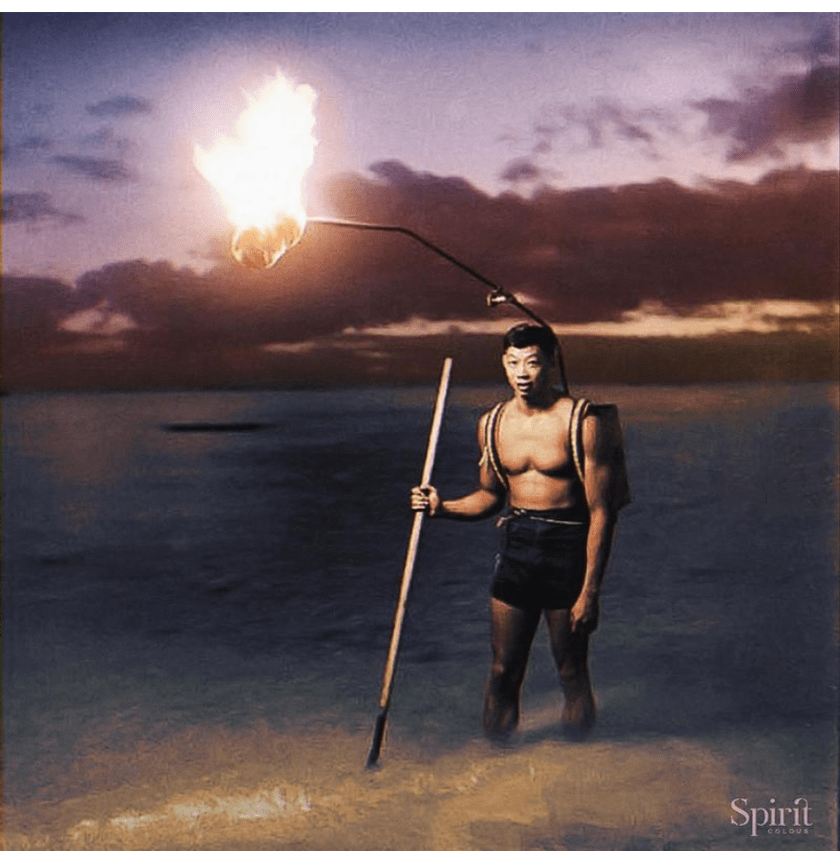
The colorization of this photo shows you exactly what it was like to go night fishing in Hawaii years before it became an official state of the Union. At the time, Hawaiians used spears to catch fish in the shallow part of the ocean or along the more rocky terrain. The kukui-nut torch that this man is using isn’t just to light up his evening, it draws in fish to the his position.

In order to get a bright enough torch fishermen would wrap the kukui nut in leaves and attach them to a pole and light them on fire. To make them brighter they wrapped more leaves around the nut and then they would add roasted kukui nuts to a hollow sheath of bamboo and light those on fire as well. Even in the middle of the 20th century this was a way to remain close to nature while taking from the sea.

[Image and caption found in this great collection. h/t Eaglesoars.]

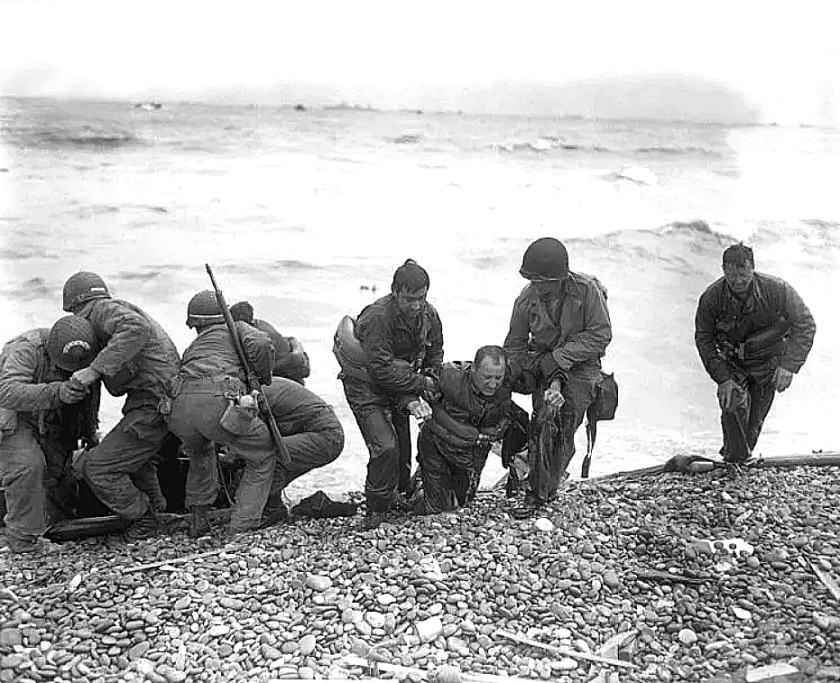
D-Day 6 June 1944

Somewhere on the coast of France.

[More D-Day images here.]

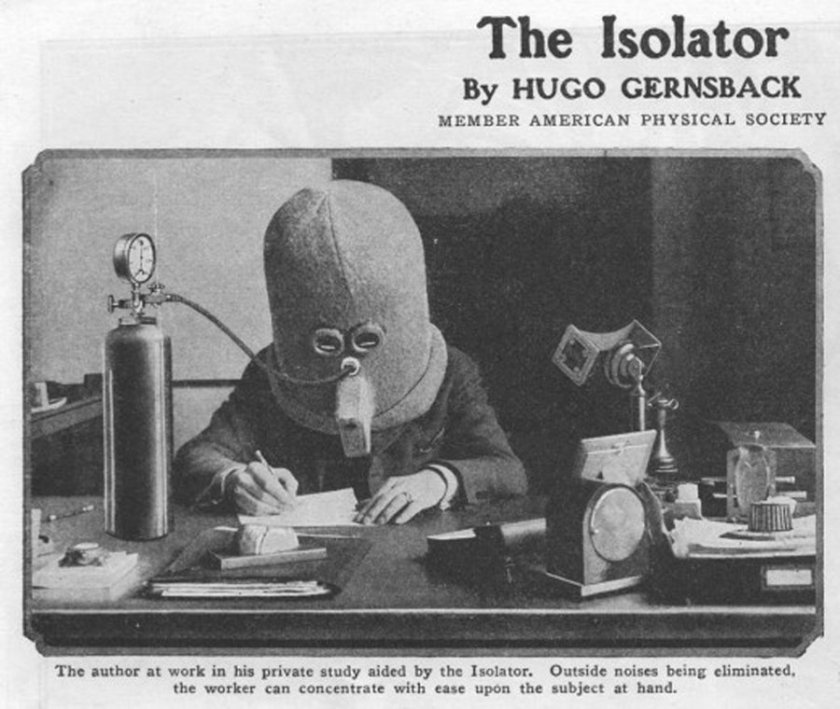
Hugo Gernsback’s Contribution To The World: The 1925 Isolator

"The greatest difficulty that the human mind has to contend with is lack of concentration, mainly due to outside influences.

If, by one stroke, we can do away with these influences, we will not only be benefitted greatly thereby, but our work would be accomplished more quickly and the results would be vastly better.

[...]

It will be noted that the glass windows directly in front of the eyes are black. The construction involved the use of ordinary window glass, the outer glass being painted entirely black. Two small white lines were scratched into the paint, as shown. The idea of this is as follows:

The writer thought that shutting out the noises was not sufficient. The eye would still wander around, thereby distracting attention. By having the two white lines scratched on the glass, the field through which the eye can move is comparatively small."
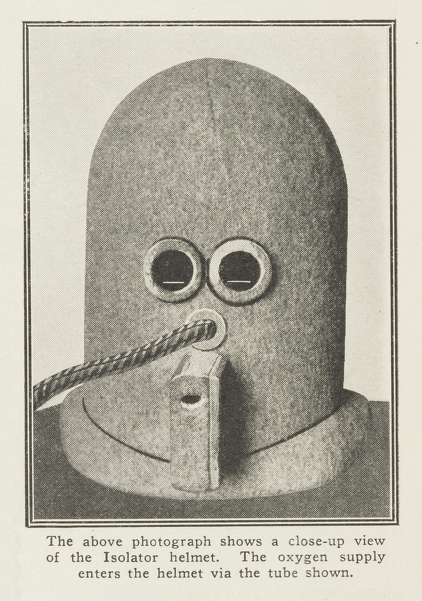
Prescient satirical concept… or perhaps he was serious:

According to [Steve Silberman, author of NeuroTribes: The Legacy of Autism and the Future of Neurodiversity, 2015] Gernsback himself may have been “an undiagnosed Aspergian”: “His peers regarded him as an unsociable figure who remained coolly distant from the communities he created. The people he counted as friends tended to be prominent scientists, influential politicians, and other notable figures with whom he corresponded by mail; historian James Gunn observed in Alternate Worlds that he was ‘a strange mixture of personal reserve and aggressive salesmanship’.

Silberman refers to the Isolator in particular as Gernsback’s “most blatantly autistic creation”.

Read the full description of The Isolator from the July 1925 edition of Science and Invention.

The Hugo Awards were named after Hugo Gernsback, who is regarded as “The Father of Science Fiction”.

[Found here.]

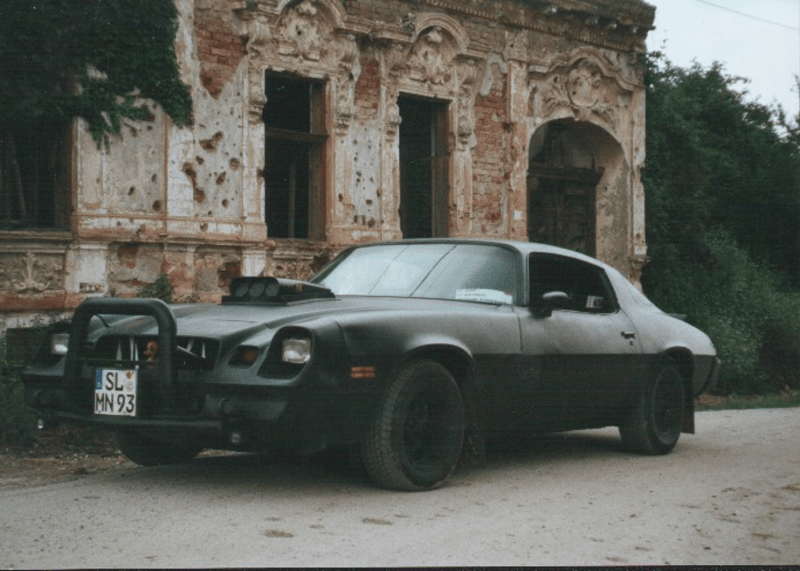
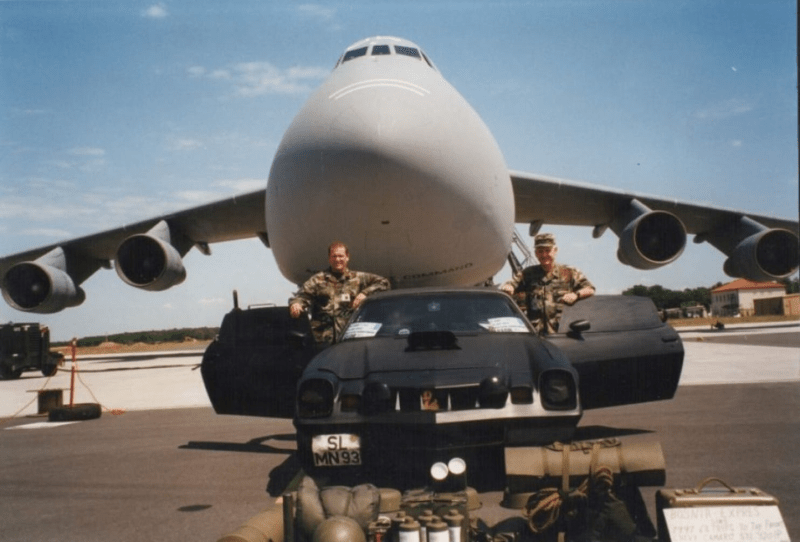
Bosnian Ghost Car

Helge Meyer was on a mission.

In the early 1990s, a former Danish special forces soldier felt a calling from God to go to Bosnia and provide humanitarian aid during the Bosnian War.

With the help of the US Army, he was able to fulfil that mission, driving through dangerous conditions to deliver relief to citizens of the war-torn country with only his Bible and a tricked-out [1979] Camaro – the Ghost Car.
War History Online

“And do you see that extra panel under the front of the car? Well, that’s not just a panel….it’s a mine-clearing blade. And if you take a closer look at the radiator grill, you’ll notice a cute yellow rubber duck.”
Drivetribe

Links where I found the story are defunct / deleted for some reason. A search for Helge Meyer  and/or Bosnian Ghost Car produces many results.

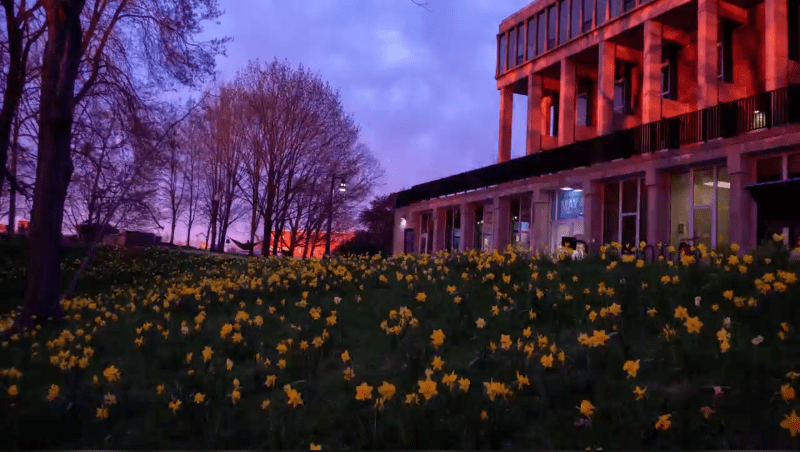
52 Years Ago Today – Kent State

Taylor Hall, Kent State University, Kent, Ohio

[May 4th archive here.]

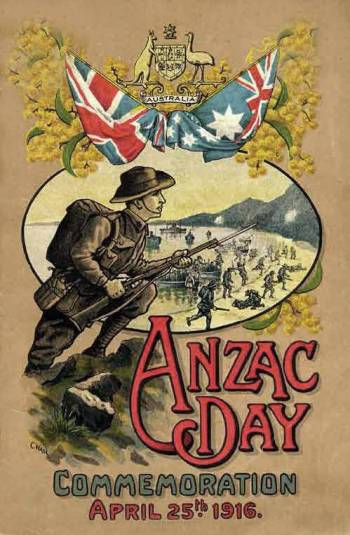
ANZAC Day

The Demise of a Fokker D.VII

GERMAN PLANE FALLS.  Fokker D-7 A German fighting airplane which “nose-dived” to destruction near a zeppelin shed at Namur.

From History of The Fokker D.VII

The Fokker D.VII is the only aircraft mentioned by name in the Armistice demands of November, 1918. Germany was ordered to surrender “1,700 airplanes (fighters, bombers – firstly, all of the D 7’S and all the night bombing machines)” (number of aircraft to surrender are not always the same).

armisitice1

In the end, not all D.VII’s were handed over. Some were flown back to Germany by their pilots and hidden in sheds. From the ones that were flown to the collection points of the Inter-Allied Control Commission, some were wrecked during landings or taxiing. After the war, some were sold abroad. Anthony Fokker flew from Germany and smuggled six trains with sixty wagons each full of aeroplanes and tools to Holland. Among these were 120 D.VII’s.


[Photos and more  here.]

More Wills’ Cigarette Cards – Civilian Defense Tips in WWII Britain

For many years it was the practice for cigarette manufacturers to put what was called a ‘cigarette card’ inside each packet of cigarettes. These and others were produced by the cigarette company ‘Wills, in collaboration with the ARP (Air Raid Precautions), an organisation dedicated to the protection of civilians from the danger of air-raids.

[Images found in here. Related post here.]

Wills’ Cigarette Cards – Civilian Defense Tips in WWII Britain

For many years it was the practice for cigarette manufacturers to put what was called a ‘cigarette card’ inside each packet of cigarettes. These and others were produced by the cigarette company ‘Wills, in collaboration with the ARP (Air Raid Precautions), an organisation dedicated to the protection of civilians from the danger of air-raids.

[Found in here. Related post here.]

Ukraine


Update: It appears that we’ve been duped. There are no good guys in the fight.