Apollo was a Frog

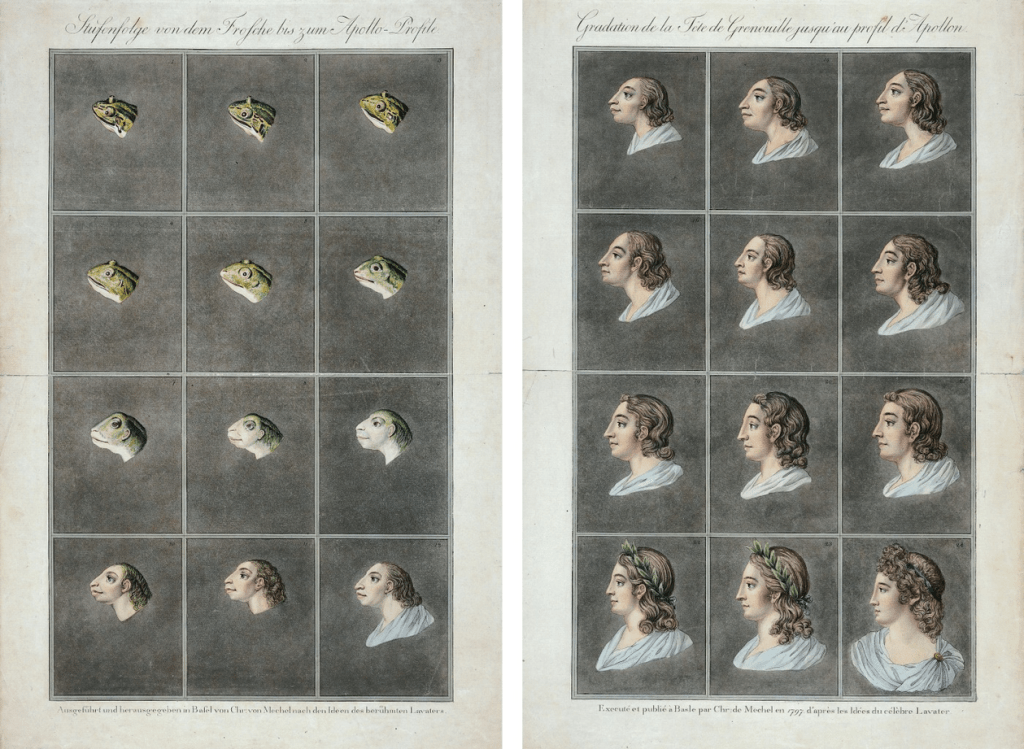
Coloured etchings by Christian von Mechel showing “stages from the frog to the profile of Apollo”, after the ideas of Johann Caspar Lavater, 1797

“The etchings above, commissioned by Lavater from the Swiss printmaker Christian von Mechel (1737–1817), put the physiognomist’s ideas into color and motion. Across twenty-four frames, the profile of an unassuming amphibian slowly metamorphs into that of Apollo (considered the epitome of masculine beauty). At its core, Lavater’s physiognomy relies on the belief that a creature’s true character and morality can be discerned from their “lines of countenance”, often revealed by analyzing silhouettes. In many ways, he spent his career trying to offer scientific proof of the ancient Greek concept known as kalokagathia — that goodness manifests as beauty, evil as ugliness — the focus of his greatest-known work, the four-volume Physiognomische Fragmente (1775–1778).”
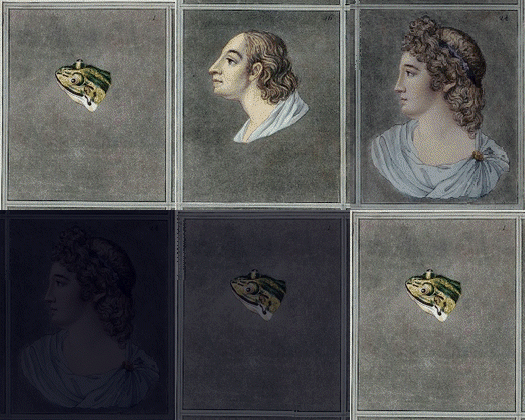
[Etchings and description found here. The .gif was created in my kitchen of wonder.]
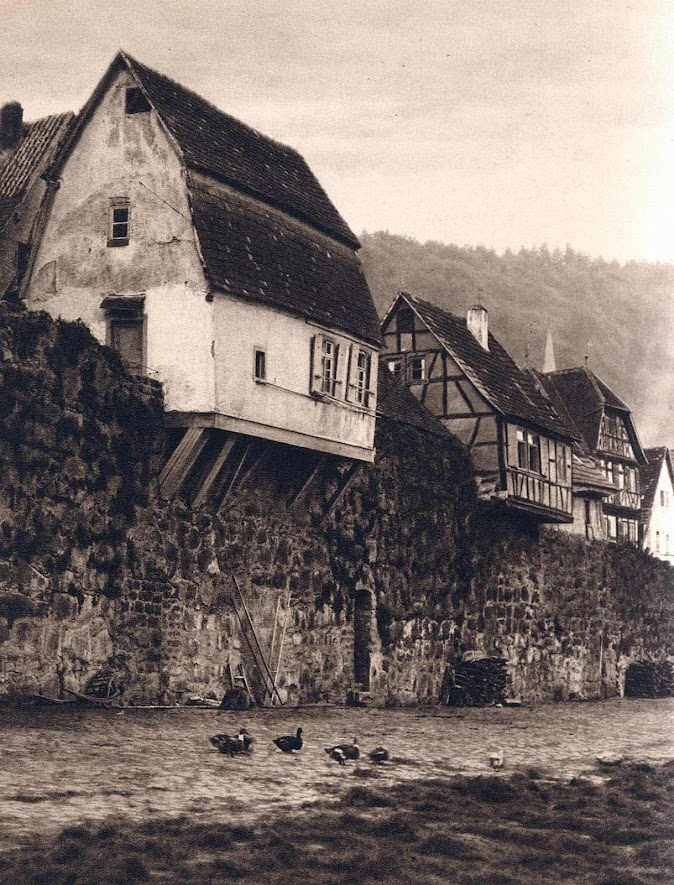

Hirschhorn, Germany

“Hirschhorn a. Neckar. Houses on the Town Wall”, 1931. From Deutschland by Kurt Hielscher. [F. A. Brockhaus, Leipzig, 1931]

The town of Hirschorn, on the bank of the Neckar River, dates to the mid 1200s AD. Top photo found here; recent photo from here. More photos by Kurt Hielscher here.

Treble & Bass

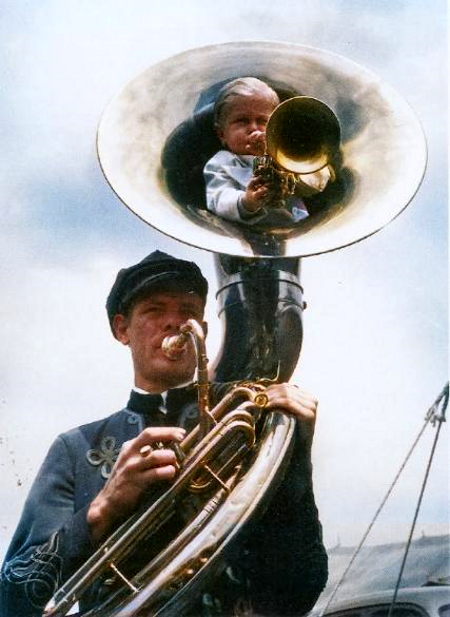
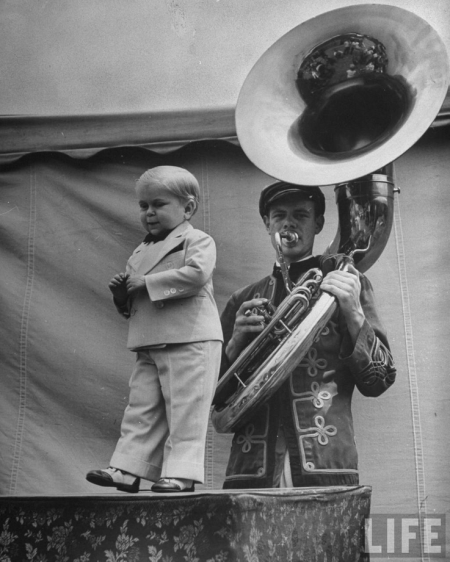
Czech midget showman Baron Richard Nowak, 19, stands 19 inches high & weighs 17 lbs., while posing on pedestal on the midway at the Hamid-Morton Circus next to one of the band’s tuba players. Location: Trenton, NJ, US. Date taken: July 1940. Photographer: John Phillips.

[Top image (uncolorized) found here; caption and bottom photo found here.]

The Pillar-Biter

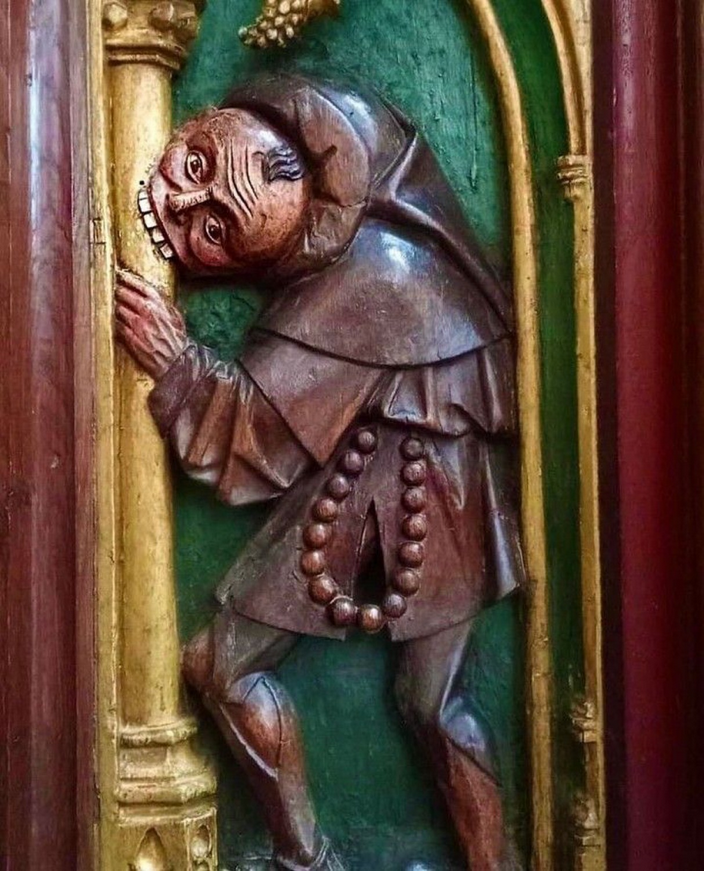
The Pillar-Biter (1509-1517), seen on the lower part of the choir screen of St. Bavo Church, Haarlem, the Netherlands.

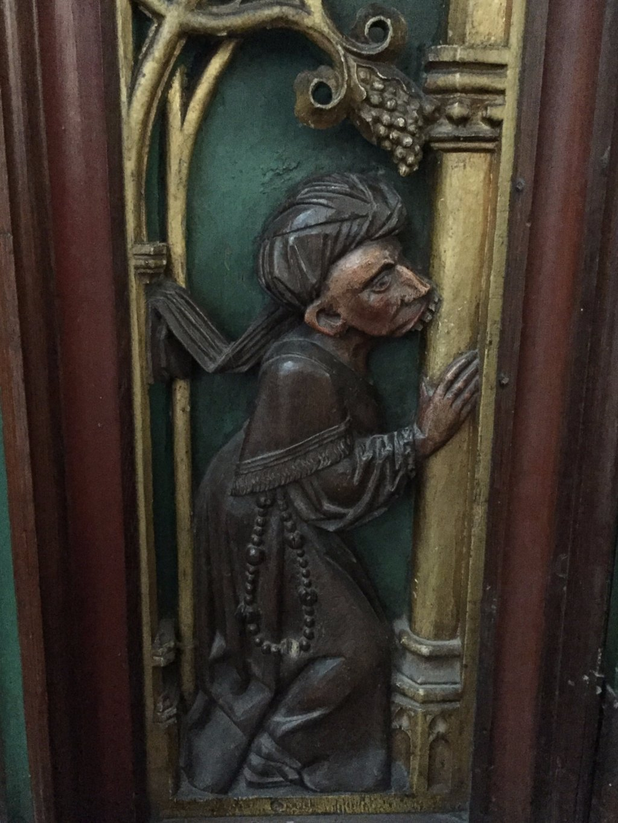
A common motif in late medieval and early modern Northern European art is the “pillar-biter.” Usually, the pillar-biter is depicted as a man who clings to a column while biting into it, but there are also representations of men and women who embrace or kiss columns. In the iconographic literature, the motif is usually linked to religious hypocrisy and the dissimulation of piety.

[Image found here, caption here.]


[Update: Another pillar-biter from the same church, found here.]

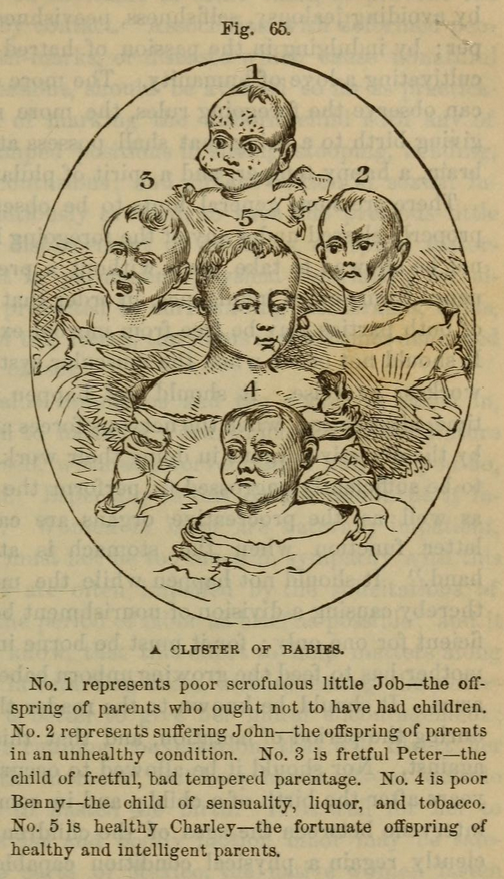
Scrofulous Little Job and Friends

[Found on Page 223 of Plain Home Talk About the Human System—the Habits of Men and Women—the Cause and Prevention of Disease—Our Sexual Relations and Social Natures Edward Bliss Foote, 1896.]

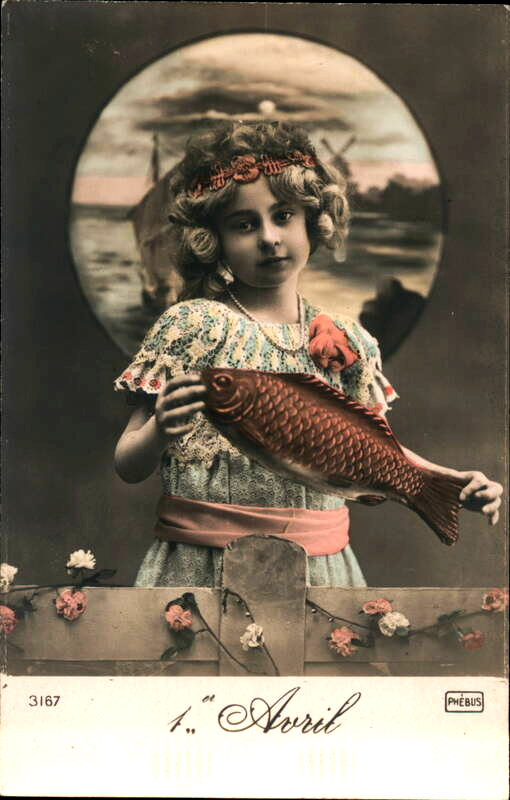
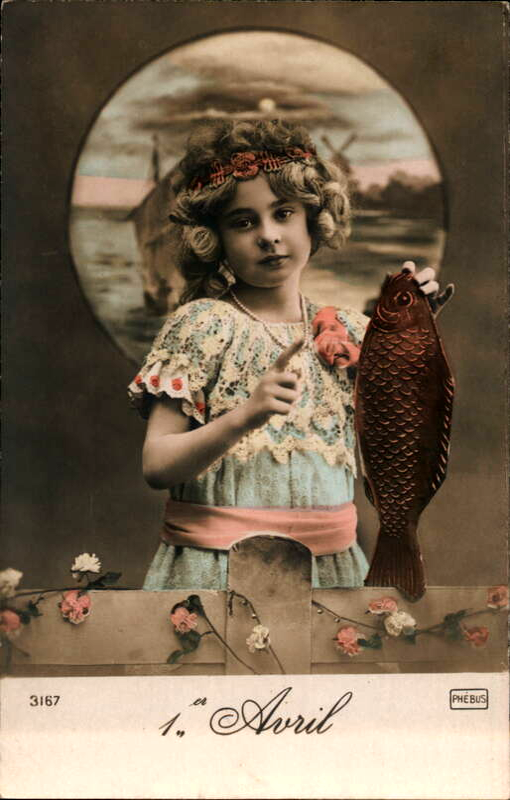
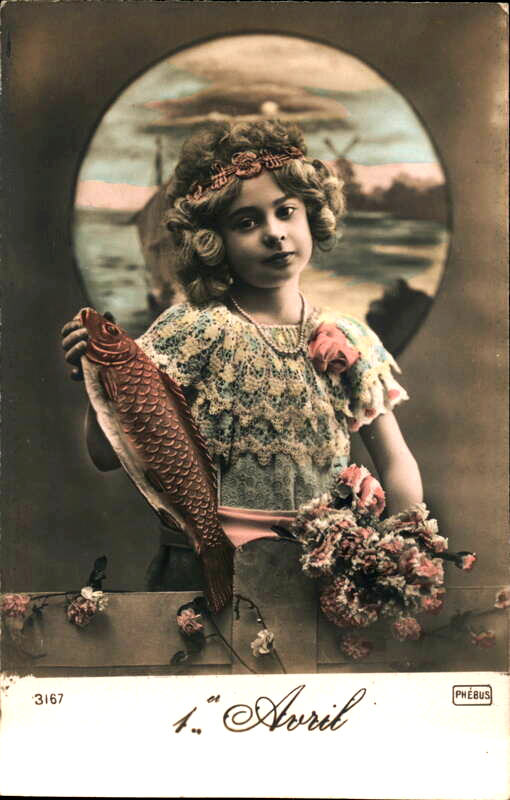
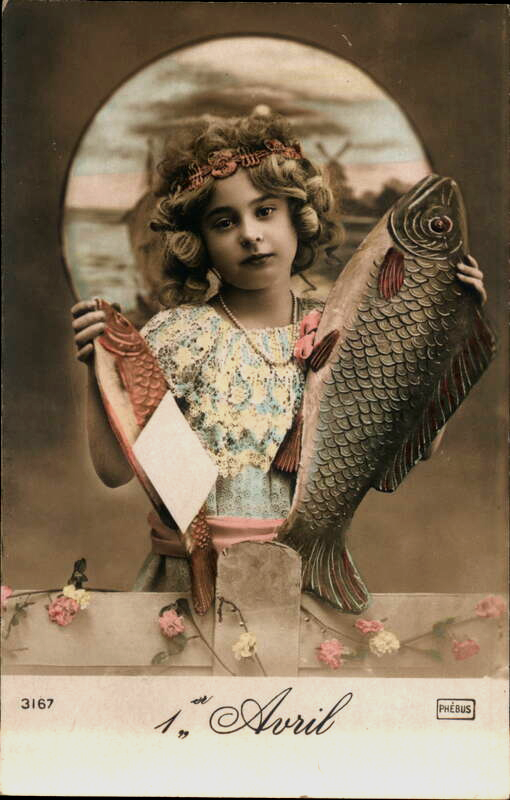
French April Fool’s Day Vintage Postcards

“Back in the old days in France (up until 1564), the new year was celebrated on April first, based on the Julian calendar. That was before King Charles IX came along and decided that everybody should be following the Gregorian calendar, which starts the new year on the first day of January.

“Not everyone welcomed this change, or so the story goes, and some people continued to celebrate April 1 as the first day of the year. Allegedly, those people were mocked and referred to as April fools. Whatever the case, it became a tradition to do things such as pasting a fish on unsuspecting people’s backs on April 1, and calling them a Poisson d’Avril or an April Fish. The symbol of the fish may also have been connected with Jesus Christ.”

[These undated postcards were found in this fine collection. There is a small envelope attached to one of the fish, meaning unknown. The caption, along with more vintage French April Fish postcards, found here.]

Railroad Inspection Cars

[Click any image for enlarge. Background story and more found here.]

Liberty [updated]

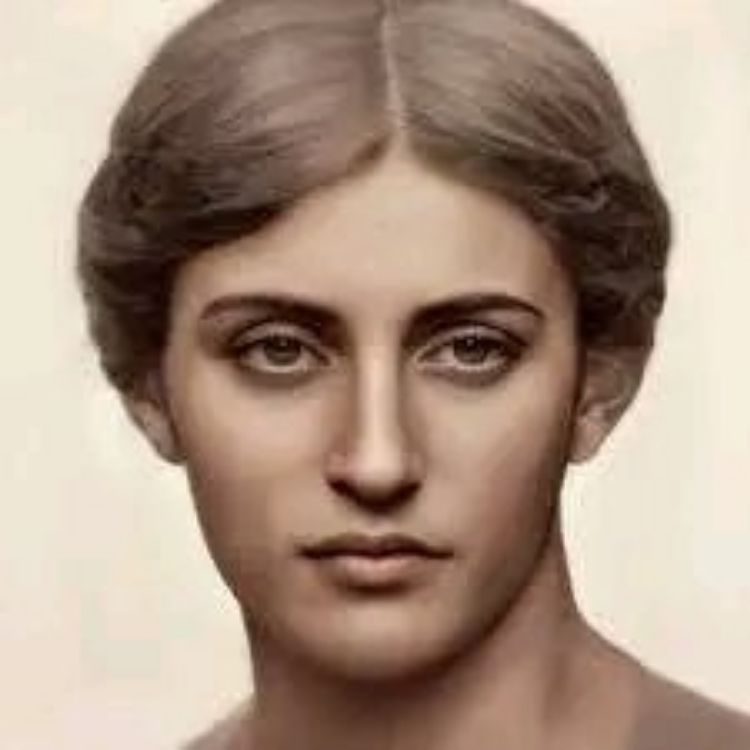
[Update: Image is NOT Isabella Eugénie Boyer; see below.]

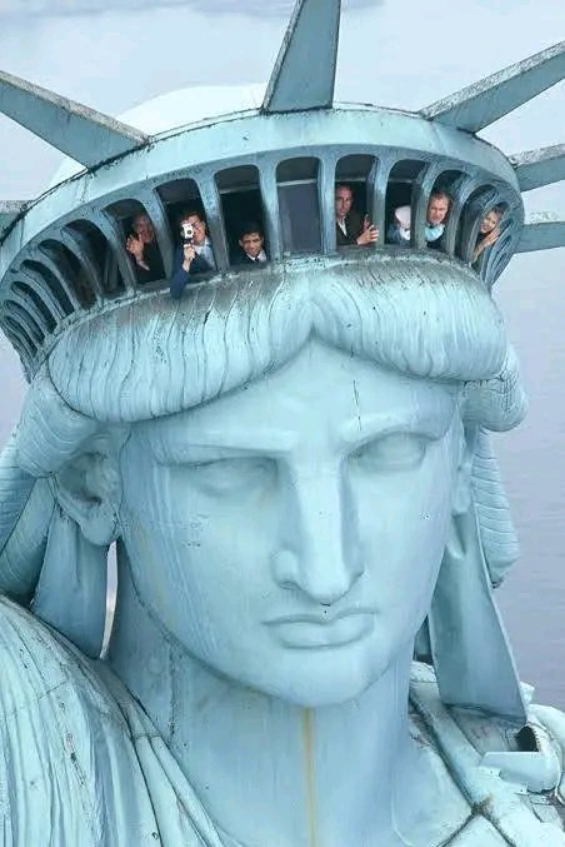
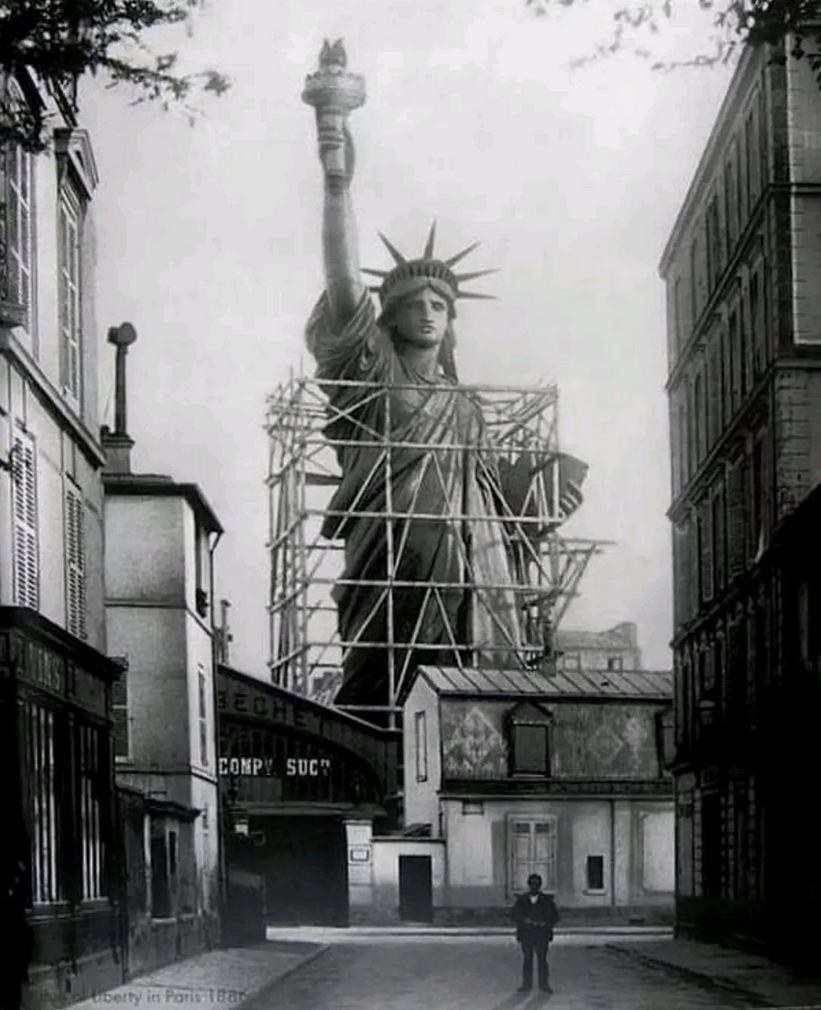
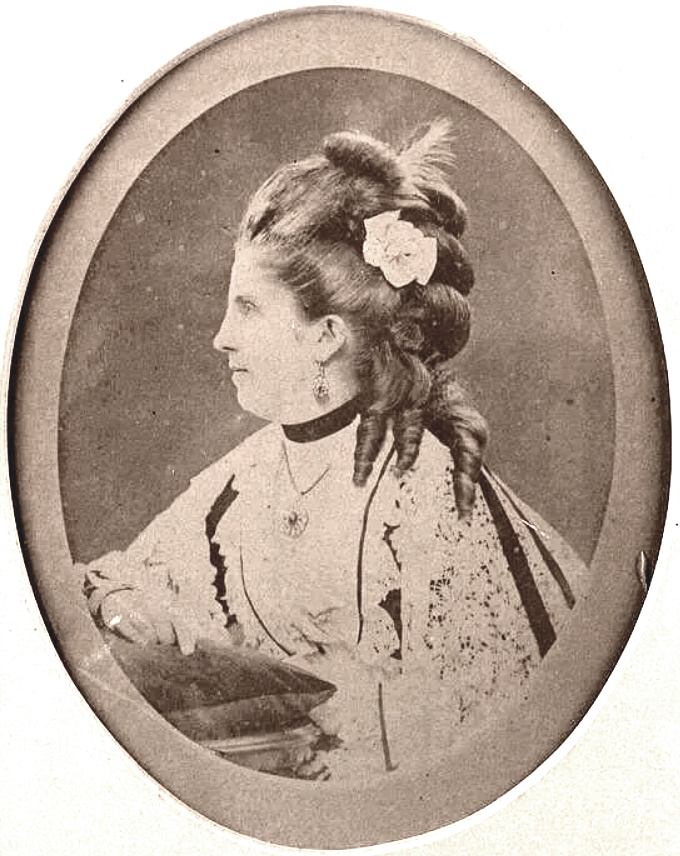
The face of the Statue of Liberty. Isabella Boyer’s life is like an exciting novel. She was born in Paris, the daughter of an African pastry chef and an English mother. Isabella had a special beauty and, at age 20, she married Isaac Singer, the sewing machine maker, who was 50 years old. After Singer’s death, Isabella became the richest woman in the country. It is not surprising that she was chosen as the model for the Statue of Liberty, as she embodied the American dream. Widowed, Isabella traveled the world and married the Dutch violinist Victor Robstett, becoming a countess. He became a prominent figure in America and Europe, and met the French sculptor Frédéric Bartholdi at a world event. Bartholdi, impressed by her beauty and history, used her face as a model for the Statue of Liberty. Isabella married a third time and died in Paris in 1904 at age 62, but her face lives on in the iconic statue in New York, symbolizing freedom and American pride.

[Found here, h/t Eaglesoars]


UPDATE: The top image appears to be the work of Bas Uterwijk and is an A.I. generated image of Aphrodite, not Isabella Eugénie Boyer (who may or may not have been the model for the Statue of Liberty).

Isabella Eugénie Boyer (1841-1904)
More about the viral photo here, here and here.
[h/t Gabriel]

D-Day 06 June 1944

The Daily Mail posted an interactive timeline of the D-Day, the Invasion of Normandy, 80 years ago today.

The .Gif Friday Post No. 855 – Painting in the Shade, Window Openers & Normandy Now and Then

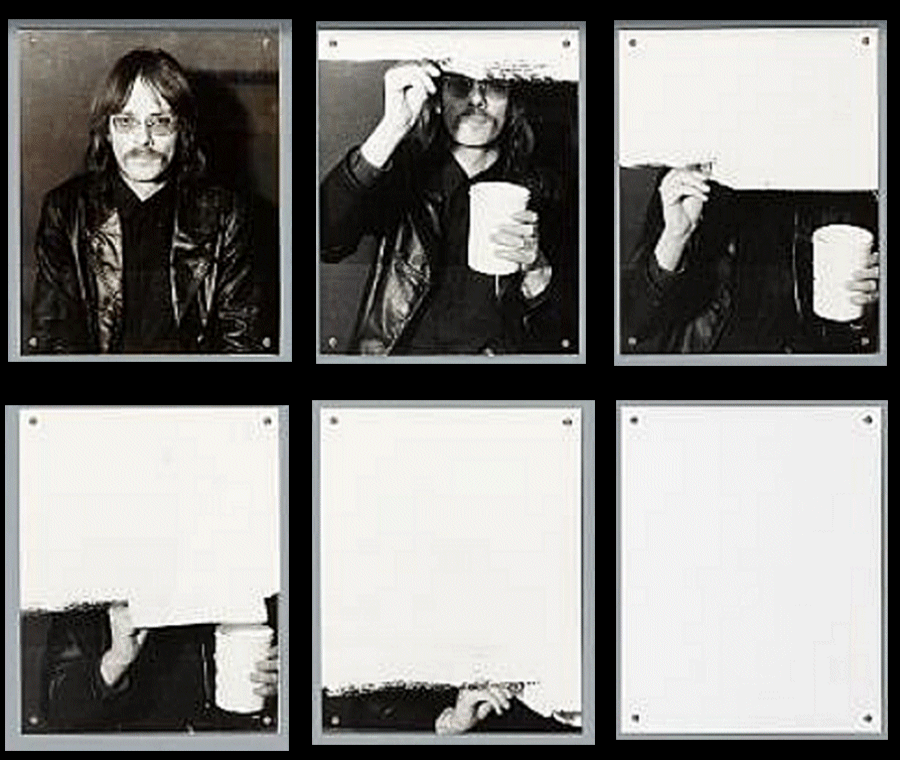
[Shade painter gif is comprised of ten photos titled Self-Erasure through Painting by German conceptual artist Timm Ulrichs ca. 1976.
Window openers found here.
Third  gif was morphed from WWII and present day photos of 2 Rte de Saint-Lô, Tessy sur Vire, Normandy, France, found here.