[Speakers up? Click here. Sure it’s a Christmas song, but so what.]

[Speakers up? Click here. Sure it’s a Christmas song, but so what.]
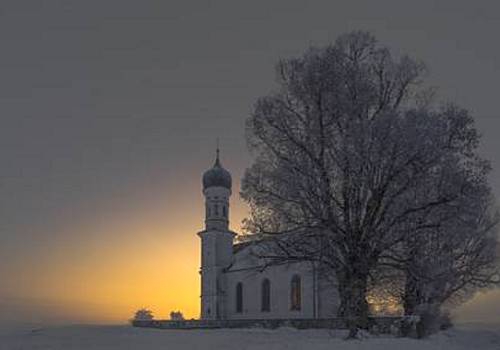
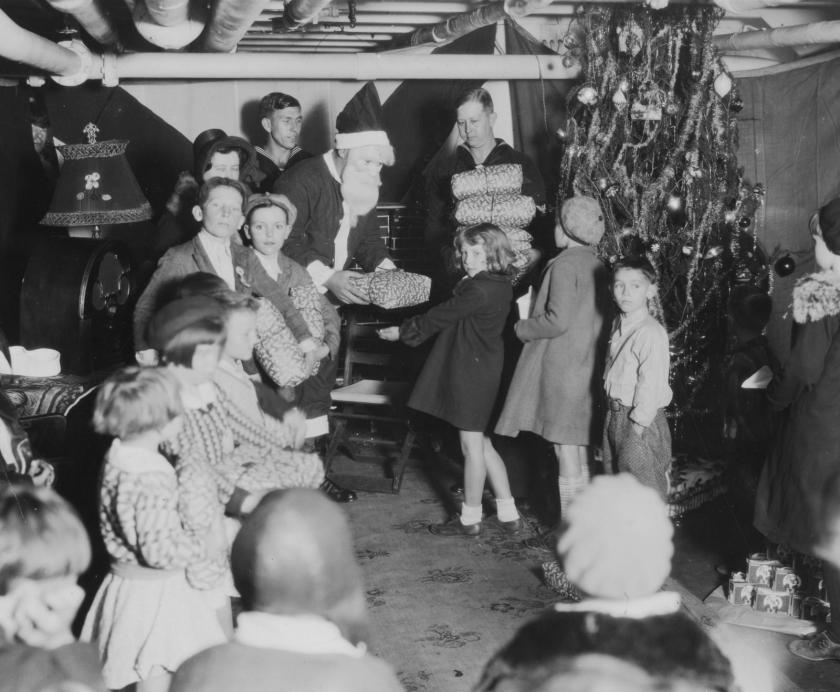
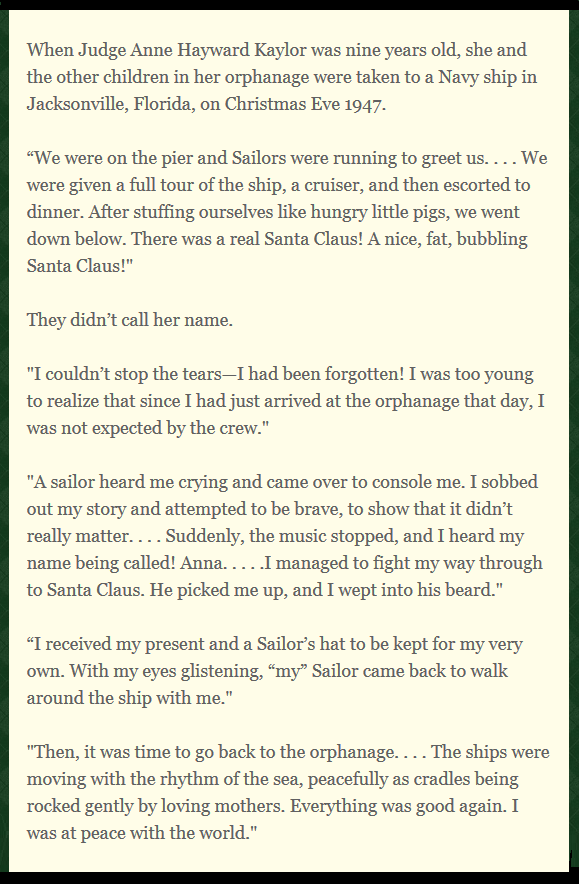
[Image & story From USNI.]
Terry Miles finds odd pubs and unusual venues with under-used pianos, then heaves bricks of boogie woogie at the heads of the unsuspecting patrons. I love it.
Wrap It Up: Bonnie Raitt, Brittany Howard, Gary Clark Jr. and Jimmie Vaughan take on the Sam & Dave soul classic. Good gawdamighty.
[h/t Christmas Carolyn R.]
The only vid better than the Magical Piano is this:
Christmas Of Love (Little Isidore & The Inquisitors) is one of my favorite holiday songs, and that video makes it all the better.
[Related Little Isidore vids here and here.]
Christmas is coming, and around here the presents always show up on time, so see you back here tomorrow.
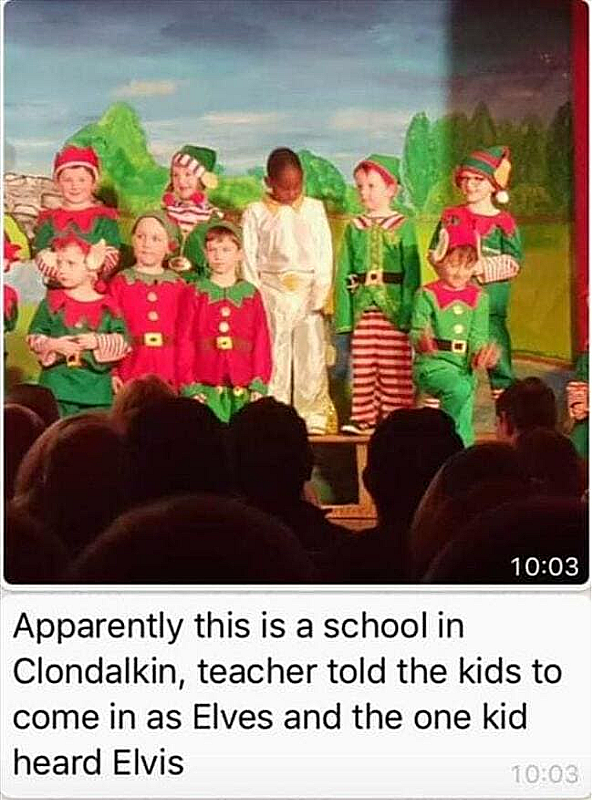
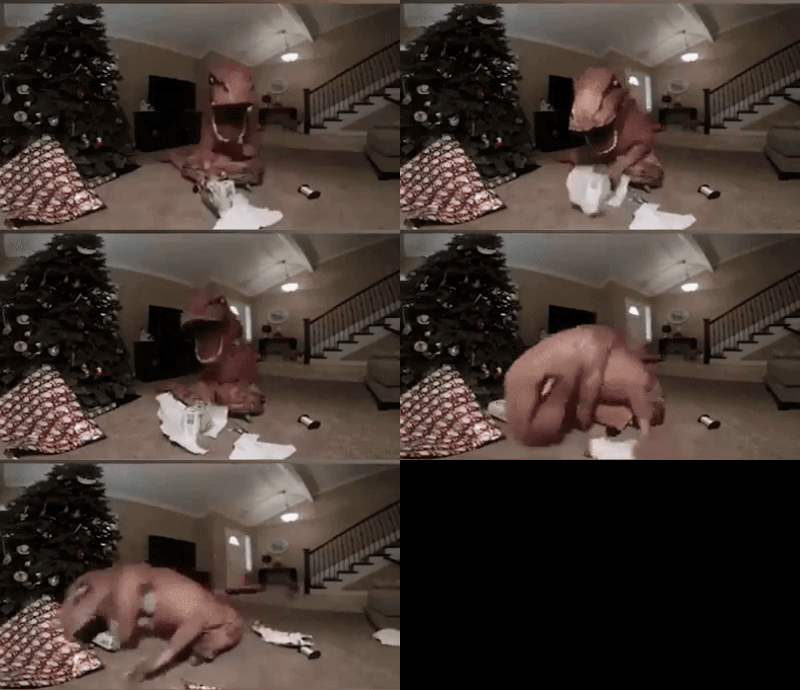
Kid’s got a killer costume, and is way cooler than the others.
Blue Christmas, indeed. Don’t Be Cruel, he’s All Shook Up.
[Found here.]
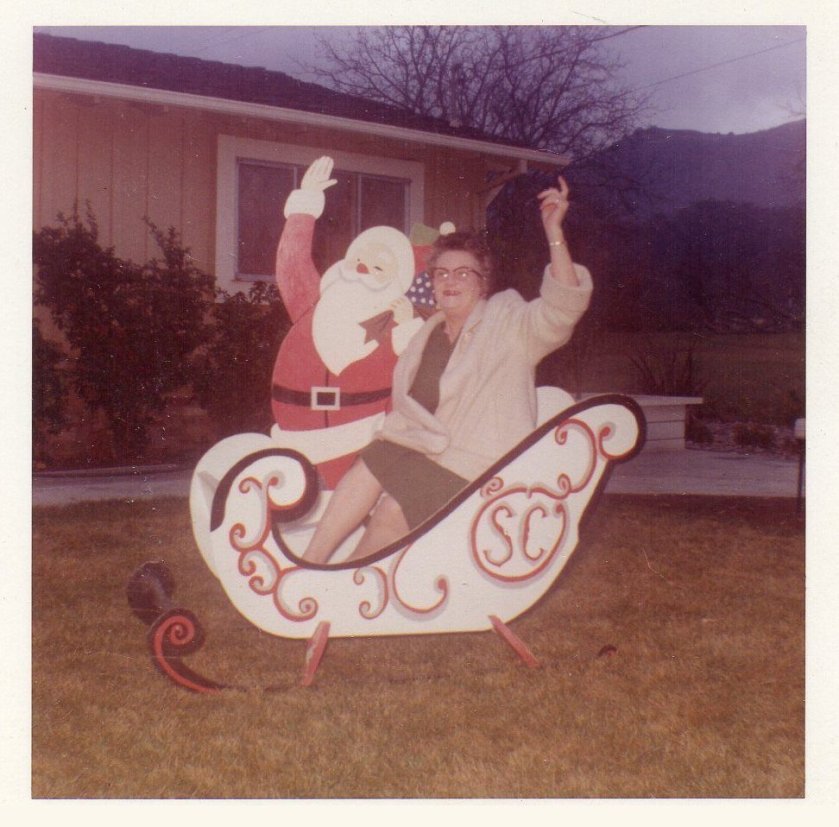
Someone was proud of that lawn decoration, and so was his missus. God bless them, and God bless the Polaroid camera for preserving it for all to enjoy decades later.
[Found here.]
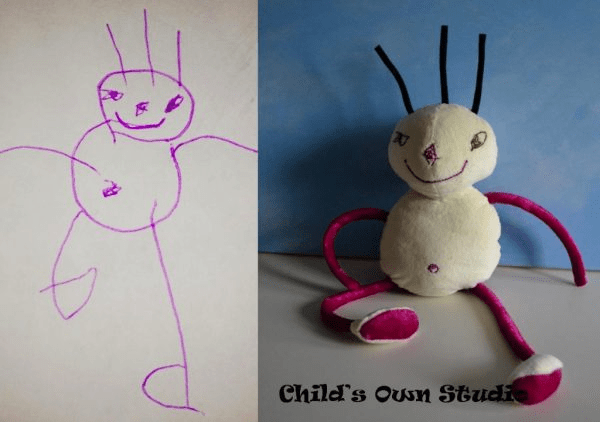
Child’s Own is a company that takes children’s pictures and turns them into stuffed animals things. Unfortunately, it’s too late to order for this Christmas, but it’s still a cool idea.
[Click on any image below for larger examples of awesome.]


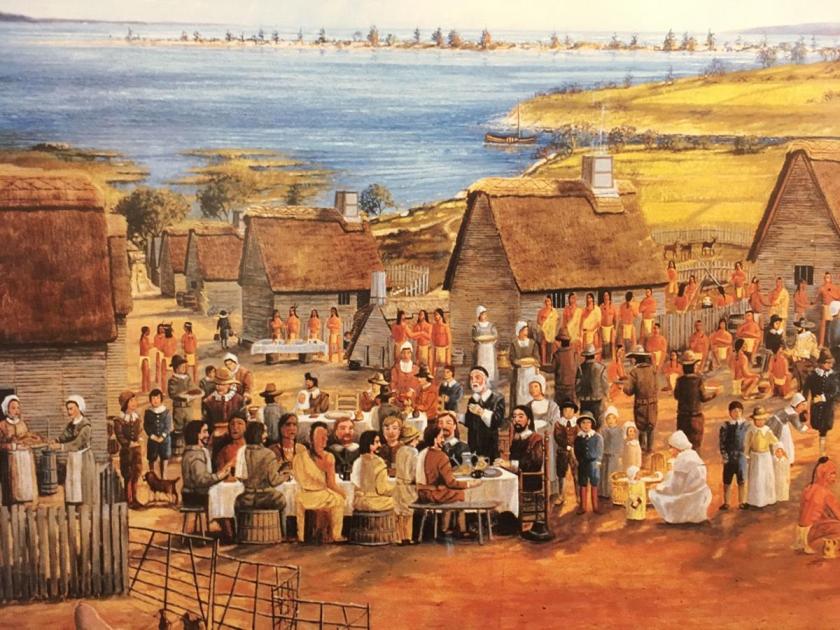
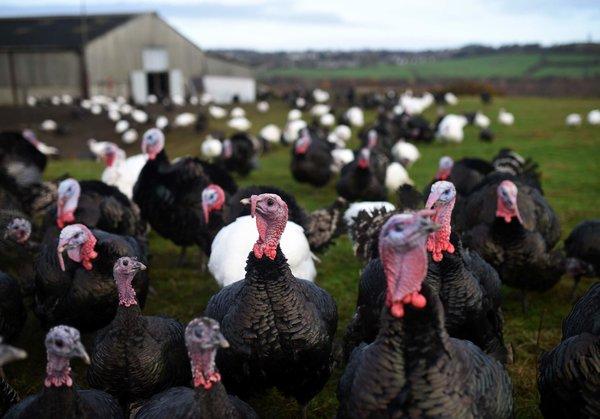
Nearly all of what historians have learned about the first Thanksgiving comes from a single eyewitness report: a letter written in December 1621 by Edward Winslow, one of the 100 or so people who sailed from England aboard the Mayflower in 1620 and founded Plymouth Colony in Massachusetts.
[…]
Just over 50 colonists are believed to have attended, including 22 men, four married women—including Edward Winslow’s wife—and more than 25 children and teenagers. These were the lucky ones who had made it through a rough entry into the New World, including a harsh winter during which an epidemic of disease swept through the colony, felling nearly half the original group. Some 78 percent of the women who had arrived on the Mayflower had died during the first winter, a far higher percentage than for men or children.
“For the English, [the first Thanksgiving] was also celebrating the fact that they had survived their first year here in New England,” Tom Begley [of Plymoth Plantation] points out.
The Plymouth colonists were likely outnumbered more than two-to-one at the event by their Native American guests. Winslow’s account records “many of the Indians coming amongst us, and amongst the rest their greatest king Massasoit, with some ninety men.” Massasoit (who was actually named Ousemequin) was the sachem (leader) of the Pokanoket Wampanoag, a local Native American society that had begun dealings with the colonists earlier in 1621.
[Image from here, historical commentary from here.
Related posts here.]

 Tacky Raccoons