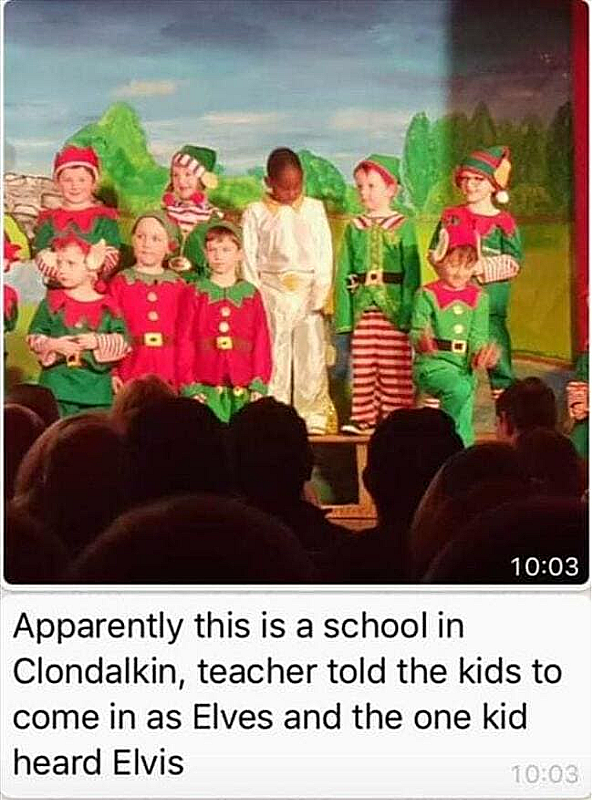
Kid’s got a killer costume, and is way cooler than the others.
Blue Christmas, indeed. Don’t Be Cruel, he’s All Shook Up.
[Found here.]

Kid’s got a killer costume, and is way cooler than the others.
Blue Christmas, indeed. Don’t Be Cruel, he’s All Shook Up.
[Found here.]
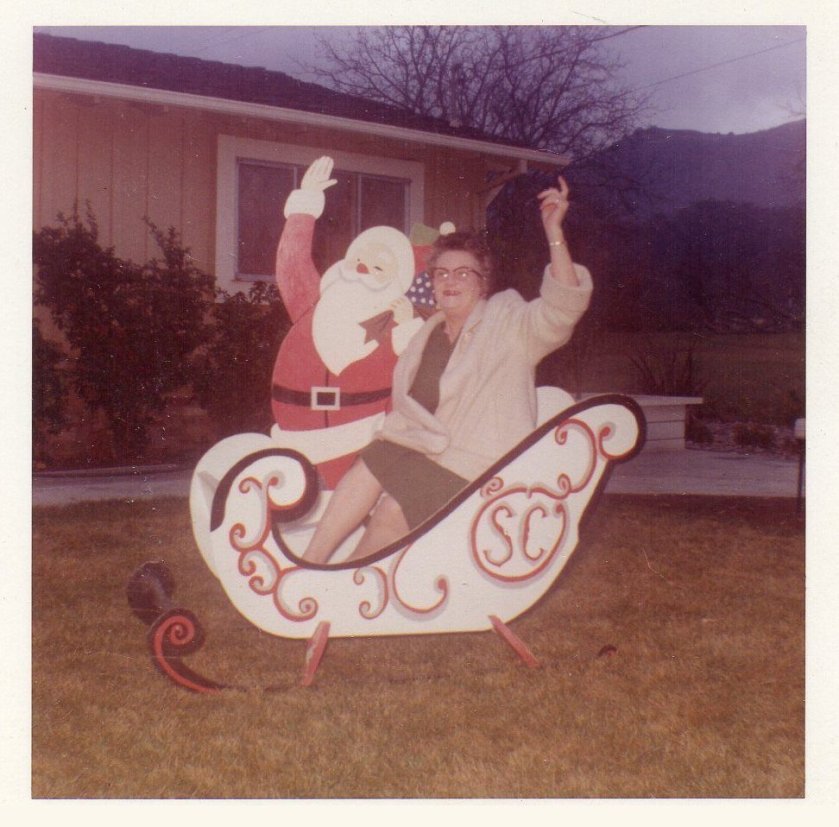
Someone was proud of that lawn decoration, and so was his missus. God bless them, and God bless the Polaroid camera for preserving it for all to enjoy decades later.
[Found here.]
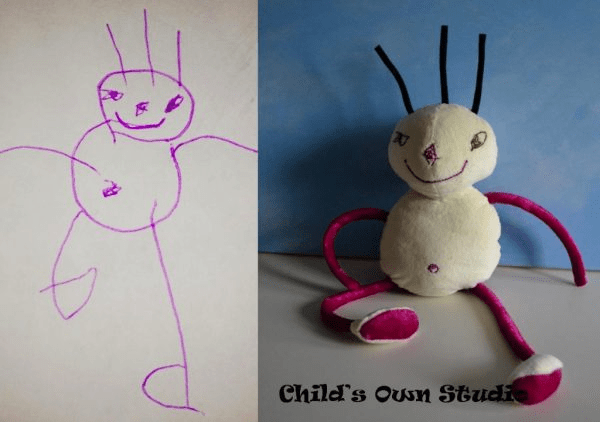
Child’s Own is a company that takes children’s pictures and turns them into stuffed animals things. Unfortunately, it’s too late to order for this Christmas, but it’s still a cool idea.
[Click on any image below for larger examples of awesome.]


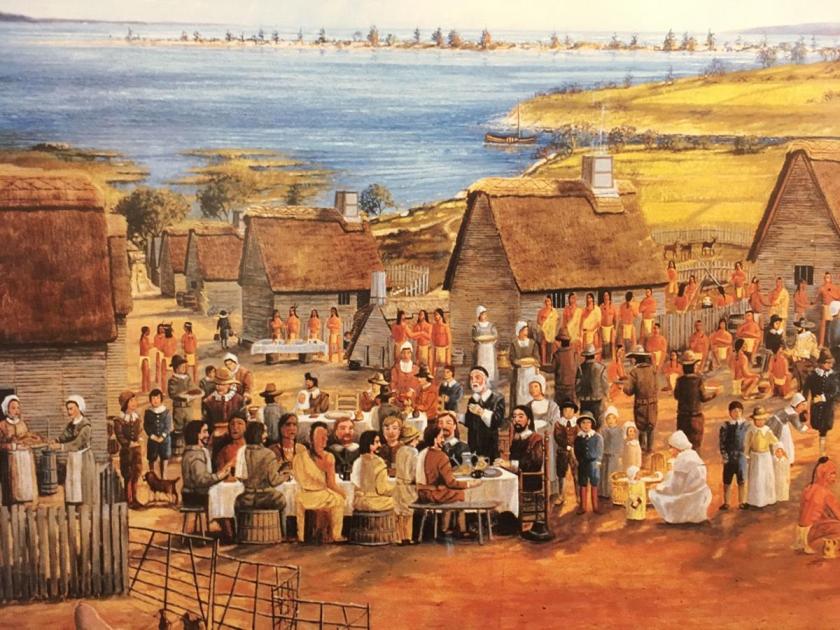
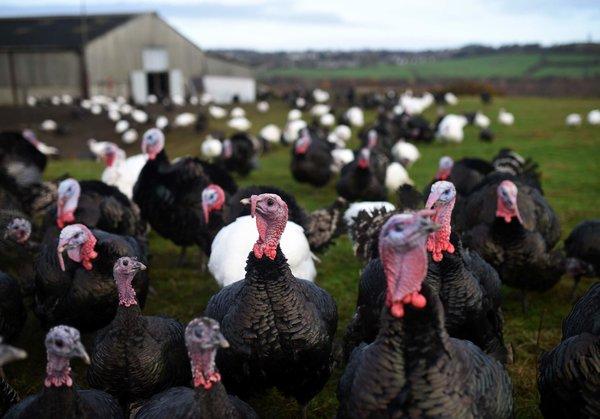
Nearly all of what historians have learned about the first Thanksgiving comes from a single eyewitness report: a letter written in December 1621 by Edward Winslow, one of the 100 or so people who sailed from England aboard the Mayflower in 1620 and founded Plymouth Colony in Massachusetts.
[…]
Just over 50 colonists are believed to have attended, including 22 men, four married women—including Edward Winslow’s wife—and more than 25 children and teenagers. These were the lucky ones who had made it through a rough entry into the New World, including a harsh winter during which an epidemic of disease swept through the colony, felling nearly half the original group. Some 78 percent of the women who had arrived on the Mayflower had died during the first winter, a far higher percentage than for men or children.
“For the English, [the first Thanksgiving] was also celebrating the fact that they had survived their first year here in New England,” Tom Begley [of Plymoth Plantation] points out.
The Plymouth colonists were likely outnumbered more than two-to-one at the event by their Native American guests. Winslow’s account records “many of the Indians coming amongst us, and amongst the rest their greatest king Massasoit, with some ninety men.” Massasoit (who was actually named Ousemequin) was the sachem (leader) of the Pokanoket Wampanoag, a local Native American society that had begun dealings with the colonists earlier in 1621.
[Image from here, historical commentary from here.
Related posts here.]
Veterans Day gives Americans the opportunity to celebrate the bravery and sacrifice of all U.S. veterans. However, many Americans confuse this holiday with Memorial Day.
A Brief History of Veterans Day
Veterans Day, formerly known as Armistice Day, was originally set as a U.S. legal holiday to honor the end of World War I, which officially took place on November 11, 1918. In legislation that was passed in 1938, November 11 was “dedicated to the cause of world peace and to be hereafter celebrated and known as ‘Armistice Day.'” As such, this new legal holiday honored World War I veterans.
In 1954, after having been through both World War II and the Korean War, the 83rd U.S. Congress — at the urging of the veterans service organizations — amended the Act of 1938 by striking out the word “Armistice” and inserting the word “Veterans.” With the approval of this legislation on June 1, 1954, Nov. 11 became a day to honor American veterans of all wars.
In 1968, the Uniform Holiday Act ensured three-day weekends for federal employees by celebrating four national holidays on Mondays: Washington’s Birthday, Memorial Day, Veterans Day, and Columbus Day. Under this bill, Veterans Day was moved to the fourth Monday of October. Many states did not agree with this decision and continued to celebrate the holiday on its original date. The first Veterans Day under the new law was observed with much confusion on Oct. 25, 1971.
Finally on September 20, 1975, President Gerald R. Ford signed a law which returned the annual observance of Veterans Day to its original date of Nov. 11, beginning in 1978. Since then, the Veterans Day holiday has been observed on Nov. 11.
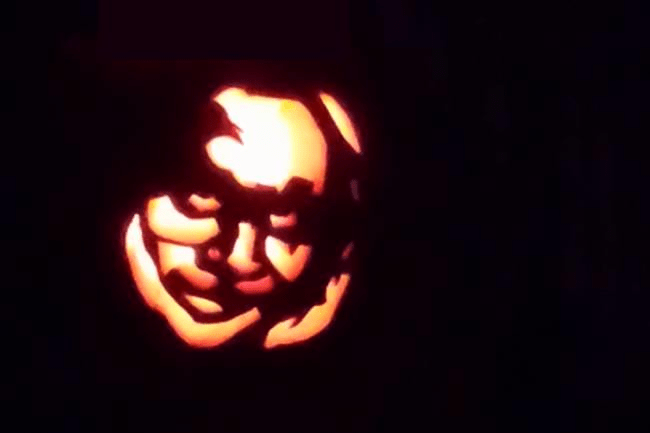
The missus did this one freehand.
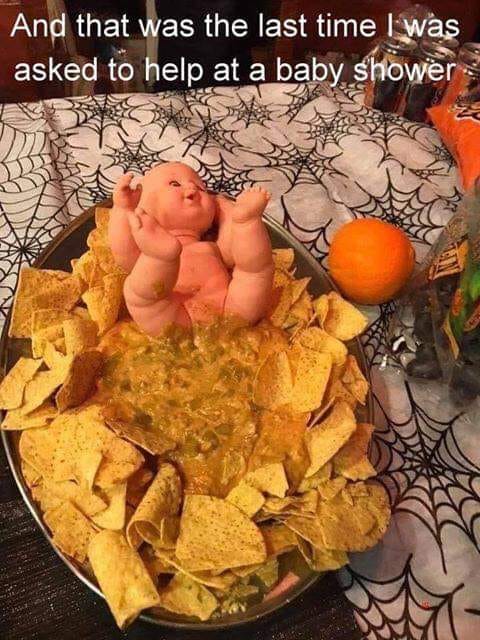
[Image found here.]
I really am sorry about posting that as far as you know, so check out our Halloween archives instead. If that’s not enough, try these oddities from 1933:
Meanwhile, THIS is scary:
Stay safe.