
“No. Don’t bother. Let’s see how she works.”
You see anyone moving to help her up? Neither do I.
[Image found here.]
Update: These nice people were clearly amused.

[Update 2: Here’s the story.]

“No. Don’t bother. Let’s see how she works.”
You see anyone moving to help her up? Neither do I.
[Image found here.]
Update: These nice people were clearly amused.
[Update 2: Here’s the story.]
[Found here.]
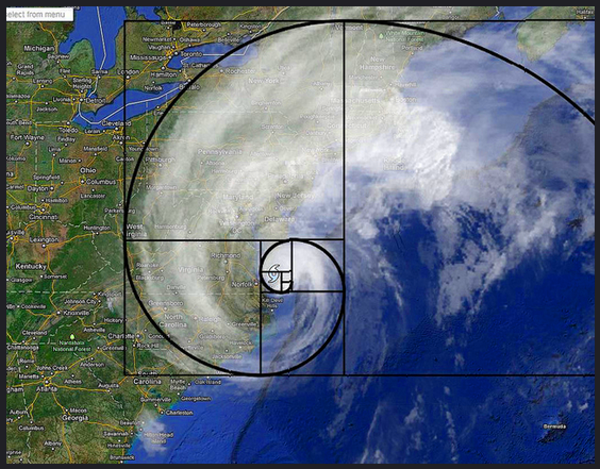

BTW. nature doesn’t run on mathematics, and the typical example of a nautilus shell exhibiting the proportions of Phi has been debunked. It’s still a fun exercise, counting the seeds in a sunflower’s (or pine cone’s) spirals and dividing the larger number by the smaller to see how close it approximates Phi.
Oddly enough, if you multiply Phi by ten it gives you the approximate average miles per hour on Interstate 10 between Santa Monica and Los Angeles in either direction at any hour of the day and any day of the week. TRUE.
[Image of Hurricane Sandy (2012) found here. The definition of Phi is stuck in my head, but it’s also found here.]

[Found here.]

No, it’s not a Harry Potter movie set. It’s a functional astronomical clock in Prague, Czech Republic. Its workings date to 1410AD and it’s still in operation after over 600 years.
[Image found here, story here. Here’s a video with an annoying soundtrack.]

This is as close to pr0n as you’re gonna get here, as far as you know. [Found here.]
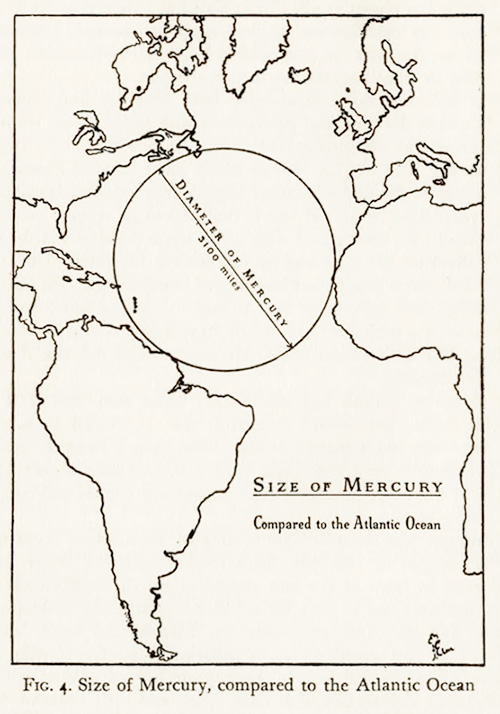
Most people have no concept of the size or depth of the Atlantic Ocean or the distances between continents, so this graphic is useless, inane and awesome at the same time. Very cool.
Now if the Planet somehow managed to violate its orbit and dropped in unexpectedly, Global Warming would indeed be something to worry about.