1100 sets of “Cheetos” were given to families in need from the Tula region of Russia. The snacks were provided by the food fund “Rus”. Families with many children and physically challenged children benefited from the action. Some sets included “Lays” chips. The families shared photos with “Cheetos” with the words of gratitude “for tasty snacks”.
Foodbank Rus collects food surplus from manufacturing and redistributes it to the needy. From the website:
“The Foundation is the first foodbank in Russia and regularly cooperates with the Russian Orthodox Church, charity organizations and governmental authorities. In 2016 the Foundation, jointly with the Children’s Rights Commissioner for the President of the Russian Federation, launched the program of food assistance to low-income families with children “Food to Help Mum”.
Within the program, on a weekly basis, dairy goods are distributed among low-income families via the Department of Labor and Social Security of Moscow.”
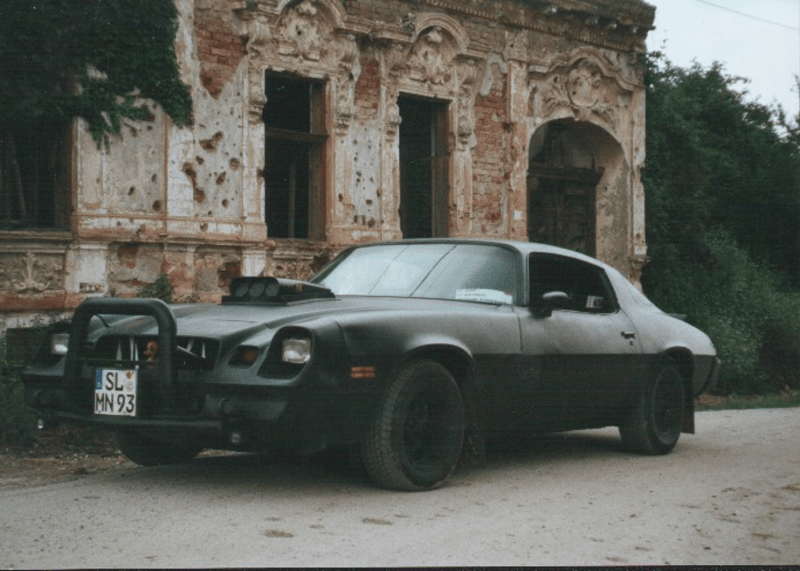
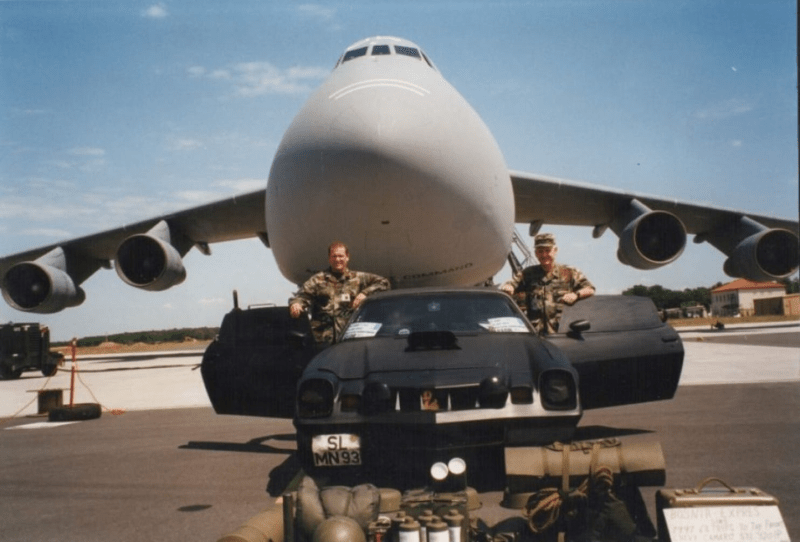
In the early 1990s, a former Danish special forces soldier felt a calling from God to go to Bosnia and provide humanitarian aid during the Bosnian War.
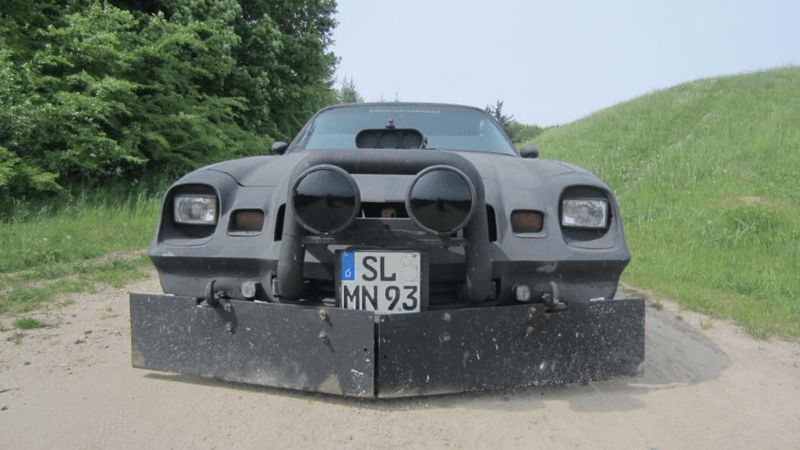
With the help of the US Army, he was able to fulfil that mission, driving through dangerous conditions to deliver relief to citizens of the war-torn country with only his Bible and a tricked-out [1979] Camaro – the Ghost Car. War History Online
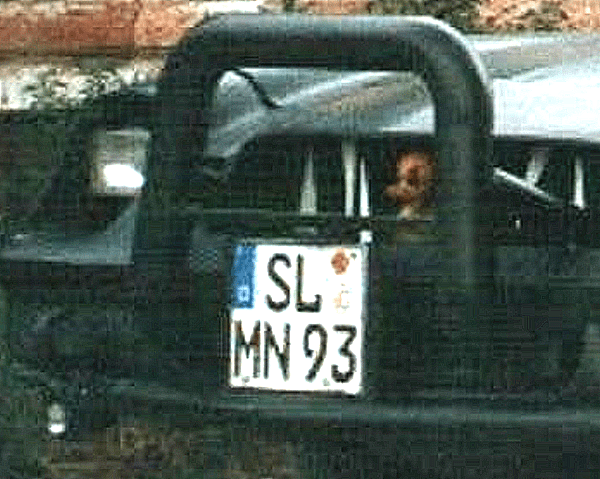
“And do you see that extra panel under the front of the car? Well, that’s not just a panel….it’s a mine-clearing blade. And if you take a closer look at the radiator grill, you’ll notice a cute yellow rubber duck.” Drivetribe
Links where I found the story are defunct / deleted for some reason. A search for Helge Meyer and/or Bosnian Ghost Car produces many results.
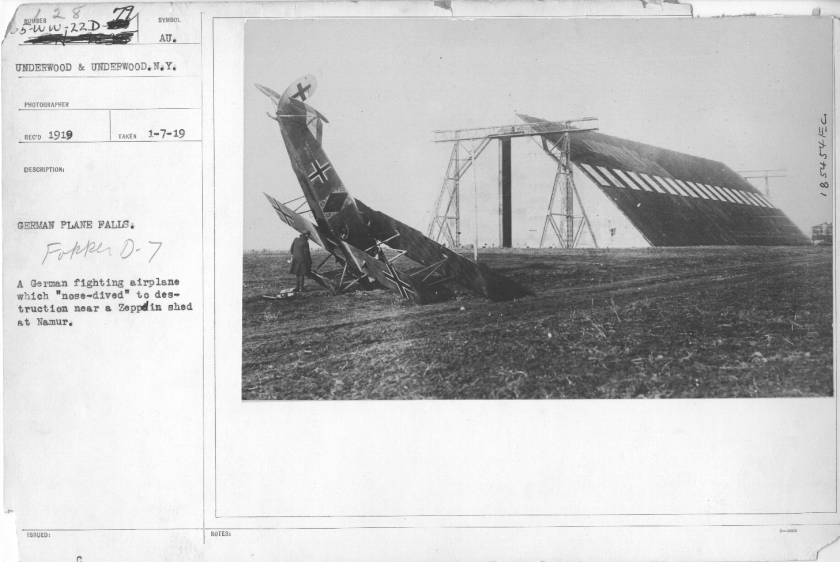
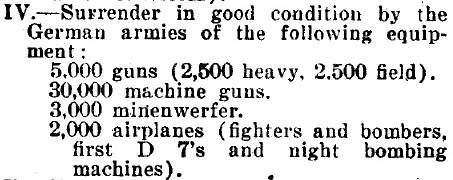
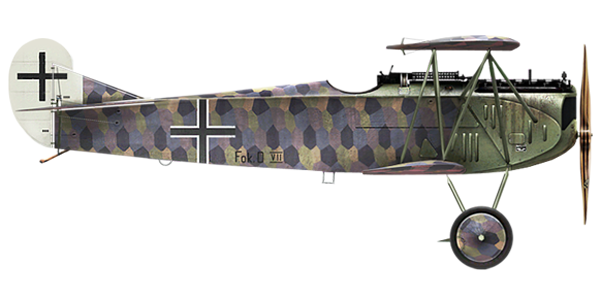
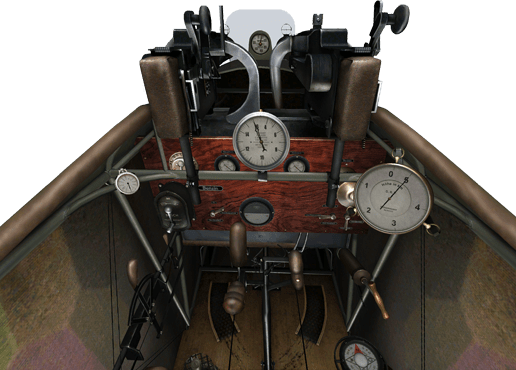
The Fokker D.VII is the only aircraft mentioned by name in the Armistice demands of November, 1918. Germany was ordered to surrender “1,700 airplanes (fighters, bombers – firstly, all of the D 7’S and all the night bombing machines)” (number of aircraft to surrender are not always the same).
In the end, not all D.VII’s were handed over. Some were flown back to Germany by their pilots and hidden in sheds. From the ones that were flown to the collection points of the Inter-Allied Control Commission, some were wrecked during landings or taxiing. After the war, some were sold abroad. Anthony Fokker flew from Germany and smuggled six trains with sixty wagons each full of aeroplanes and tools to Holland. Among these were 120 D.VII’s.
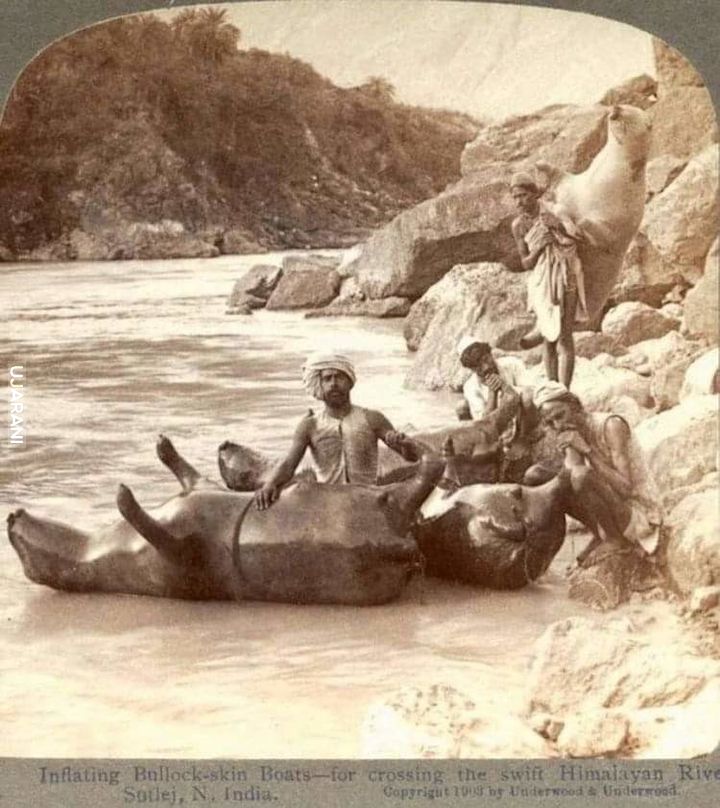
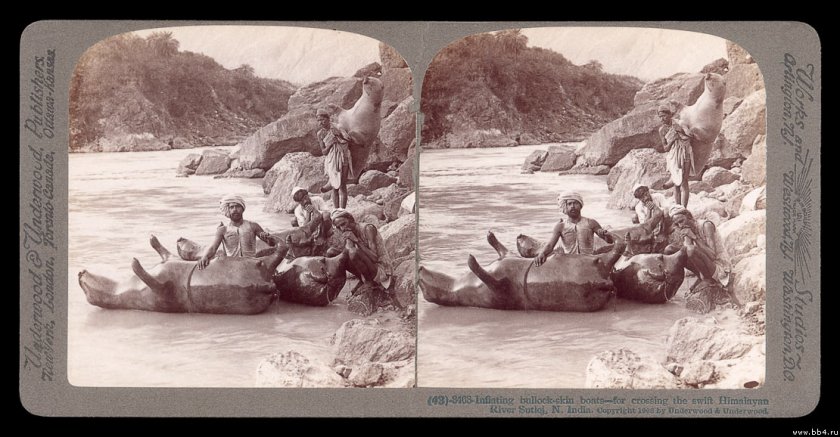
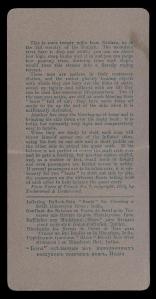
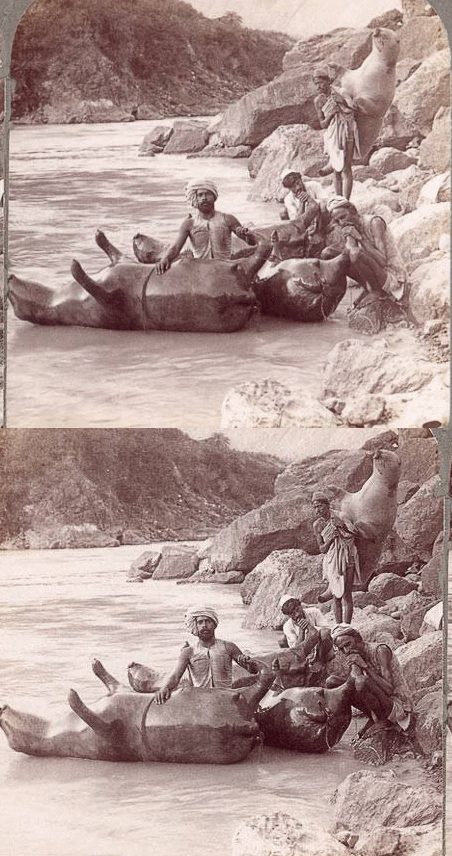
Inflating Bullock-skin Boats–for crossing the swift Himalayan River Sutlej, N. India. Copyright 1909 by Underwood & Underwood.Reverse side
This is some twenty miles from Maldera, up in the hill country of the Punjab. The mountain river here is deep and swift; you can see ahead how high, steep banks wall it in and you can judge how pouring rains, draining from such slopes, would turn this stream into a fiercely raging torrent.
These men are natives in their customary clothes, and the rather ghastly looking objects with which they are busy are the hides of cattle, sewed up tightly and inflated with air till they can be used like enormous life-preservers. Two of the men you notice, are still at work blowing their “boats” full of air; they have cords there all ready to tie up the end of the skin when it is sufficiently distended.
Another has done the blowing-up at home and is bringing his skin down over the rocky bank; it is bulky but naturally very light and comparatively easy to handle.
When they are ready to start each man will throw himself across one of the inflated skins, using his foot on one side and a short paddle on the other side to propel the queer craft. If his balance is no perfect of course the craft rolls over and he gats a ducking, but practice makes skilful, and, as a matter of fact, small loads of freight and even passengers are ferried across in safety. If several passengers are to be taken over, it is customary for two “boats” to start out side by side, the passengers on the different floats taking hold of each thr to help balance the queer craft.
From Notes of Travel, No. 7, copyright, 1904, by Underwood & Underwood.
Inflating Bullok-Skin “Boats” for Crossing a Swift Himalayan River; India.
Source image unknown; Underwood & Underwood were publishers, not explorers. At one time, Underwood & Underwood was the largest publisher of stereoviews in the world, producing 10 million views a year.
[Found here. Original stereoscope photo found here via Tineye.]
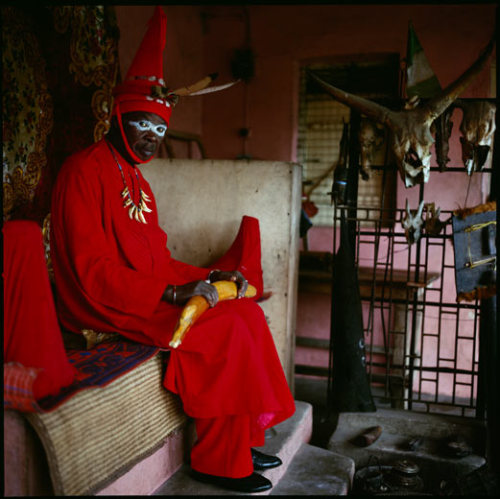
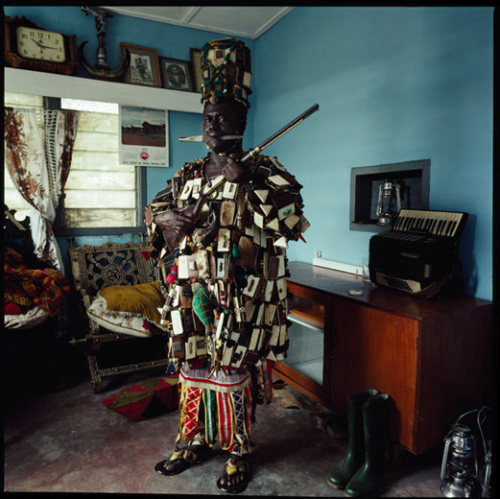
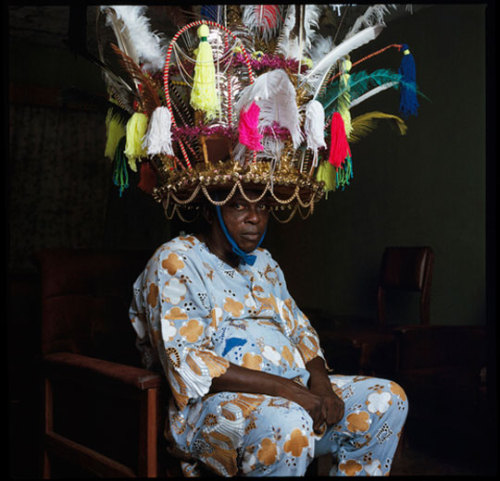
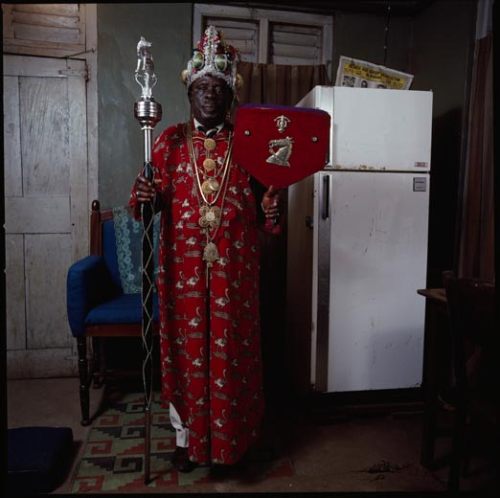
That appears to be self-portrait artist Samuel Fosso, from a series titled African Spirits (ca. 2008). Born in Camaroon, he fled the Nigerian Biafra Wars, found refuge in Bangui, Central African Republic.
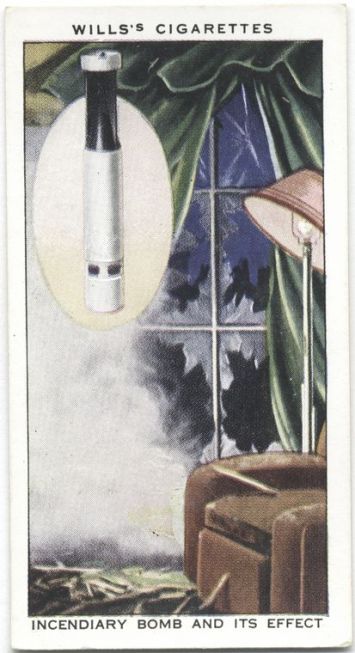
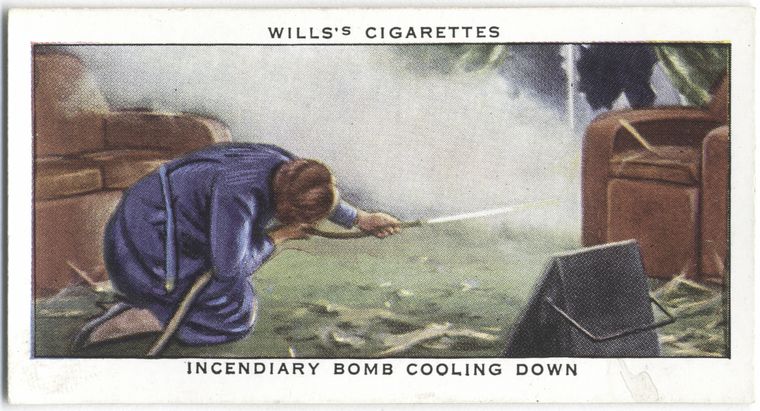
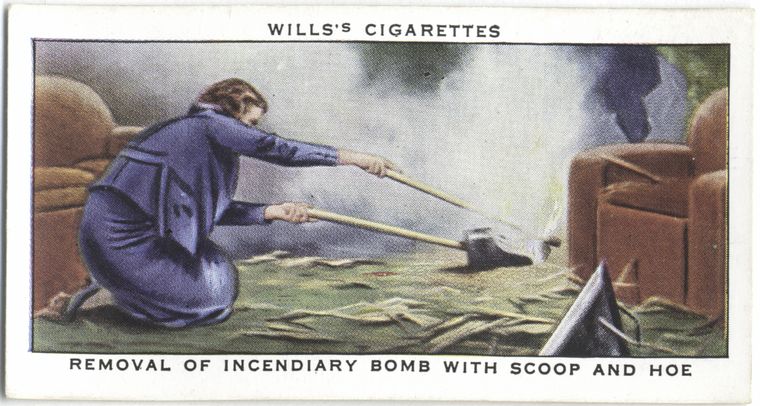
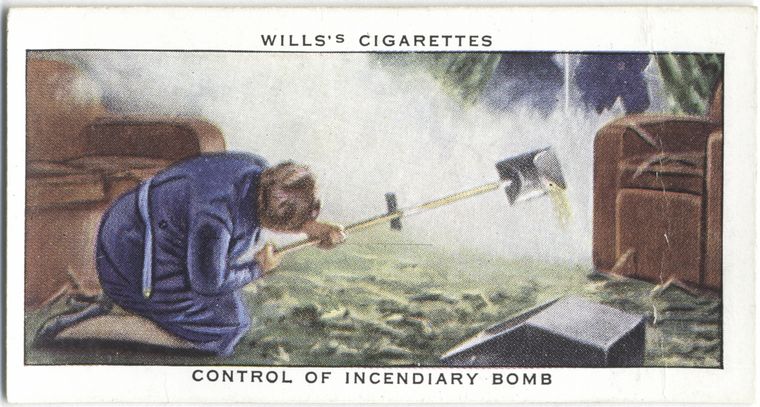
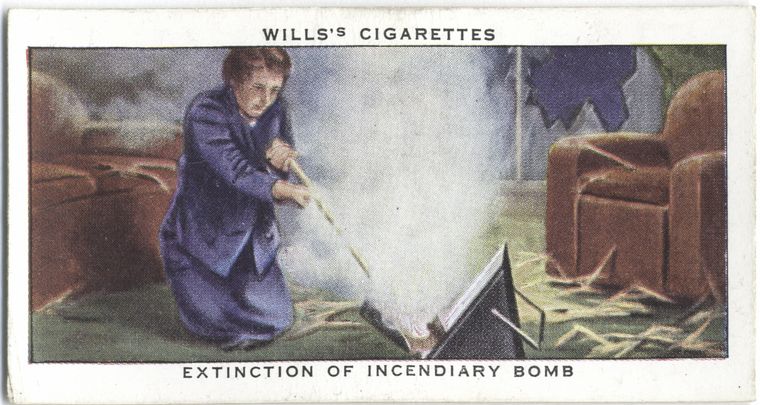
For many years it was the practice for cigarette manufacturers to put what was called a ‘cigarette card’ inside each packet of cigarettes. These and others were produced by the cigarette company ‘Wills, in collaboration with the ARP (Air Raid Precautions), an organisation dedicated to the protection of civilians from the danger of air-raids.
For many years it was the practice for cigarette manufacturers to put what was called a ‘cigarette card’ inside each packet of cigarettes. These and others were produced by the cigarette company ‘Wills, in collaboration with the ARP (Air Raid Precautions), an organisation dedicated to the protection of civilians from the danger of air-raids.
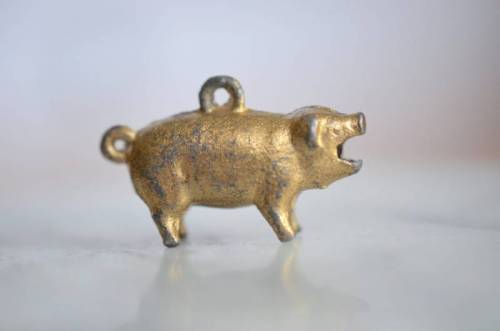
In the mid-19th Century, not long after the invention of photography, John Benjamin Dancer (1812 – 1887) began printing tiny photographs onto glass slides at his studio in Liverpool, England. In Paris, René Dagron (1817 – 1900) wondered how to circumvent the need for an expensive microscope to view them. In 1859, Dagron patented the first Stanhope lens mounted with a mini-photograph.
He named it after the magnifying device invented 50 years earlier by Charles Stanhope, Third Earl Stanhope (1753-1816). In the late-18th century, Stanhope invented lenses which allowed all sorts of “viewers” to house images in secret. Stanhopes, also called Bijoux Photomicroscopiques, became known as ‘peep holes’, ‘peep-eye views’ or ‘peeps’.






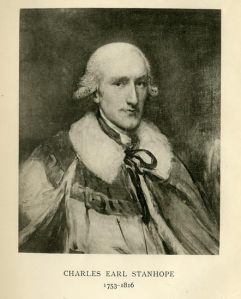 He named it after the magnifying device invented 50 years earlier by
  Tacky Raccoons