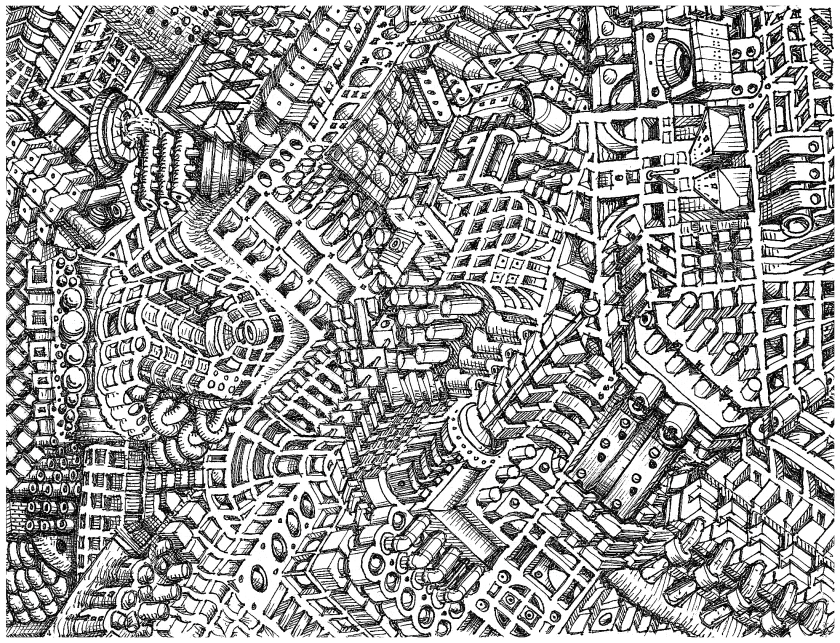
9AM daily. Pen on paper, 8-1/2 x 11, approx. 3 square inches per day.
I’m really not schizophrenic, and neither am I. We just like to doodle.

9AM daily. Pen on paper, 8-1/2 x 11, approx. 3 square inches per day.
I’m really not schizophrenic, and neither am I. We just like to doodle.
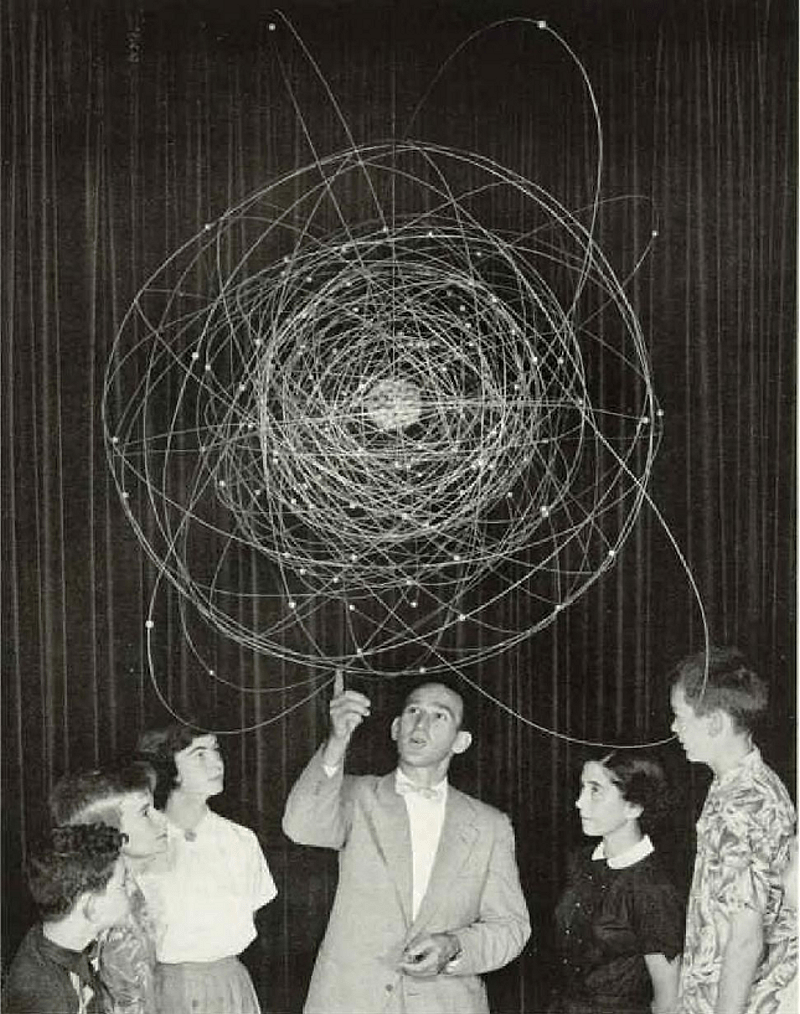
Uranium Atom’s Tightly Clustered Core Is the Main Source of Atomic Energy
Shown in Boston’s Museum of Science, this model depicts radioactive uranium 235, whose nucleus contains 92 protons and 143 neutrons. Nonfissionable uranium 238 carries three additional neutrons. Both are isotopes, or variants, of Nature’s heaviest element. Balls bunched in the center represent the protons and neutrons, which are mysteriously bound together by atomic energy’s terrific force. Splitting of the nucleus releases energy far greater than that of any chemical reaction. Wire-strung balls swinging like planets around a sun represent uranium’s 92 electrons. Hydrogen, in contrast, has one. True scale would place the outermost electrons 3,000 from the center.
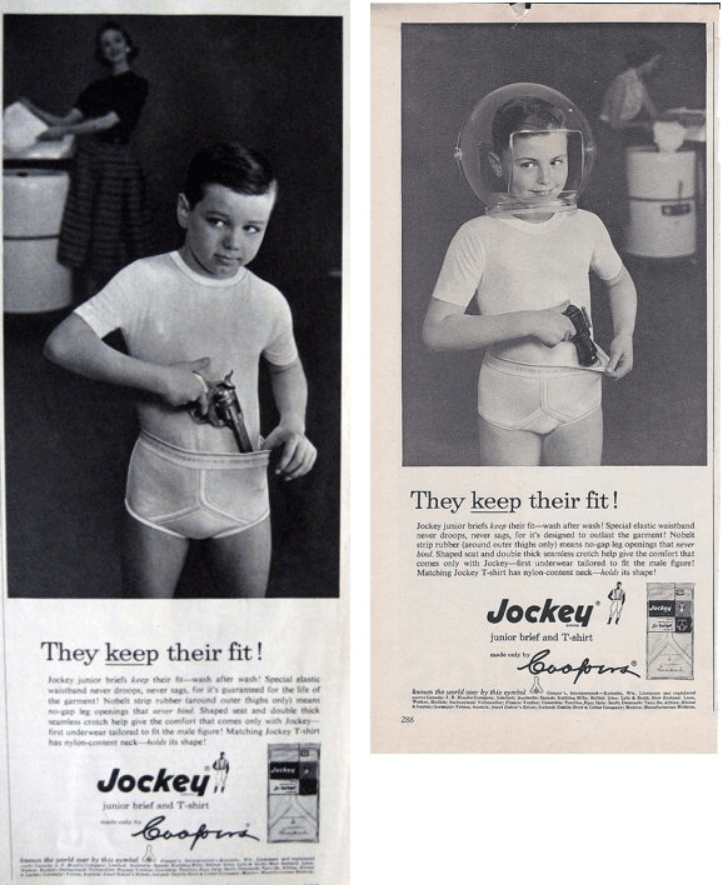
“In 1955, Jockey Briefs ran an ad campaign featuring young boys shoving guns into their underwear. The image on the left is via vintageskivvies.com, who says that it ran in Woman’s Home Companion; the one on the right is from eBay.” Posted By: Alex – Sun Oct 13, 2013
I spotted the ad on the left somewhere recently, thought it had to be a photoshop due to recent events. Nope. It’s legit, and there were no riots at Kenosha Elementary on that day.
[Images and caption found here. The link in the caption is dead, but I left it as I found it.]
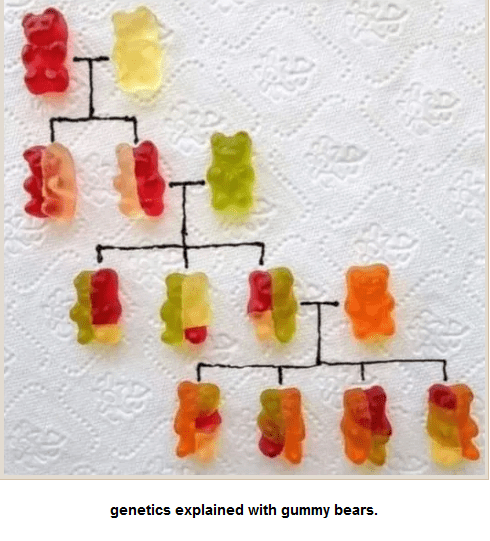
In 1922, Hans Riegel Sr. of Bonn, Germany, studied the reproductive methods of die Gummibärchen in 1922 and bred numerous varieties. Gregor Mendel would be proud.
[Found here.]
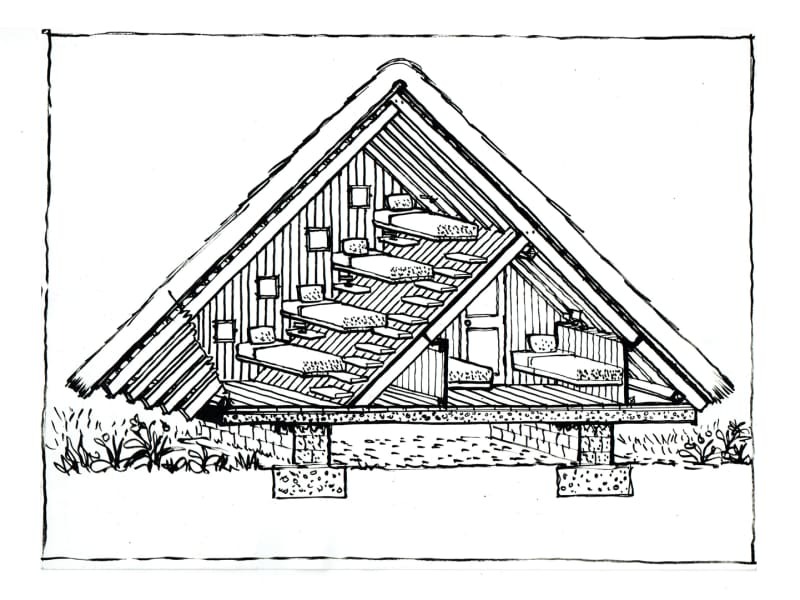
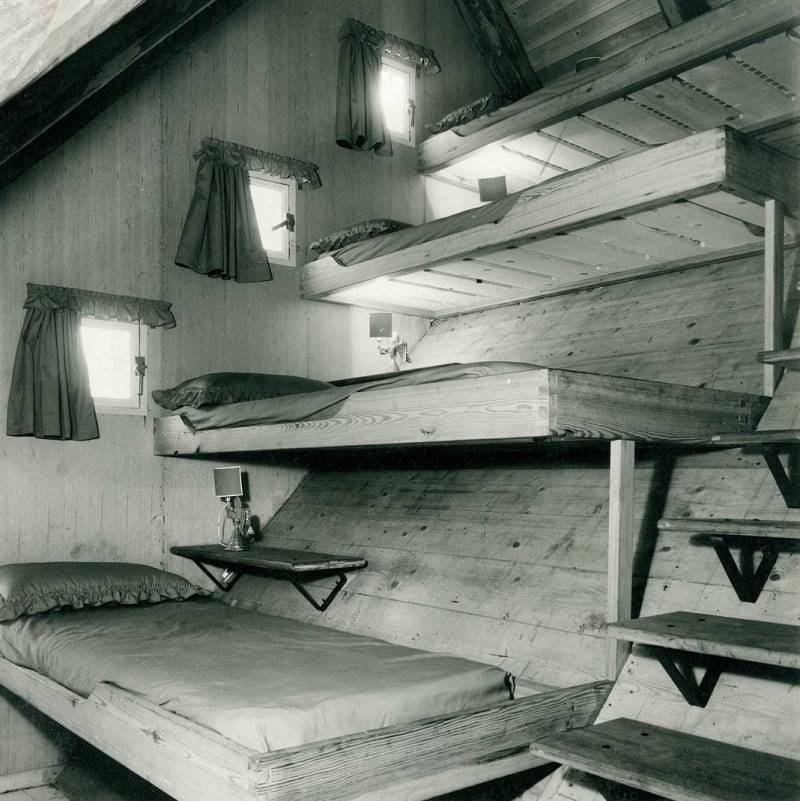
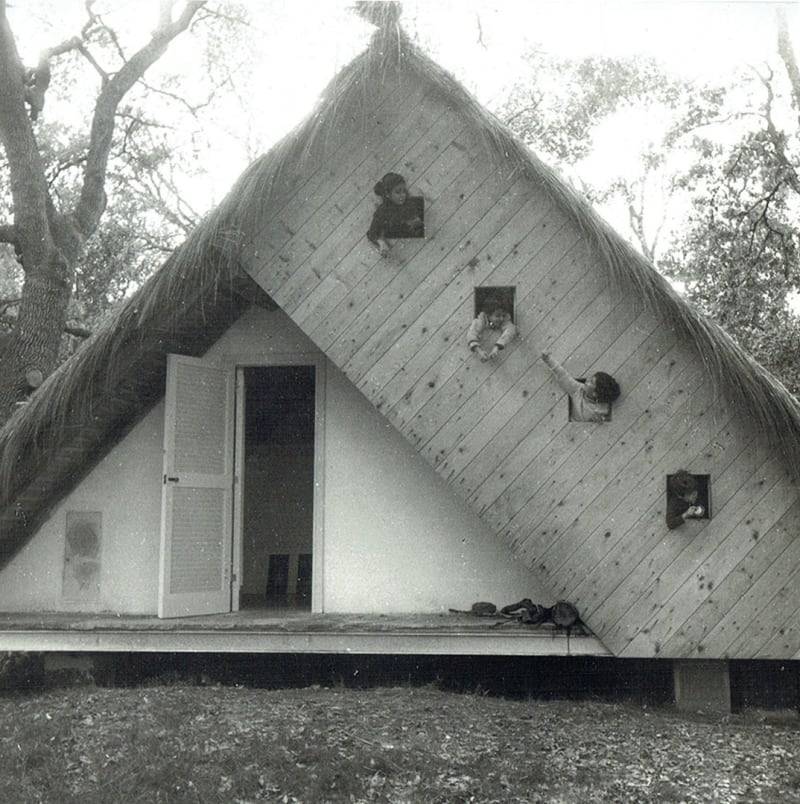
Julio Lafuente was a Spanish architect who worked mainly in Italy. This is a summer cabin he built with structural engineer Gaetano Rebecchini on Capocotta Beach near Rome in 1965.
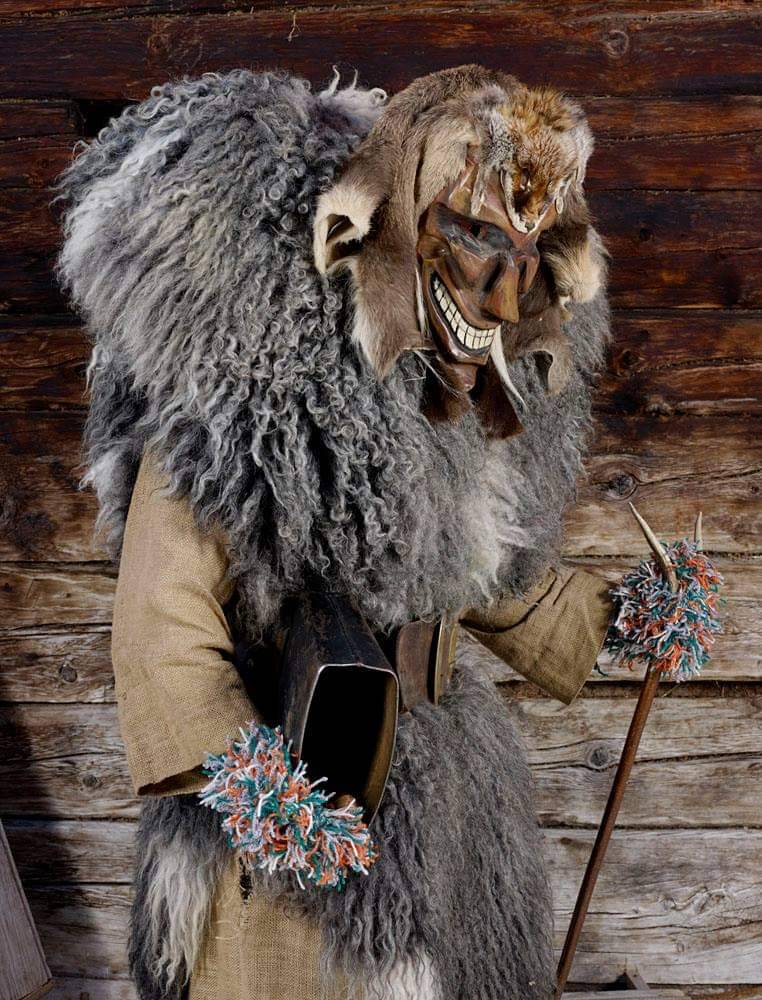
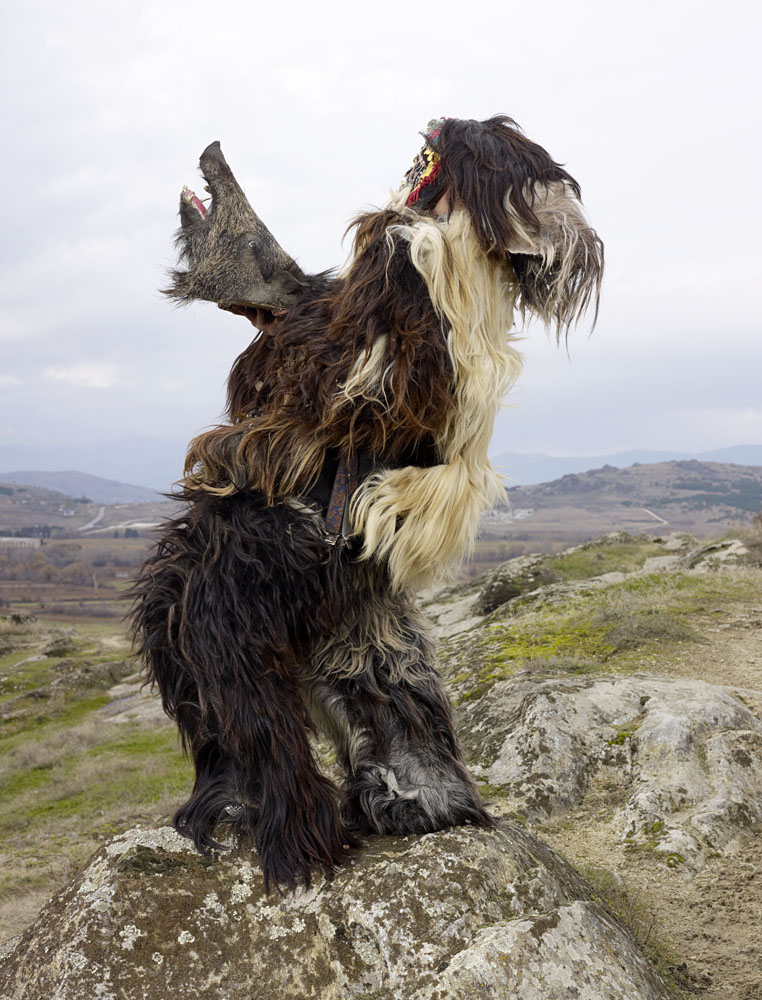
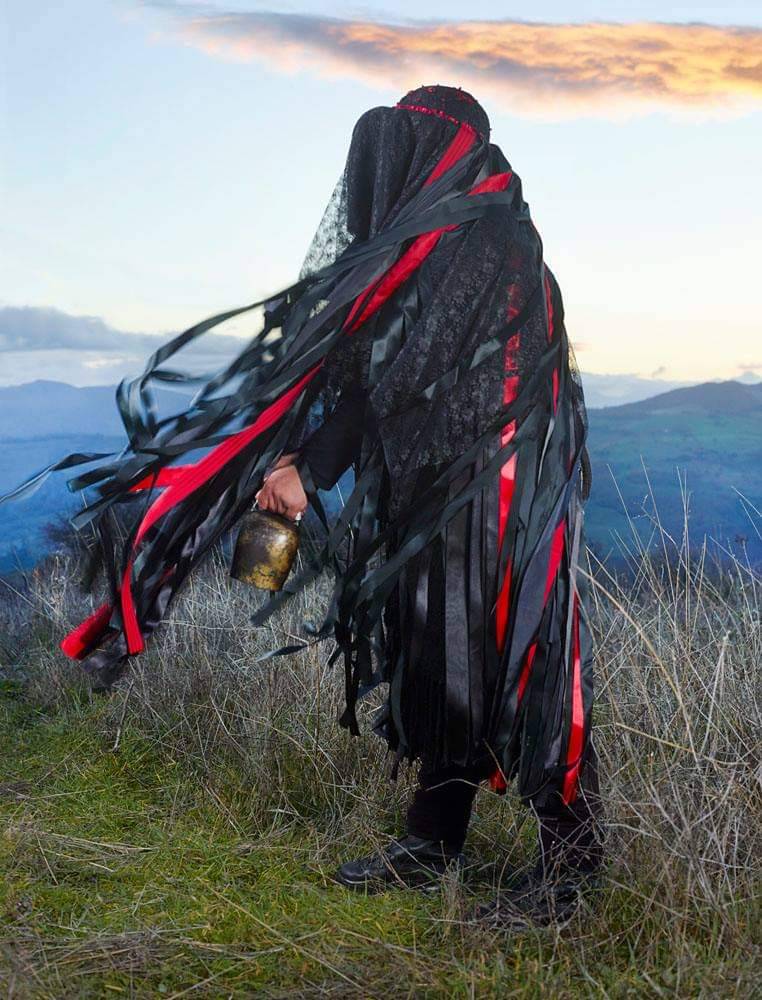
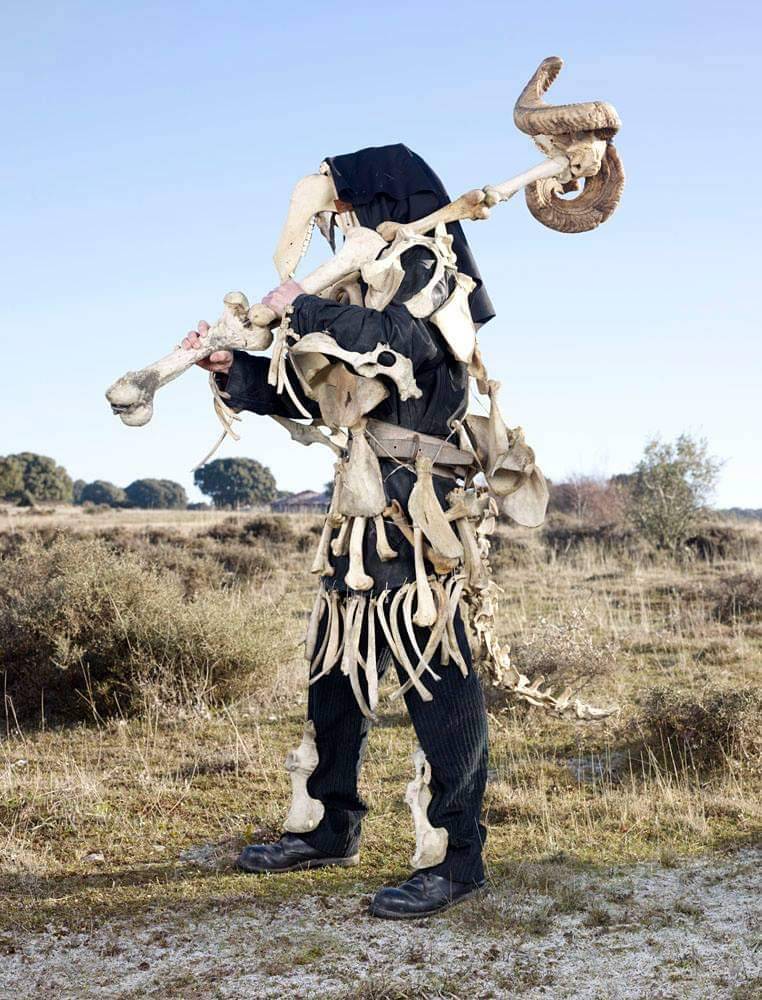
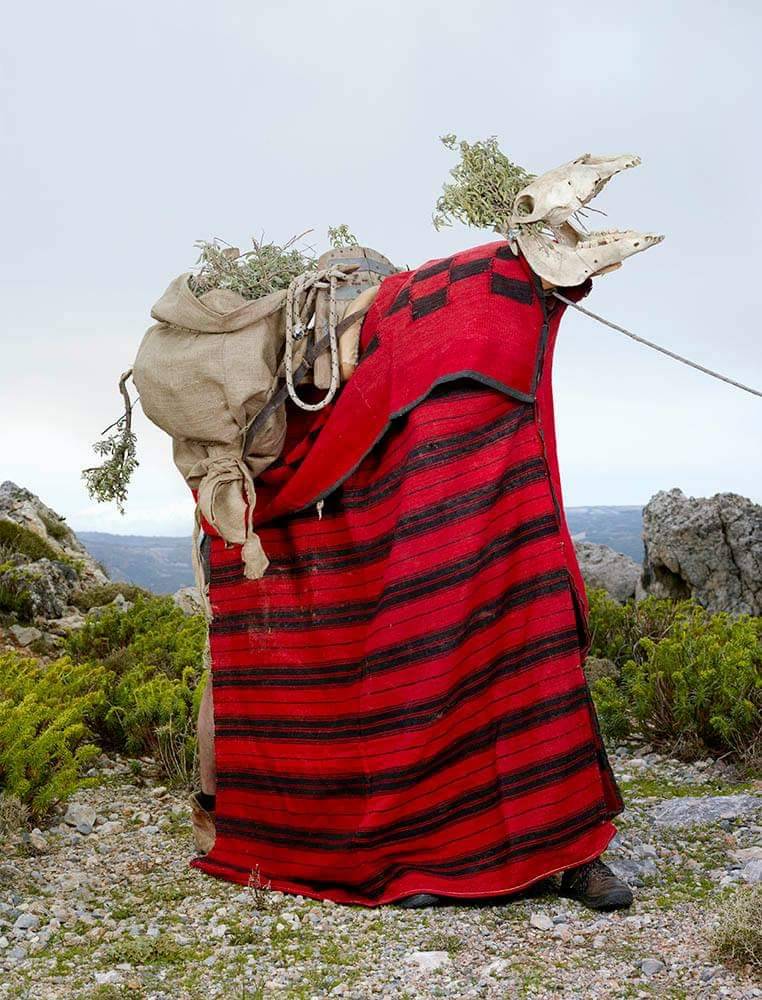
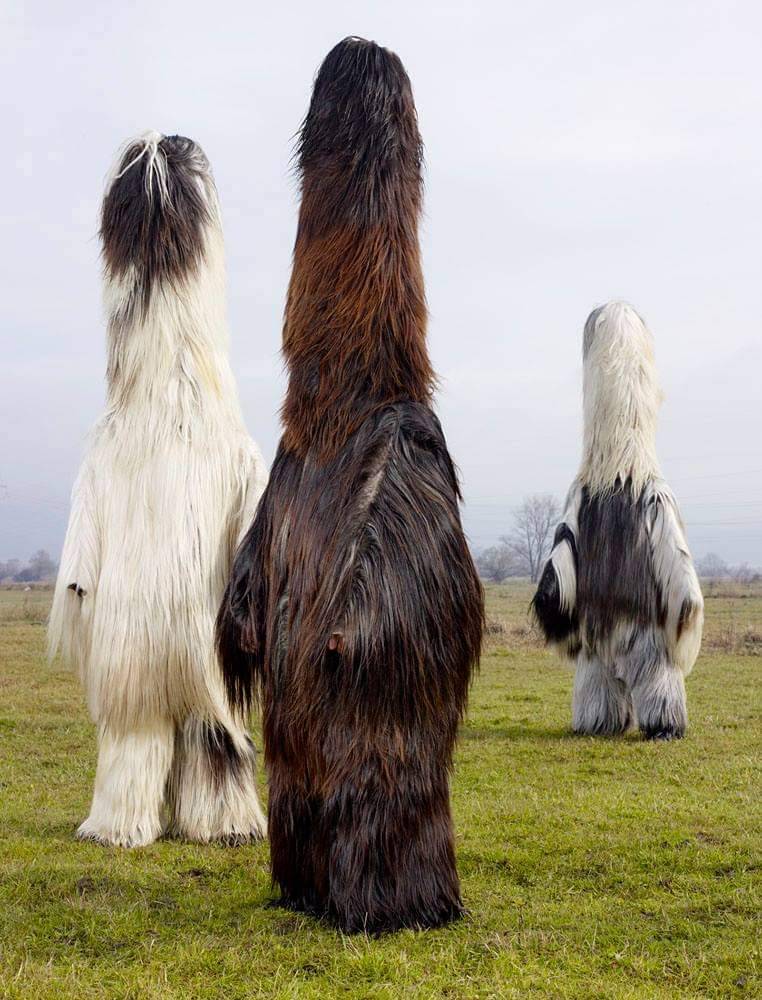
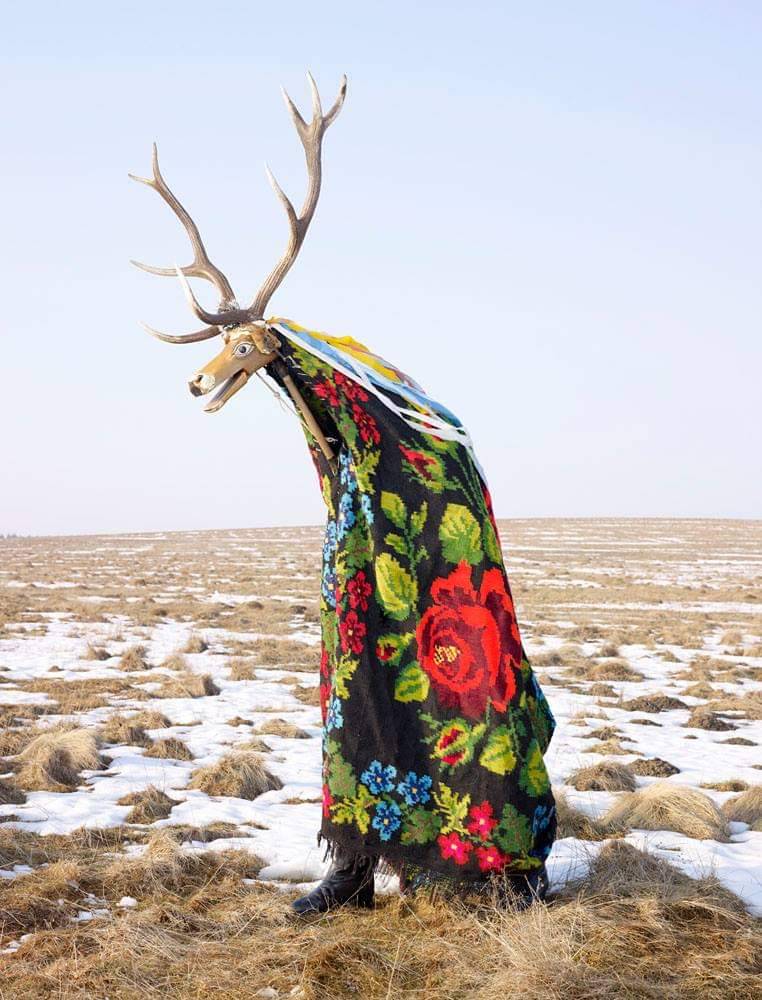
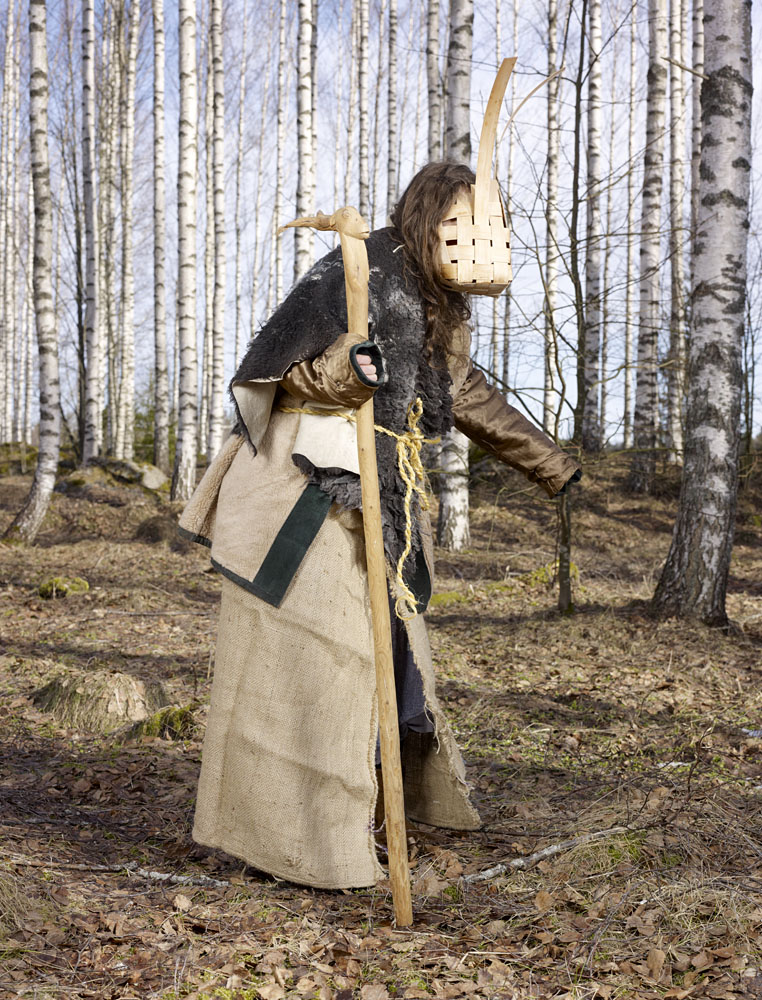
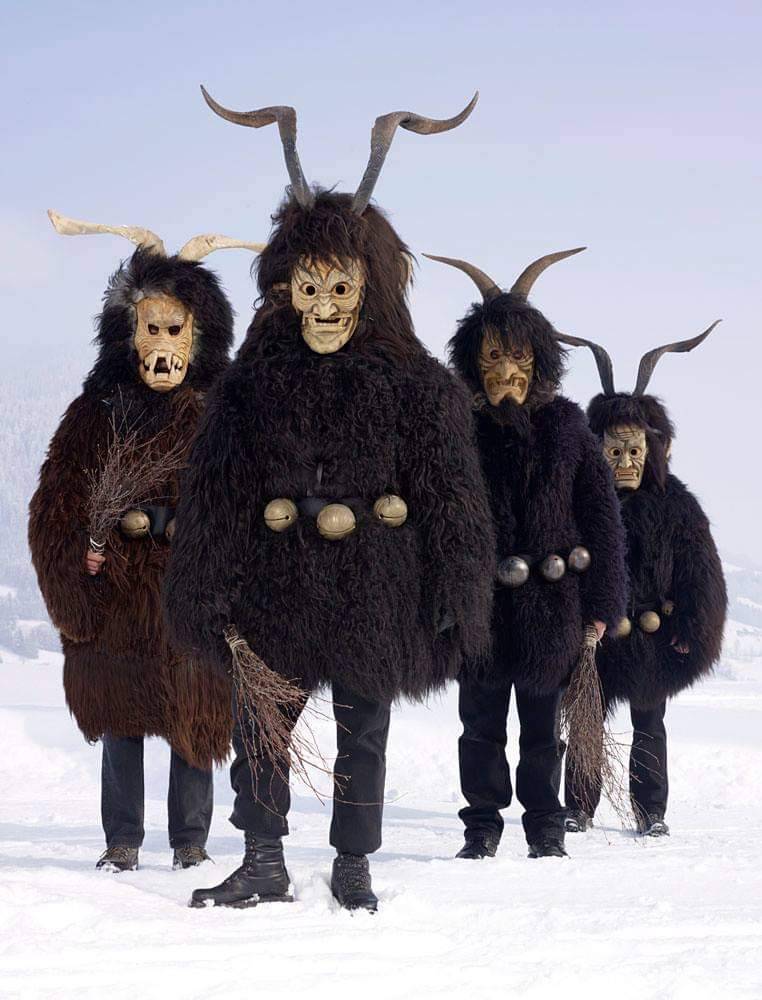
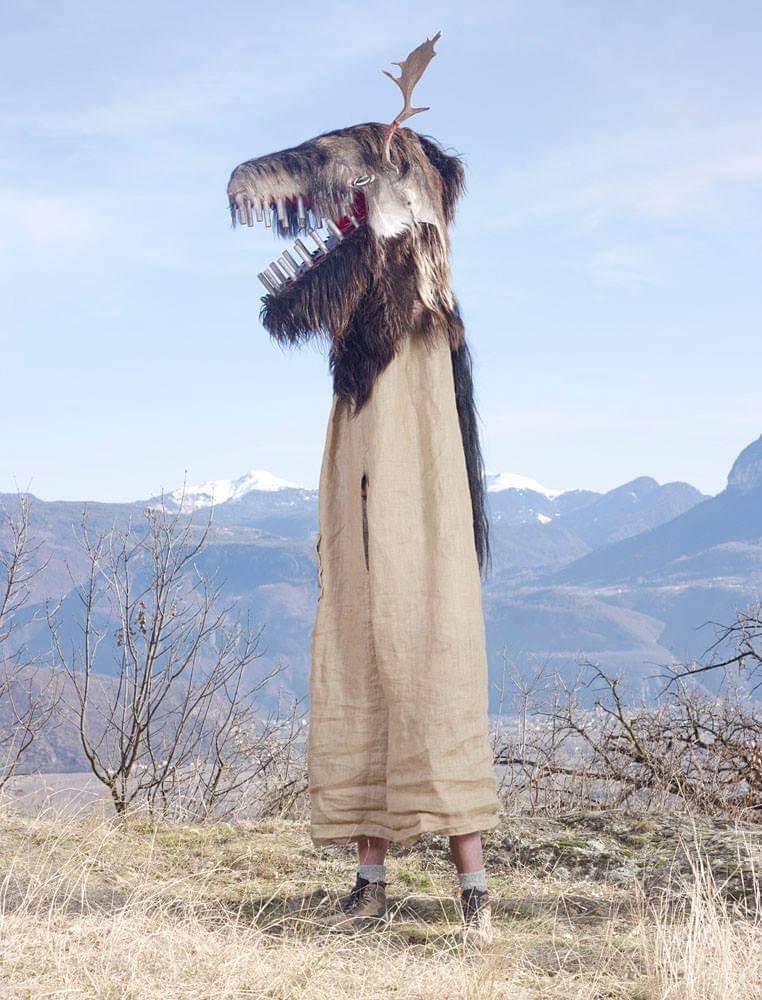
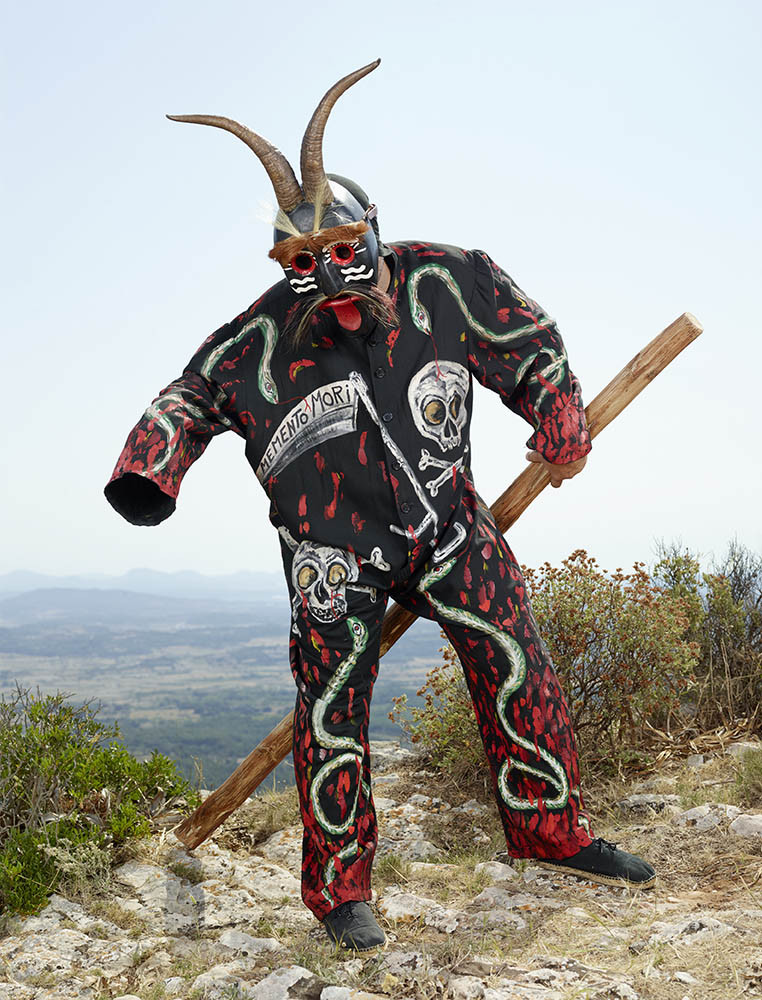
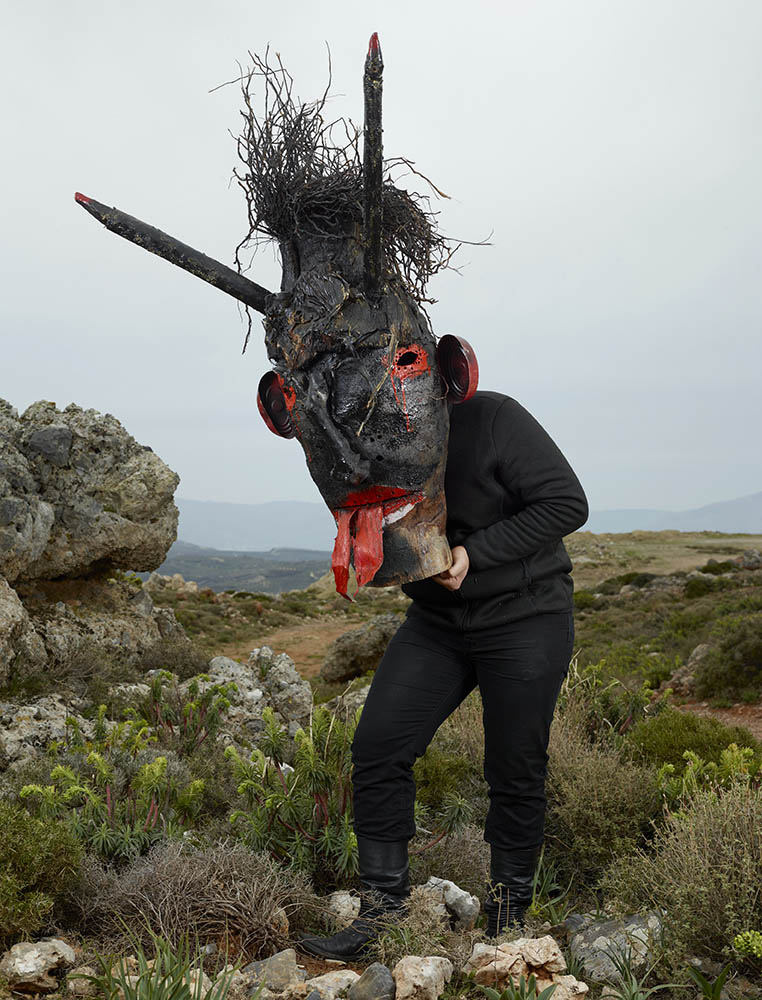
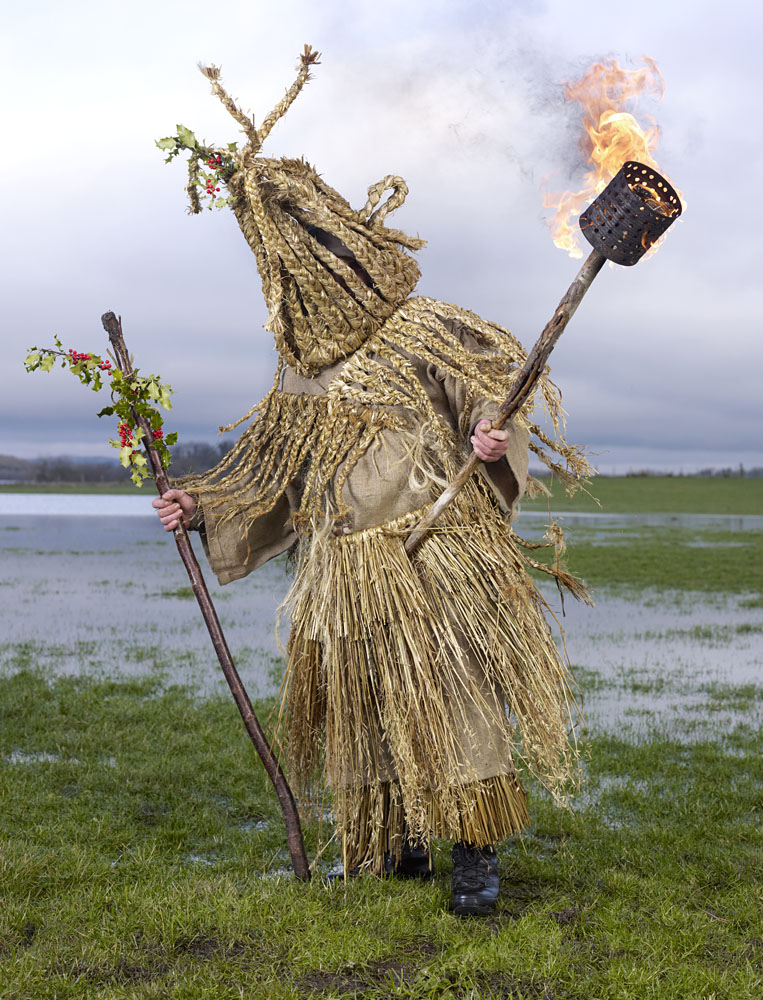
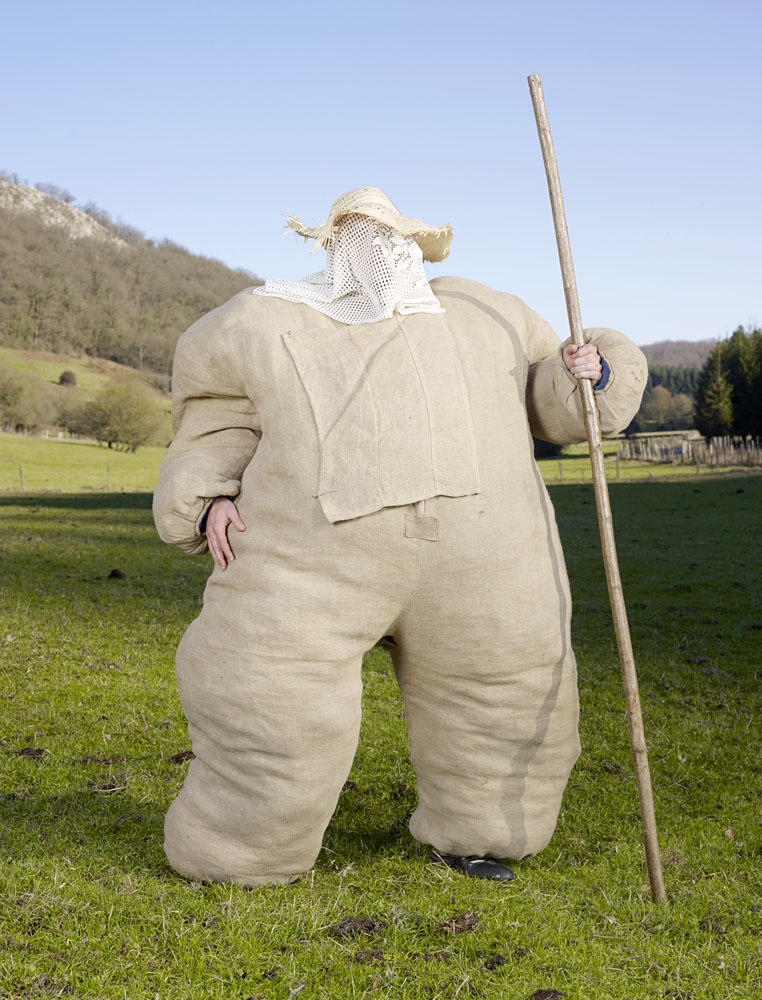
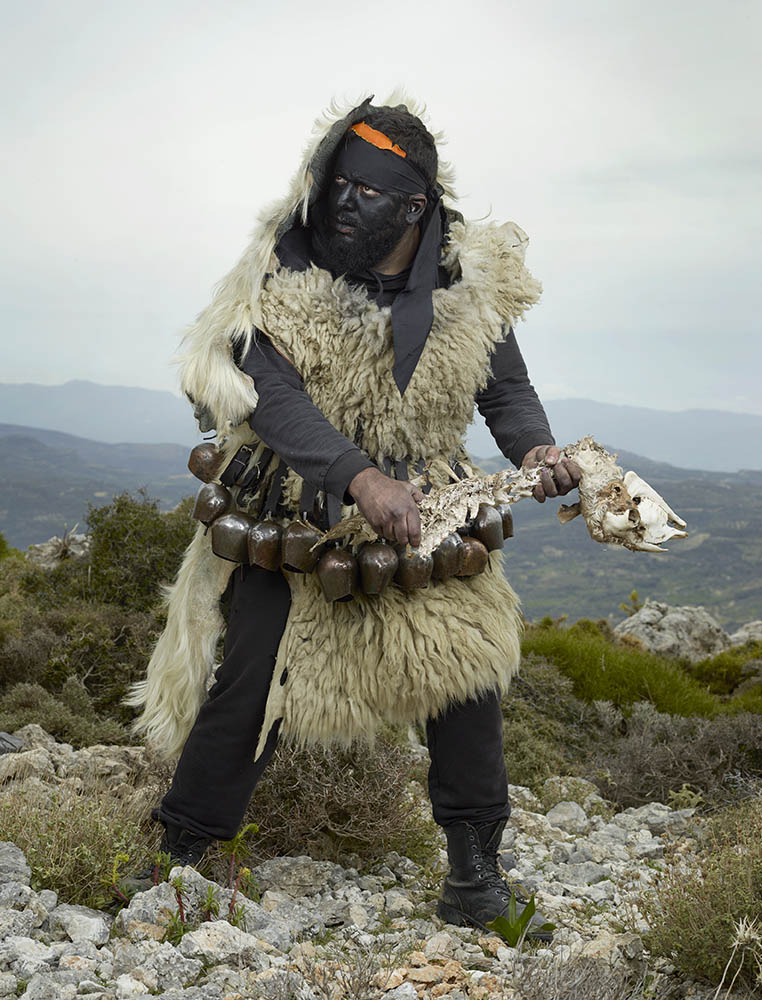
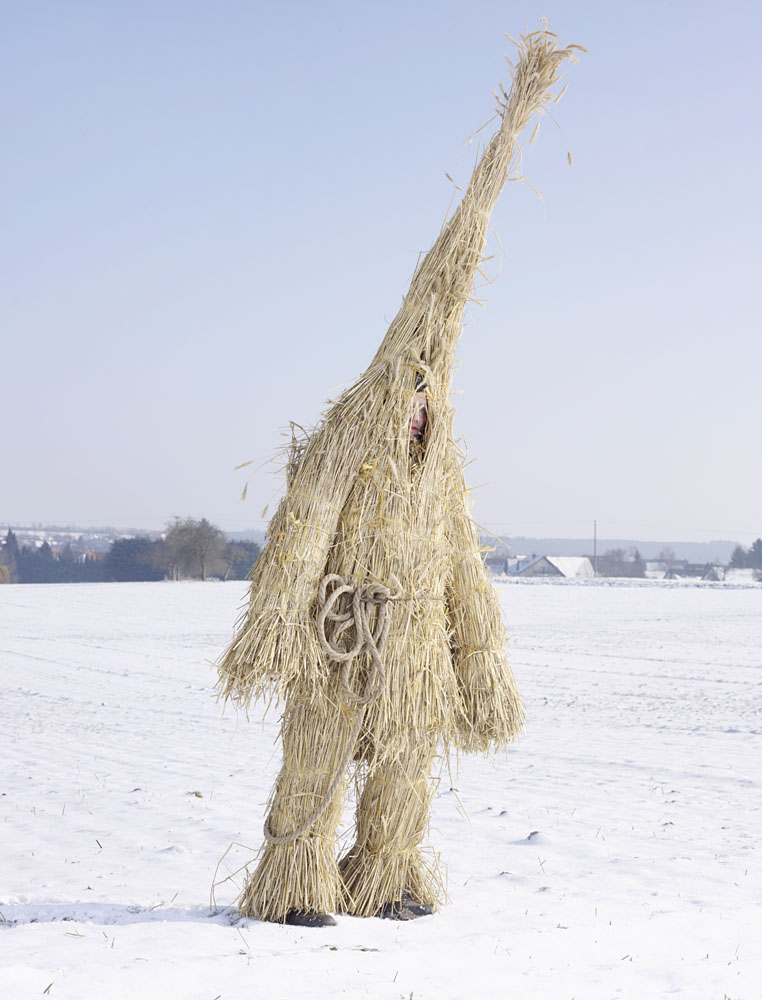
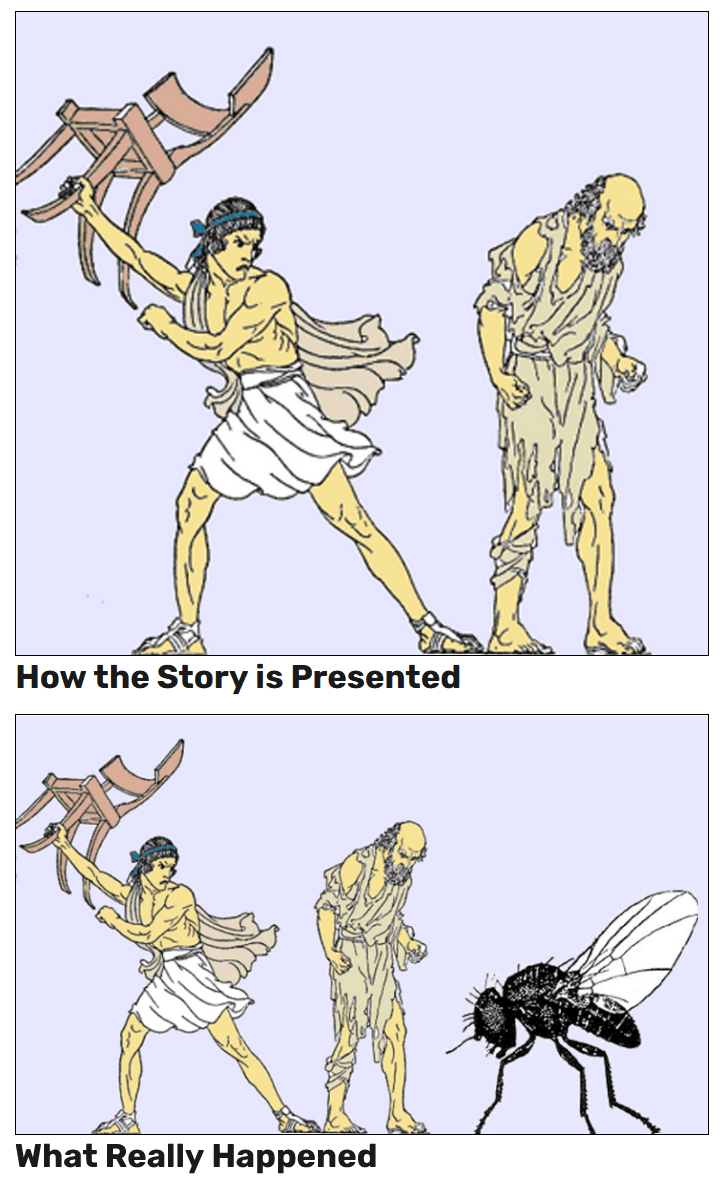
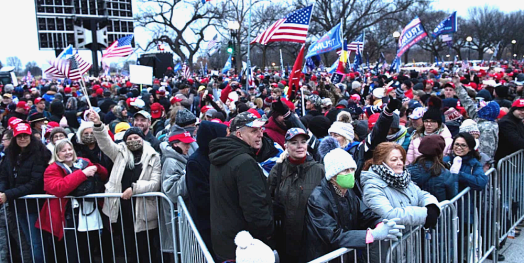
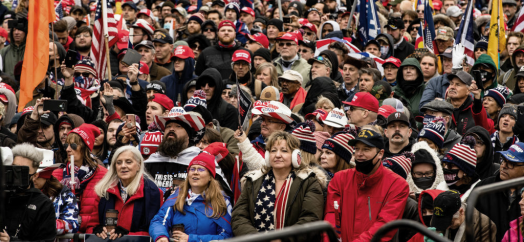
Images reposted from here and here for commentary on news media’s frequent use of Lying By Omission only, and has nothing to do with the conflict between Antinous and his attack on Odysseus.
Top image (uncolored) found here, with story: Continue reading “Media Bias”
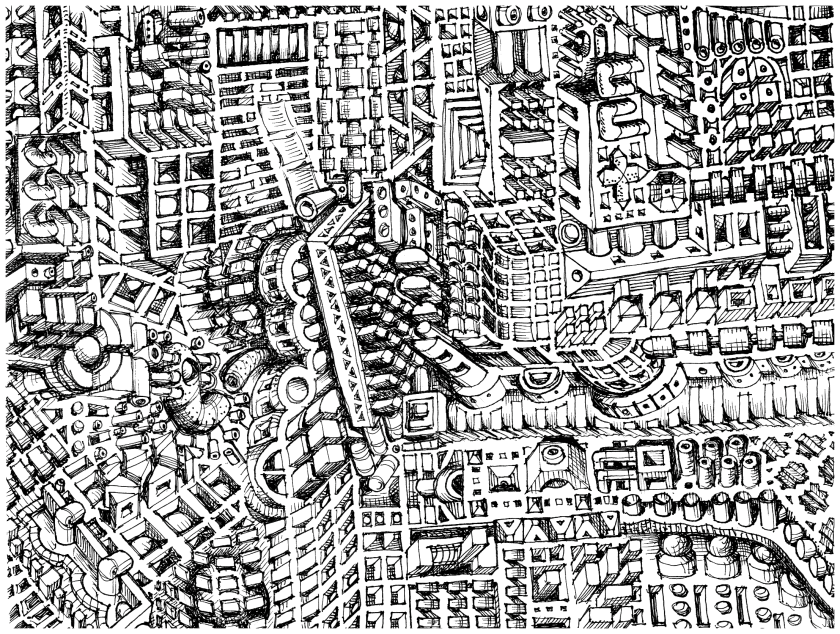
9AM daily. Pen on paper, 8-1/2 x 11, 3.34 square inches per day.
Finally got some work. I can breath again.
 Tacky Raccoons