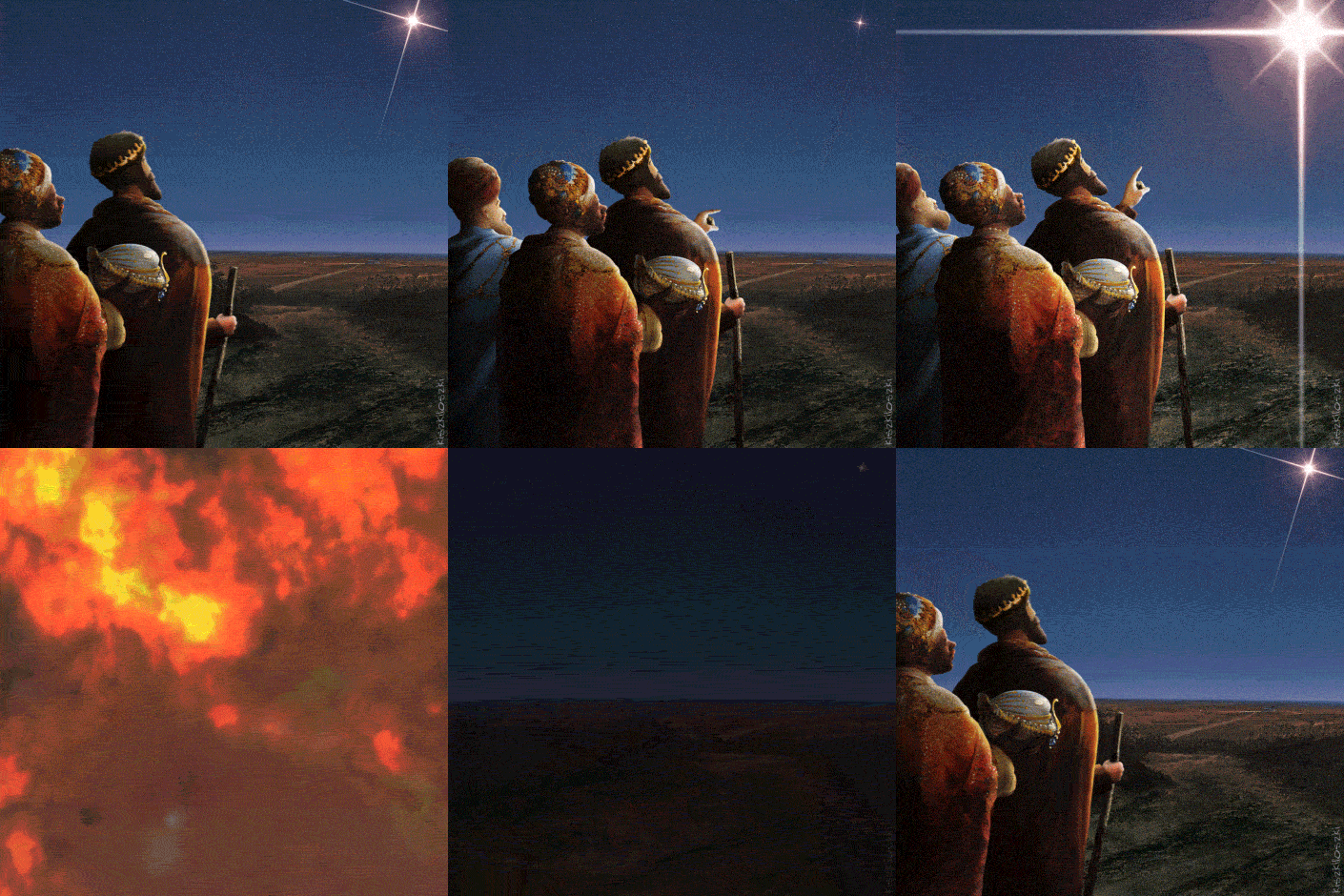
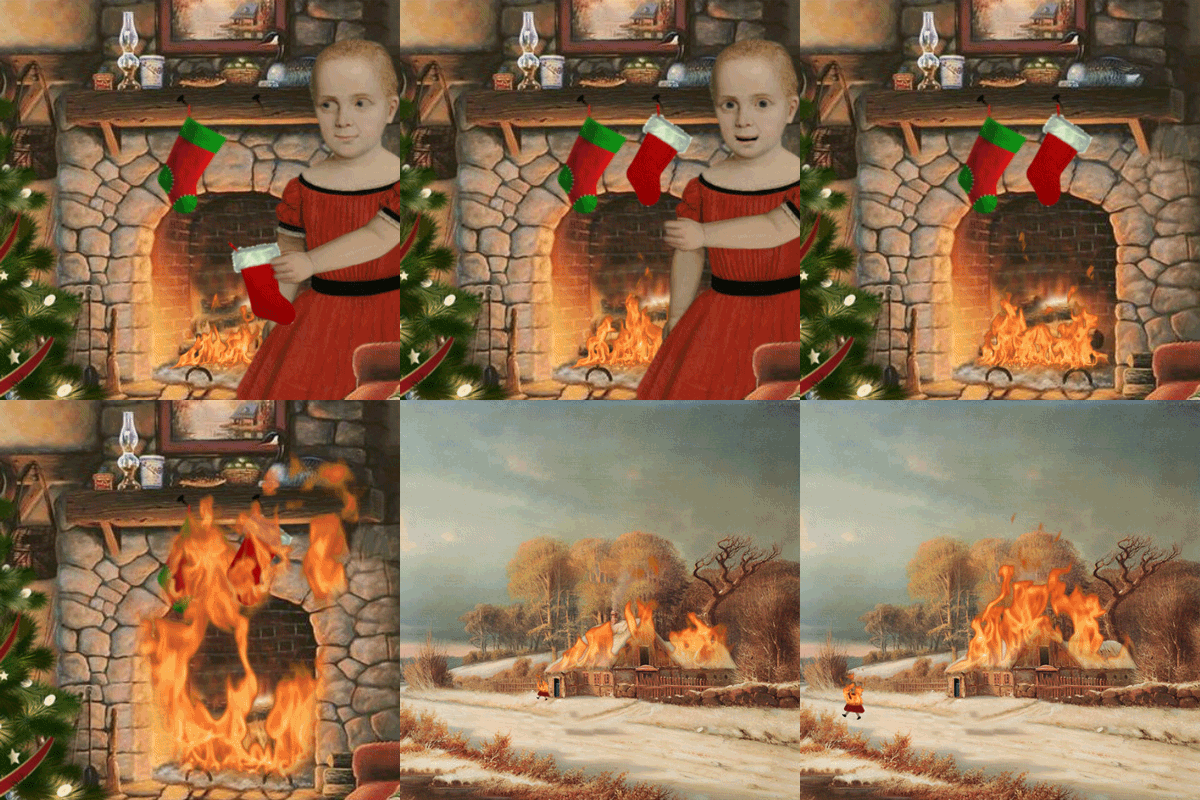
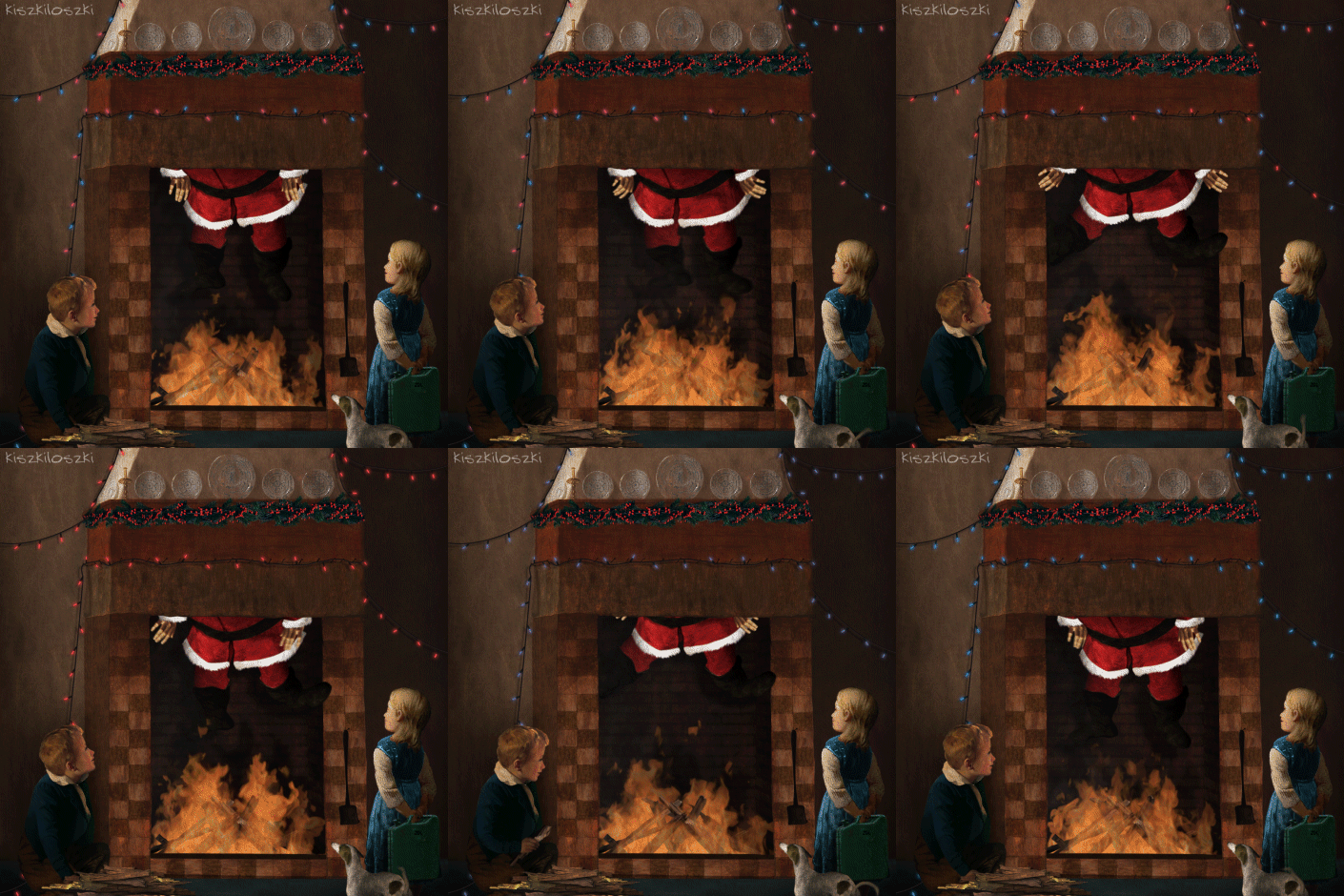
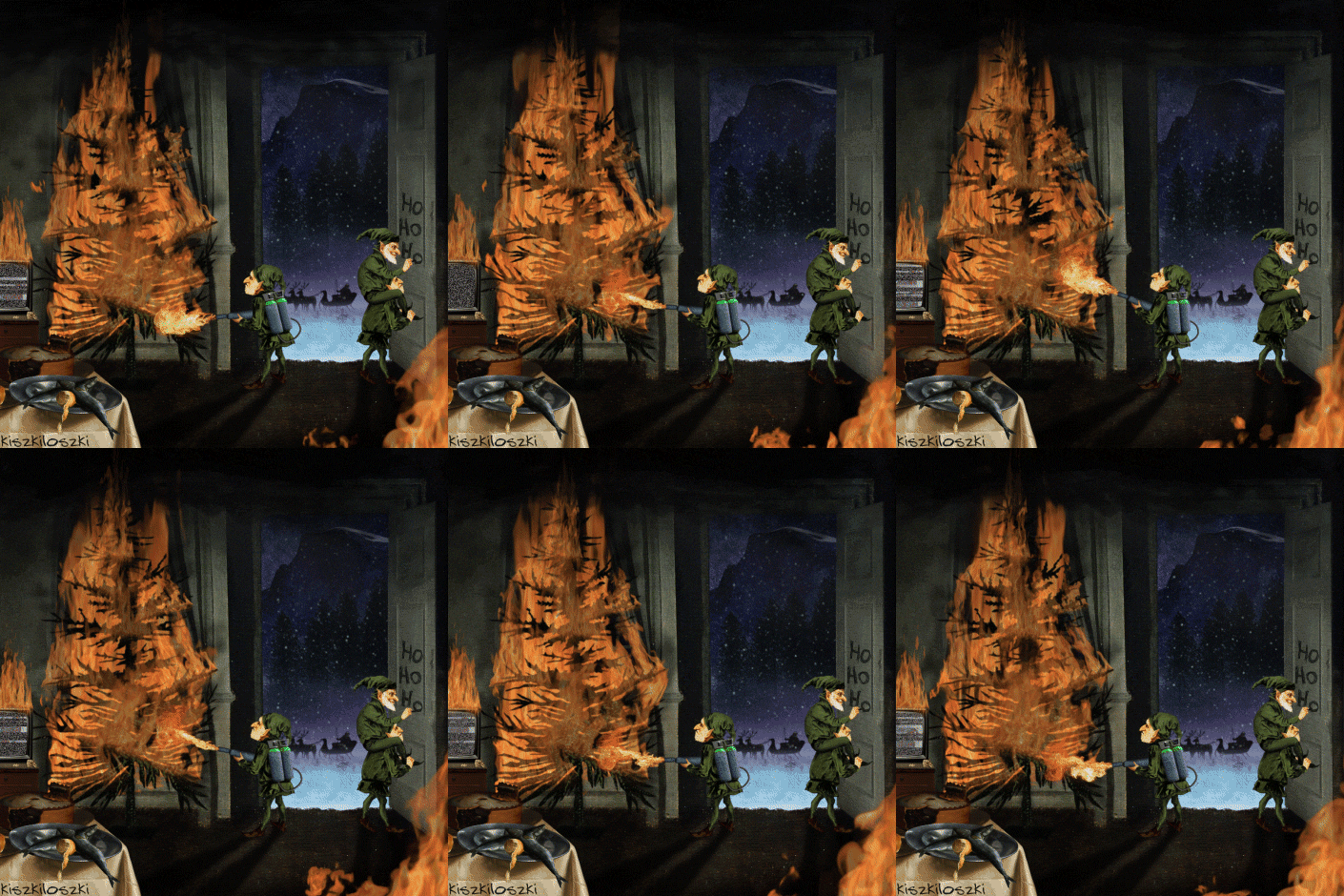
All .gifs by Polish artist Kajetan Obarski.

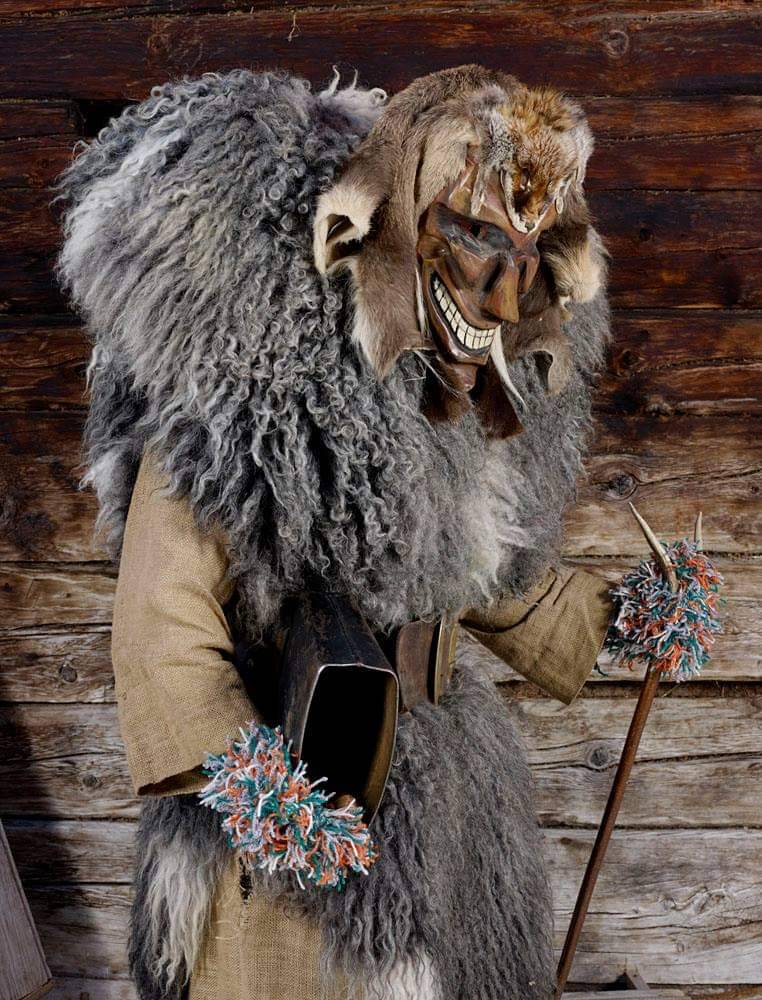
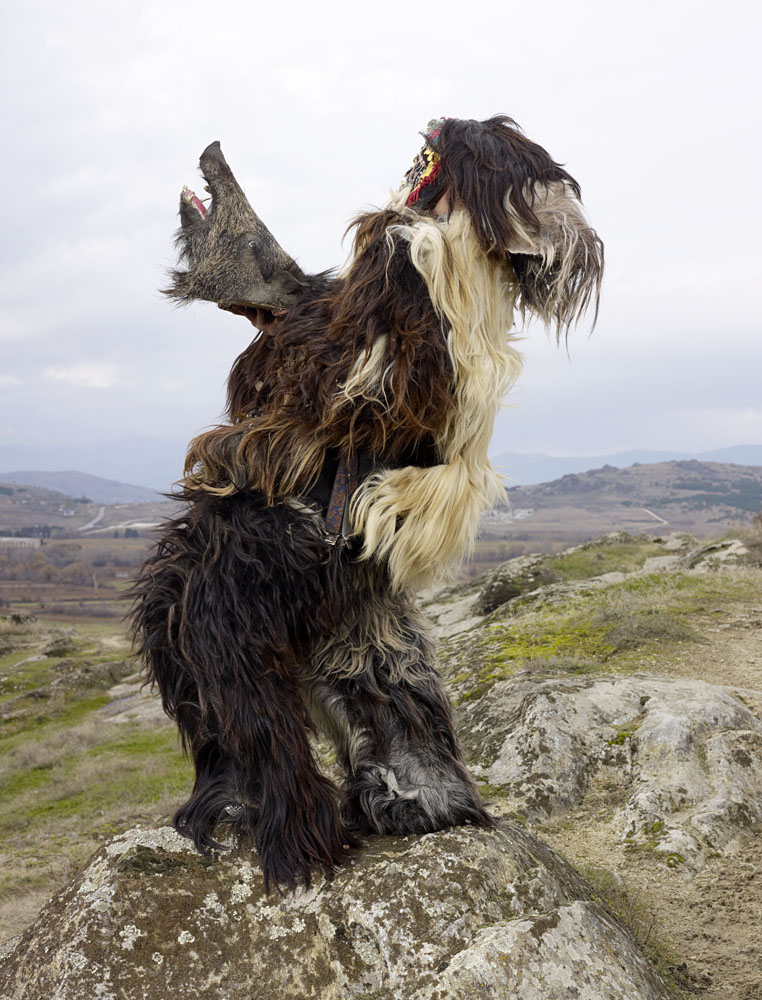
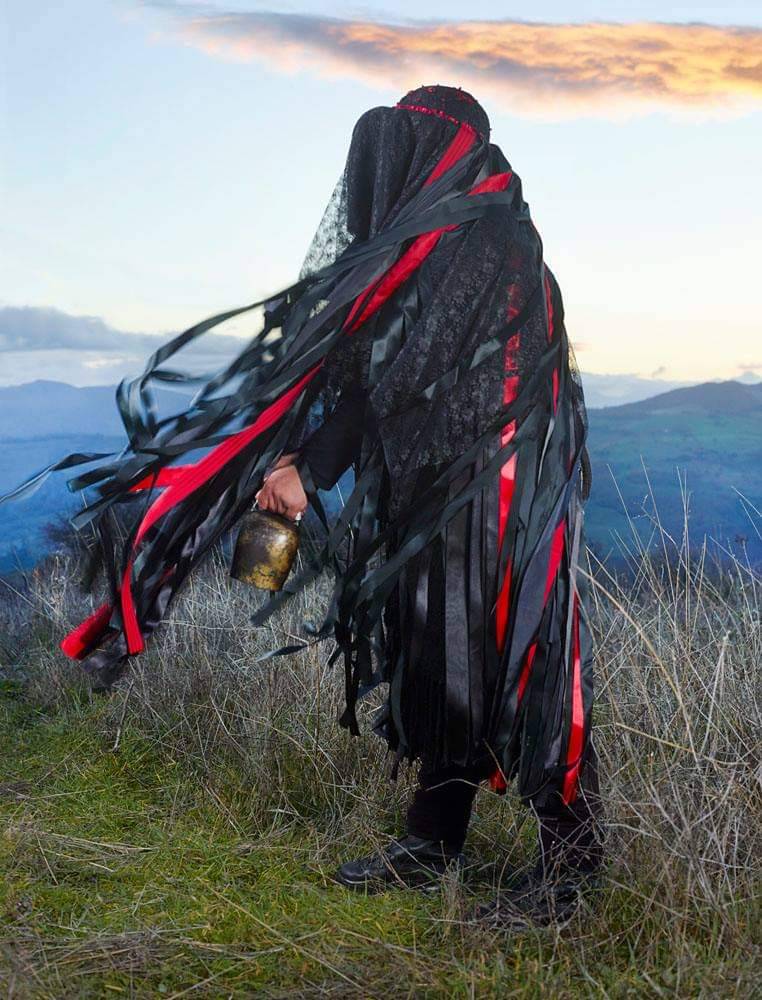
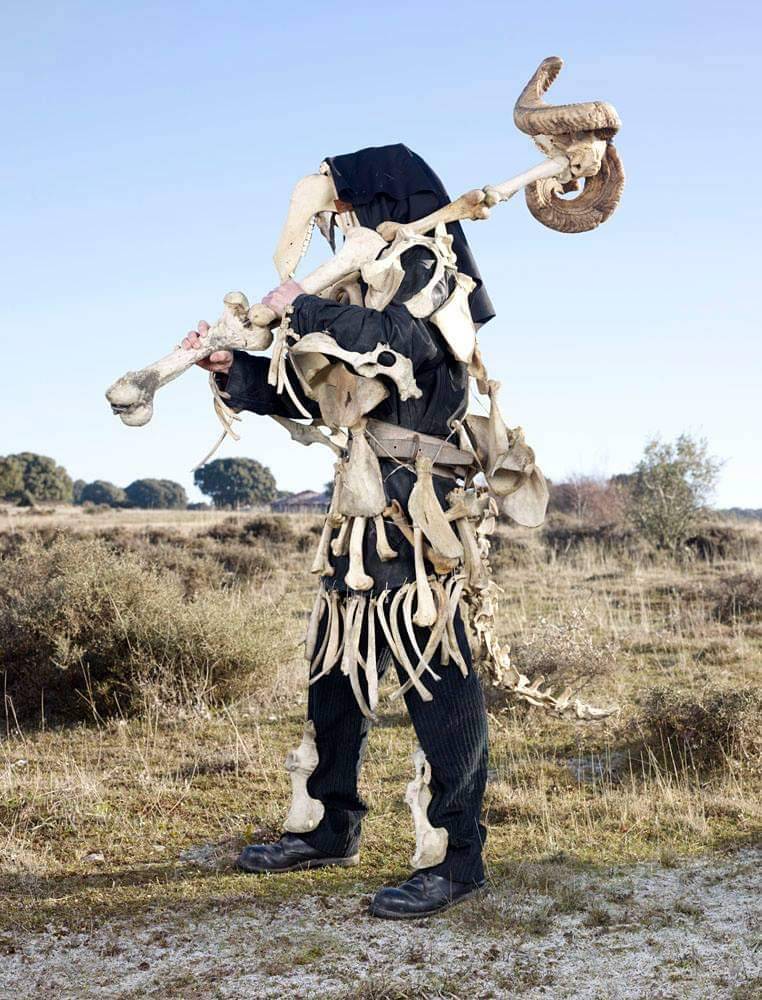
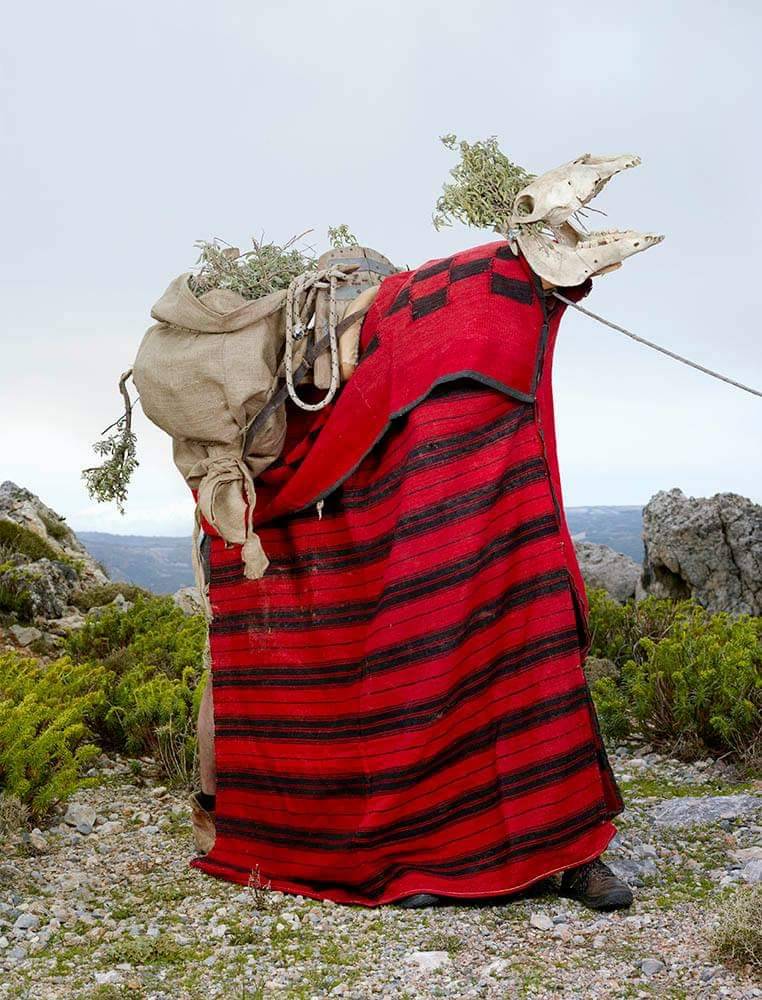
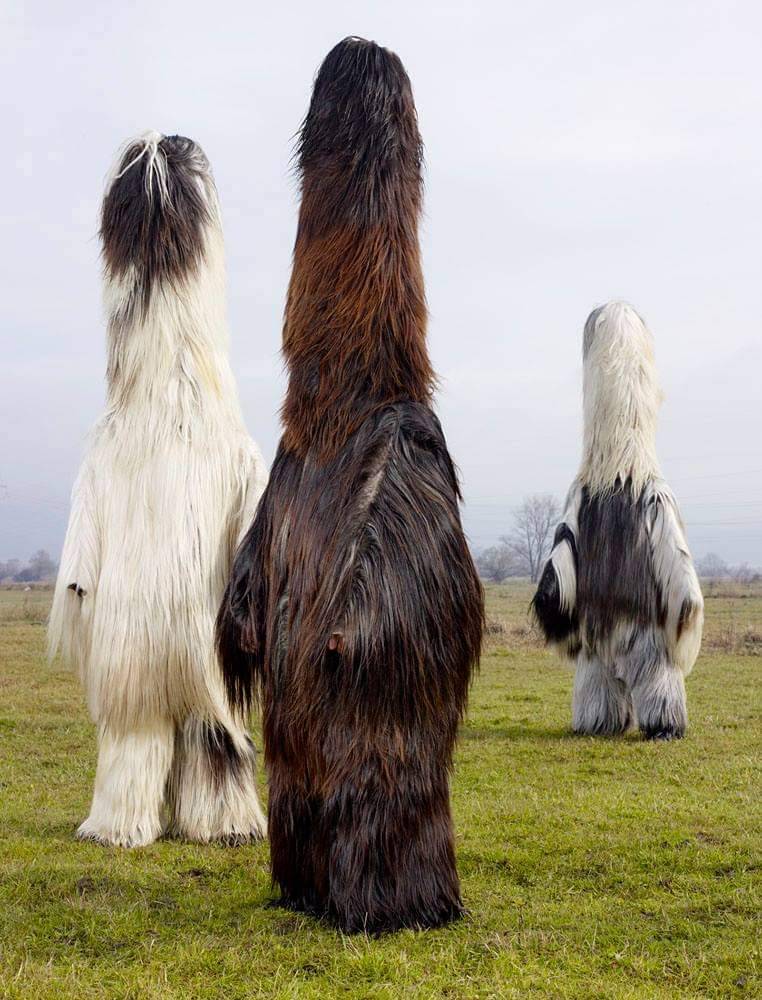
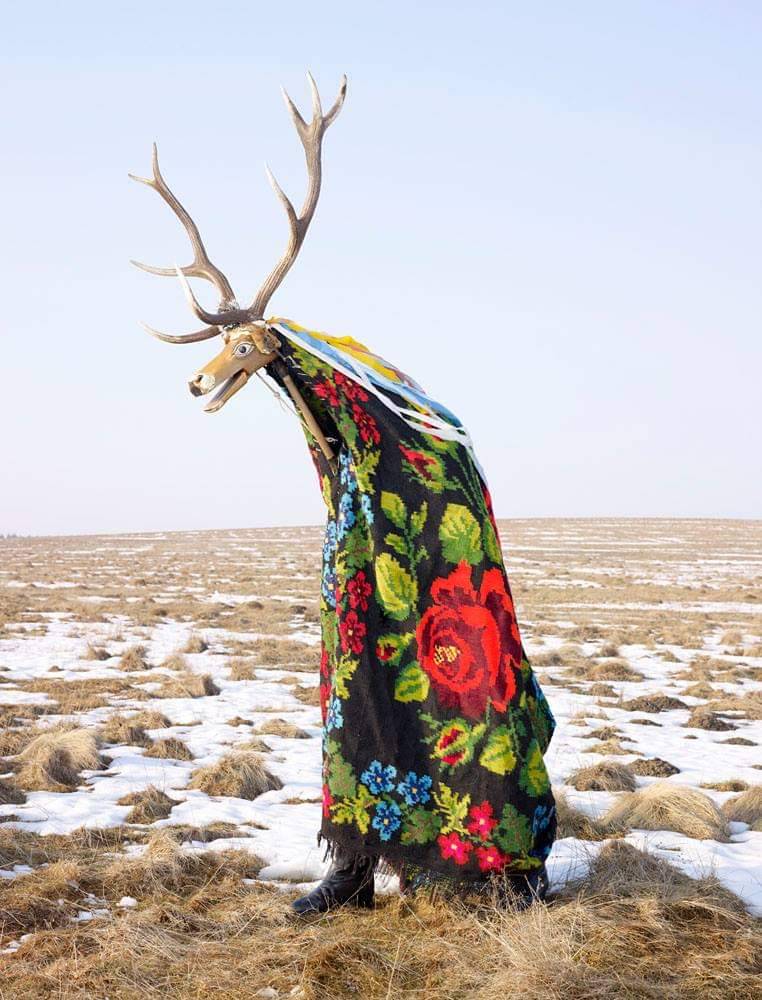
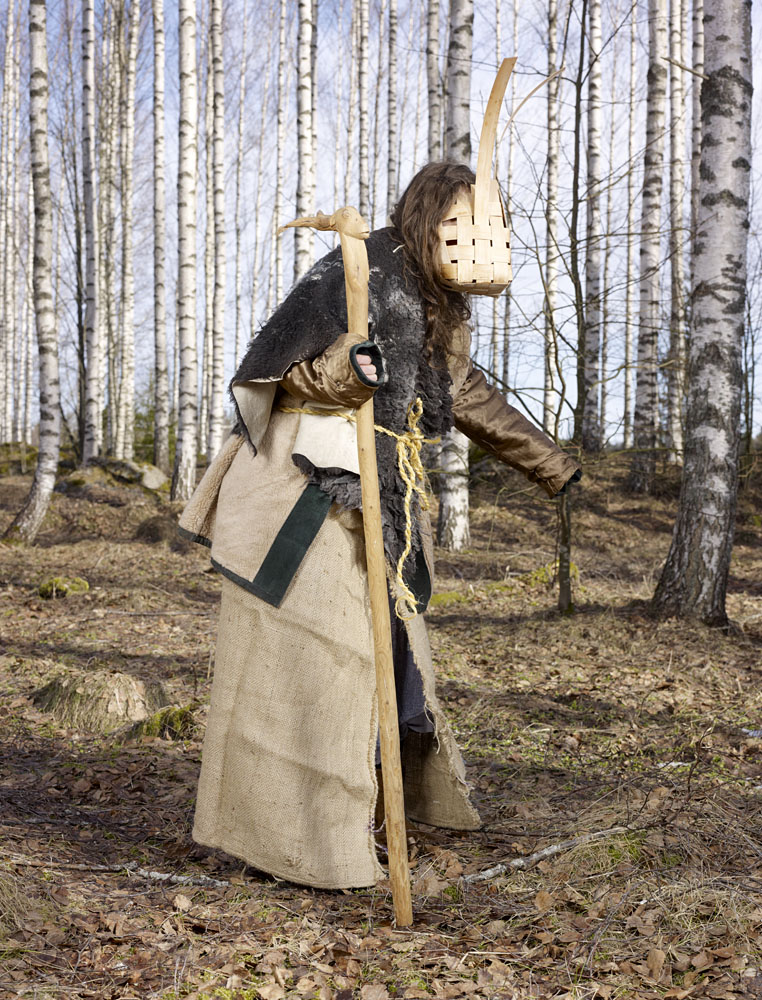
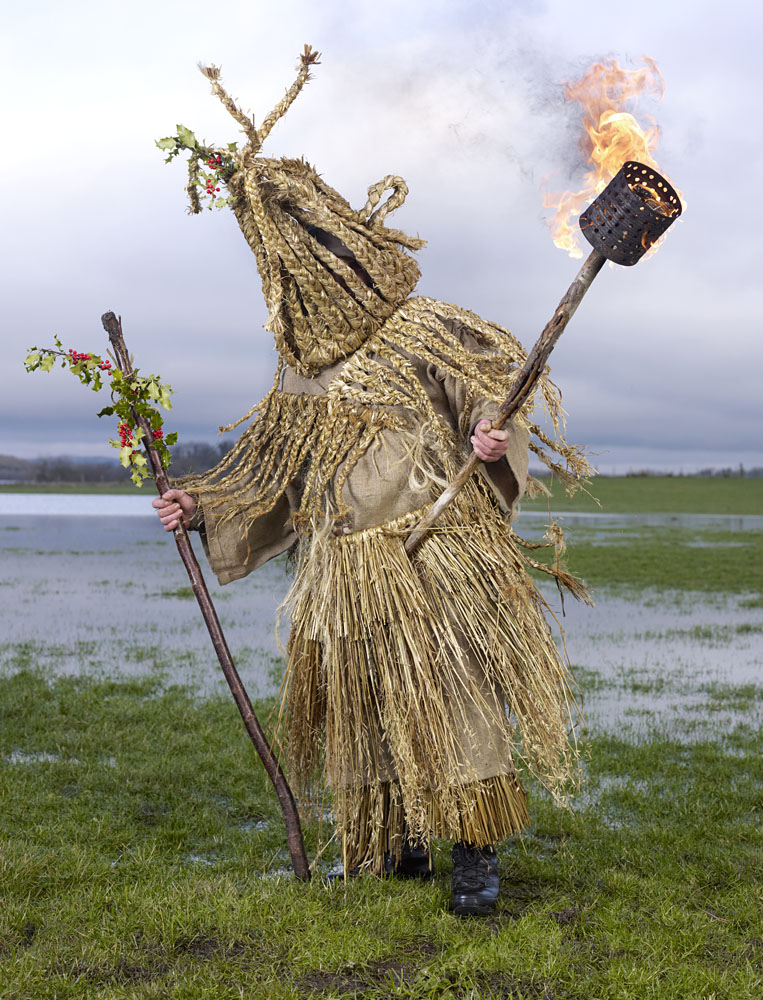
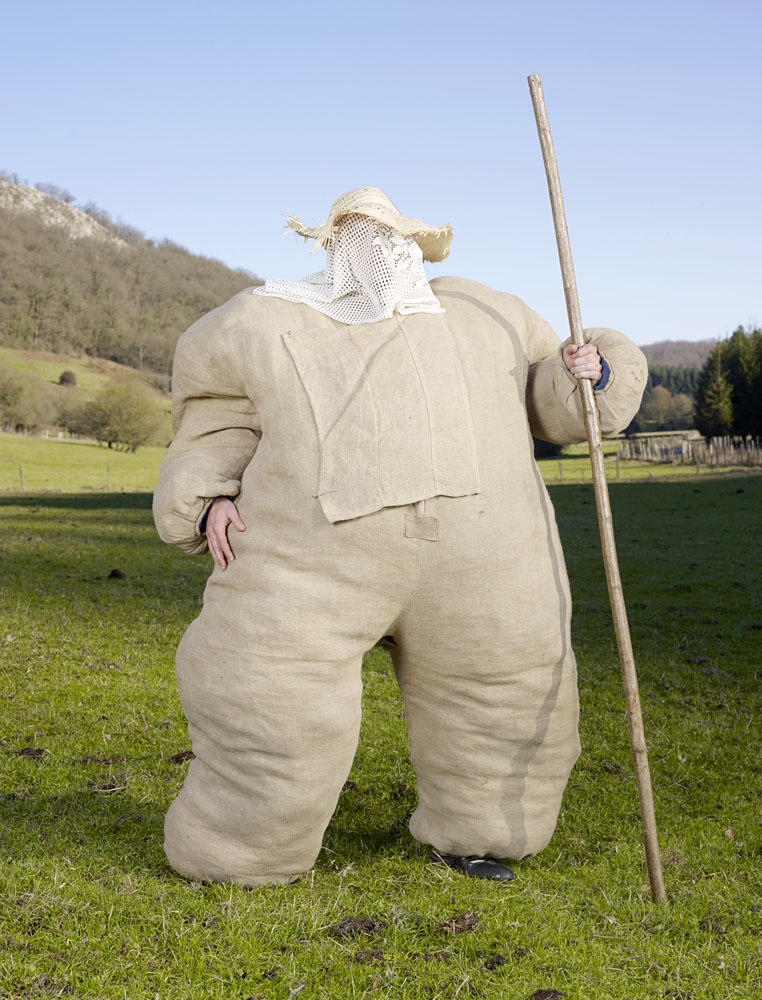
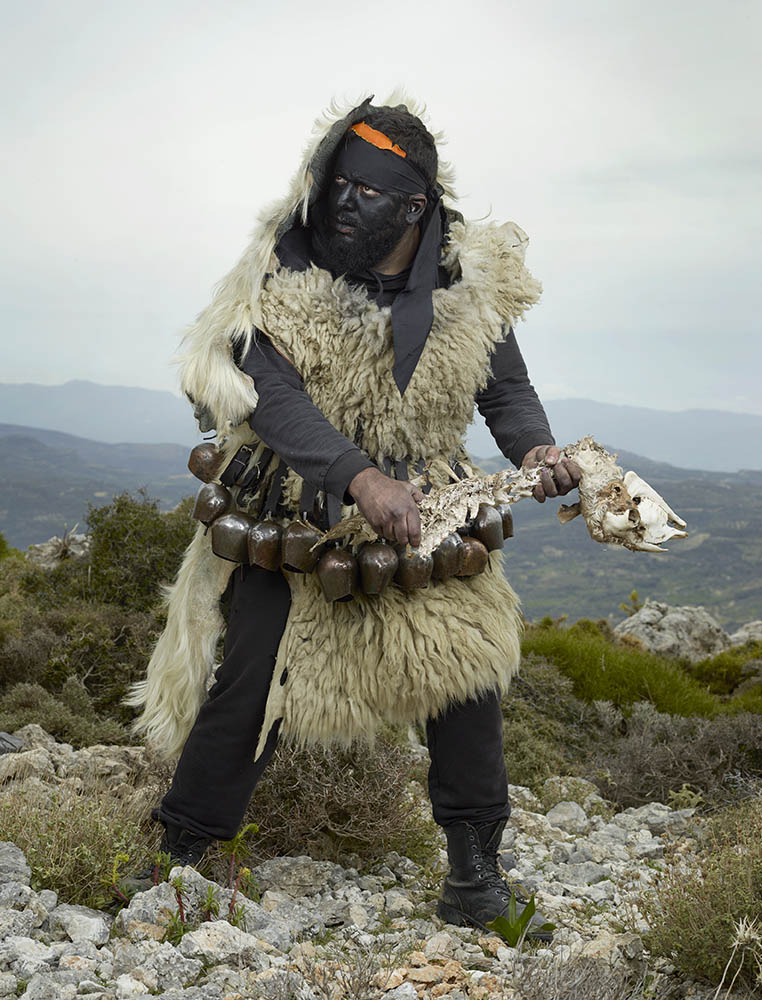
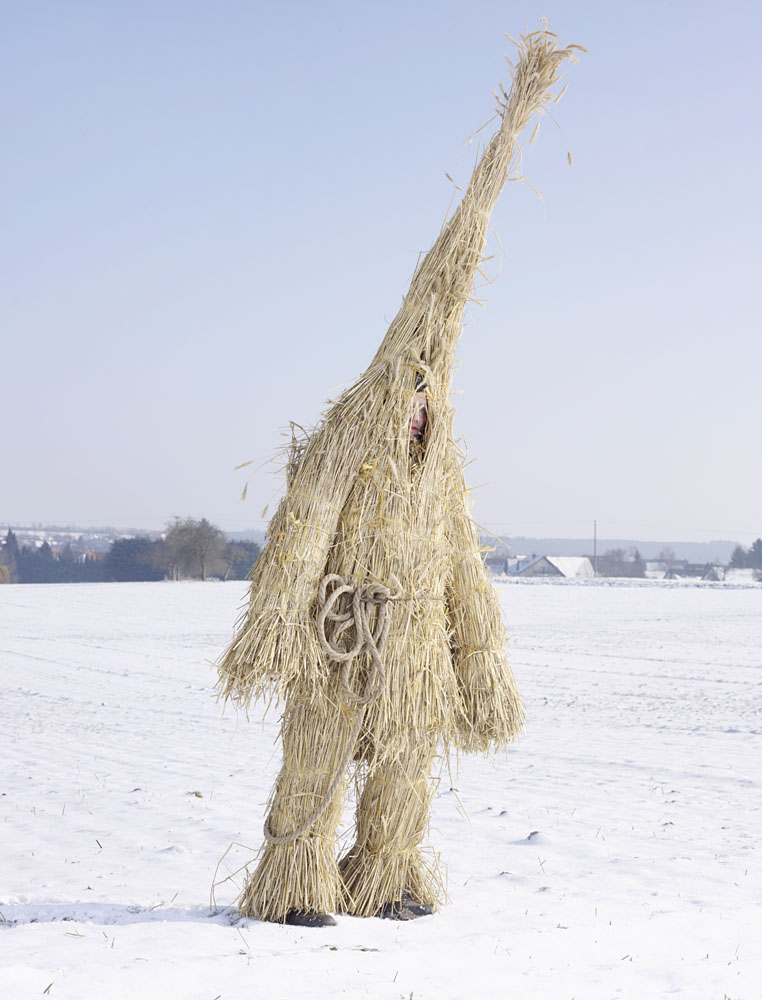
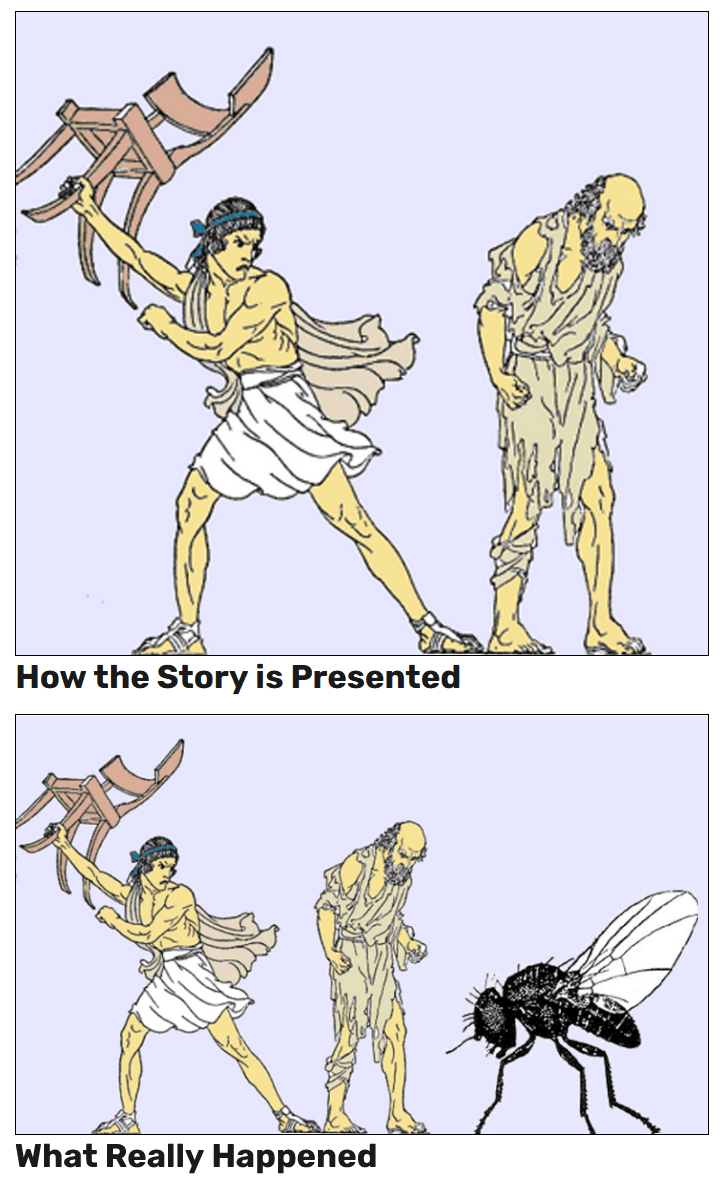
Images reposted from here and here for commentary on news media’s frequent use of Lying By Omission only, and has nothing to do with the conflict between Antinous and his attack on Odysseus.
Top image (uncolored) found here, with story: Continue reading “Media Bias”


[Medieval zoological artistry culled from video found here, and Mme. Jujujive beat me to it.]
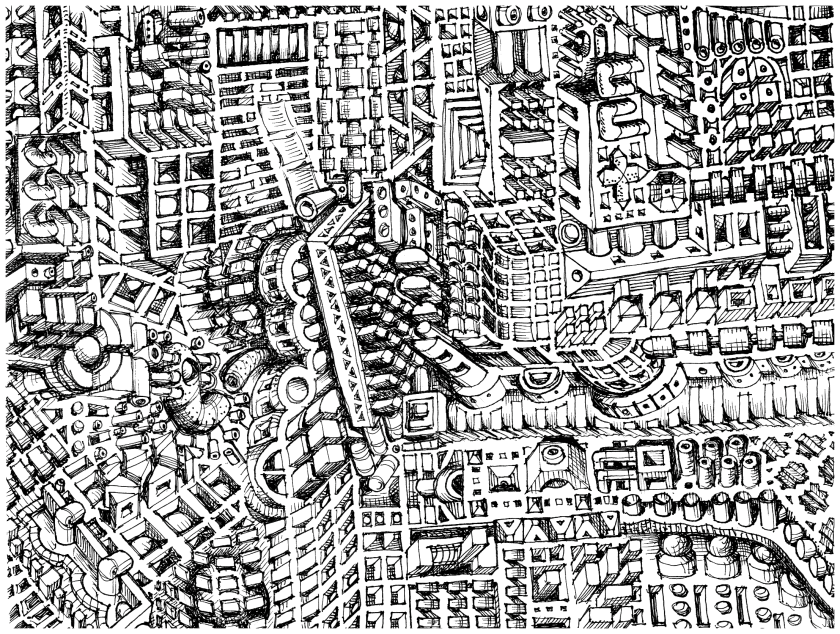
9AM daily. Pen on paper, 8-1/2 x 11, 3.34 square inches per day.
Finally got some work. I can breath again.
Cuttin’ In, Johnny “Guitar” Watson (1961)John Watson Jr. came from a musical family, and when he was 11, his grandfather offered to give him a guitar if, and only if, the boy didn’t play any of the “devil’s music.” His recording career spanned forty years; his highest charting single was A Real Mother for Ya (1977). Frank Zappa: “Watson’s 1956 song ‘Three Hours Past Midnight‘ inspired me to become a guitarist.” Many others were influenced as well.
The Ghost Dance in 1894.
Games involving dead octopi.
[h/t Octo]
Geostorm hits the NY tri-state area.
[h/t Bunkerville]
Rent a flat in Augsburg Germany for $1 / per year.
The Great Gazoo was voiced by actor Harvey Korman.
The theme to Raising Arizona, Way Out There, was written in 1936.
Twitter secretly removes likes and retweets. See what Twitter doesn’t want you to see.
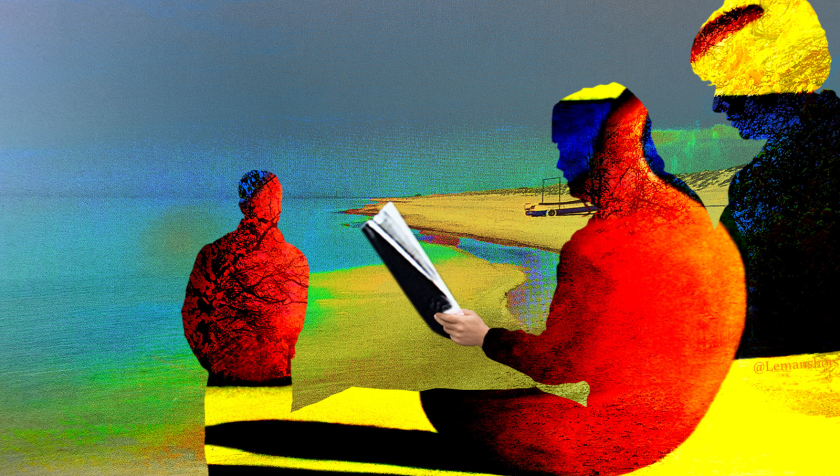
[Top image: Soup du Jour by Lemanshots 2021.]
From the Archives: 1 year ago. 5 years ago. 10 years ago.
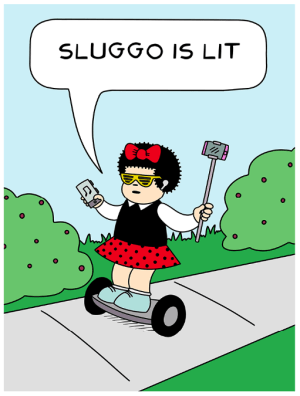
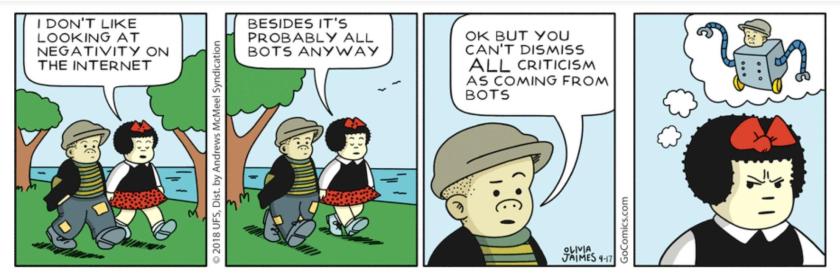
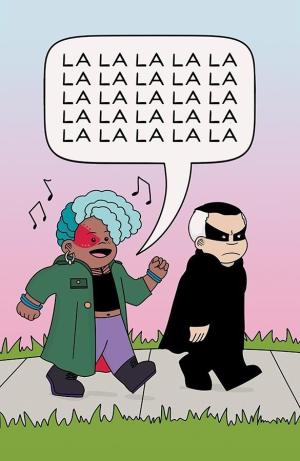
Olivia Jaimes‘ update was a few years back (2019) but it was an was an interesting take on Ernie Bushmiller’s classic strip. More about her revamp here.
Yeah, we have a Nancy Archive, too, because Bushmiller was awesome.
[UPDATE: Olivia Jaimes is also cartoonist Caroline Cash. Bio here.]
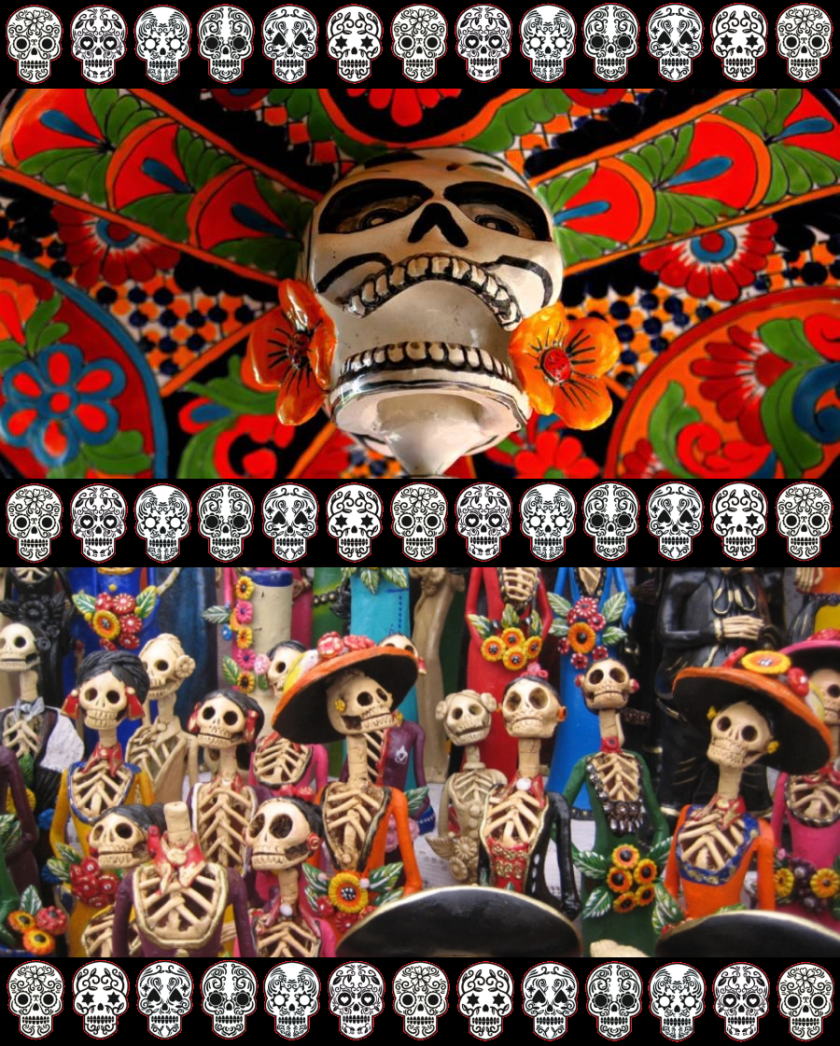
La Bruja, Tlen Huicani & Lino Chávez (Veracruz trad.)
“¡Ay! dígame, dígame, dígame usted,
¿cuántas criaturitas se ha chupado usted?”
[English translation for La Bruja here; images found here and here. More Day of the Dead stuff here.]
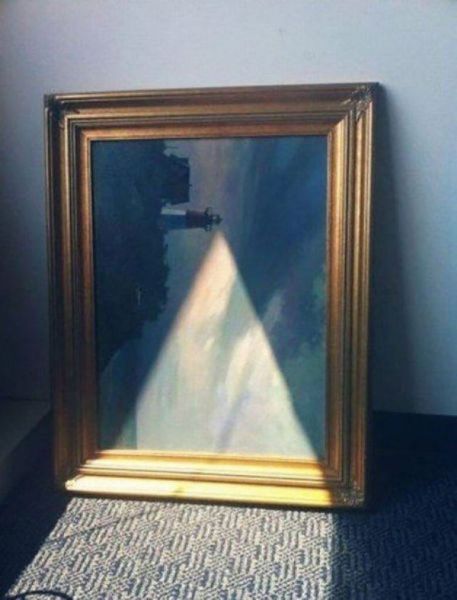
[Found here.]


