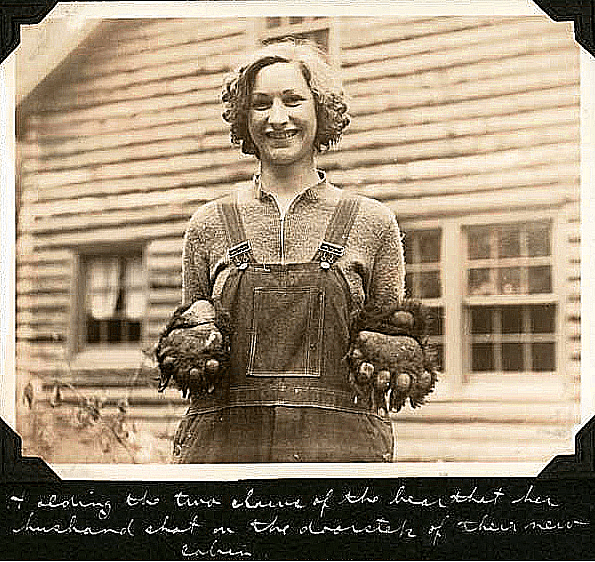
“Holding the two claws of the bear that her husband shot on the doorstep of their new cabin.”
[Date & location unknown, found in here.]

“Holding the two claws of the bear that her husband shot on the doorstep of their new cabin.”
[Date & location unknown, found in here.]
[Found here.]
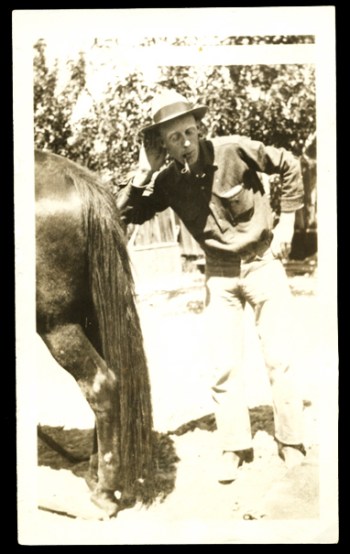
Cat.
A silent video can record sound??
Foreign Born Population in the US.
Are you a commie? Take this quiz to find out! [via AoS].
Amazing transformation: asian guy turns into white hipster.
The Corona virus is not the greatest threat to the US economy.
From the Archives: 1 year ago. 5 years ago. 10 years ago.
[Top image from here.]
Cool animation required 600 pancakes [found here]).
“Bassist Keith Ferguson is ‘playing’ one of Jimmy’s 6 string guitars upside down.”
The original Fabulous Thunderbirds in 1980:
Jimmie Vaughan (guitar), Kim Wilson (vocals/harmonica), Keith Ferguson (guitar) and Mike Buck (drums).
If Things Could Talk (1974)
Ry Cooder – guitars, vocals; Russ Titelman – bass; Jim Keltner & Milt Holland – percussion, drums; Bobby King, Gene Mumford & Cliff Givens – backup vocals. (Mumford & Givens sang with The Dominoes.)
40 years later:
Taj Mahal & Ry Cooder play Blind Willie McTell‘s 1928 Statesboro Blues in 2014.
Have a great weekend, folks, and we’ll sure do something or other tomorrow.
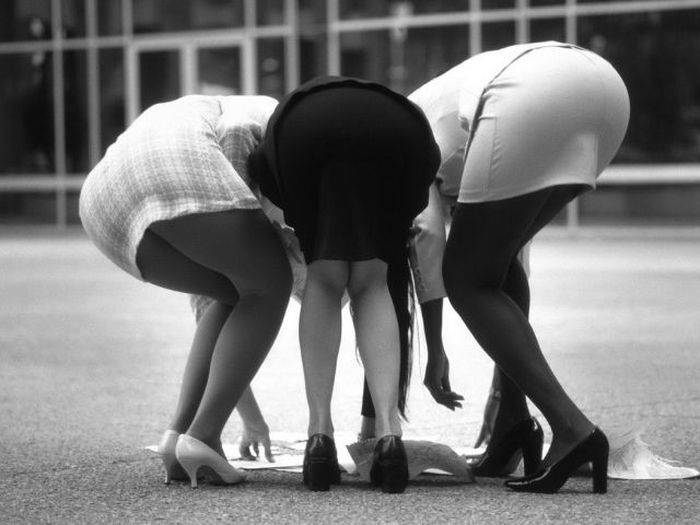
[Found here.]
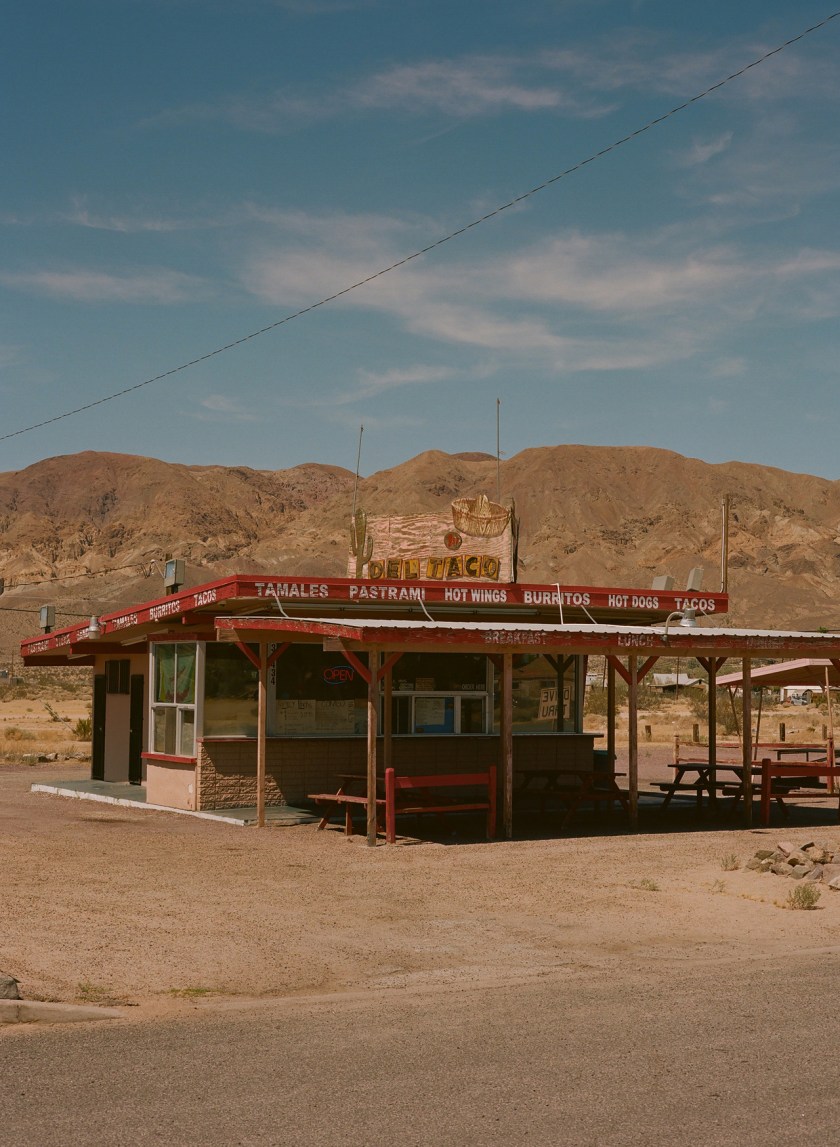
“Ed Hackbarth and David Jameson opened the first Del Taco in Yermo, CA in 1964. With a menu of 19¢ tacos, tostadas, fries and 24¢ cheeseburgers, Del Taco brought in $169 in sales on its first day in business – the equivalent of 900 tacos.”
Seems that the Del Taco pictured above opened in 1961, predating the one that opened in Barstow in 1964. It was originally named “House of the Taco,” er, um, “Casa del Taco.”
$169 in 1961 is about $1,500 in 2020 dollars. Not a bad first day.
[Image found here, caption here.]
UPDATE: Ed Hackbarth Jr. points out that Dave Jameson had nothing to do with the Del Taco Yermo. He joined Ed Hackbarth later 1964-65, opening the Del Taco in Corona CA. – Thanks, Ed.
11 March 2011 – The Great East Japan Earthquake (video at Sendai Airport) measured 9.0–9.1 on the Richter Scale. It moved Honshu (the main island of Japan) 8 feet east.
It was the most powerful earthquake ever recorded in Japan, and the fourth most powerful earthquake in the world since modern record-keeping began in 1900. The earthquake triggered powerful tsunami waves that may have reached heights of up to 40.5 meters (133 ft) in Miyako in Tōhoku’s Iwate Prefecture, and which, in the Sendai area, traveled at 700 km/h (435 mph) for up to 10 km (6 mi) inland. Residents of Sendai had only eight to ten minutes of warning, and more than 19,000 were killed, many at evacuation sites, more than a hundred of which washed away. [Wiki]
[Watch the whole thing. Video found here, via here.]
_____________________________________________________________
That’s a tough one to follow, but let’s try this.
Long intro, good story by The Steve Gibbons Band (1977). If you don’t know who he is, check out his credentials. I bought one of his albums for his cover of Chuck Berry’s “Tulane.”
Keb’ Mo’ plays Son House‘ “Walkin’ Blues” (1930), accompanied by musicians from six countries. It’s part of the “Playing For Change” video series.
Juzzie Smith introduces his One Man Band, and it’s amazing. I can play harmonica and guitar, but my brain won’t let me do both at once.
Jeff Beck (guitar), Tal Wilkenfeld (bass), Beth Hart (vocals), Lizzie Ball (violin) and Jonathan Joseph (drums) crank out Freddie King‘s 1971 classic “Going Down” at Crossroads Guitar Festival 2013. What a lineup.
That should hold y’all for a bit. See you back here tomorrow for something or other.
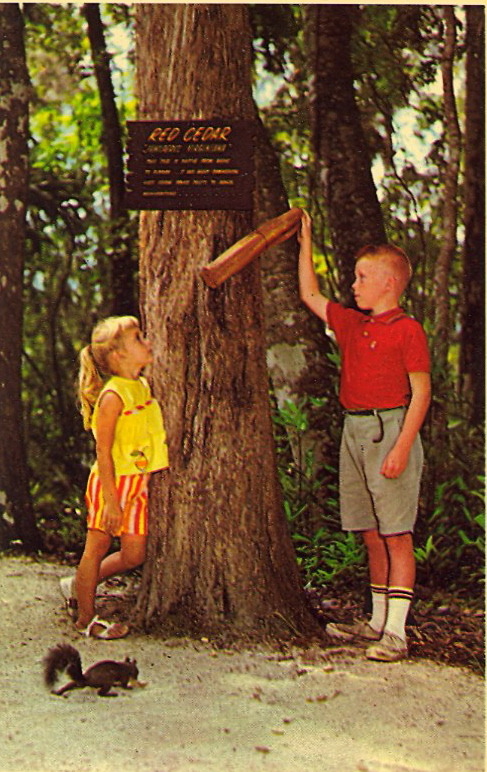
[Found here.]
Rats & Star (ラッツ&スター, Rattsu ando Sutā), formerly called Chanels, was a Japanese pop group that specialized in R&B & soul music… in blackface. Good stuff otherwise. {Had to update the vid. Original was sent to the YouTube gulag.]
Oh!Sharels is also Japanese and also do some nice retro covers, like this 1959 hit by the Flamingos (which was a cover of the song from 1934).
How ’bout some Japanese rockabilly? Not sure just what to make of Shelly (aka Shelly Trip Realize, aka Tinc), but the band rocks.
Have a great weekend or something. See you back here tomorrow for stuff.