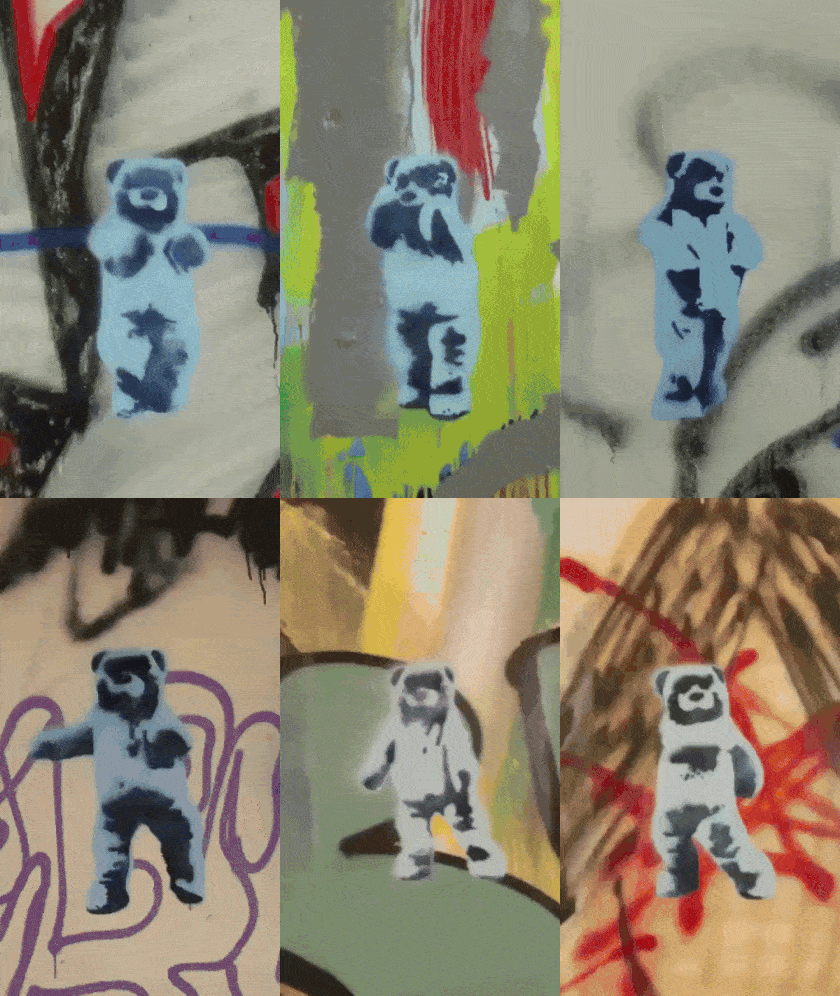
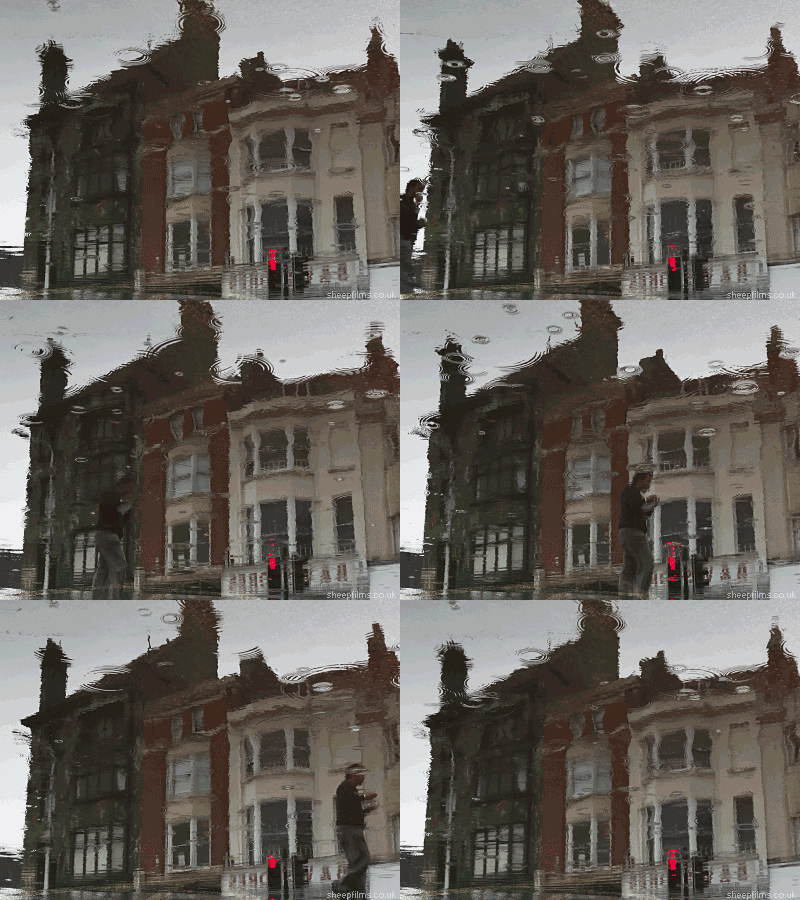
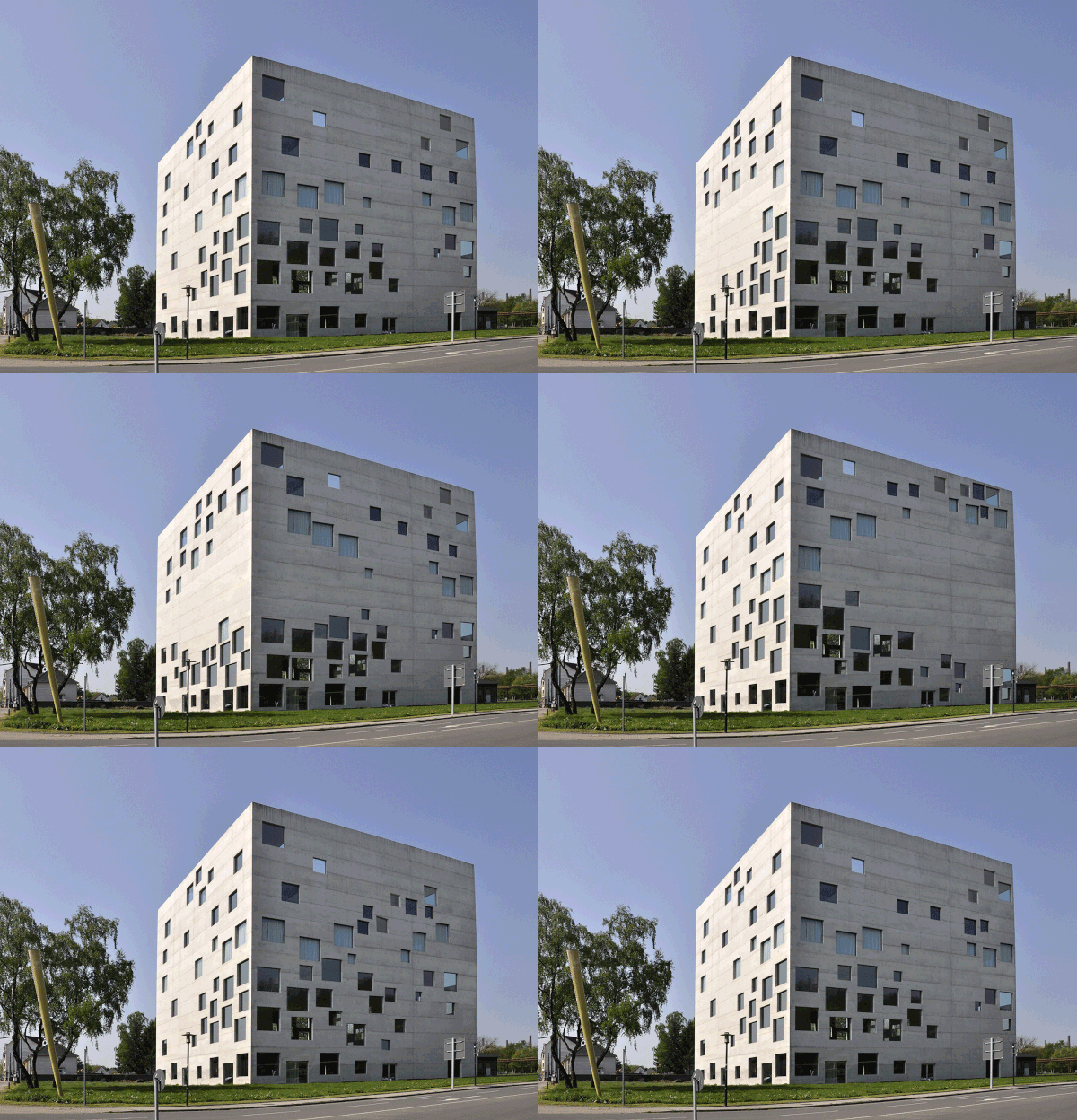

Press Play or Advance arrows to view gallery.
All are the work of artist David Jablow, and there’s more at his website. [h/t Donna of My OBT.]
Mumbles, Clark Terry (and the Oscar Peterson Trio (1964)
Reportedly Richard Pryor’s favorite song, Mumbles was also known as Pookie’s Theme for The Soupy Sales Show.
Catlines [via Everlasting Blört].
Pedestrian crossing in Vietnam.
Another reason for the internet.
The moment punk rock was born.
The Mirror Dance [via Bunkerville].
Name that tune [via Feral Irishman].
Flailing hoses [via Memo Of The Air].
Breakfast, dinner, tea & supper 1912.
It’s 2am, SR412 West, 147 miles from Tulsa.
Queen Hepzibah’s favourite Bajan Calypsonian.
The Dual Primate Console [via Sloth Unleashed].
What Did He Say? (The Mumble Song) by The Charioteers.
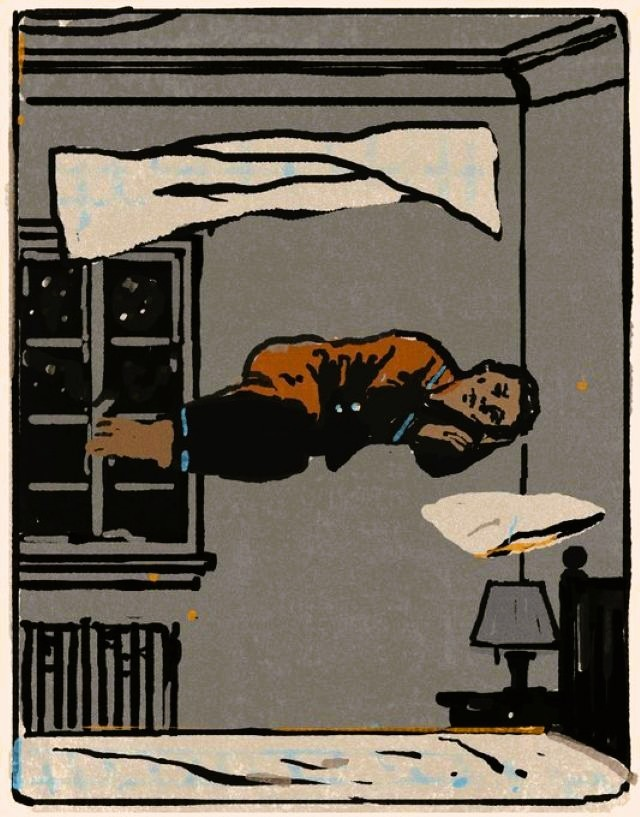
[Top image: Who Can Sleep, Gérard DuBois (2025) found here.]
From the Archives: 1 year ago. 5 years ago. 10 years ago. 15 years ago.
Love Is All Around, Joan Jett and The Blackhearts (1996)
Probably the best version of one of the most cloying songs ever – Theme to The Mary Tyler Moore Show.
Slug Dub [h/t Jason M.].
Short haulers [via Neatorama].
Doloresaurus [via Everlasting Blört].
White trash troubles. More details here.
The women of Brooklands [via Bits & Pieces].
No more P00P [via The View From Lady Lake].
Wait for The Horned Screamer [via Bunkerville].
The astonishing depravity of the Adélie penguins
[via Nag on the Lake].
The Malling Hansen Writing Ball [via Memo Of The Air].
[Top image: Ancient A.I. found here.]
From the Archives: 1 year ago. 5 years ago. 10 years ago. 15 years ago.


“An assemblage of anthropomorphic masks created by Pacific Northwest Coast Indigenous peoples on the continent of North America. 19th-20th century.”
[Found here.]

[Found here.]
(There’s Gonna Be A) Showdown, New York Dolls (1973)
This seminal proto punk band took their name from the New York Doll Hospital, a doll repair shop.
R.I.P. David Johansen.
R.I.P. Roberta Flack.
R.I.P. Gene Hackman.
Hagfish slime [via Bunkerville].
Space X and the Coastal Commission.
European box beds [via Everlasting Blört].
Mantis ate the whole thing [via Ephemera].
St. John’s, Newfoundland & Labrador, Canada.
“Hey Joe. Where was your cousin’s apartment?”
Do Something Cool in Slo-Mo [via Memo Of The Air].
Lyonel Feininger (1871 – 1956) [via this isn’t happiness].
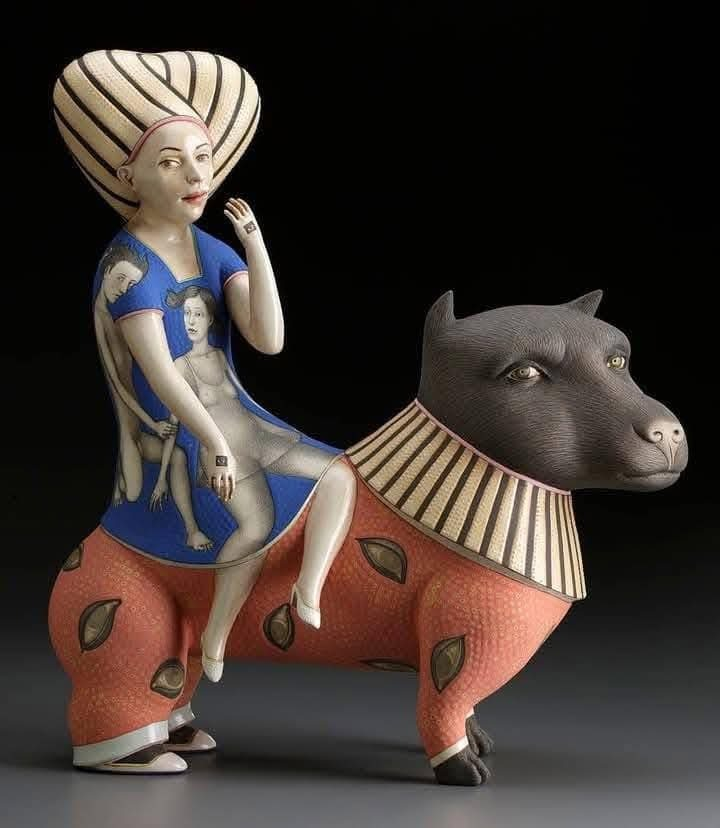
[Top image: Ceramic art by Sergey Isopov, found here.]
From the Archives: 1 year ago. 5 years ago. 10 years ago. 15 years ago.


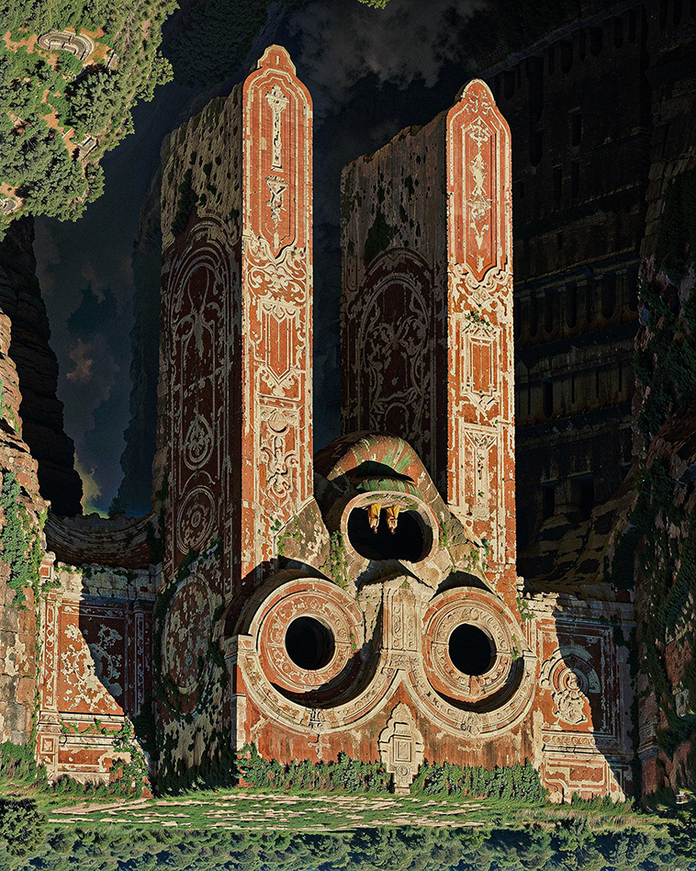
Many more convincing AI images by an unknown digital artist can be found on a Facebook page titled Abandoned Houses and Unreal Places. There’s also a link to a YouTube channel that features animated tours.
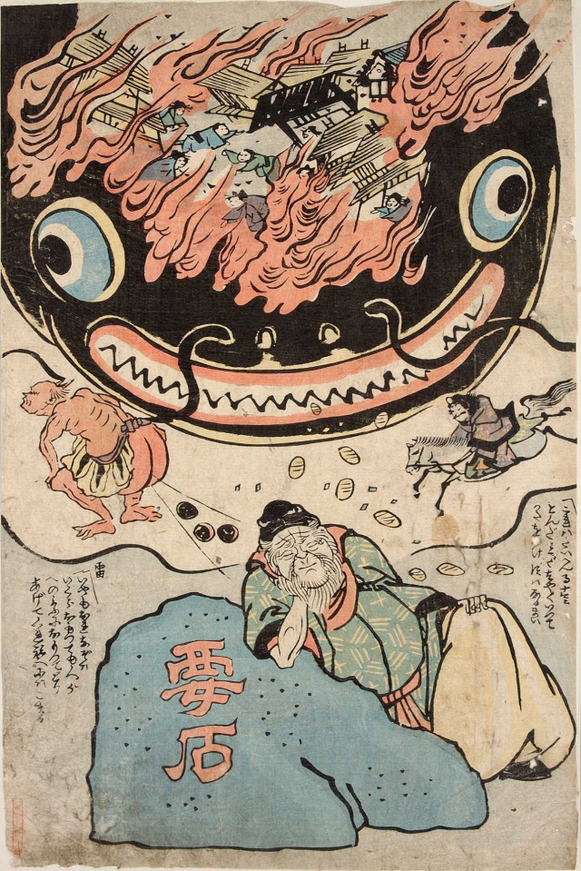
In November 1855, the Great Ansei Earthquake struck the city of Edo (now Tokyo), claiming 7,000 lives and inflicting widespread damage. Within days, a new type of color woodblock print known as namazu-e (lit. “catfish pictures”) became popular among the residents of the shaken city. These prints featured depictions of mythical giant catfish (namazu) who, according to popular legend, caused earthquakes by thrashing about in their underground lairs. In addition to providing humor and social commentary, many prints claimed to offer protection from future earthquakes.
Namazu are normally kept under control by the god Kashima using a large rock known as kaname-ishi. The Great Ansei Earthquake of 1855 is said to have occurred when Kashima went out of town and left Ebisu (god of fishing and commerce) in charge. In this print, the giant subterranean catfish unleashes destruction on the city while Ebisu sleeps on the job. Kashima rushes home on horseback while the city burns, and Raijin the thunder god defecates drums. Large gold coins fall from the sky, symbolizing the redistribution of wealth during the rebuilding phase.
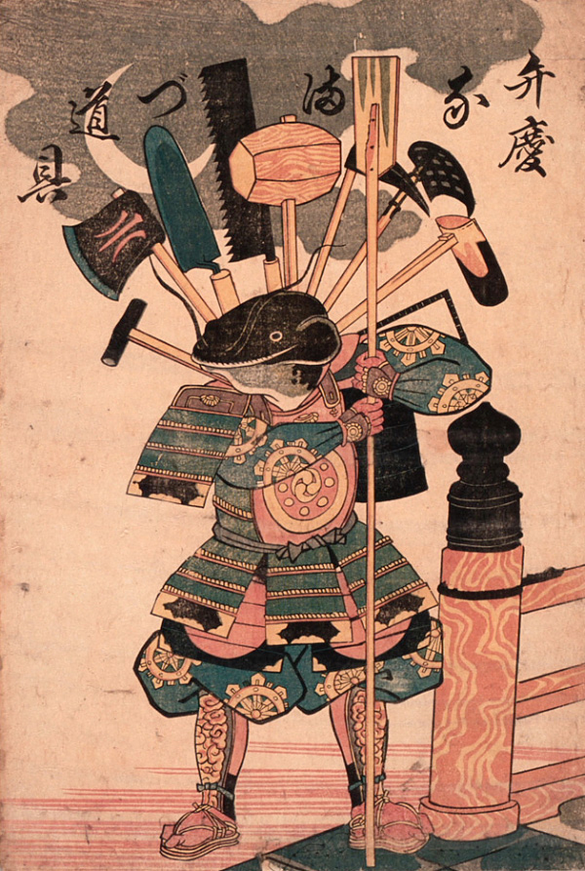
[Full story and more images found here.]
 Tacky Raccoons