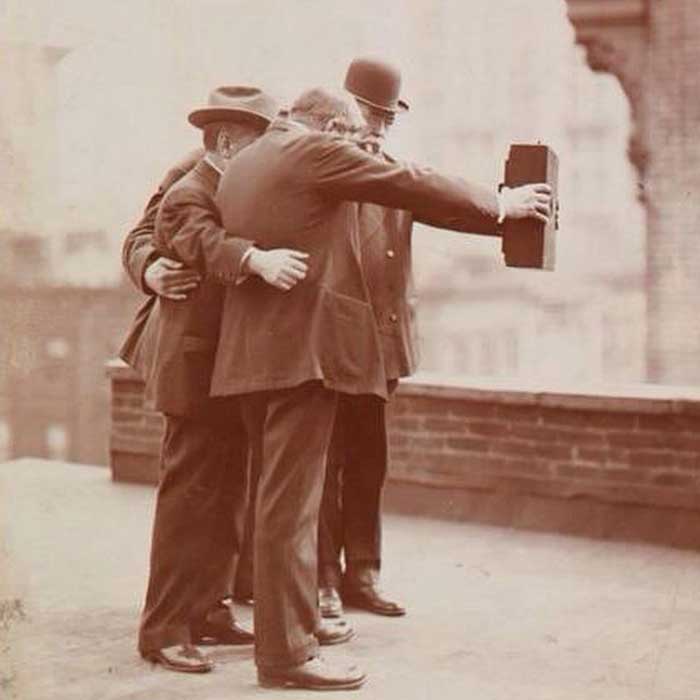
Note that two pricey photos were taken simultaneously, suggesting promotional photos. Original source unknown because we were too lazy to hunt for it, but we’ll link with credit if you find it.
[Received via email. Tip ‘o the Tarboosh to A.U.]

Note that two pricey photos were taken simultaneously, suggesting promotional photos. Original source unknown because we were too lazy to hunt for it, but we’ll link with credit if you find it.
[Received via email. Tip ‘o the Tarboosh to A.U.]

[Found here.]
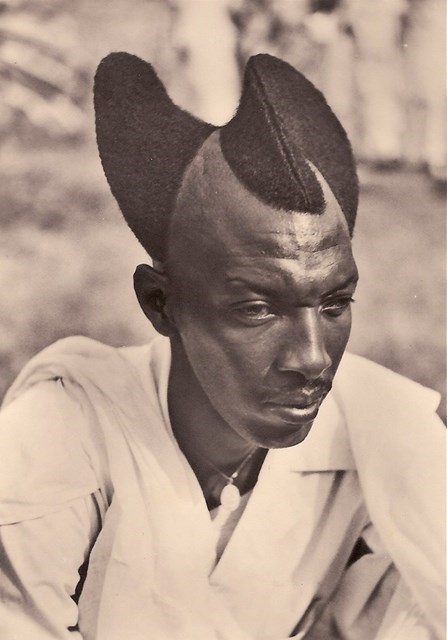
It’s like a giant brain-sucking leech. I want one.
Oh wait…
[Image, caption, and more about the hairstyle here.]
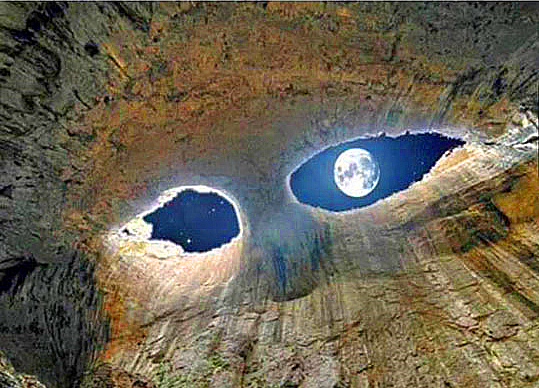
The Eyes of God, Prohodna Cave, Bulgaria.
By the way, tonight’s full moon is a Blue Moon, as in “once in a…”
[Found in here. For those of you who were awaiting The .Gif Friday Post, it’ll return next week. Promise.]

[Found here. Click for Awesomeness.]
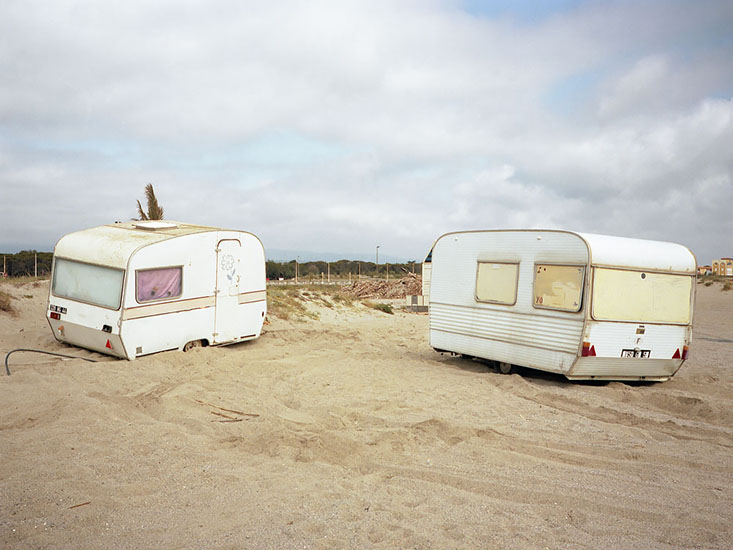
Those two are hibernating, but click on any pic below to see them in their full-sized glory.


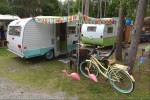

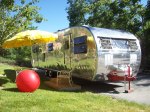
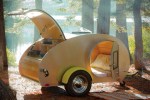

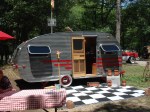
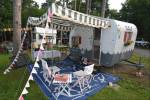
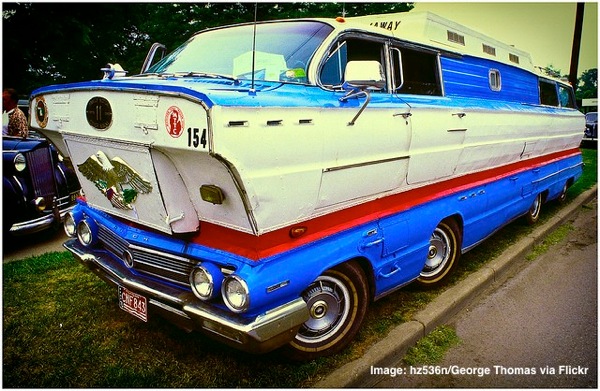
For the WIN:
The late Huell Howser interviewed a number of Teardrop Camper afficionados at a gathering in 2003. Very cool vid.
[Images found here, here, here, here, here, and maybe some other places like here and here. Related posts here, here and here. Oh, and here.]
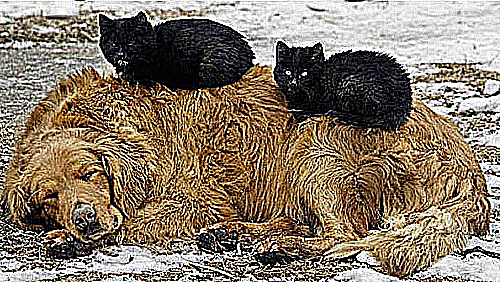
Okay, those aren’t tumors, but I stole the image, accidentally set Contrast to 11, and now it’s completely awesome. You’re welcome.
[Original image found here.]
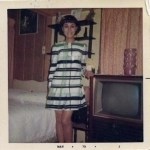
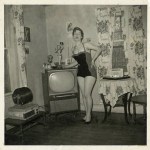
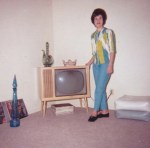
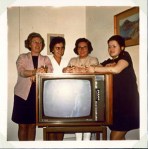
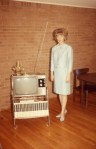
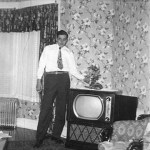

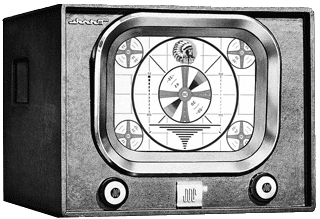
Not so long ago, owning a black and white TV was a status symbol. Then color TVs came along, and someone invented a tinted screen with a parabolic lens that less affluent folks could attach to their b/w sets to simulate color – it had a brown tint on the bottom for dirt, blue on the top for sky, and a bizarre flavor of red/pink in the middle where the actors’ faces usually were – and it magnified the size of the screen. This cheap fixit was often better at rendering hues than the color TVs were, as the latter often gave the actors a distinctive fuzzy green complexion anyway.
At least Spock looked good.
[More pictures of people standing next to their TV sets here.]

 Tacky Raccoons