

[Found here, previously posted elsewhere.]
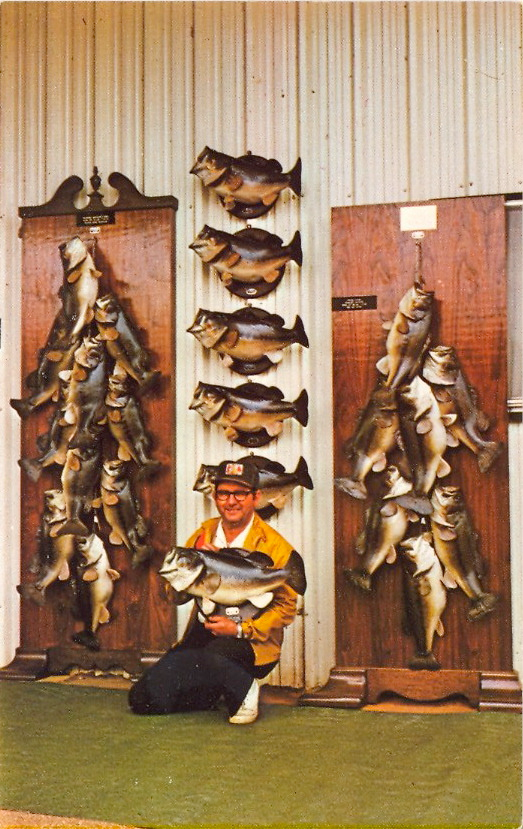
THE POT OF LUNKER BASS AT THE END OF THE RAINBOW
Raymond Gauthier has reached the end of the rainbow and has been justly rewarded with the fisherman’s pot of gold in these lunker bass caught on Toledo Bend Lake. On July 3, 1973, while fishing near Pendleton Bridge he hauled in 7 bass that tipped the scales at 56 pounds even. Since then he has caught 63 bass in a 2 acre area. 20 of these weighed over 6 pounds each, 20 more weighed over 7 pounds each and 12 of these weighed over 8 pounds each with the 2 biggest weighing 9 pounds 14 ounces each. Since then he has caught many more in the same weight range that have not been mounted.
[Postcard with caption found here.]
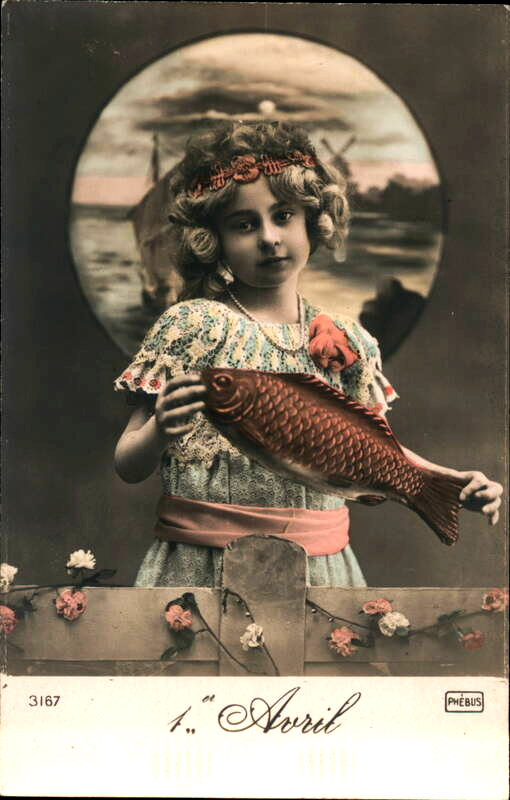
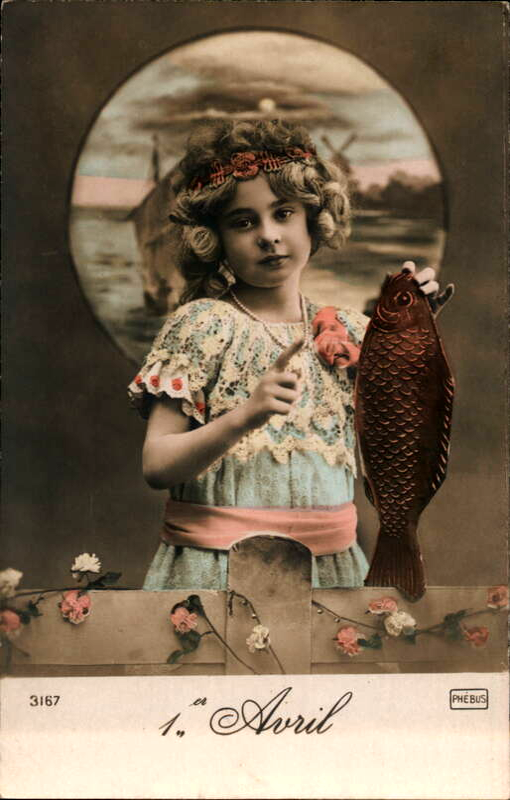
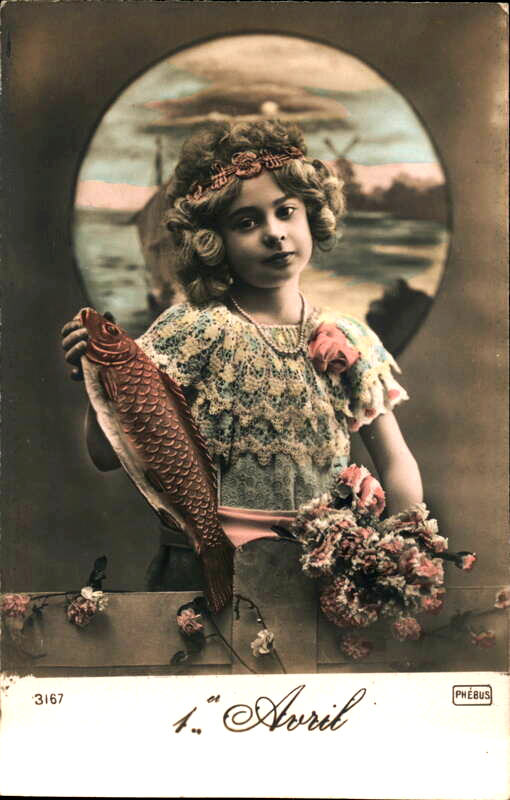
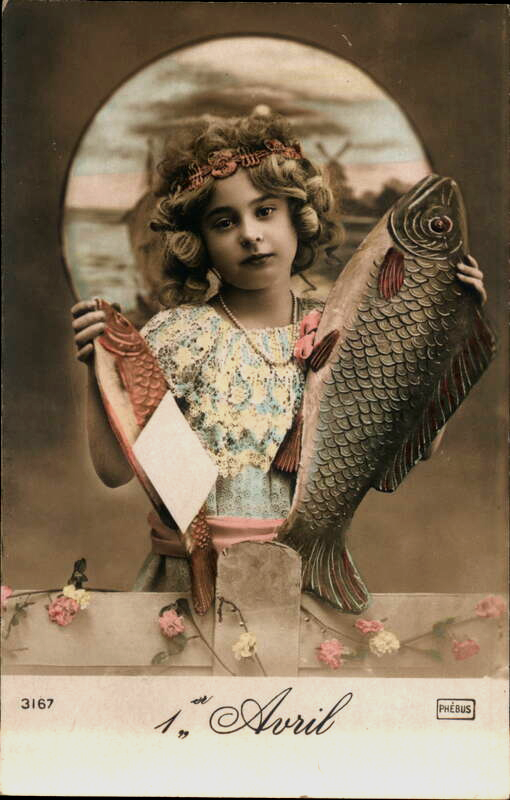
“Back in the old days in France (up until 1564), the new year was celebrated on April first, based on the Julian calendar. That was before King Charles IX came along and decided that everybody should be following the Gregorian calendar, which starts the new year on the first day of January.
“Not everyone welcomed this change, or so the story goes, and some people continued to celebrate April 1 as the first day of the year. Allegedly, those people were mocked and referred to as April fools. Whatever the case, it became a tradition to do things such as pasting a fish on unsuspecting people’s backs on April 1, and calling them a Poisson d’Avril or an April Fish. The symbol of the fish may also have been connected with Jesus Christ.”
[These undated postcards were found in this fine collection. There is a small envelope attached to one of the fish, meaning unknown. The caption, along with more vintage French April Fish postcards, found here.]
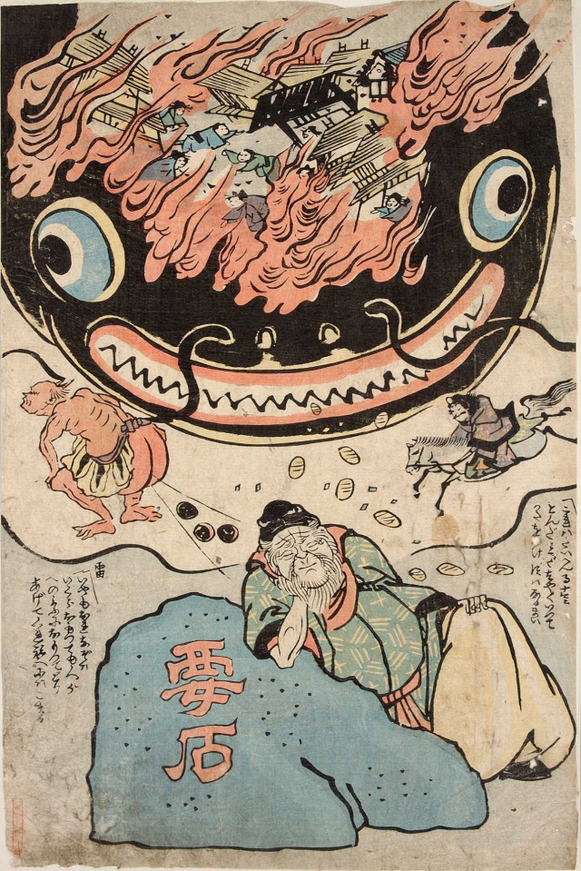
In November 1855, the Great Ansei Earthquake struck the city of Edo (now Tokyo), claiming 7,000 lives and inflicting widespread damage. Within days, a new type of color woodblock print known as namazu-e (lit. “catfish pictures”) became popular among the residents of the shaken city. These prints featured depictions of mythical giant catfish (namazu) who, according to popular legend, caused earthquakes by thrashing about in their underground lairs. In addition to providing humor and social commentary, many prints claimed to offer protection from future earthquakes.
Namazu are normally kept under control by the god Kashima using a large rock known as kaname-ishi. The Great Ansei Earthquake of 1855 is said to have occurred when Kashima went out of town and left Ebisu (god of fishing and commerce) in charge. In this print, the giant subterranean catfish unleashes destruction on the city while Ebisu sleeps on the job. Kashima rushes home on horseback while the city burns, and Raijin the thunder god defecates drums. Large gold coins fall from the sky, symbolizing the redistribution of wealth during the rebuilding phase.
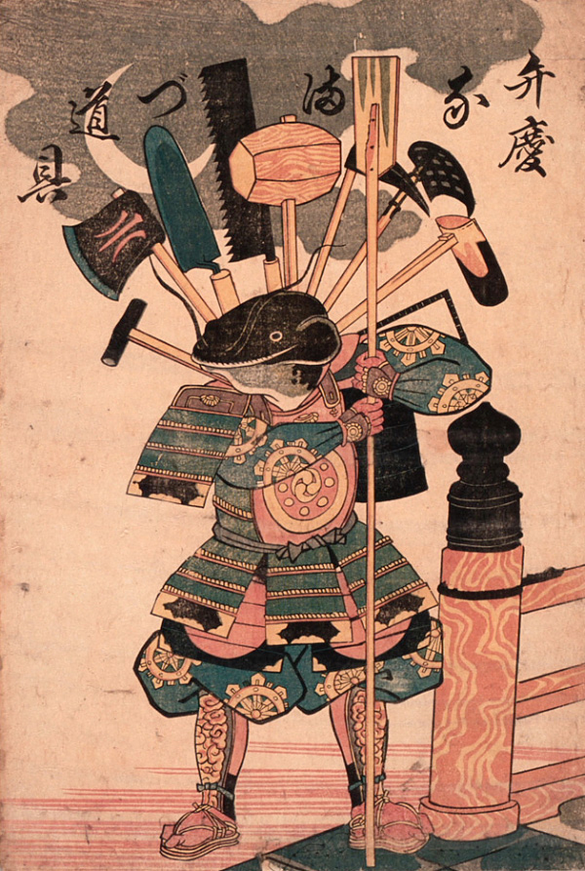
[Full story and more images found here.]


[All created while playing with the DeepAI Video Generator.]
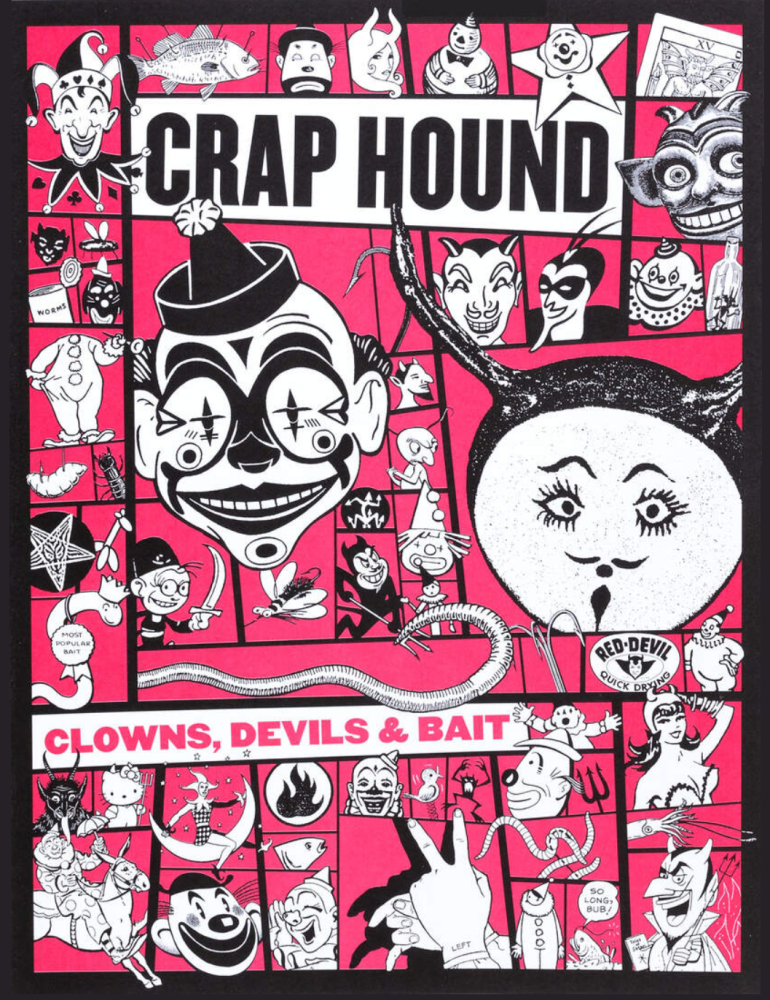
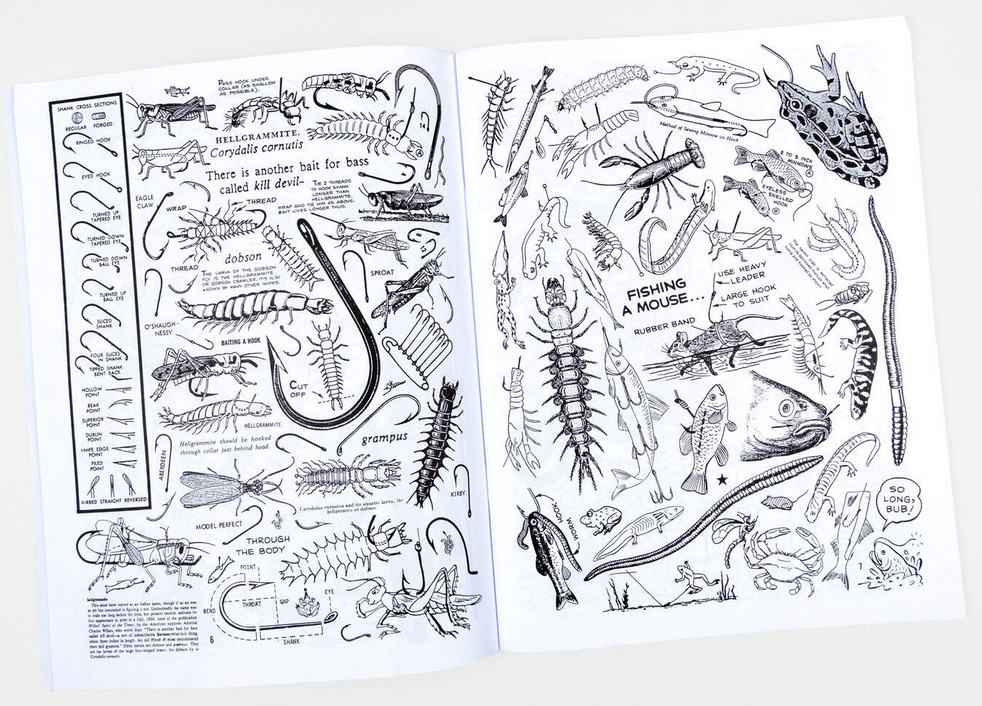

“For those who don’t know, Crap Hound is a zine I started in 1994. I don’t talk about it much here, because it’s got no connection to LiarTown. Crap Hound consists almost entirely of high-contrast, black and white commercial art and imagery, collected into themes. All past issues have been reprinted, thanks to the extreme loveliness of folks at BuyOlympia. Topics are Clowns, Devils, and Bait, Hands, Hearts, and Eyes, Death, Phones, and Scissors, Church and State, Superstition, and Sex and Kitchen Gadgets.”
Creative clipart project by Sean Tejaratchi of LiarTownUSA.
[Found here.]



 Tacky Raccoons