
[Found here.]

[Found here.]
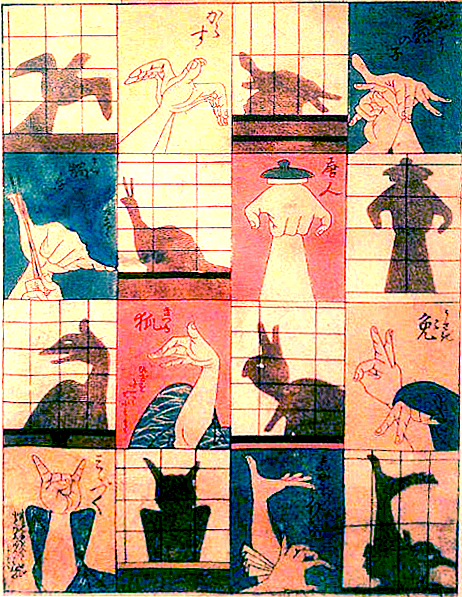
Okay, so there’s a bird, a turtle in love with a river rock, a dinosaur with antennae, an ambient lawn light, an ex-girlfriend, a mock turtle, a bat sleeping upright, and a giant hummingbird riding a whale.
Not sure of the original Japanese artist who created this, but he’s got nothing on these guys.
[Image found here. I enhanced it a tad.]
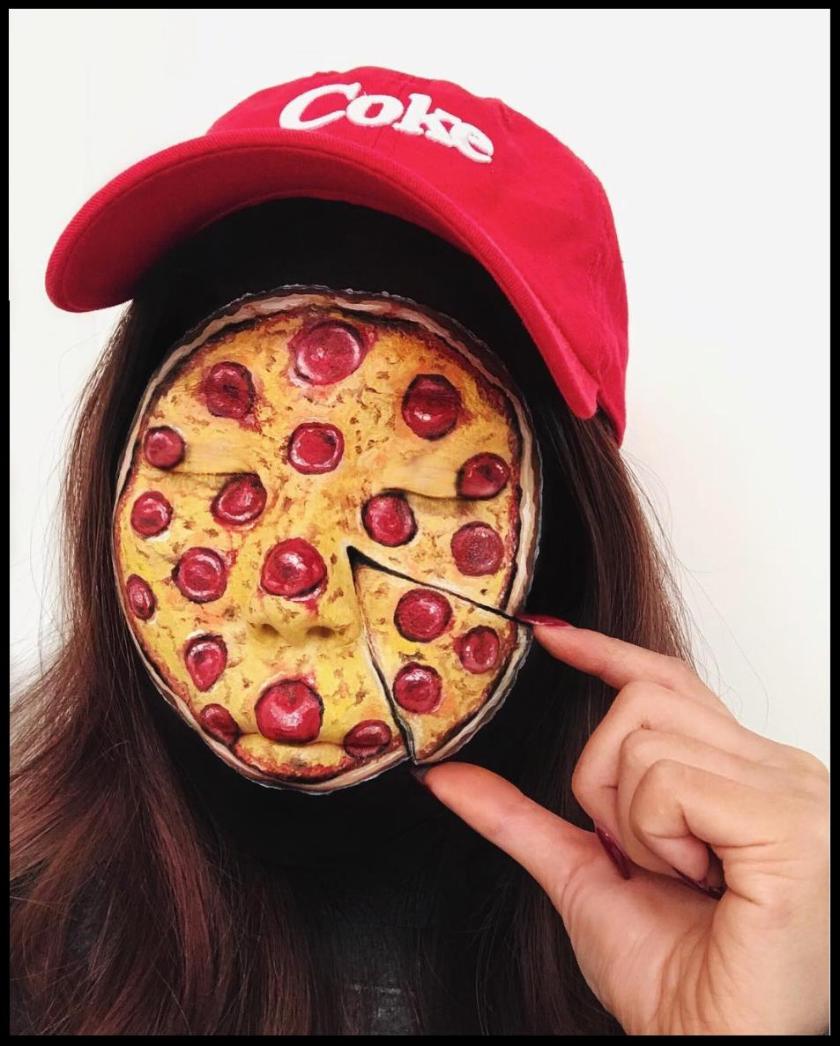
Where was she when I was in college? So what if she’s a bit greasy? Her charms make up for it.
[Image and story found here.]
The guy was naturally funny, especially when ad-libbing, and he did it all without profanity. Tim Conway was a real class act. We’ll miss him.
[Update:
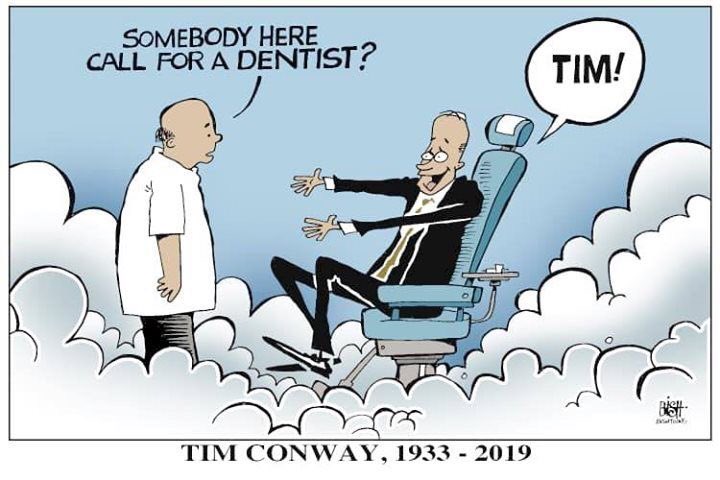
A cartoonist named Randy Bish posted that tribute (via here).]
William S. Levise, Jr. (aka Mitch Ryder) was entirely awesome and way ahead of his time, even though he was echoing bluesmen who weren’t getting credit or pay for their songs. Yeah, he ripped them off.
The Swingin’ Medallions had some cool hits in the ’60s, especially “Double Shot Of My Baby’s Love.” (Note the stage floor choreography markers.) Killer stuff.
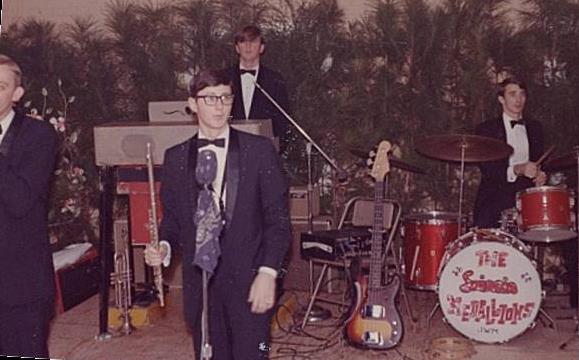
I was in Jr. Hi when I first heard those guys. I liked the music, but at the same time I thought they were dangerous. I don’t remember why.
How ’bout this? Here’s a faceload of Robin Trower.
Have a great weekend, folks. See you back here tomorrow.

[Found here.]
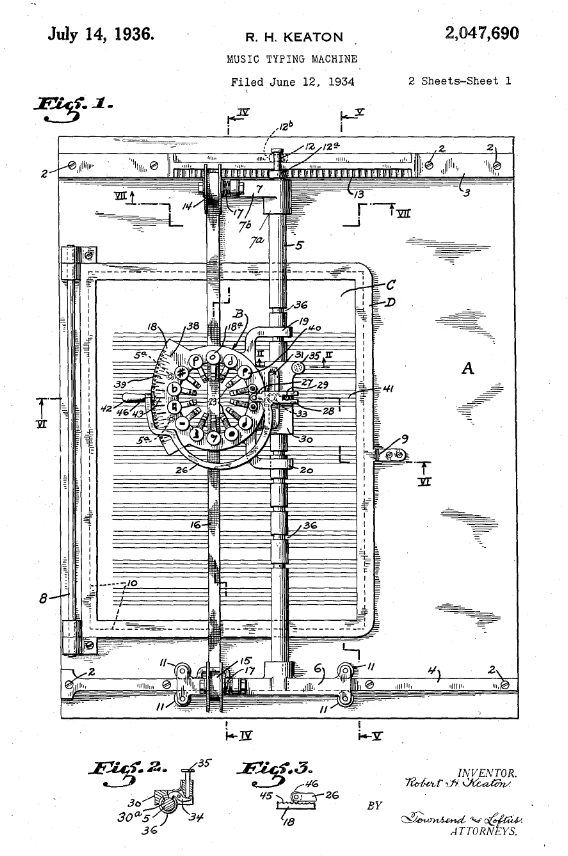
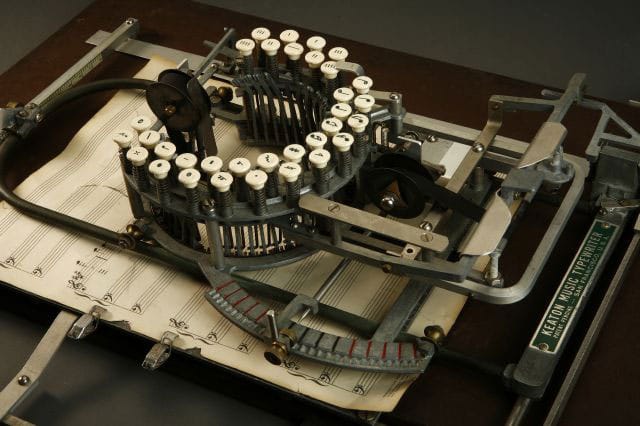
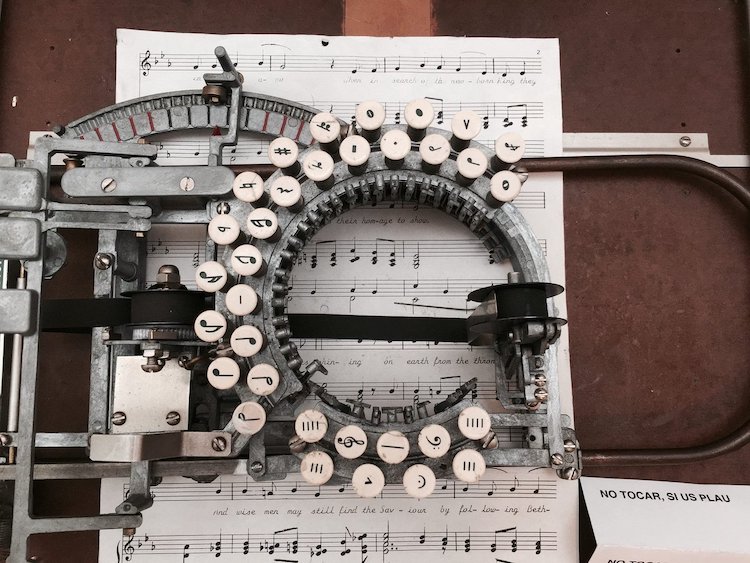
It’s an interesting arrangement that gives the Keaton Music Typewriter its distinctive look. In terms of engineering, thanks to a curved meter on the left that Keaton called the Scale Shift Handle and Scale Shift Indicator, it’s easy to control exactly where the notes and characters fall on the page. By moving the handle up or down a notch, the typewriter adjusts to print 1/24 inch in either direction. Moving one notch up or down will cause the character to fall one musical step either way.
It appears that the typed sheet music in the museum display (the 2nd image) is turned 90 degrees from the way the machine types, or perhaps it’s a different model.
[Images and text found here; Original Patent here; Video here.]
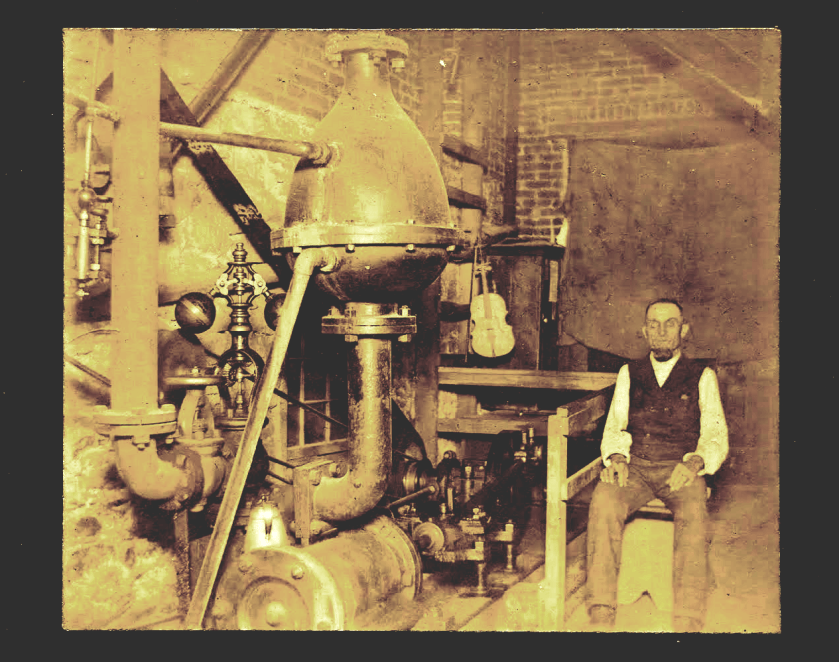
He was a musician as well.
[Found here.]
[UPDATE: That’s not a still. It’s apparently a steam engine. See comments below.]
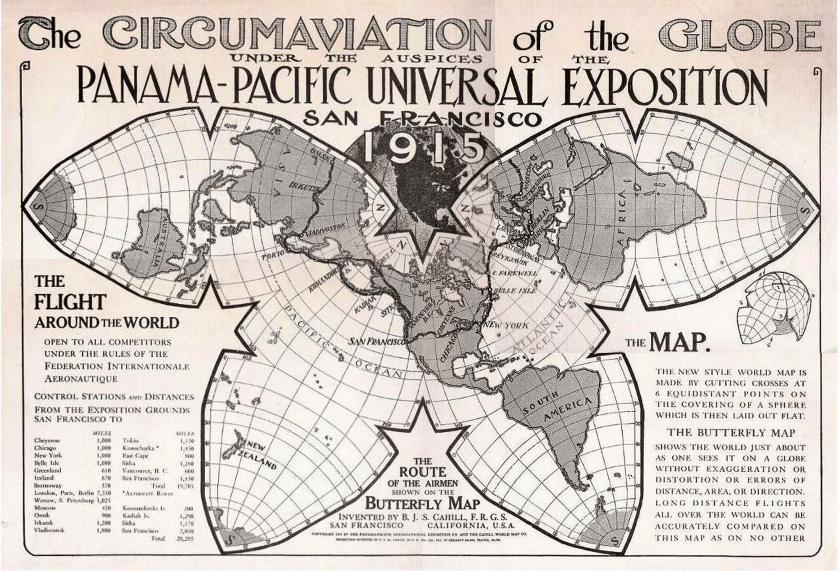
From the map inset:
“THE NEW STYLE WORLD MAP IS MADE BY CUTTING CROSSES AT 6 EQUIDISTANT POINTS ON THE COVERING OF A SPHERE WHICH IS THEN LAID OUT FLAT.
THE BUTTERFLY MAP
SHOWS THE WORLD JUST ABOUT AS ONE SEES IT ON A GLOBE WITHOUT EXAGGERATION OR DISTORTION OR ERRORS OF DISTANCE, AREA, OR DIRECTION. LONG DISTANCE FLIGHTS ALL OVER THE WORLD CAN BE ACCURATELY COMPARED ON THIS MAP AS ON NO OTHER.”
Bernard Joseph Stanislaus Cahill (1866–1944), cartographer and Architect, was the inventor of the octahedral “Butterfly Map” (published 1909; patented 1913).
At the start of his professional career in 1896, Cahill participated in the Phoebe Hearst competition for the design of the U. C. Berkeley campus. He was elected an Associate Member of the A.I.A. in 1899. He wrote articles for the “California Architect and Building News” and later for “The Architect and Engineer.” An early advocate of city planning, Cahill helped to define the concept of a “civic center” with his 1904 design of the San Francisco Civic Center, which he felt was the basis for the plan adopted by the city in 1912. He continued to be involved in the plan for the city, and wrote letters to the editor and articles expressing his ideas on the proper plan.
A specialist in mausoleum design and mortuary architecture, Cahill designed the catacombs and columbarium for the Cypress Lawn Cemetery, the Independent Order of Odd Fellows (San Francisco), Evergreen Memorial Cemetery Memorial Building (Oakland), the St. Mary’s Cemetery mausoleum (Sacramento), and the Diamond Head Memorial Park in Honolulu [more here].
[Map found here.]
 Tacky Raccoons