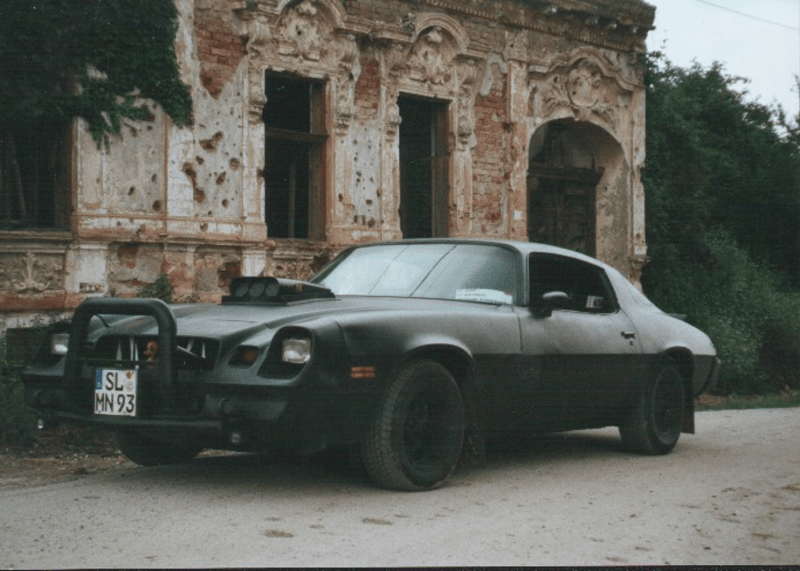
In the early 1990s, a former Danish special forces soldier felt a calling from God to go to Bosnia and provide humanitarian aid during the Bosnian War.
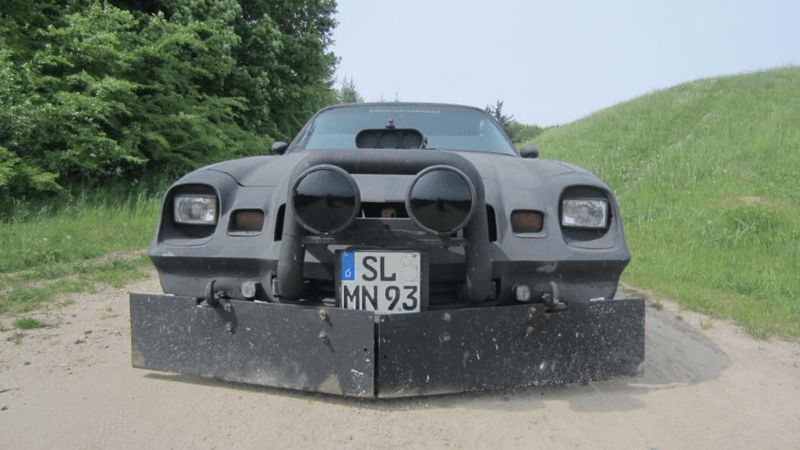
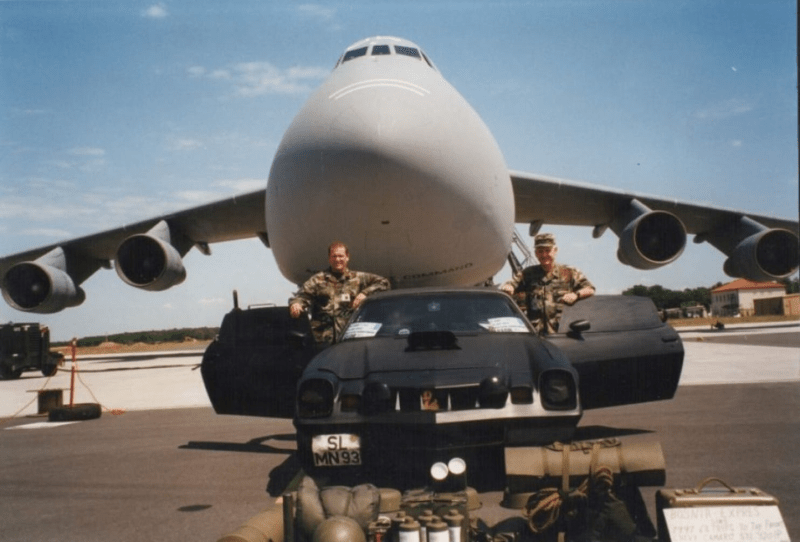
With the help of the US Army, he was able to fulfil that mission, driving through dangerous conditions to deliver relief to citizens of the war-torn country with only his Bible and a tricked-out [1979] Camaro – the Ghost Car. War History Online
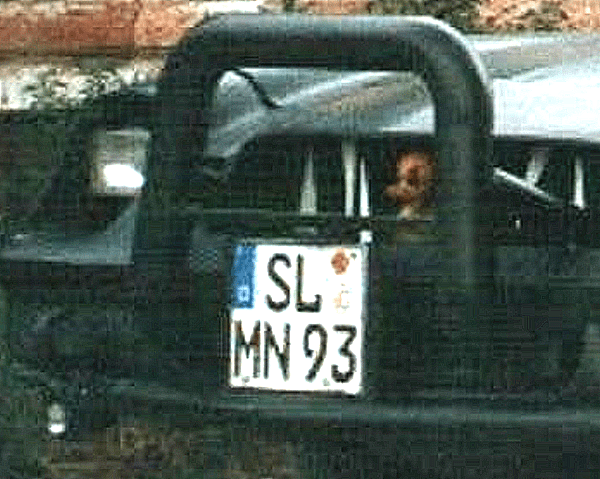
“And do you see that extra panel under the front of the car? Well, that’s not just a panel….it’s a mine-clearing blade. And if you take a closer look at the radiator grill, you’ll notice a cute yellow rubber duck.” Drivetribe
Links where I found the story are defunct / deleted for some reason. A search for Helge Meyer and/or Bosnian Ghost Car produces many results.
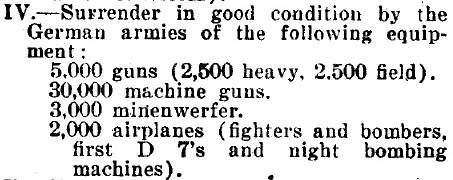
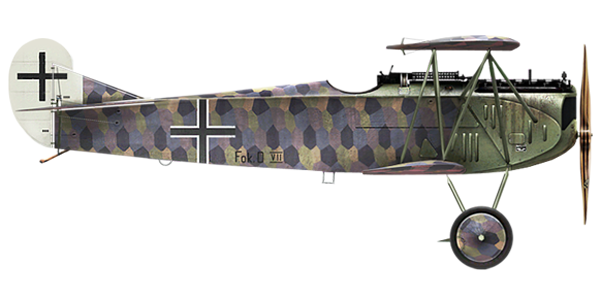
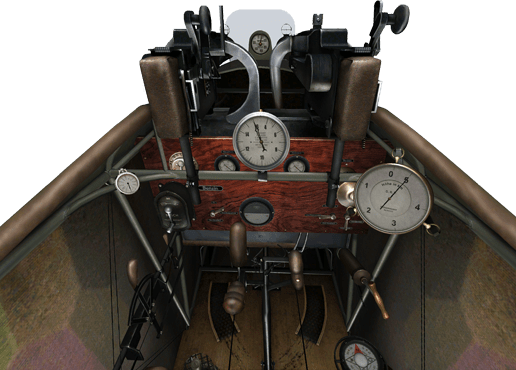
The Fokker D.VII is the only aircraft mentioned by name in the Armistice demands of November, 1918. Germany was ordered to surrender “1,700 airplanes (fighters, bombers – firstly, all of the D 7’S and all the night bombing machines)” (number of aircraft to surrender are not always the same).
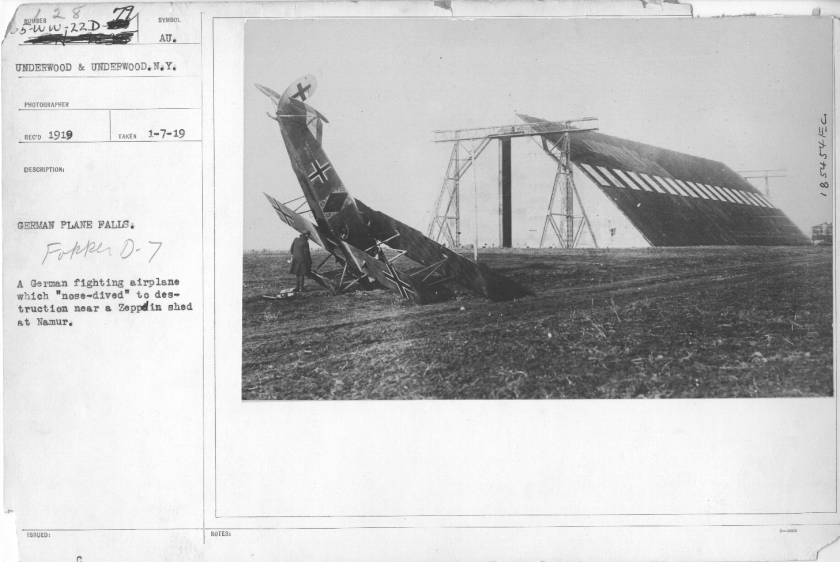
In the end, not all D.VII’s were handed over. Some were flown back to Germany by their pilots and hidden in sheds. From the ones that were flown to the collection points of the Inter-Allied Control Commission, some were wrecked during landings or taxiing. After the war, some were sold abroad. Anthony Fokker flew from Germany and smuggled six trains with sixty wagons each full of aeroplanes and tools to Holland. Among these were 120 D.VII’s.
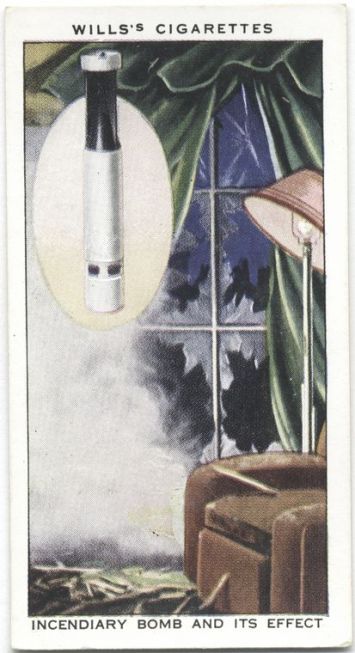
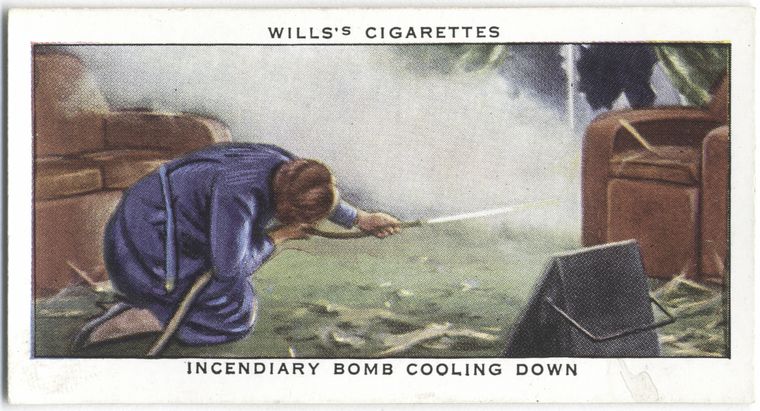
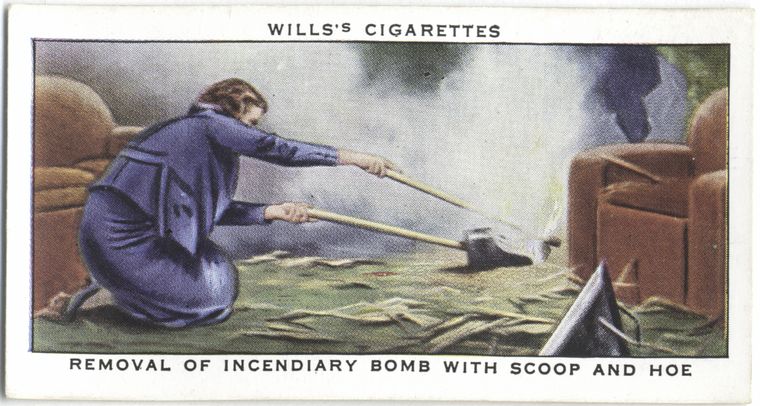
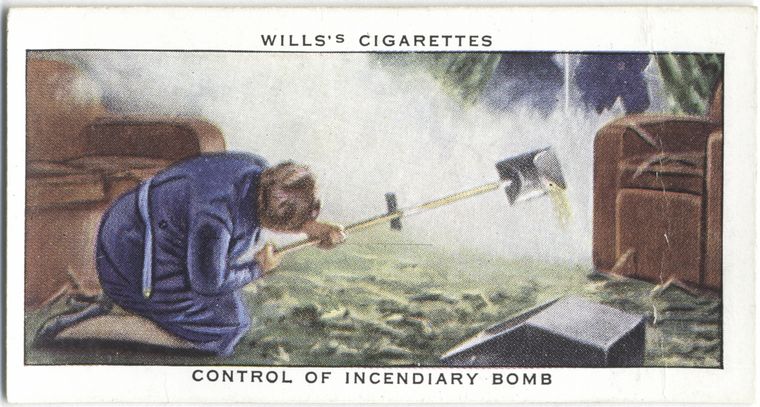
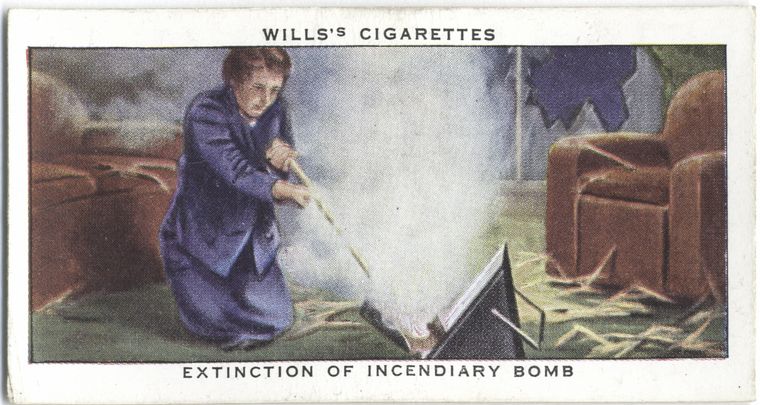
For many years it was the practice for cigarette manufacturers to put what was called a ‘cigarette card’ inside each packet of cigarettes. These and others were produced by the cigarette company ‘Wills, in collaboration with the ARP (Air Raid Precautions), an organisation dedicated to the protection of civilians from the danger of air-raids.
For many years it was the practice for cigarette manufacturers to put what was called a ‘cigarette card’ inside each packet of cigarettes. These and others were produced by the cigarette company ‘Wills, in collaboration with the ARP (Air Raid Precautions), an organisation dedicated to the protection of civilians from the danger of air-raids.
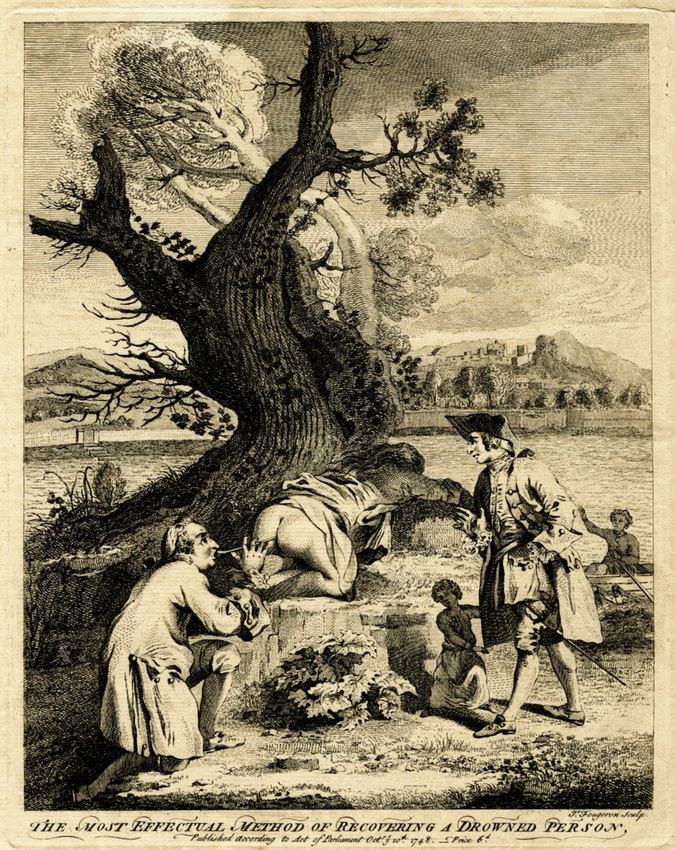
The Most Effectual Method of Recovering a Drowned Person, a print made by John Fougeron, satirising the French technique, 1747
In the 1730s, René Antoine Ferchault de Réaumur popularized a recent discovery: the seemingly lifeless could be revived with a wealth of strategies. This “Pliny of the Eighteenth Century” (Réaumur invented a precursor to the Celsius scale, influenced methods of silk production in China, and pioneered the process of metallic tinning still used today) wrote a pamphlet titled Avis pour donner du secours à ceux que l’on croit noyez (Advice to aid those believed drowned).
After debating the pros and cons of tickling the nose with feathers and filling a drowning man’s mouth with warm urine, Réaumur reveals what he believes to be the best technique: using a pipe stem to blow stimulating tobacco smoke into the intestines through the rectum. Louis XV found the pamphlet dazzling and encouraged its wide distribution. Startlingly, as Anton Serdeczny discusses in his recent book on reanimation, soon riverbanks across Europe were lined with “resuscitation kits”, as close-by as a contemporary defibrillator, which contained all the necessary supplies for giving a nicotine enema (and later, thankfully, included bellows as a substitute for breath).
Stack O’ Lee Blues,Mississippi John Hurt (1928)The song was published in 1911 and first recorded in 1923 by Fred Waring’s Pennsylvanians, but the origin predates both, as a song called Stack-A-Lee was mentioned in in the Kansas City Leavenworth Herald, in 1897 as being performed by “Prof. Charlie Lee, the piano thumper.”
The St. Louis Globe-Democrat, 28 December 1895 Shot in Curtis’s Place
William Lyons, 25, a levee hand, was shot in the abdomen yesterday evening at 10 o’clock in the saloon of Bill Curtis, at Eleventh and Morgan Streets, by Lee Sheldon, a carriage driver. Lyons and Sheldon were friends and were talking together. Both parties, it seems, had been drinking and were feeling in exuberant spirits. The discussion drifted to politics, and an argument was started, the conclusion of which was that Lyons snatched Sheldon’s hat from his head. The latter indignantly demanded its return. Lyons refused, and Sheldon withdrew his revolver and shot Lyons in the abdomen. When his victim fell to the floor Sheldon took his hat from the hand of the wounded man and coolly walked away. He was subsequently arrested and locked up at the Chestnut Street Station. Lyons was taken to the Dispensary, where his wounds were pronounced serious. Lee Sheldon is also known as ‘Stag’ Lee.







 Tacky Raccoons