
“This is my little brother. He was born with sticky feet.”
[Image and caption found here.]



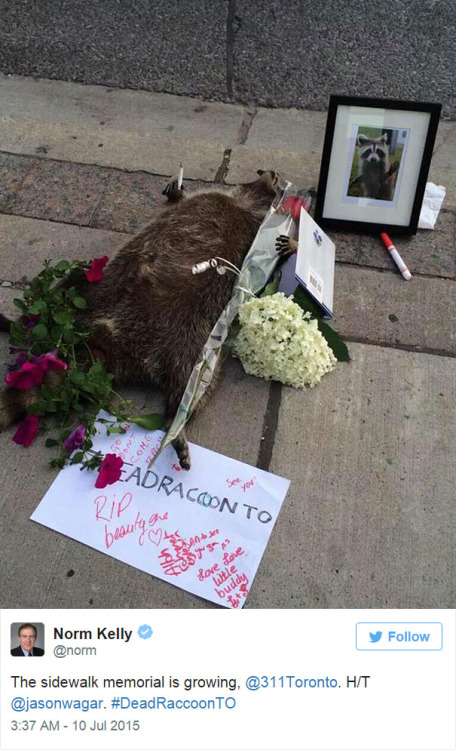
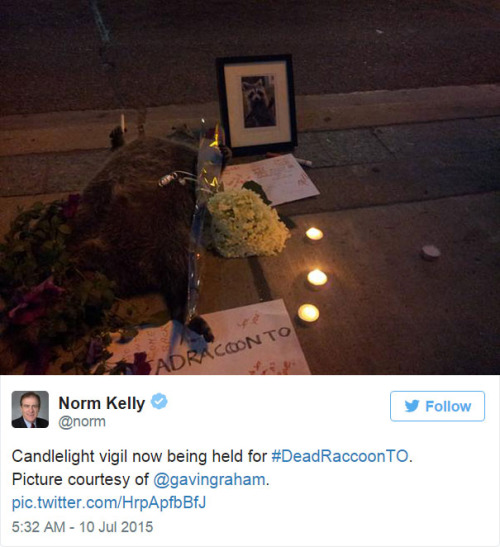

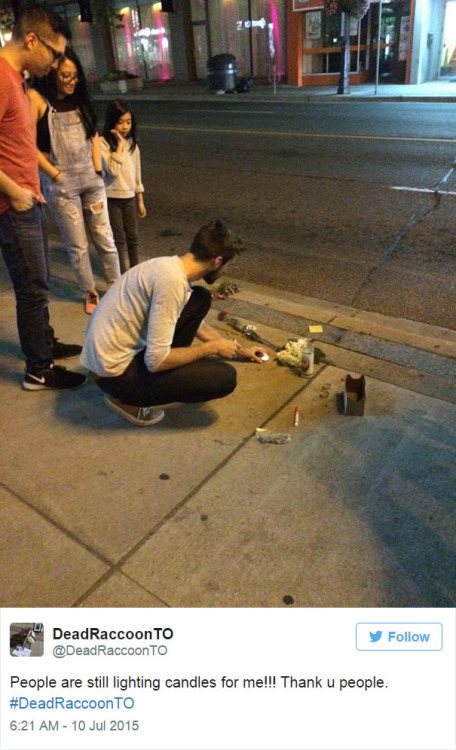
https://twitter.com/Barbie_Sandwich/status/666855646625558528
[Found here, and the Twitter hashtag‘s still up.]
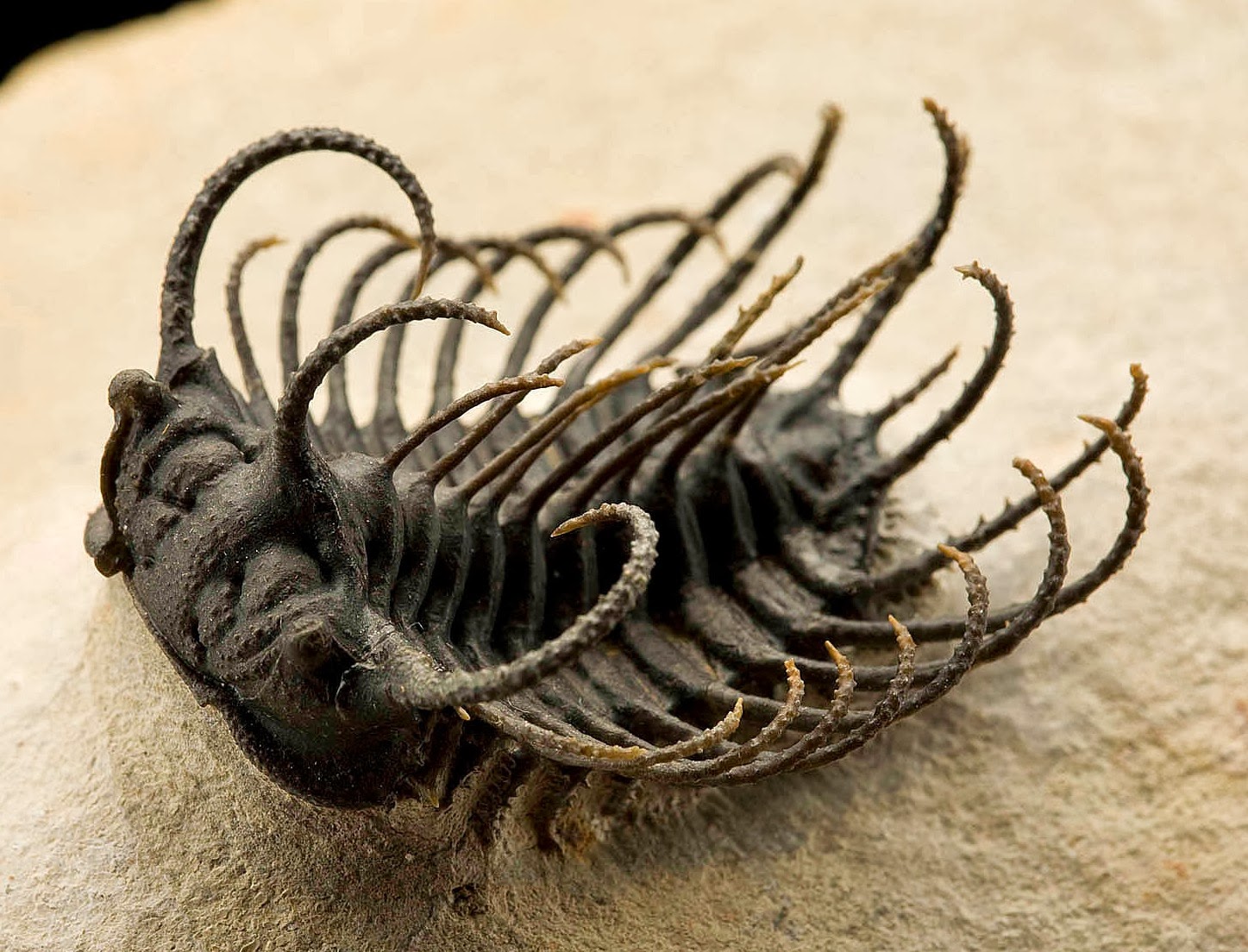
We found a lot of these little fossilized buggers along shale creek beds in Ohio, and fossil shops sold them for a quarter to fifty cents. I’d never seen the underside.

[Selfie Pro found here, and I have no idea why all the chairs are wearing bras.]
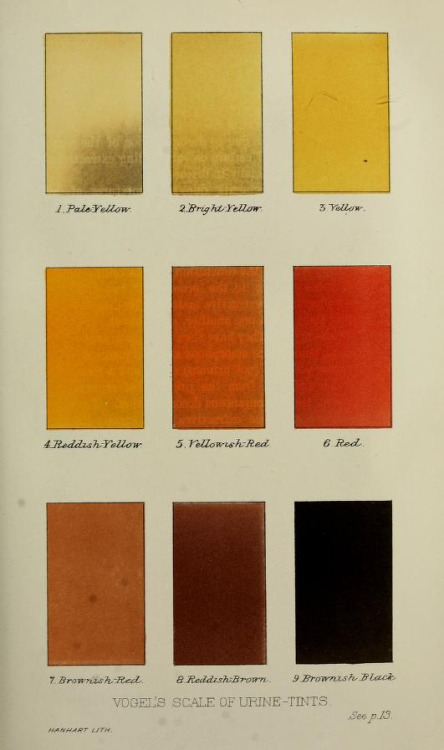
I’d be very worried if I whizzed anything past No. 4.
From what I can tell, Dr. Julius Vogel of Germany (not to be confused with Sir Julius Vogel of New Zealand) was instrumental in detecting disease and other maladies by analyzing urine samples in the mid to late 1800s and writing treatises about it and other studies involving the endocrine system. And yes, he wrote about “asparagus pee.” It’s because of Dr. Vogel that your doctor asks you to piss in a cup.
You can read an entire 1876 Treatise by Dr. William Roberts M.D. on urine color diagnoses that features the work of Dr. Vogel here.
[Image with link found here.]

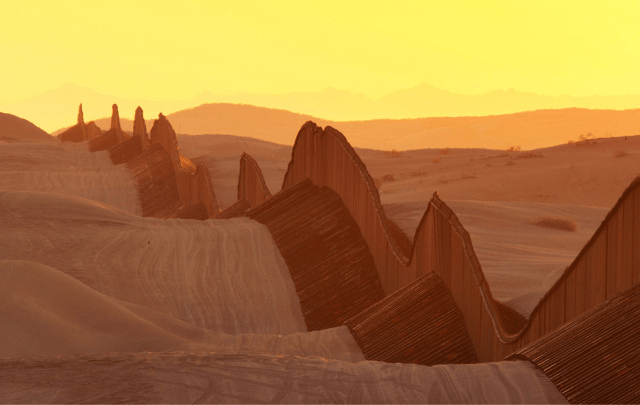
A section of the controversial US-Mexico border fence expansion project crosses previously pristine desert sands at sunrise on March 14, 2009, between Yuma, Arizona and Calexico, California. The barrier stands 15 feet tall and sits on top of the sand so it can lifted by a machine and repositioned whenever the migrating desert dunes begin to bury it. The almost seven miles of floating fence cost about $6 million per mile to build.
[Image found in here. Caption from here.]
[soapbox ap enabled]
I love the choices of phrase: “controversial… fence” and “previously pristine desert,” and the words “almost” and “about.” There’s nothing controversial about a sovereign nation protecting her borders with a fence or otherwise, and the desert is so pristine that it’s relatively devoid of flora and fauna. It’s pure pristine desolation.
Reports vary as to the the border fence height (15-20 feet), the length and the cost; however, local law enforcement says that it works, and that arrests of drug smugglers and “coyotes” along the Yuma border have dropped from 800 per day down to only 15 – a reduction of over 98 per cent in illegal traffic since 2005.
It also translates to a huge reduction in the related costs of apprehending illegals, detaining and housing them, conducting legal hearings and deportations, and it cripples the Mexican drug cartels as a bonus.
Border fences through accessible regions makes simple economical sense, especially in the long term. How do we pay for it? Reduce the annual budget for the NSA by only 1.5 percent each year for the next 10 years.
Then, if a low skilled workforce is still needed, we revive the successful Bracero Program and ensure that the workers don’t get chumped.
[soapbox ap deactivated]
I like the photo. It looks like the work of Christo, only more functional.
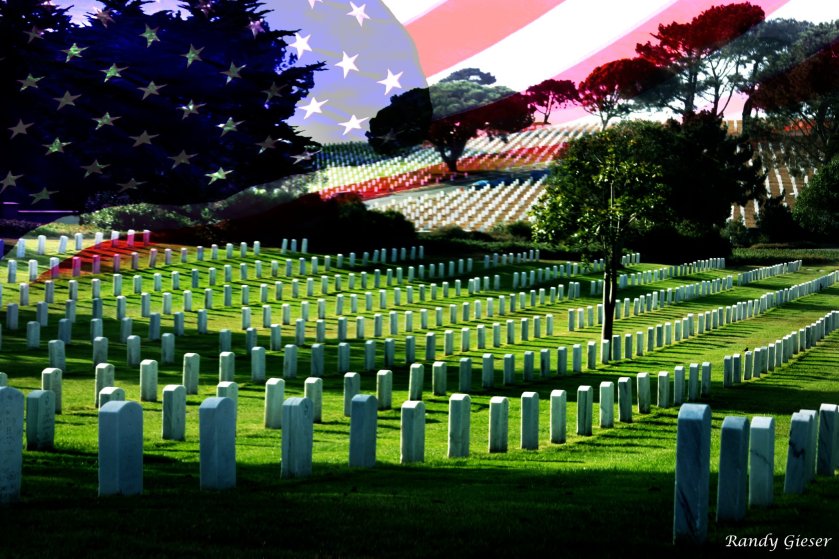
Have you ever had the patience, alas
to count to 101,079?
Or to walk the salt-resistant grass
and touch the headstones in each long line?
To think of each warrior buried there
knowing their lives have been split in two
half for their carefree heroic youth
and half for the freedom of me and you?
If so, you couldn’t have stemmed the flood
of tears that surely blurred your eyes
as the spirit dips His brush in blood
to paint Old Glory in the skies
R. T. Sedgwick
[Image of Ft. Rosecrans National Cemetary and poem found here.]
[Found here.]



 Tacky Raccoons