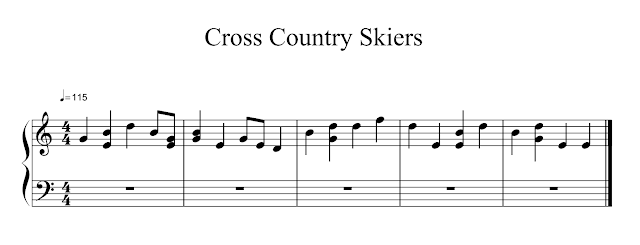
From Wiki: Don Nix began his career playing saxophone for the Mar-Keys, which also featured Steve Cropper, Duck Dunn and others. The [1961] hit instrumental single “Last Night” (composed by the band as a whole) was the first of many successful hits to Nix’s credit. […] The Mar-Keys evolved into Booker T. & the M.G.’s.
What a convergence of talent at the right time and the right place. God Bless Stax Records.
Have a soulful weekend, folks, be back here tomorrow.
Old trick, but it’s a good ‘un. I had one that was similar – the bottles flipped from right side up to upside down using the same basic gaffe (like this). [via here.]
Through much of its history, the studio [Terrytoons] was considered one of the lowest-quality houses in the field, to the point where Paul Terry noted, “Disney is the Tiffany’s in this business, and I am the Woolworth’s.” Terry’s studio had the lowest budgets and was among the slowest to adapt to new technologies such as sound (in about 1930) and Technicolor (in 1938), while its graphic style remained remarkably static for decades. Background music was entrusted to one man, Philip Scheib, and Terry’s refusal to pay royalties for popular songs forced Scheib to compose his own scores. Paul Terry took pride in producing a new cartoon every other week, regardless of the quality of the films.
In keeping with the accidental Double O Theme, here’s one more.
Die Allotria Jazzband ist eine Combo, die 1969 in München gegründet wurde und dem traditionellen Jazz verpflichtet ist. [Allotria translates to Monkey Business.] “Wolverine Blues” was written and recorded by Jelly Roll Morton in 1923.
Two decades later, Fats Waller was playing the same style.
Nice lip-sync of a pretty song. According to the UToobage: “Myra Johnson voiced-over the girl “vocalist” sitting on the piano, who, according to trumpeter Eddie Henderson, is his mother.”
In 1975, over five decades later, Leon Redbone recorded his own version (and this isn’t it. Click the link). Mr. Redbone’s music is meant for eggs and coffee and a side of toast.
Reminds me of the story of the autistic woman who began whistling an unusual tune. Her caregiver asked what the song was. The woman said the birds wrote it and pointed to the crows sitting on the overhead power lines.
That’s Dave Allen (1936-2005) and that’s a 1965 VW 6-volt Beetle. It didn’t have headlights. It had glowlamps. I know because I owned one.
1911 New York City restored hand-cranked film, speed corrected and with an added soundtrack humanizes the populace a bit. A lot of interesting things happened in 1911, itemized here and here. Sheet music sales determined the popularity of songs and Scott Joplin’s rags were hot, like Treemonisha.
Hormel Pepperoni advertisement [h/t Calo]. I’m speechless. Let’s get out of here.
YES stood out a bit from the music of the 70s. Sure, they were art rock, their lyrics were inane and incomprehensible, they’ll make you out and out, but their music was killer.
Meanwhile, Jim Stafford is both an underrated guitarist, a talented comedian, and he had some minor hits in the 70s, and he’s still alive. Congrats.
Stafford had a number of minor hits, but I remember one in particular. I’d just lost a girlfriend, and this song seemed to make sense of it all. In retrospect it didn’t, but so what.
Dude was and is funny.
Here’s one of the prettiest songs George Harrison ever wrote and one of the most appropriate videos I’ve ever seen.
For some unknown reason that song always makes me tear up, and there’s something in that innocent video that hits my heart.
Have a great weekend, folks. See you back here tomorrow.
It’s always 1700 somewhere. The Department of the Navy Superior Public Service Award has been bestowed upon singer and songwriter Jimmy Buffett. It’s the highest US Naval award allowed for a civilian. Here’s a classic Buffett song that justifies that well-deserved award.
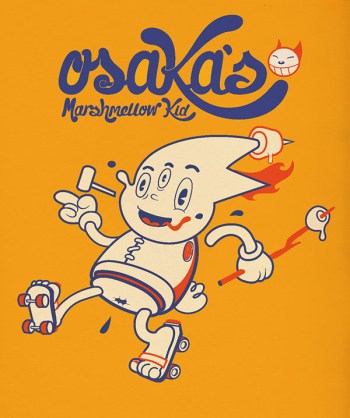
Mallows have been used as a food staple for thousands of years. The common name for Althaea officinalis is “Marsh Mallow” and it has medicinal properties.
The confection referred to as a “marshmallow” dates to the 1800s, and the original recipe used the root sap of the marsh mallow.