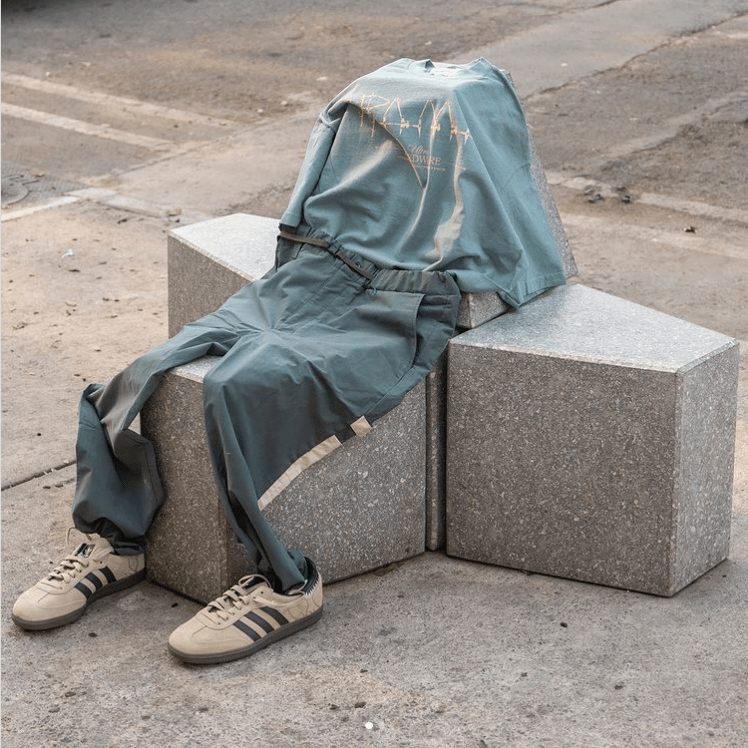
Some days I sits and thinks and some days I just sits.
[Artsy clothing advert found here.]


Balloon sculptures are the work of artist Masayoshi Matsumoto.
I Won’t Tell, Tracey Dey (1964) Very pretty song about a girl cheating on her boyfriend with his brother – her sister’s boyfriend – and lying to both of them.
Nora Ferrari (aka Tracey Dey) was a college coed when she recorded a demo tape that found its way to the ears of Bob Crewe, producer and songwriter for The Four Seasons and others. Dey released nine solo singles 1962 through 1966; several made the Billboard Top 100 beginning with Teenage Cleopatra.
Some serious damage from an AR-15.
You GOTTA hear this bird. [h/t Bunkerville]
Commuting in Stunt City. [h/t Mme. Jujujive]
Outhorse Your Email: “Let the horses of Iceland reply to your emails while you are on vacation.” [h/t Philosopher Mouse]
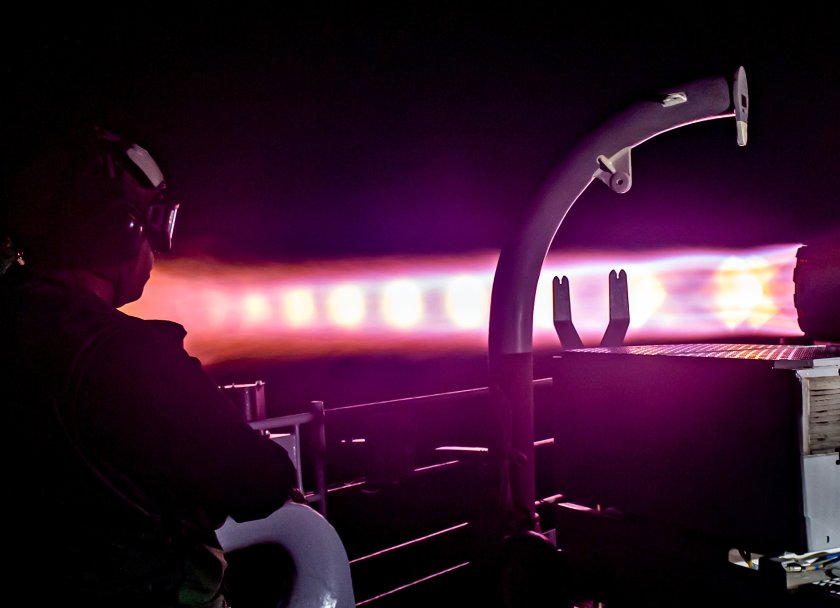
[Top image from USNI News.]
From the Archives: 1 year ago. 5 years ago. 10 years ago.

Woodpecker Rock, Nat Couty & The Braves (1958)Born in Natchez, Louisiana on 6 October 1934, Nat Couty played in bands for most of his life, but only recorded one other song – Won’t You Come Along With Me (the flip side). He suffered a stroke in 1999 and died of a heart attack the following year.
Cam Cole has no backup band.
Free listen/download at the link.
I think they’re saying “Terabyte.”
An orange orb and his baked potato friend.
The Evolution of Games with 250K dominoes.
70 Babylon Bee satire stories that came true.
The Only Thing that can stop the Queen’s Guard.
Why buy one when you can make a bindle. [h/t Gord S.]
The second act of Alban Berg’s 1937 opera Lulu includes a three-minute sequence that’s a musical palindrome.
[Top image found here.]
From the Archives: 1 year ago. 5 years ago. 10 years ago.


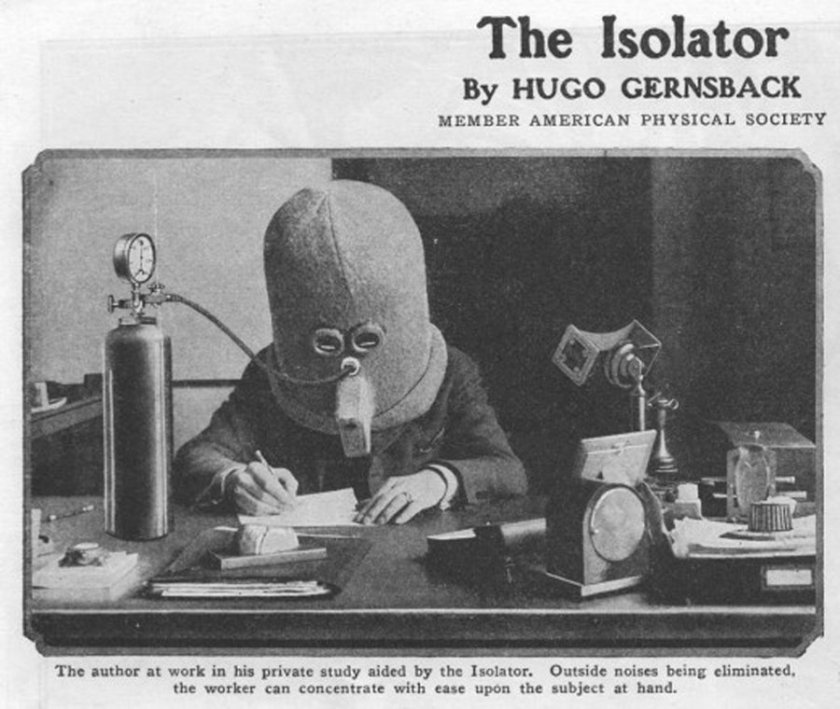
"The greatest difficulty that the human mind has to contend with is lack of concentration, mainly due to outside influences.

If, by one stroke, we can do away with these influences, we will not only be benefitted greatly thereby, but our work would be accomplished more quickly and the results would be vastly better.

[...]

It will be noted that the glass windows directly in front of the eyes are black. The construction involved the use of ordinary window glass, the outer glass being painted entirely black. Two small white lines were scratched into the paint, as shown. The idea of this is as follows:

The writer thought that shutting out the noises was not sufficient. The eye would still wander around, thereby distracting attention. By having the two white lines scratched on the glass, the field through which the eye can move is comparatively small."
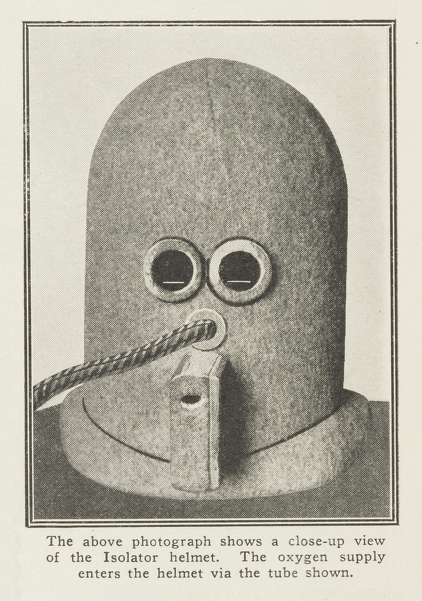
Prescient satirical concept… or perhaps he was serious:
According to [Steve Silberman, author of NeuroTribes: The Legacy of Autism and the Future of Neurodiversity, 2015] Gernsback himself may have been “an undiagnosed Aspergian”: “His peers regarded him as an unsociable figure who remained coolly distant from the communities he created. The people he counted as friends tended to be prominent scientists, influential politicians, and other notable figures with whom he corresponded by mail; historian James Gunn observed in Alternate Worlds that he was ‘a strange mixture of personal reserve and aggressive salesmanship’.
Silberman refers to the Isolator in particular as Gernsback’s “most blatantly autistic creation”.
Read the full description of The Isolator from the July 1925 edition of Science and Invention.
The Hugo Awards were named after Hugo Gernsback, who is regarded as “The Father of Science Fiction”.
[Found here.]
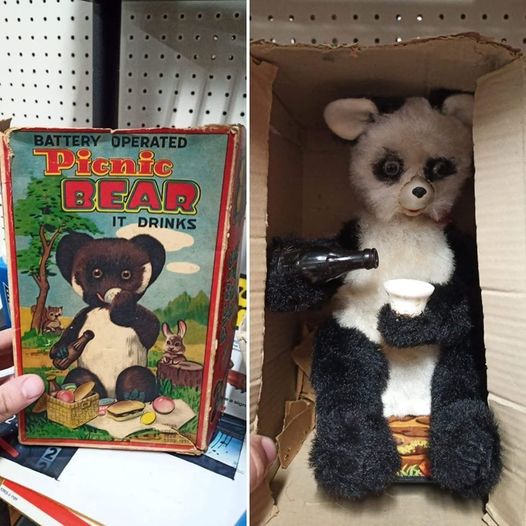
[Found here, h/t Pam M.]

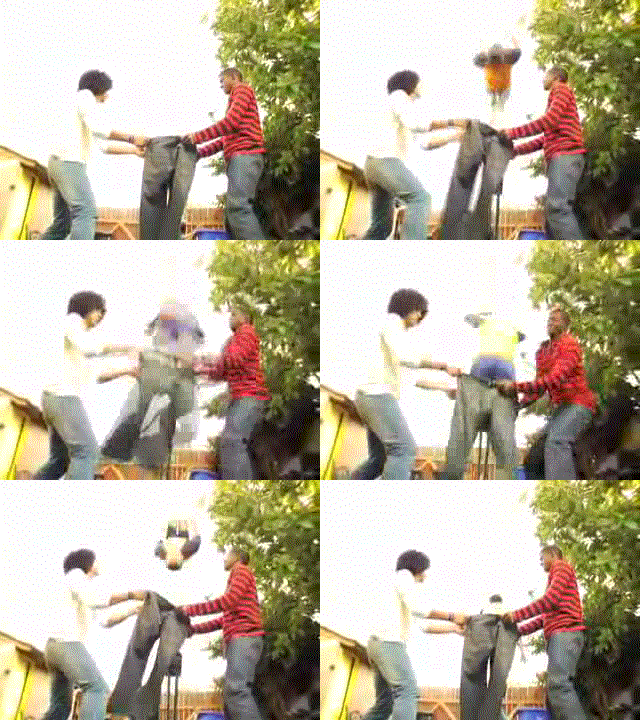




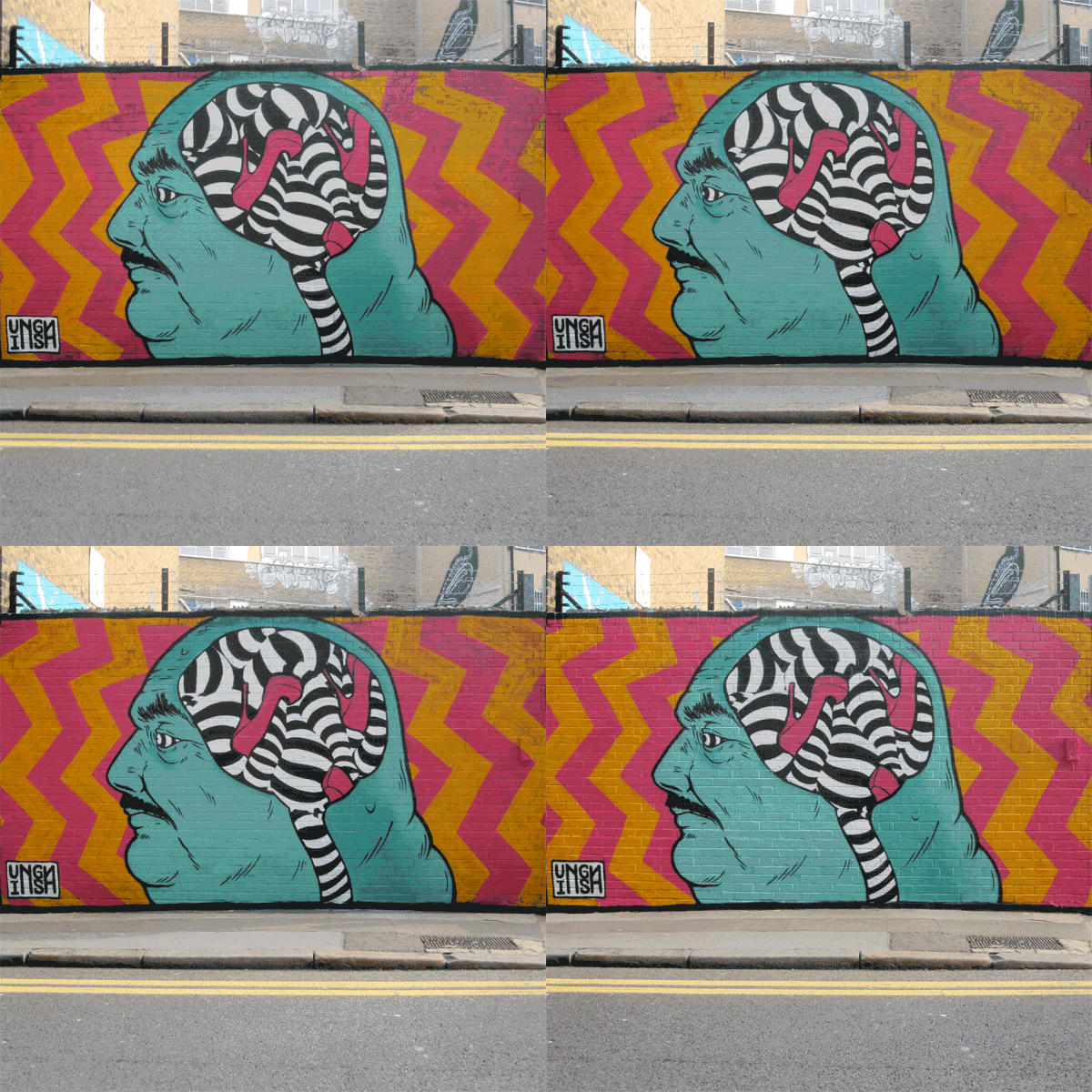
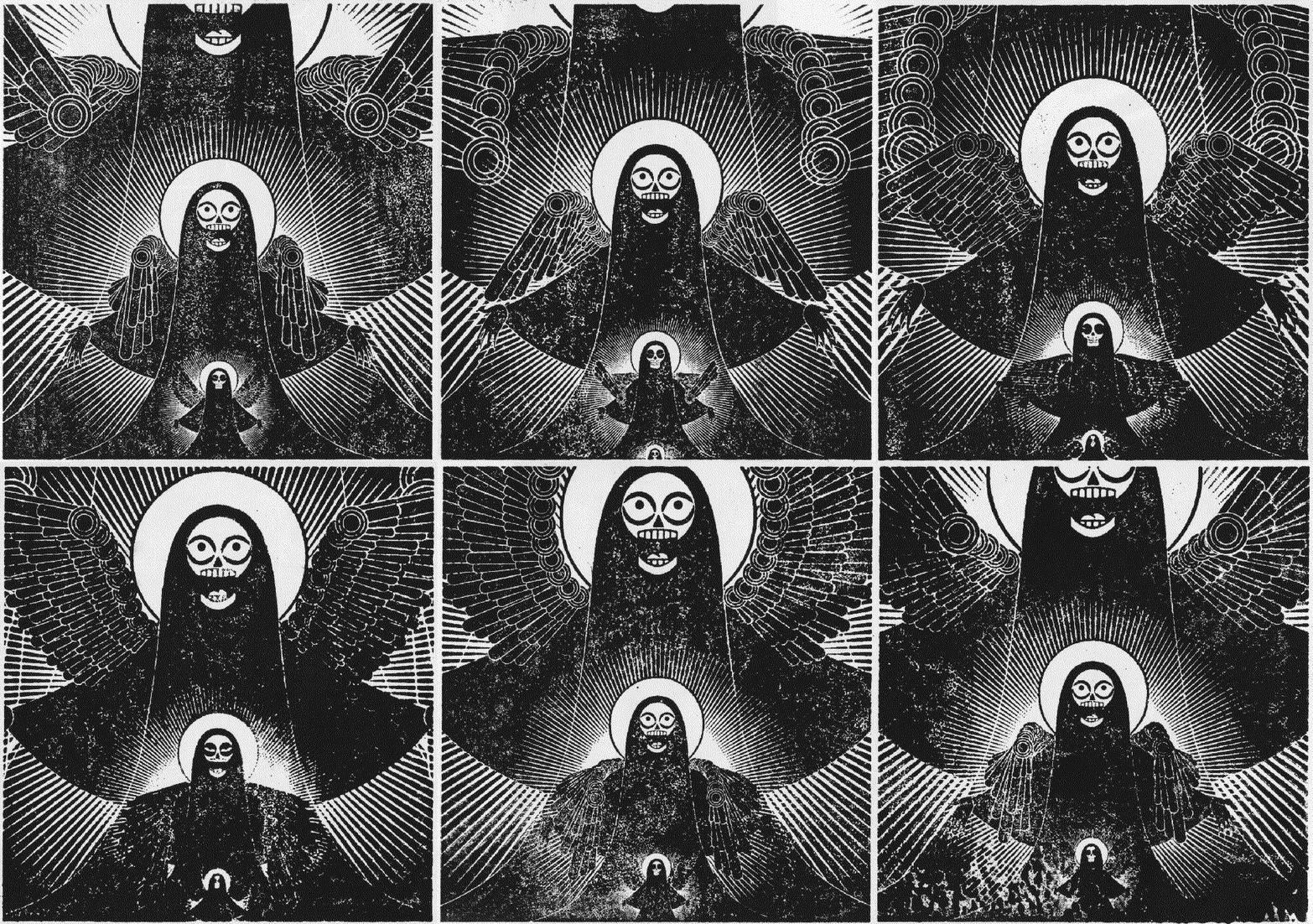
 Tacky Raccoons