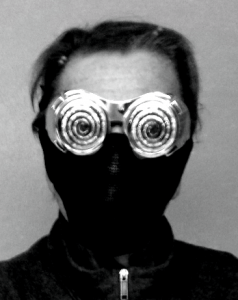
Top image: The missus was about to pitch these cool shades, and my new mask stops BBs at 800fps, so it ought to be able to stop a flying ‘Rona. I’ll test it out at the clinic on Monday.
House Rent Boogie, John Lee Hooker, from Endless Boogie (1971).Homeschooled and illiterate, Hooker ran away from home at the age of 14. He used various pseudonyms throughout his career (including John Lee Booker, Johnny Lee, John Lee, John Lee Cooker, Texas Slim, Delta John, Birmingham Sam and his Magic Guitar, Johnny Williams, and the Boogie Man) to evade low-paying recording contracts.
(I Want A) Rock and Roll Guitar, Johnny Preston (1960)Preston’s biggest hit was Running Bear and made No. 1 on the pop charts in 1959. The “Indian” sounds on the record were performed by J.P. “The Big Bopper” Richardson and George Jones.
Maybe it’s Transparent or Transplant. I’m going with Transplat.
Oh wait…
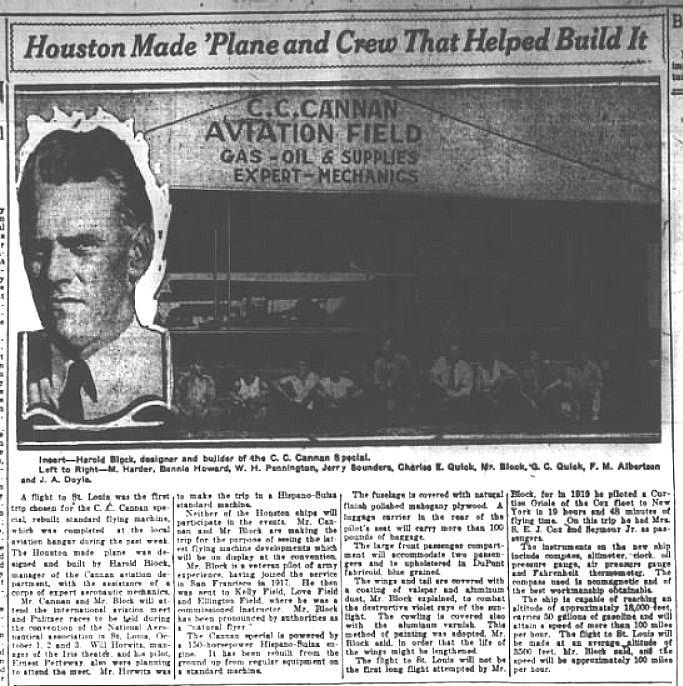
[It was known as] C.C. Cannan Field since 1918 and as an informal flying field and race track before that. In 1925 the field was purchased by Vince Hays for his Houston Aerial Transport Company. It was on this field that Shorty Walker and Guy Hahn made and flew their airplanes and aircraft engines. [Source]
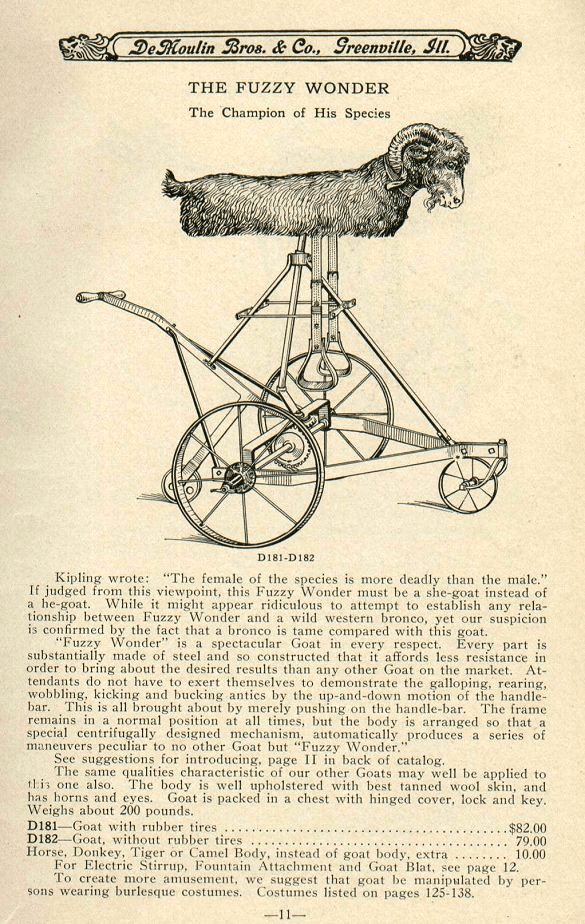
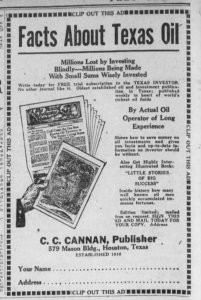
[Top image found here, 1923 C.C. Cannan Field article found here, 1923 Detroit Free Press ad here.]
“‘Tut Tut Tut Tut’ is indeed the Franco-phonetic way of imitating a busy signal. In the course of this two minute song, Hills huffs 7 TUTs in a row, four different times for a total of 28 TUTS. Then she adds another 15 or 20 during the fade. Who doesn’t love her TUTS?”
“Wolf sounds EXACTLY like Delbert McClinton!” – video comment
The J. Geils Band on The Old Grey Whistle Test 1973 (before all that garbage they put out in the 80s). They also covered this song:
Inducted into the Rock & Roll Hall of Fame in 2009, Bobby Womack was slowing down by the time of this 2013 performance, and he passed away the following year at age 70. He first recorded “Lookin’ For A Love” with his brothers as The Valentinos.
Guess that’ll do it for now. Have a great weekend while you can, see you back here for dessert.
Mind Your Own Business, Hank Williams (1949)“The song’s lyrics were likely inspired by the singer’s own tempestuous relationship with wife Audrey Williams and the buzz it created. […] Hank had cut several duets with his wife Audrey, who by all accounts had limited singing talent.” – Wikipedia








 Tacky Raccoons