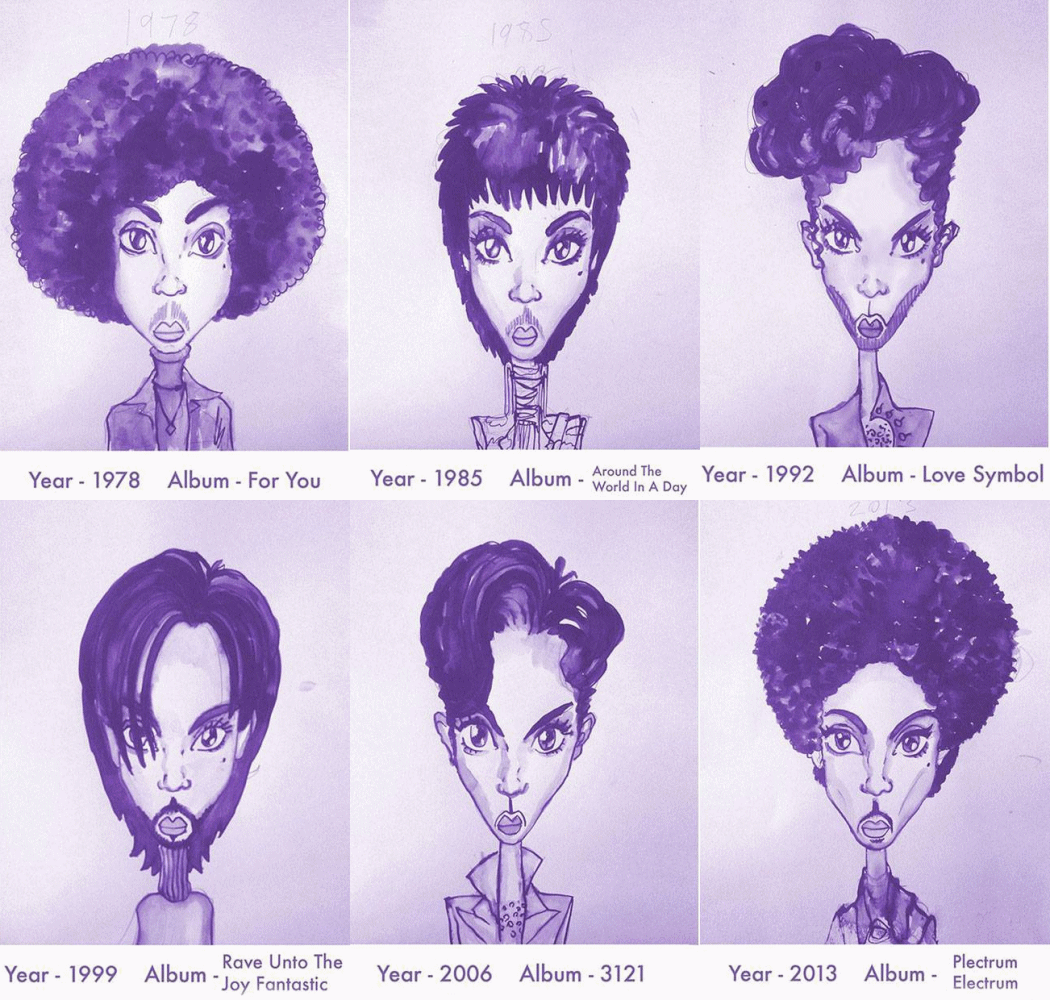
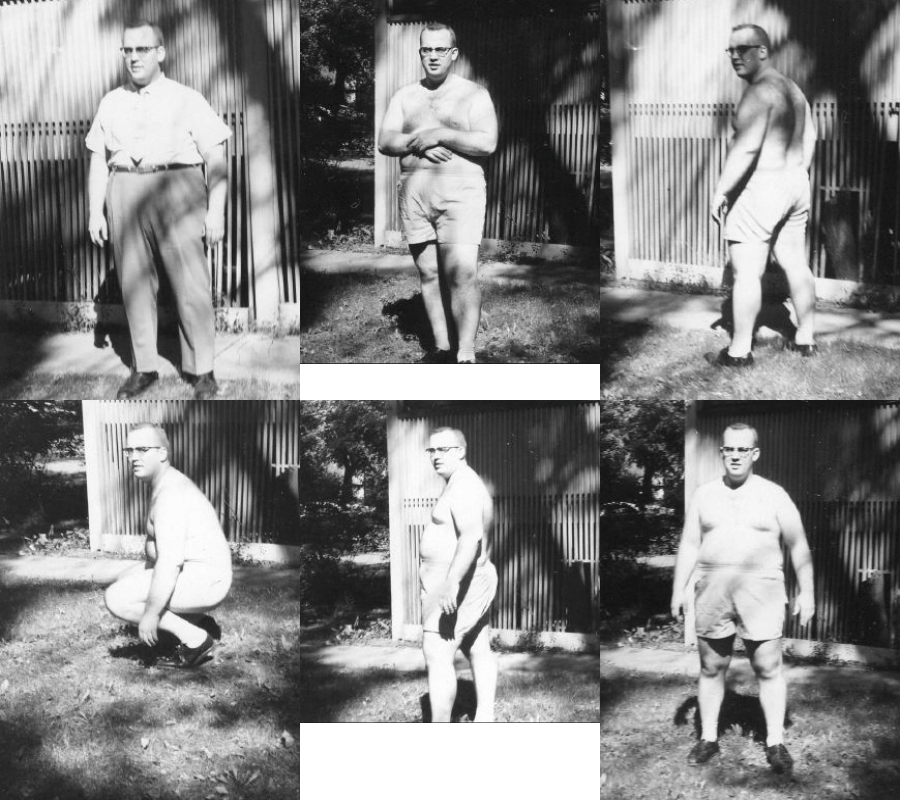
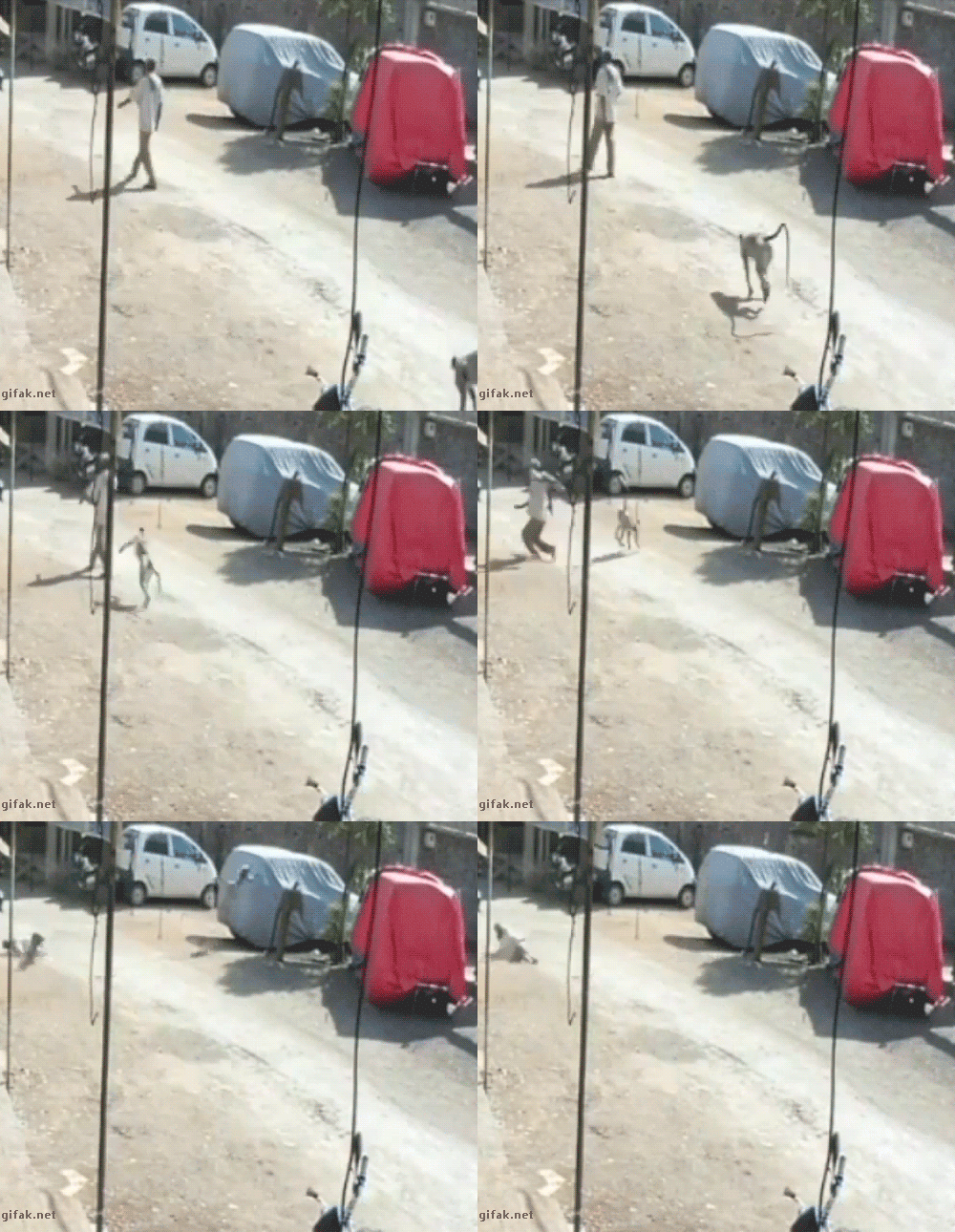
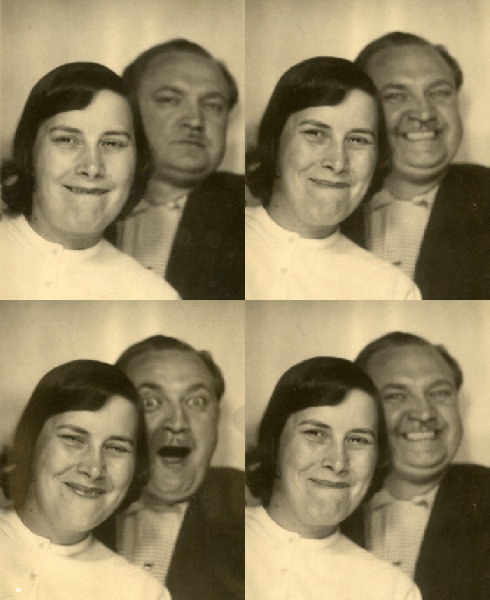
[Obligatory tribute to Prince created from images found here [via]. Photos of “Anthony” found here. Last one found in here.]

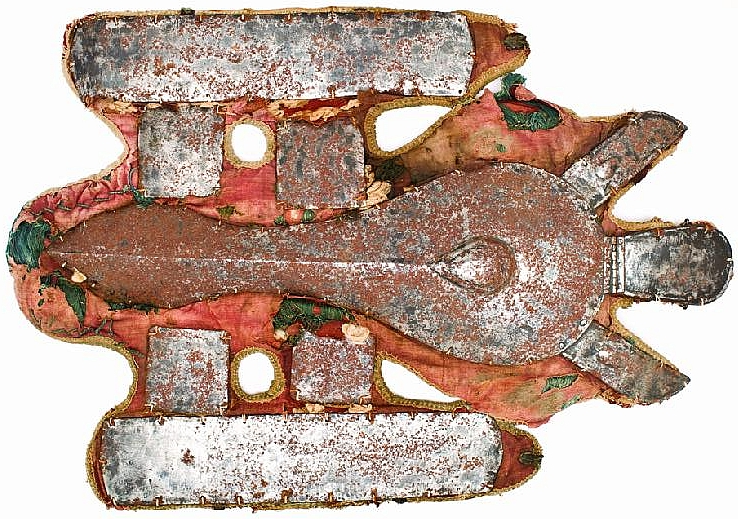
[Found here.]
USNI News asked its readers, “What is the greatest warship of all time and why?” Though what makes a warship great is highly subjective, our readers offered their education and expertise to put forth their ideas as to what the answer to that question should be. And with nearly 900 reader-generated answers and more than 26,000 votes, the results are in.
The results are interesting, and this one amazed me.
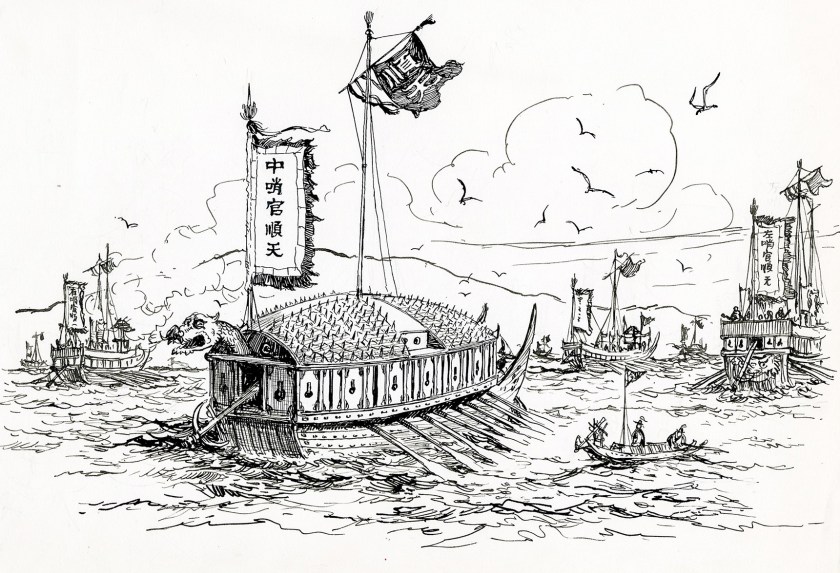
Readers also held particular esteem for the uniquely Korean “turtle boats” that came into form under Admiral Yi Sun-Shin, who in 1591 resurrected and modified the best features from designs from nearly two centuries prior to produce the Kohbukson — “turtle ship” — whose convex-covered decks resembled a turtle shell. Averaging in length from 70-110 feet, these flat-bottomed, boats, studded with spikes to prevent board and spaced with gunports, loopholes for muskets, and sporting a a powerful psychological weapon — a smoke-spewing dragon’s head at the bow — were not only virtually impenetrable, but also fast and maneuverable. The ships played a decisive role in defeating regent Toyotomi Hideyoshi’s numerically-superior fleets during Japan’s invasion of the Korean peninsula of the Imjin War of 1592-1598. The ramifications of that defeat still resonate to this day.
More on the Turtle Ships (including a link to a History Channel vid) here. See the rest of the poll winners here.
Wallington Chevron sells Seattle Propane, and it’s a gas [via].
Google “Run Hog Face” and this is one of the image results.
This is awesome. And so is this.
https://twitter.com/DRUDGE/status/718893221242347520
That should outrage everyone regardless of one’s political affiliation. Integrity in journalism is dead. Welcome to the world of Pravda.
[Top image found here.]
The National Blues Museum just opened in St. Louis, Missouri. [via]
In December 1969, Andy Williams (aka Mr. Moon River) got down and funky with The Temptations. He looked mad, dammit. [via]
The Continentals (Richard Frank, Lead Guitar; Robert Sarlo, Rhythm Guitar; Ricky Mangone, Rhythm Guitar; Joseph Messina, Drums and Ralph DiForio, Vocals and Bass Guitar) recorded July 9, 1961 on Ted Mack’s Original Amateur Hour.
I dare you to Lip sync Surfin’ Bird. Now sing it without a backup band. Have a great weekend, folks, and we’ll be back tomorrow with more inanity than you can stand.
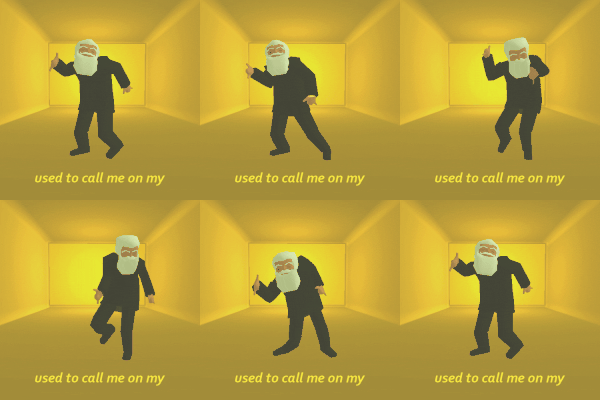
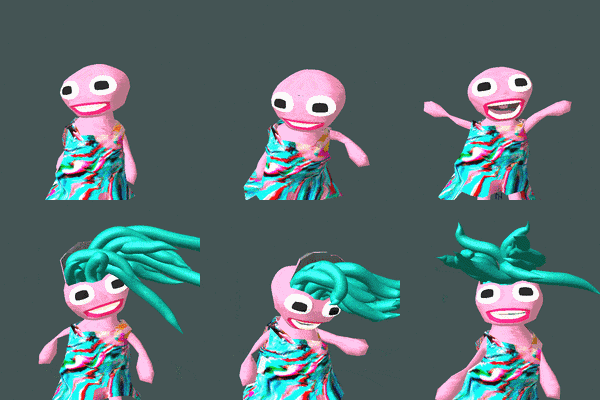
[All found in here.]
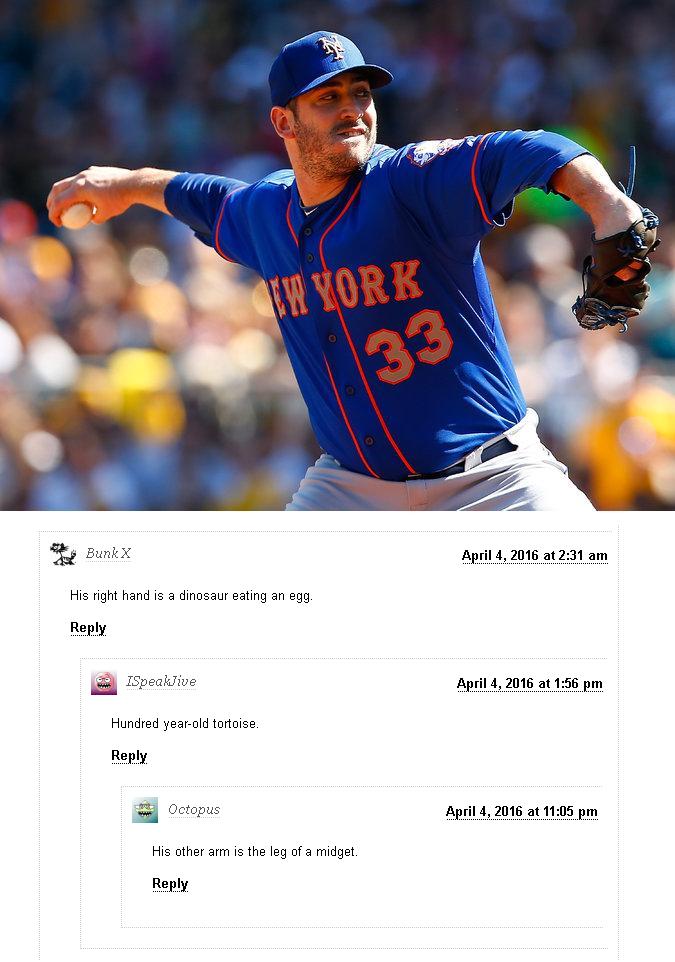
Occasionally I google three random words just to see what turns up. “John headlight insect” produced this, and I’m going to try it tomorrow.
A Fallen Tear – The El Dorados [1956 Vee-Jay Records].
A Fallen Tear – The Marcels [1961 Colpix Records].
Beep … beep … beep … THIS equipment is evil.
The Chalk Police have been summoned.
Look out, Cannes. Look out Oscars. There’s an old kid in town.
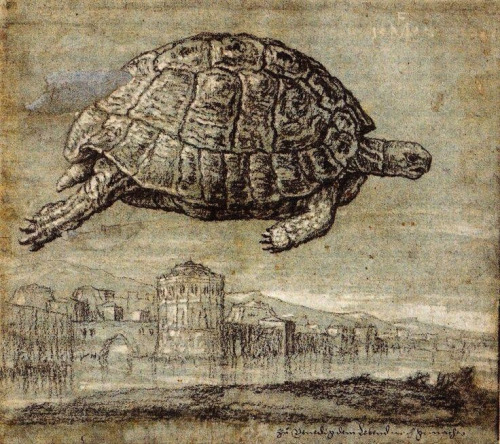
[Top image from here – Melchoir Lorck‘s “Tortoise above the Venetian Lagoon” 1555].
 Tacky Raccoons